

Direct answer: This guide explains how to inhale a vape safely and what technique fits each device.
As the experts at SokVape who have tested hundreds of devices, we know common pain points. Coughing, confusing buttons, and harsh hits frustrate new users. We offer concise, safety-first fixes.
Vaping uses a battery coil to heat e-liquid into an aerosol, not combustion. The draw feels cooler than cigarette smoke and often needs longer, slower puffs for comfort and control.
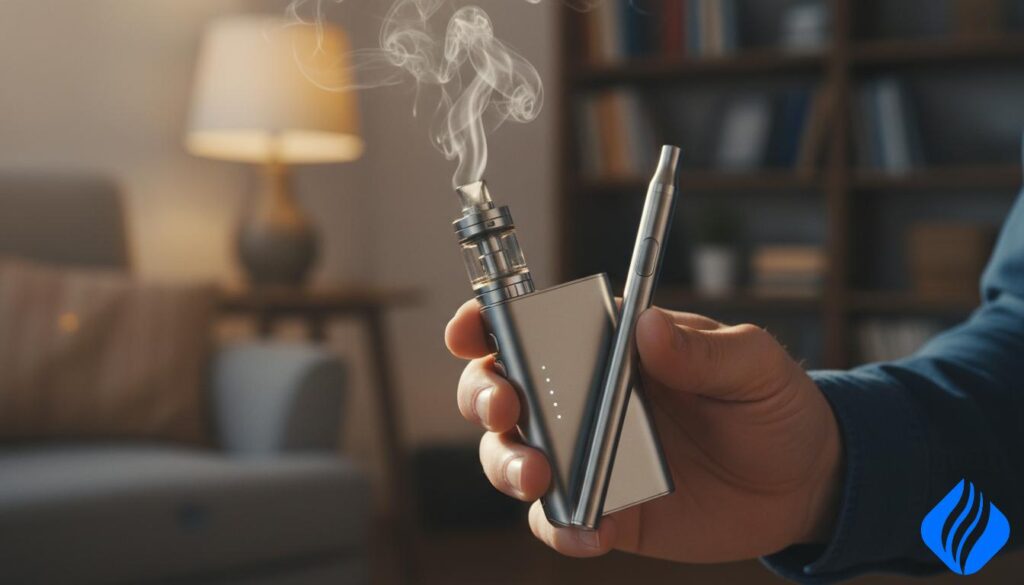
We frame the core question around harm reduction, comfort, and real-world use. The “right” inhale depends on device, airflow, and nicotine level rather than a single rule.
For adult (21+) use only. We will define mouth-only versus lung inhaling, preview MTL, DTL, and RDL styles, and set clear steps for setup and troubleshooting.
Key Takeaways
- We prioritize safety and comfort for adult users.
- Vaping uses heat, not fire; technique affects the experience.
- MTL, DTL, and RDL work differently across devices and the market.
- Correct setup and controlled puffs reduce coughing and harsh hits.
- This guide offers practical steps and troubleshooting for real people.
Are you supposed to inhale vape?
Featured-snippet answer: Most modern devices are built for inhalation, but the method — mouth-to-lung (MTL), restricted direct-lung (RDL), or direct-to-lung (DTL) — should match the device and personal comfort. For many beginners, starting with a mouth-first draw feels familiar and gentler.
When keeping vapor in the mouth can make sense
Some adult vapers prefer a mouth-only, cigar-style puff. This keeps aerosol in the mouth and then releases it without pulling into the lungs. The sensation is milder and often less irritating.
Reasons to use mouth-only puffing:
- Very new users easing into sensation.
- Sensitivity to throat hit or strong nicotine levels.
- Troubleshooting coughing while adjusting device settings or nicotine type.
“Start slow, match device and nicotine, and let comfort guide the inhale style.”
If chest irritation, lightheadedness, or persistent coughing occurs, stop and reassess setup, nicotine strength, and draw method. We recommend adjusting rather than forcing deeper inhalation.
| Inhale Style | Typical Feel | Best for |
|---|---|---|
| MTL (mouth-to-lung) | Tighter draw, cigarette-like | Beginners; higher nicotine |
| DTL (direct-to-lung) | Open draw, bigger clouds | Experienced vapers; lower nicotine |
| Mouth-only (cigar-style) | Milder throat, weaker hit | New users; sensitive throats |
What happens when vapor enters the airway (and how it differs from cigarette smoke)
When a pod clicks or a button fires, a battery pushes current through a coil, warming e-liquid into a fine aerosol. That mist moves into the mouth or lungs rather than forming hot, burning smoke from tobacco.
How the device makes aerosol
Power from the battery heats coils inside a pod or tank. Liquid becomes microscopic droplets. This process is aerosolization, not combustion. The result feels cooler and less harsh than a cigarette.
Why the sensation and technique differ
Vaping works best with longer, slower draws. Short, forceful pulls often reduce vapor and flavor. Airflow and heat-up time matter more than suction strength.
Nicotine and puff behavior
Longer puffs usually increase nicotine delivery. That can improve satisfaction but may cause harshness if nicotine strength is high. Most devices include a safety cutoff that limits continuous firing and shapes real-world puff time.
“Match draw length, device settings, and nicotine for a safer, more comfortable experience.”
- Key parts: battery, coils, pod/tank, e-liquid
- Tip: adjust draw speed and airflow before increasing nicotine
Vaping inhale styles explained: MTL vs DTL vs RDL/RDTL
Choosing the proper draw method makes the same kit feel mild, airy, or intense. We outline the three common styles and explain why airflow, coil resistance, and power change the sensation.
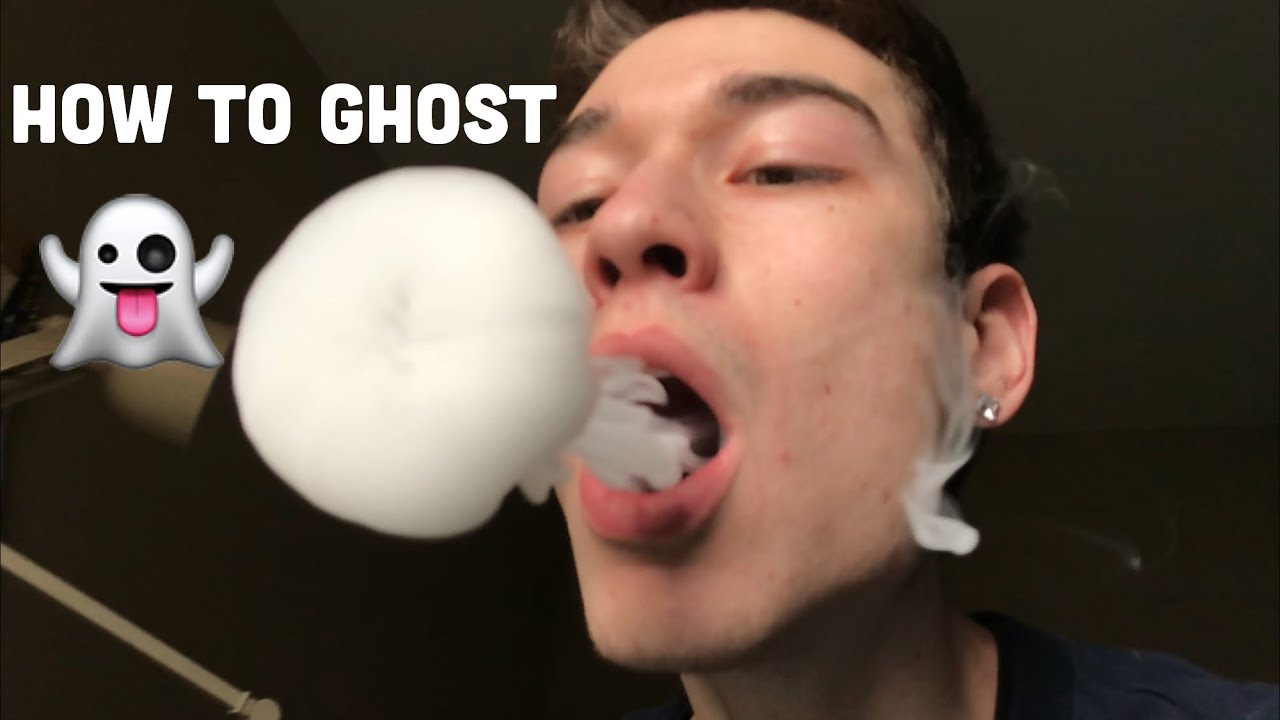
MTL (Mouth-to-Lung)
MTL vaping means drawing vapor into the mouth first, then into the lungs. The pull is tighter, vapor volume is lower, and the feel mimics a cigarette. This technique suits tight pod kits and beginners.
DTL (Direct-to-Lung)
DTL requires inhaling straight into the lungs in one smooth breath. Open airflow and higher power produce denser vapor and bigger clouds. This style fits sub-ohm tanks and larger mods.
RDL / RDTL (Restricted Direct-Lung)
RDL sits between MTL and DTL. Draw is freer than MTL but not as airy as full DTL. Many modern pods and disposable-style vapes use this setting for balance.
“Match draw, coil resistance, and power to avoid harsh hits and coughing.”
| Style | Airflow | Vapor density | Throat hit | Best device match |
|---|---|---|---|---|
| MTL | Restricted | Low | Pronounced | Tight pod / small vape kits |
| RDL / RDTL | Moderate | Medium | Balanced | Airy pod / disposable-like kits |
| DTL | Open | High | Mild | Sub-ohm tank / mod |
- Quick best-for notes: MTL — beginners and ex-smokers. DTL — cloud-focused users. RDL — pod switchers seeking balance.
- Wrong technique for a device explains many common problems. We will fix mismatches next.
How to inhale a vape correctly (step-by-step)
A calm, steady draw makes most kits feel smoother and helps avoid coughing. We give clear, numbered steps for each common method. Follow these gently and stop if irritation starts.
MTL (mouth-to-lung) steps
- Take a slow draw into the mouth for 2–3 seconds.
- Hold briefly (one comfortable beat).
- Inhale lightly into the lungs.
- Exhale smoothly and wait a normal breath before the next puff.
DTL steps
- Open airflow if adjustable.
- Take one steady inhale straight into the chest—don’t force.
- Exhale naturally and breathe normally between pulls.
RDL / RDTL steps
- Use a slightly deeper draw than MTL.
- Keep the pull steady, not hard.
- Exhale and pause to avoid irritation.
How long to hold vapor
Holding mist for long time adds little benefit. Short, comfortable holds preserve flavor and lower dry-wick risk. Overlong inhales can heat coils and stress cotton.
The “cigar-style” mouth-only puff
This method keeps aerosol in the mouth and releases without lung entry. Expect milder throat feel and less chest sensation. If cravings persist, adjust nicotine rather than forcing a deeper draw.
“Match draw, device, and liquid for the safest, most comfortable way forward.”
How to use your device before the first inhale (quick start steps)
Before taking a first puff, check basic setup and power so the session starts safely.
Button-activated vs draw-activated devices: what to check first
Start with a short checklist for any device. Confirm the battery is charged. Ensure the pod is fully seated. Verify airflow isn’t fully closed. Clear the mouthpiece if blocked.
Power controls and quick sequences
Many button kits use the same pattern. Follow the steps below and consult the manual if behavior differs by model.
- Raz vape — Press the button 5 times quickly to power on/off.
- Off Stamp — Press the button 5 times quickly to power on/off.
- Foger — Press the button 5 times quickly to power on/off; some versions use extra clicks for modes.
Getting the draw right: airflow control and gentle vs hard pulls
Draw-activated devices need a steady, sealed-lip pull, not a sharp tug. Button-activated kits require timing the press with the start of the inhale.
Tip: Puff gently at first. Short test puffs reveal flavor and confirm coil heat without overheating. A longer, steady pull usually yields better vapor than hard, forceful tugs.
“Most bad hits come from setup mistakes, not the liquid.”
Choose the right nicotine and e-liquid for your inhale style
A clear match between nicotine type, strength, and base ratio prevents harsh hits.
Nicotine salts vs freebase
Nicotine salts feel smoother at higher mg levels. They suit tight-draw pods and help with quick satisfaction without a harsh throat hit.
Freebase nicotine gives a sharper hit at the same number. That can help when using lower strengths on open, cloud-focused setups.
Match strength to inhale style
MTL vaping usually works better with higher strengths (12–18mg) because vapor volume is low. DTL favors lower strengths (3–6mg) since each pull delivers much more nicotine.
If dizziness or nausea starts, pause and lower nicotine or shorten puffs rather than forcing a bigger draw.
VG/PG basics
High-VG (70/30 or higher) is thicker, smoother, and makes bigger clouds. It fits sub-ohm kits and thicker vape juice.
50/50 mixes wick faster in small pods and match MTL kits. Thick juice in a tiny pod can cause dry hits and muted flavor.
- Tip: pair nicotine form and strength with airflow and device for safer, better results.
- Tip: choose e-liquid that matches coil and wicking for consistent performance.
Set up your pod, tank, and coil to avoid harsh hits
A dry coil and low liquid level cause most rough hits; proper setup prevents this. We walk through primer steps, explain heat vs. wicking, and cover refill timing so flavor stays clean and coils last longer.
Prime the coil to prevent dry hits
- Install the coil or pod and secure it in the device.
- Fill with e-liquid and ensure wicking ports are soaked.
- Wait 5–10 minutes for full soak time.
- Take a few gentle unpowered pulls to draw liquid into the wick.
- Start at low power and test two short puffs.
- Increase wattage slowly only if flavor stays clean.
Wattage and heat: why longer inhales can cause dry burn
Higher power plus long pulls raises coil temperature. That heat can outrun wicking, especially with thick juice.
Chain vaping worsens this. The wick needs pause and time to re-saturate. If a scorched taste appears, stop and let the coil soak.
Refill timing and wicking: prevent cotton from drying out
Keep liquid above the minimum mark. Running a tank or pod near empty lets air reach the wicking ports and causes dry hits.
Best practices: pause between puffs, match juice viscosity to the kit, and replace coils at first burnt sign. These steps save money and improve comfort.
| Symptom | Likely cause | Quick fix |
|---|---|---|
| Burnt taste | Dry wick or high wattage | Prime coil, lower power, wait |
| Weak vapor | Low liquid or clogged ports | Refill, clean, check coil |
| Frequent coil failure | Wrong juice viscosity or chain puffs | Match juice, pause between puffs |
Why is this happening? Common inhaling problems and fixes
Most inhaling problems trace back to three areas: technique, liquid, and hardware. We diagnose coughs, burnt taste, a nonfiring device, and low vapor with short, safe fixes.
Coughing during first use
Coughing often means a mismatch between draw style and airflow, or nicotine that is too strong. MTL draws on an airy kit irritate the throat.
Try these steps:
- Shorten puff length and seal lips for a steadier draw.
- Switch toward RDL if the pod feels too airy.
- Lower nicotine strength rather than forcing deeper breaths.
Burnt taste
A scorched flavor signals a dry wick or heat overload. Stop use immediately if a burnt taste appears.
- Check liquid level; refill if low.
- Re-prime a new coil and wait 5–10 minutes.
- Replace coils when rewetting fails.
Device not firing
Start simple: charge the battery fully, clean contacts, and reseat the pod. Confirm the kit is powered on and not hitting a safety cutoff.
If a draw-activated unit stays silent, try a gentle, sealed pull; for button kits, press during the draw.
Not enough vapor or poor flavor
Check airflow, puff duration, and matching of vape juice to coil resistance. Thicker juice may need higher wattage or a wider airflow.
Final safety note: avoid chain use, never force hard pulls, and stop if irritation persists. Most issues fix quickly with small adjustments.
“Small setup changes fix most problems; safety and patience matter most.”
Conclusion
In short: matching device, draw style, and liquid yields the smoothest, safest result. Most people do inhale when they vape, and selecting MTL, RDL, or DTL guides comfort and nicotine delivery.
One clear takeaway: match airflow with style, match nicotine strength with vapor volume, and set up coils and pods correctly to avoid dry hits. Switching from smoking a cigarette involves longer, slower puffs and a short adjustment period.
Safety First: respect device cutoffs, avoid chain use, never overcharge batteries, and use original USB‑C cables. Charge on a hard surface and replace damaged cells immediately.
For adult (21+) use only. Follow the step-by-step sections of this guide for setup, quick-start checks, and troubleshooting in the US market for nicotine alternative products.
 English
  German
  Dutch
Dutch  Danish
  Czech
Czech  Italian
  Slovenian
  French
  Hungarian
  Spanish
  Polish