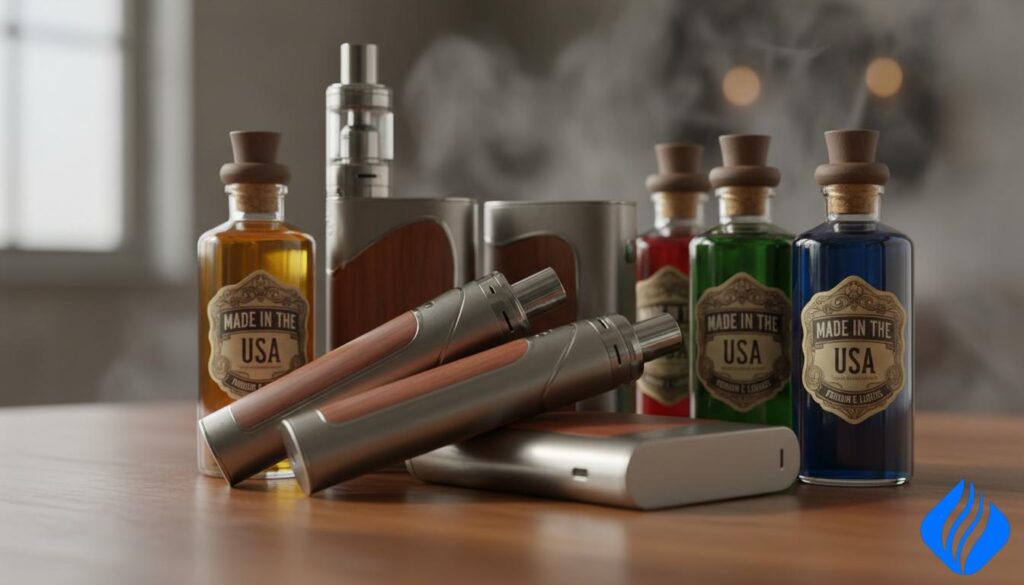
Are Any Vapes Made in the USA? Facts & Reviews
Discover if any vapes are made in the USA. We review top disposable vapes, comparing specs, flavor consistency, and value.
Are Any Vapes Made in the USA? Facts & Reviews Read More »


As the e-cigarette industry continues to grow, ensuring the highest standards of manufacturing and quality control has never been more important. With health concerns, regulatory scrutiny, and increasing consumer demand for reliable products, manufacturers are focusing more on rigorous production processes to guarantee that each device meets industry standards. In this article, we explore the manufacturing process of e-cigarettes and the critical role quality control plays in ensuring safety, performance, and consumer satisfaction.
The production of e-cigarettes involves several stages, from designing the device to the final assembly. Here’s an overview of the typical manufacturing process:
Before manufacturing begins, e-cigarette companies invest heavily in designing their products. This phase includes:
Research and development (R&D) to create innovative features like adjustable airflow, long battery life, and enhanced safety.
Prototyping and testing to ensure the device works as intended before mass production.
E-cigarettes are composed of several parts, each requiring specific manufacturing processes:
Battery production: Lithium-ion batteries are commonly used in e-cigarettes for their high energy density. These batteries are manufactured under strict quality standards to prevent risks such as overheating or explosions.
Atomizer and coil production: The atomizer, or heating element, is typically made from stainless steel, and the coil is usually composed of materials such as Kanthal or stainless steel wire. Precision is crucial during manufacturing to ensure even heating and consistent vapor production.
Tank and casing production: Tanks are often made of glass or durable plastics, while the casing is constructed from metals like aluminum or stainless steel.
Once individual components are manufactured, they are assembled in a clean and controlled environment. This phase includes:
Component assembly: The coils, tanks, batteries, and other parts are put together, often using automated systems to ensure consistency.
Final quality testing: Every e-cigarette undergoes rigorous testing for functionality and safety. Tests may include leak checks, battery performance evaluations, and vapor production assessments.
Quality control (QC) is a critical aspect of e-cigarette production. From raw materials to final assembly, ensuring that each device meets safety and performance standards is essential for consumer trust and regulatory compliance.
The first step in quality control begins with inspecting raw materials such as battery cells, coils, and e-liquid components. The materials are checked for:
Purity: Ensuring that no contaminants are present, especially in the e-liquid ingredients.
Compliance: Verifying that the materials meet both local and international regulatory standards.
Throughout the manufacturing process, quality control procedures are implemented at each stage to ensure consistency. Key in-process checks include:
Soldering and assembly: Ensuring that electrical connections are securely made and that no short circuits exist.
Component fit: Verifying that each part fits properly, reducing the risk of leaks or device malfunctions.
Heating element calibration: Ensuring that coils heat up evenly and do not burn out too quickly.
Once the e-cigarette is assembled, it undergoes multiple rounds of testing to check for performance and safety:
Battery safety tests: Devices are checked for battery overheating, overcharging, and short-circuit protection.
Vapor production tests: Ensuring that the e-cigarette produces the intended amount of vapor and flavor quality.
Leakage testing: Checking the tank and atomizer for leaks, as well as assessing the seal quality.
In addition to in-house quality control, manufacturers must adhere to regional and international regulations governing the production of e-cigarettes. Compliance with these standards ensures the safety of both the consumer and the environment.
In the EU, e-cigarettes must comply with the Tobacco Products Directive (TPD), which sets regulations on:
Maximum nicotine content
Packaging and labeling requirements
Safety and quality control for e-liquids and devices
In the U.S., the FDA regulates the manufacturing, marketing, and distribution of e-cigarettes through the Premarket Tobacco Product Application (PMTA) process, ensuring that products meet safety standards before reaching the market.
Despite rigorous quality control processes, the e-cigarette industry faces several challenges:
Consistency: Ensuring that every device meets the same high standards can be difficult due to variations in raw materials and manufacturing conditions.
Regulatory compliance: Adhering to ever-evolving regulations, especially as governments crack down on vaping, adds complexity to the production process.
Counterfeit products: The rise of counterfeit e-cigarettes can harm brand reputation and pose safety risks, making it essential for legitimate manufacturers to protect their products through secure packaging and authentication measures.
The manufacturing and quality control of e-cigarettes are integral to producing reliable, safe, and high-performing devices. As the industry grows, manufacturers must continuously innovate while ensuring strict compliance with regulations and maintaining the highest quality standards. For consumers, understanding the importance of quality control can help in selecting trustworthy brands that prioritize safety and performance.
Discover if any vapes are made in the USA. We review top disposable vapes, comparing specs, flavor consistency, and value.
Are Any Vapes Made in the USA? Facts & Reviews Read More »
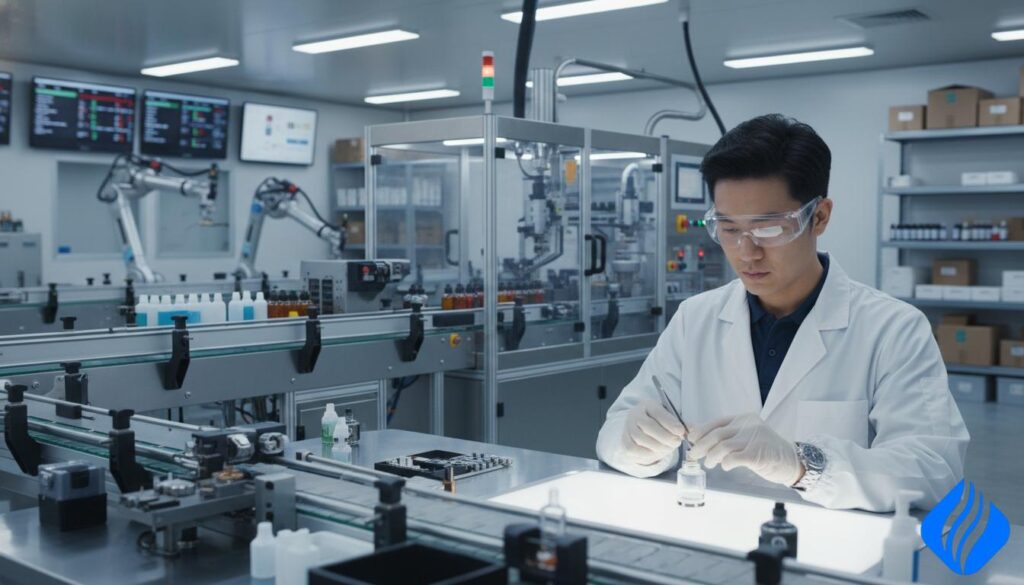
Discover how are vapes made and get guidance on maintaining a compliant vape business, including legal requirements, licenses, and environmentally friendly practices.
Discover How Are Vapes Made: Expert Insights on Compliance Read More »
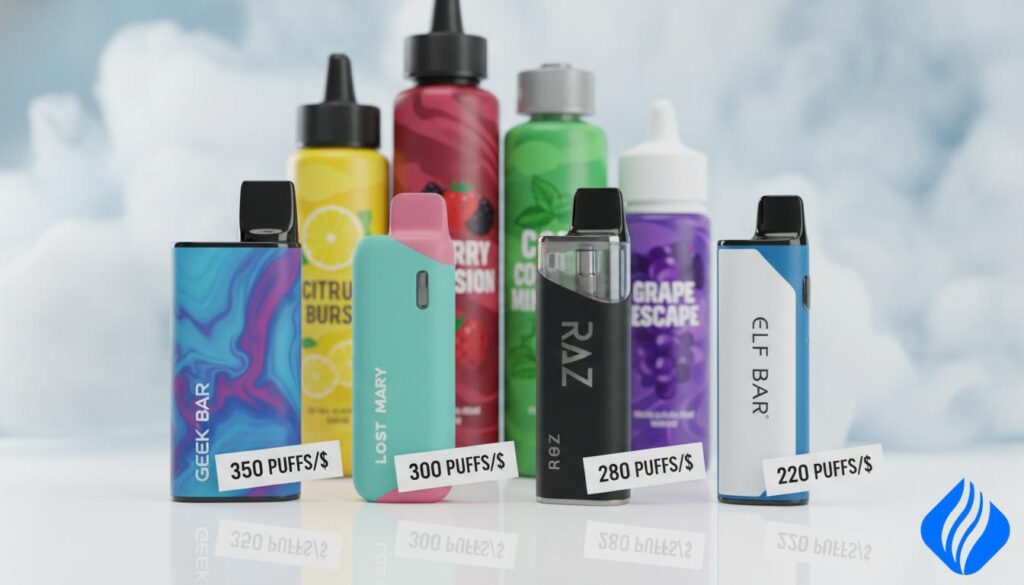
Discover where are Geek Bar vapes made, their specs, and comparison to other disposables in puffs per dollar & flavor consistency.
Where Are Geek Bar Vapes Made: Origin Info Read More »
“Discover if vapes contain sugar and the health implications. Expert insights on vape ingredients and their effects on your health.”
Do Vapes Have Sugar in Them? Expert Insights Read More »

Since their appearance on the market about ten years ago, electronic cigarettes have grown in popularity. These portable electronic devices have been hailed as a safer alternative to traditional cigarettes because they eliminate burning and harmful smoke. Over time, the electronic cigarette industry has seen many changes, both in terms of products and regulations. In
The evolution of the electronic cigarette industry over the years Read More »
 English
  German
  Dutch
Dutch  Danish
  Czech
Czech  Italian
  Slovenian
  French
  Hungarian
  Spanish
  Polish