

Direct answer: No, most commercial e-liquids do not contain table sucrose; however, nicotine can trigger physiological effects such as vasoconstriction that may alter blood glucose control.
As a senior safety consultant at SokVape, this section frames the core question plainly. The phrase “do vapes have sugar in them” refers to whether traditional table sugar appears in formulations or whether sweet taste comes from other compounds.
Typical e-liquid mixes list propylene glycol (PG), vegetable glycerin (VG), nicotine (optional), and flavorings. Sweetness often comes from concentrated flavor chemicals or glycols rather than sucrose, which affects exposure risk and labeling clarity.
Quality control matters: unregulated products may hide additives and raise contamination risk. Readers monitoring glucose should note that nicotine and dehydration from PG can influence blood readings.
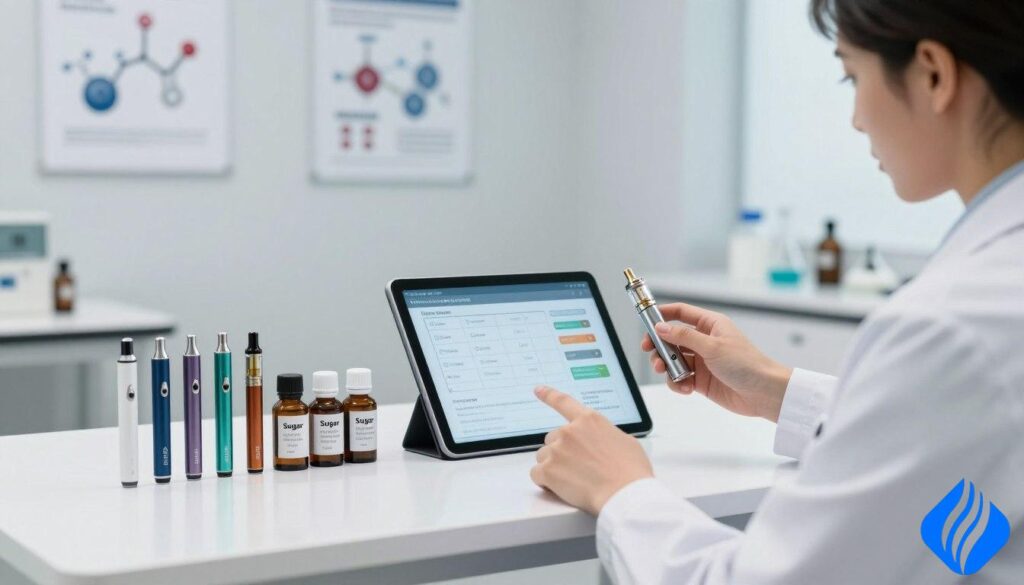
For deeper clinical context and monitoring tips, see guidance on how vaping may affect blood glucose and product safety at blood sugar and vaping and manufacturer quality notes at SokVape.
Key Takeaways
- Most e-liquids use PG, VG, nicotine, and flavorings; sucrose is uncommon.
- Sweet flavor often comes from additives, not table sugar.
- Nicotine can affect blood regulation and should be considered by people with glucose concerns.
- Product authenticity and labeling are important for exposure risk.
- Monitor glucose after use and prefer low-nicotine or verified products for safety.
Key Takeaways
Summary box: Most commercial e-liquids do not contain table sucrose; sweet taste usually comes from vegetable glycerin or concentrated flavor chemistry.
Ingredient note: Perceived sweetness generally arises from VG’s natural sweetness and from flavor compounds rather than added sucrose. Manufacturers sometimes add artificial sweeteners (for example, sucralose) which can accelerate coil residue.
Metabolic bottom line: Nicotine can raise blood sugar and worsen insulin resistance through stress-hormone signaling. Glucose effects can occur even when liquids do not contain sugar; clinical context and timing matter. For clinical background, see a summary of related metabolic studies at nicotine and glucose regulation.
Practical safety points
- Sweetener-heavy liquids increase coil gunking and may alter emissions.
- Choose lab-tested, reputable brands to reduce contaminant risk; consumers often verify quality with vendors such as Geek Bar or Raz for consistency checks.
- Monitor blood sugar levels after use and prefer lower-nicotine formulations if glucose control is a concern.
Quick Reference Table
Below is a fast, clinical snapshot that links sweet taste sources to practical safety points for e-liquids and vape juice.

Sweet taste sources vs. real sucrose
| Component | Is it table sucrose? | Notes |
|---|---|---|
| Vegetable glycerin (VG) | No | Natural sweetness; sugar alcohol base that provides sweetness and vapor volume. |
| Flavor molecules | No | Concentrated aromatics give perceived sweetness without nutritive sugar. |
| Non-nutritive sweeteners | No (not sucrose) | Sucralose, erythritol, ethyl maltol, stevia may be present; affect coil residue. |
Nicotine exposure vs. blood glucose impact
| Nicotine strength & pattern | Potential effect |
|---|---|
| Low dose, infrequent use | Minor, transient glucose change; variability by individual. |
| High dose, frequent use | May complicate glucose stability in nicotine-sensitive individuals. |
Common additives vs. practical safety notes
| Ingredients | Practical safety note |
|---|---|
| PG/VG ratios | May increase throat irritation or vapor volume; label ratios matter. |
| Sweeteners & flavor concentrates | May increase coil residue and affect emissions; verify label transparency. |
| Cooling agents | May mask irritation; review ingredients for respiratory sensitivity. |
“Prioritize reputable manufacturers and verified supply chains for clearer ingredient disclosure.”
Do vapes have sugar in them?
Short answer: The phrase “do vapes have sugar in them” refers to whether table sucrose appears in e-liquid formulas. Thermal chemistry and device design make ordinary table sugar impractical for reliable vapor production.
Why real table sugar is unlikely at vaping temperatures
Sucrose begins to decompose near 149°C. Coils commonly exceed that, so added sucrose would char, foul coils, and produce residue rather than a stable aerosol.
Result: manufacturers avoid sucrose because it accelerates coil degradation and alters emissions.
What “sugar-free” means for e-liquid labeling
“Sugar-free” usually means no table sucrose is present, not that the product lacks a sweet taste or metabolic effects. Nicotine exposure remains a separate factor for glucose regulation.
For product checks on sweet taste and ingredients, consult a detailed guide such as my vape tastes sweet.
How VG-heavy mixes can taste sweet without added sweeteners
Vegetable glycerin (VG) is a sugar alcohol with intrinsic sweetness and thick vapor. High-VG blends (for example, 70/30) often produce a noticeable sweet taste while containing no sucrose.
Practical takeaway: Dessert or candy flavor names reflect aromatic compounds, not table sugar. If a liquid leaves heavy residue or extreme sweetness, undisclosed sweeteners may be present; prefer verified suppliers such as SokVape’s shop for clearer labeling.
What’s actually in vape juice and why it can taste sweet
Vape juice blends fuse a few base solvents and concentrated aromatics that explain most perceived sweetness.
Vegetable glycerin: a mildly sweet sugar alcohol base
Vegetable glycerin (VG) is a sugar alcohol with a naturally sweet mouthfeel. Higher VG ratios make aerosol denser and can amplify perceived sweetness without nutritive sugar.
Propylene glycol as a flavor carrier and throat-hit driver
Propylene glycol (PG) carries flavors and delivers a sharper throat hit. Some vapers report irritation or sensitivity to PG; PG/VG ratios shape the sensory profile and vapor production.
Flavorings and incomplete ingredient lists
Many e-liquids list “natural and artificial flavors” without naming compounds. This limited disclosure reduces a consumer’s ability to assess exposures and inhalation risk.
Common sweeteners and coil effects
Manufacturers may add sucralose, erythritol, ethyl maltol, or stevia to enhance sweetness. Sucralose is very sweet and linked to increased coil residue; erythritol often fouls coils less. Ethyl maltol boosts perceived sweetness; stevia is potent and can leave residue.
Practical safety note: More sweeteners raise coil gunking and may alter aerosol chemistry over time. Lab-tested, transparent sourcing reduces avoidable risk for vapers.
“Prioritize reputable manufacturers and verified testing to limit exposure to undisclosed additives.”
Can vaping raise blood sugar even if there’s no sugar?
Nicotine stimulates the sympathetic nervous system, which can alter circulating glucose. This happens because nicotine raises adrenaline and cortisol, hormones that tell the liver to release stored glucose.
Why this matters: the rise in blood sugar levels is an endocrine response to nicotine, not a dietary carbohydrate effect. That means glucose can climb even when the aerosol lacks nutritive sweeteners.
Insulin resistance and prolonged elevation
Nicotine can reduce insulin sensitivity at the tissue level. Less responsive tissues clear glucose more slowly, so levels stay higher for longer.
What changes the spike
The magnitude depends on nicotine strength, frequency of use, and baseline metabolism. Higher concentration and repeated sessions increase the likelihood of a noticeable rise.
Hydration and PG/VG effects
PG and VG can cause dry mouth and mild fluid loss. Dehydration can concentrate glucose and complicate stability, especially in people with pre-existing metabolic issues.
Practical note: a brief session may cause only a small change for some, while others—particularly those with insulin resistance—may see larger shifts. Consider monitoring blood sugar levels after use and discuss findings with a clinician.
Blood sugar tests, A1C, and diabetes management considerations
Clinicians and patients often ask whether recent nicotine use can skew laboratory glucose results.
Does nicotine use affect blood sugar test results?
Short answer: Yes. Nicotine can temporarily raise blood sugar and may produce higher fasting readings if used shortly before a lab draw.
What to avoid before labs: minimizing nicotine-driven false elevations
Avoid nicotine for several hours before fasting labs when possible. Tell the clinician about recent use so results are interpreted in context.
Practical US guidance: skip nicotine for the morning of a fasting panel, remain hydrated, and keep test conditions consistent across visits to track true trends over time.
Why circulation and neuropathy symptoms may worsen
Nicotine causes vasoconstriction, which reduces peripheral blood flow. Reduced circulation can worsen foot discomfort, slow tissue healing, and amplify neuropathy symptoms for people with diabetes.
- Testing note: A1C reflects average glucose over months, but frequent spikes from regular nicotine use can still complicate management.
- Product safety: higher-nicotine options and frequent use are more likely to impact blood sugar variability than occasional low-nicotine use.
- Monitoring: consider checking glucose around use, prioritize hydration, and discuss nicotine reduction or cessation with a healthcare professional as an option.
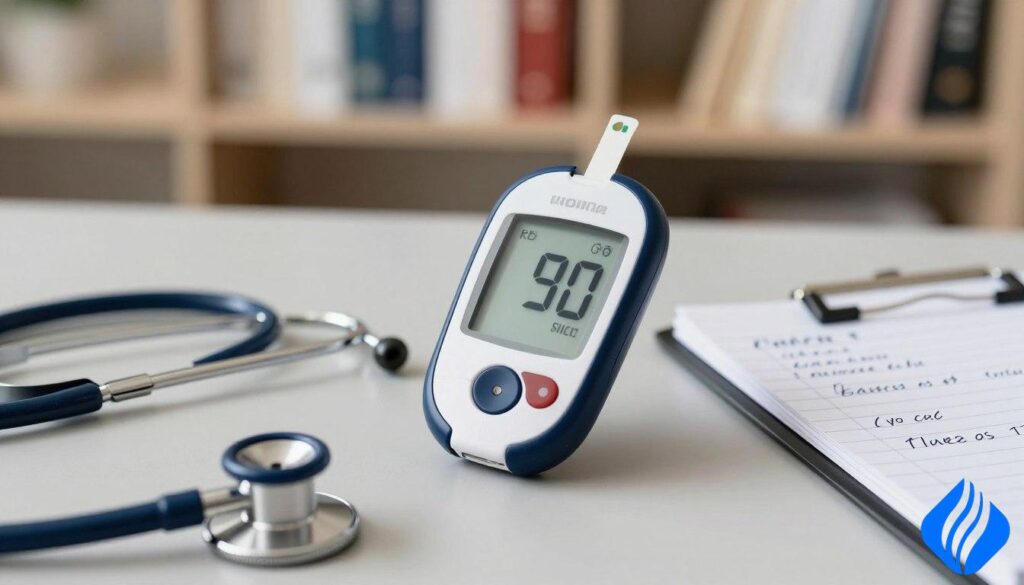
“Avoid nicotine before fasting labs and disclose use to your clinician to ensure accurate interpretation.”
Conclusion
To conclude, most commercial e-liquids lack table sucrose; perceived sweetness typically comes from VG, concentrated flavor chemistry, or added sweetener agents such as sucralose.
Clinical point: nicotine—not nutritive sugar—is the primary mechanism by which vaping can raise blood glucose and worsen insulin resistance. Monitor blood levels if you have diabetes or metabolic risk.
Sweetener-heavy liquids (notably sucralose) speed coil residue buildup and may change exposure consistency. For harm reduction, consider lowering nicotine strength, reducing session frequency, and choosing simpler formulations.
Vaping is often used as an alternative to smoking or cigarettes, but less harmful does not mean harmless. Prefer reputable, lab-tested brands and authorized vendors such as Geek Bar or Raz to reduce counterfeit risk.
Medical Disclaimer: This content is informational only and not medical advice. Consult a clinician for personalized guidance about nicotine, blood glucose, and product choices.
 English
  German
  Dutch
Dutch  Danish
  Czech
Czech  Italian
  Slovenian
  French
  Hungarian
  Spanish
  Polish