

Direct Answer: Evidence generally shows smoking has greater long-term harm, but vaping is not safe and can still cause nicotine dependence and vascular effects such as vasoconstriction.
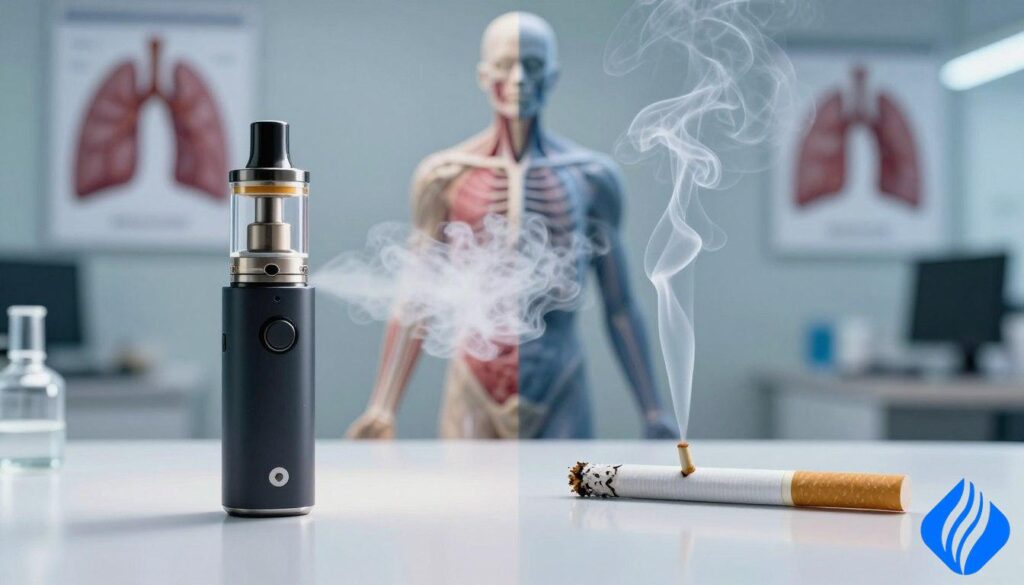
SokVape presents a clinical, harm-reduction view for health-conscious adults in the United States. This comparison article frames the central question—what’s worse vapes or cigarettes—by separating “less harmful than” from “safe.”
Combustion in cigarettes produces smoke and thousands of toxicants. E-cigarette devices heat e-liquid to form an aerosol; chemistry changes with delivery method. Long-term vaping outcomes are still being studied, so conclusions rely on mechanisms and short-term data.
We will set clear rules for comparison (combustion vs aerosol, toxicant load, dependence, lungs/cancer/cardiovascular outcomes). Quality assurance and counterfeit avoidance are key safety themes; readers seeking reliable product information can review guidance at SokVape.
Key Takeaways
- Cigarette smoking has the strongest long-term outcome data and remains a leading preventable cause of death.
- Vaping reduces some combustion toxicants but still delivers nicotine and inhaled chemicals.
- “Less harmful” is not the same as safe; risk depends on exposure, duration, and vulnerability.
- Comparisons focus on combustion vs aerosol, toxicant profiles, and likely health outcomes.
- Quality control and avoiding counterfeit products reduce avoidable risks.
- Vapes can be used more often in day-to-day life, raising total exposure even if per-puff emissions are lower.
Key Takeaways
Epidemiologic evidence ranks combustible tobacco as the leading preventable killer in the U.S.
- Smoking is the most studied and most harmful nicotine delivery method: linked to >480,000 deaths/year in the United States and drives the majority of lung cancer and COPD mortality. Secondhand smoke contains >7,000 chemicals and ~70 known carcinogens.
- Vaping reduces many combustion byproducts but is not safe: e-cigarettes aerosol can contain nicotine, flavorings, VOCs, metals, and carbonyls. Acute outbreak data included ~2,800 EVALI cases with 68 deaths (CDC, early 2020), largely tied to illicit THC products.
- Exposure intensity matters: frequency, all-day access, chain use, and high-nicotine salts can raise total dose and increase cardiovascular and dependence-related effects.
- High-risk groups: teens (developing brain), pregnant people (fetal risks), children, and anyone with heart or lung disease face higher complications.
Safety note: New respiratory symptoms after vaping—especially with black‑market products—require urgent evaluation due to EVALI history and overlap with infection.
Quick Reference Table: Vaping vs. Smoking at a Glance
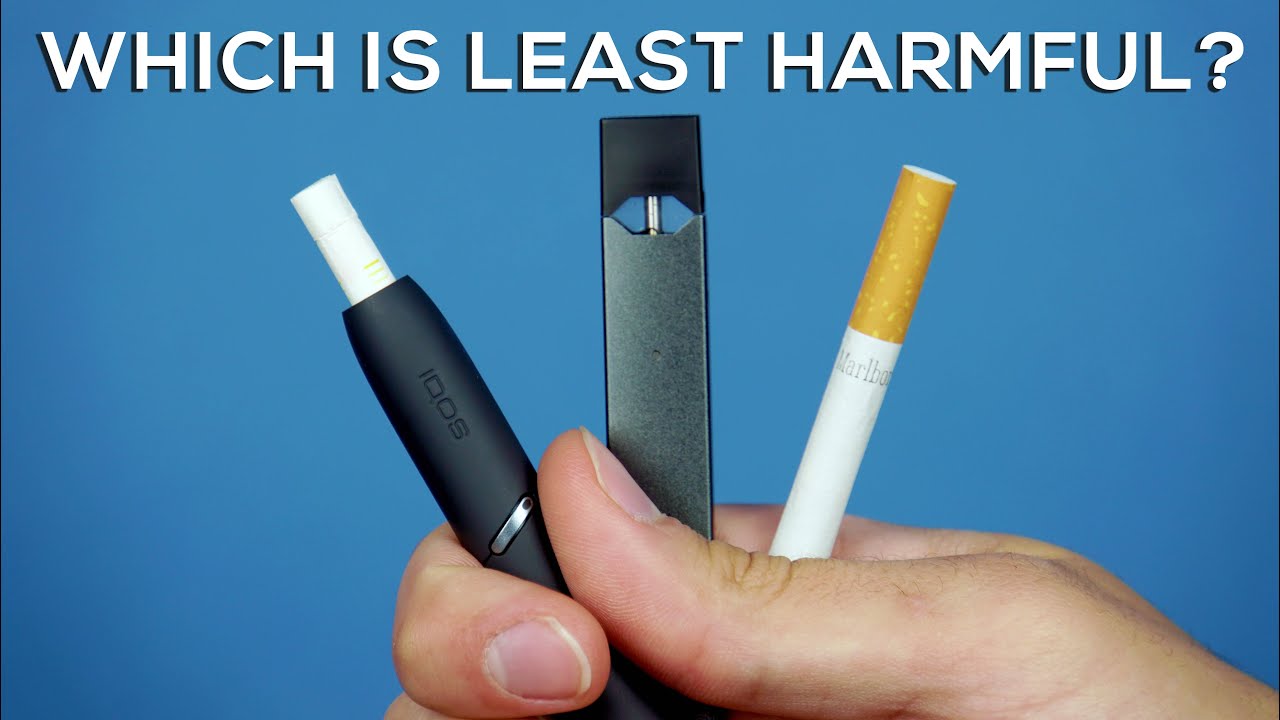
Use this compact guide as a rapid safety reference. It highlights delivery, inhaled content, chemical burden, nicotine dose control, secondhand smoke exposure, user behavior, and the outcomes we understand best.
| Vapes | Cigarettes | |
|---|---|---|
| Delivery method | Heated coil aerosolization of e-liquid. | Combustion of tobacco paper and leaf. |
| What you inhale | An aerosol of PG/VG, nicotine, flavors and thermal degradation products; fine particles can reach deep lung. | Smoke with tar, combustion byproducts, particulates, and heat‑formed toxicants. |
| Typical chemical burden | Variable, device- and liquid-dependent; identifiable chemicals but inconsistent profiles. | Well-documented mix of >7,000 chemicals, including many known carcinogens. |
| Nicotine dosing control | High variability; “always‑on” devices enable frequent dosing and higher total dose nicotine across a day. | Pack-based endpoint gives a discrete unit per cigarette, which limits single-session dose nicotine. |
| Secondhand exposure | Aerosol can contain nicotine and small particles; bystander exposure varies with ventilation and device. | Secondhand smoke contains a broad chemical load and known toxicants harmful to bystanders. |
| User behavior & habit | Intermittent, all‑day use is common; this changes cumulative exposure patterns and habit reinforcement. | Smokers often have discrete sessions with clearer start/stop points, yielding different exposure timing. |
| What we know with highest confidence | Emerging respiratory and cardiovascular signals; less long-term outcome certainty. | Established links to cancer, COPD, and heart disease with strong epidemiologic evidence. |
How to use this table: Treat it as a quick safety snapshot, not permission to increase use. Focus on dose control, product quality, and limiting continuous aerosol exposure to reduce avoidable risk.
What’s worse vapes or cigarettes for your lungs and cancer risk?
Direct answer: Smoking causes the clearest and largest burden of lung cancer and COPD, while e‑cigarette aerosol still produces meaningful lung injury and respiratory harm that should not be dismissed.
Why tobacco smoke drives lung cancer and COPD
Tobacco combustion deposits tar and many proven carcinogens in airways and alveoli. This leads to DNA damage, impaired cilia clearance, mucus overproduction, and chronic inflammation. Over years these changes promote tumor formation and airway remodeling that underlie COPD.
How aerosol inhalation can still harm the lungs
E‑cigarette aerosols carry fine particles, irritants, and reactive chemicals. Particle deposition and oxidative stress can trigger airway reactivity, wheeze, and weakened immune responses in the pulmonary lining.
What the data shows so far
Large epidemiologic evidence links smoking to ~90% of lung cancer deaths and ~80% of COPD deaths. Emerging cohort and clinical research reports associations between e‑cigarette use and increased respiratory symptoms and pulmonary disease signals, but long-term cancer data remain limited.
Safety note: Seek urgent care for chest tightness, significant shortness of breath, persistent cough, fever, or sudden fatigue—especially after using informal or modified products.
How cigarettes and e-cigarettes work in the body
How a product is heated or burned determines the chemical debris that reaches the body. Combustion drives high-temperature breakdown and incomplete burning, creating many new toxicants. Heated-coil aerosolization vaporizes e-liquid into an aerosol with different irritants and reactive carbonyls.
Combustion chemistry vs. heated-coil aerosolization
Burning plant material causes thermal decomposition and produces tar, polycyclic aromatic hydrocarbons, and numerous combustion products. By contrast, metal coils heat propylene glycol and vegetable glycerin to form an aerosol that can still contain metals, VOCs, and carbonyl compounds.
Nicotine pharmacology and reinforcement
Nicotine is rapidly absorbed from the lungs into the bloodstream and reaches the brain within seconds. This fast delivery produces strong reinforcement, leading to repeated dosing, dependence, and withdrawal cycles that drive continued use.
Cardiovascular mechanism
Nicotine activates the sympathetic nervous system. That causes increases in heart rate and blood pressure. People with hypertension, arrhythmia, coronary disease, or stroke risk factors may face higher harms from the same exposure.
No smoke does not mean no exposure
Fine and ultrafine aerosol particles penetrate to the alveoli and cross into circulation. Deep-lung deposition increases systemic inflammatory signaling and can affect organs beyond the lungs.
“Dose, frequency, and pattern of use determine physiological strain more than product label alone.”
- Takeaway: Risk depends on product type and use pattern — frequent small nicotine spikes can sustain near-continuous receptor stimulation and deepen dependence.
What chemicals are in vapes vs. cigarettes?
The mix of compounds a person inhales depends on whether tobacco burns or a liquid is heated.
Cigarette smoke toxicants
Cigarette smoke is a complex combustion mixture with more than 7,000 identified chemicals and roughly 70 known carcinogens. These high‑temperature reactions form many stable and reactive toxicants that deposit in the airways.
PG/VG explained
Most e‑liquids use propylene glycol (PG) and vegetable glycerin (VG) as bases. When heated, PG and VG form an aerosol that can carry nicotine and flavors.
At high coil temperatures, thermal breakdown can produce carbonyls and other irritating chemicals. Note: ingestion safety labels do not guarantee inhalation safety.
Flavorings and diacetyl
Some flavor agents, such as diacetyl, are safe to eat but can harm lung tissue when inhaled. Occupational studies show inhaled diacetyl can link to small‑airway injury.
Metals, VOCs, and carbonyls
Coil materials and heating can mobilize heavy metals and generate VOCs and carbonyls. Analytical work, including a Johns Hopkins analysis, reported many compounds in aerosols and noted that e‑cigarettes contain substances not always listed on labels.
Why product variability matters
Manufacturing differences and counterfeit products create inconsistent formulations. A study found nearly 2,000 chemicals across devices, with some unidentifiable peaks. This variability increases uncertainty and may raise the risk developing chronic airway symptoms.
Takeaway: Reducing certain chemical exposures is not the same as cessation. Ongoing nicotine use can sustain repeated inhalation of unknown compounds.
| Chemical class | Typical source | Potential concern |
|---|---|---|
| Combustion carcinogens | Tobacco burning | Long‑term cancer and COPD risk |
| Carbonyls (formaldehyde, acetaldehyde) | Overheated PG/VG, dry coils | Airway irritation, oxidative stress |
| Flavoring agents (diacetyl) | Added flavorings | Small‑airway disease risk with inhalation |
| Metals & VOCs | Coils, device leaching | Inflammation, systemic exposure |
For a review of health signals linked to aerosol exposure, see the health effects of e-cigarettes. To reduce avoidable variability when choosing products, prefer verified, quality-controlled options like those listed at quality products.
Is vaping safer than smoking for quitting smoking?
Direct answer: For some adult smokers, fully switching from smoking cigarettes to exclusive, daily e-cigarette use may increase odds to quit smoking and reduce exposure to combustion toxicants, but this is not a guaranteed or risk-free pathway.

Why daily substitution differs from occasional use
Analyses, including PATH data, show higher cessation among daily users in one study (about 28% quit vs 5.8% for non-users). Daily, consistent substitution can satisfy ritual cues and steady nicotine delivery, which lowers relapse risk.
By contrast, non-daily use often adds nicotine to existing tobacco habits. That pattern of smoking vaping together, called dual use, tends to preserve exposure and delay full cessation.
Regulatory and clinical framing
Regulators note evidence is mixed. The FDA has authorized marketing for certain products but has not broadly endorsed e-cigarette devices as universal smoking cessation tools. The CDC describes available data as insufficient to call vaping a definitive quit aid.
Safer clinical off-ramps
First-line options: FDA-approved nicotine replacement (patch, gum, lozenge) and prescription medications, combined with behavioral counseling, remain proven smoking cessation supports.
If an adult elects an e-cigarette as a step, set a time-limited plan to stop tobacco completely, then taper nicotine to zero. Teens, pregnant people, and non-smokers should not start nicotine products; clinical guidance is recommended for those with heart or lung disease.
Safety and quality assurance: reducing risk if you use nicotine anyway
Quality control and product origin shape much of the avoidable harm when people use nicotine devices.
Risk reduction, not risk elimination, is the goal. The safest choice remains stopping nicotine use. For people who continue, choosing verified products and limiting exposure can lower preventable harms.
Counterfeits and black-market risks
Unknown formulations increase the chance of contaminants and inconsistent nicotine delivery. Illicit supplies have been linked to severe lung injury outbreaks, particularly when THC adulterants were present.
Brand authenticity and controls
Provenance means sealed packaging, batch codes, and reputable retail channels. Established manufacturers such as Geek Bar and Raz use standardized processes that tend to reduce chemical variability compared with untraceable products.
Note: This does not make any product safe; it lowers avoidable variability.
Behavioral dose control
Exposure over time drives many physiological effects. Practical tactics include:
- Set a daily nicotine ceiling and track puffs or sessions.
- Avoid chain vaping and long, repeated sessions that raise cumulative dose.
- Create friction: scheduled breaks, leaving devices at home, or using set-use windows to prevent all‑day habit formation.
Red flags that warrant medical care
Seek prompt evaluation for chest pain, shortness of breath, persistent cough, fever, or sudden fatigue—especially after new products or heavy use.
“If symptoms escalate quickly, treat them as potentially serious and seek immediate care.”
Follow local indoor air rules and use designated areas to reduce involuntary exposure to other people, particularly children and those with lung disease. For more comparative health context, see this review on vaping versus smoking.
| Risk area | What increases risk | What reduces risk |
|---|---|---|
| Product contamination | Black‑market liquids, DIY mixes | Factory-sealed products, verified batch codes |
| Dosing variability | High-nicotine salts, chain use, always‑on devices | Daily ceiling, puff tracking, scheduled breaks |
| Acute lung injury | Illicit THC additives, unknown solvents | Avoid informal supply; seek medical care for red flags |
Conclusion
Clinical conclusion: On balance, decades of evidence show smoked tobacco causes the largest, most consistent burden of cancer, COPD, and cardiovascular disease, while heated nicotine products may reduce some combustion exposures but are not risk-free.
Why this matters: Combustion forms tar and broad carcinogens; aerosolized liquids deliver nicotine plus irritant particles and variable chemicals that can affect lungs and the cardiovascular system.
Practical guidance for smokers: aim for complete cessation, prefer FDA‑approved NRT, prescription therapies and counseling, and if an adult uses an e‑product as a transition, avoid dual use and set a clear taper plan.
High‑risk groups—teens, pregnant people, and anyone with heart or lung disease—should avoid nicotine exposure and seek clinician guidance. For an evidence-focused review, see Is vaping safer than smoking.
Medical Disclaimer: This content is educational only and not medical advice. Consult a licensed healthcare professional for personalized care, especially with chest pain, breathing difficulty, persistent cough, fever, sudden fatigue, pregnancy concerns, or underlying heart/lung disease. In an emergency, call 911 or seek immediate care.
 English
  German
  Dutch
Dutch  Danish
  Czech
Czech  Italian
  Slovenian
  French
  Hungarian
  Spanish
  Polish