

Question: Do common e-cigarette products meet plant-based ethical standards and pose separate inhalation risks?
Direct Answer: Most basic e-liquids use plant-derived vegetable glycerin (VG) and generally vegan propylene glycol (PG), but flavorings and accessory materials create uncertainty—ingredient transparency is the key clinical concern.
I speak as a senior safety consultant at SokVape. This guide separates sourcing ethics from medical risk. “Vegan” status relates to sourcing and testing. Inhalation exposure affects airway lining and can cause airway irritation; unknown additives raise both safety and ethical flags.
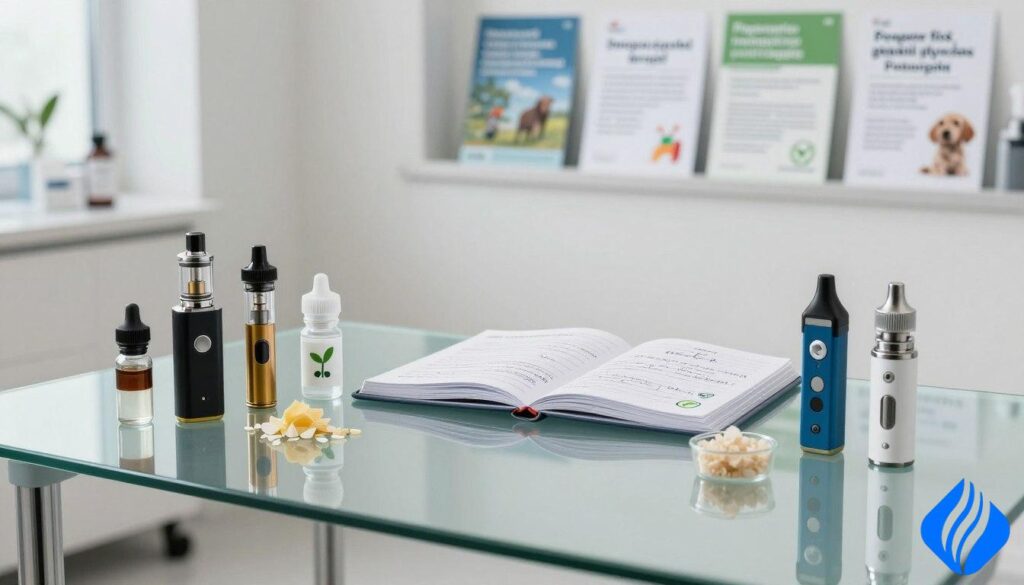
The scope covers disposable devices, refillable kits, bottled e-liquid, pods, and accessories that may use animal-derived materials like leather wraps. Readers in the United States should favor clear brand disclosures and avoid opaque supply chains.
For a deeper certification checklist and practical shopping steps, see this vegan guide.
Key Takeaways
- PG and VG are usually plant-based; flavorings are the largest source of uncertainty.
- Ingredient transparency matters clinically because inhaled aerosols contact airway tissue directly.
- Scope includes disposables, refillables, bottled e-liquids, pods, and accessories.
- US shoppers should verify brand disclosures and avoid counterfeit supply chains.
- Health focus: nicotine dependence and airway irritation mechanisms will be explained later.
Key Takeaways for Vegans Who Vape
Summary box: Quick actions for a shopper who wants clear ethical signals in under a minute.
This section isolates packaging cues and ethical issues so a buyer can act fast. Base liquids (PG/VG) and pharmaceutical-grade nicotine are generally considered plant or synthetic in origin. The main uncertainty is in flavourings and supplier testing policies.
Practical checks
- Look for a full ingredient list beyond “PG/VG/flavors,” batch/lot numbers, and QR-linked lab reports.
- Seek explicit cruelty-free or tested animals disclosures; animal testing is an independent ethical filter.
- Confirm manufacturer contact details and certificate claims; use SokVape quality guidance for brand checks: SokVape quality guidance.
| Item | Vegan-likelihood | Consumer action |
|---|---|---|
| PG / VG | High | Check source statement |
| Nicotine | High (plant or synthetic) | Request pharma-grade declaration |
| Flavourings | Variable | Ask about animal-derived carriers and supplier vegan declarations |
| Additives / colorants | Low–variable | Request detailed ingredient breakdown and lab reports |
Note: Vegan status does not equal safe. Inhaled aerosol can irritate mucosa, and nicotine remains addictive. Prepare these questions for brands: do flavourings contain animal-derived carriers, can suppliers provide a products vegan declaration, and what is the company’s policy on animal testing?
Quick Reference Table: Ingredient Risk and Vegan-Likelihood at a Glance
This compact guide links common ingredients to typical sources, vegan-likelihood, and simple verification steps for U.S. buyers.

| Ingredient / Component | Typical Source | Vegan-Likelihood | Why It’s Used | Common Sensitivities / Safety Notes | Verification Tip |
|---|---|---|---|---|---|
| Propylene glycol (PG) | Synthetic industrial production | High | Thins liquid; carries flavor | Throat irritation; allergic reactions in a minority | Request supplier source statement or batch COA |
| Vegetable glycerin (VG) | Plant oils (soy, palm, coconut) | High (typically plant-derived) | Produces vapor; sweetens slightly | May cause thicker residue; sensitivity in some users | Ask for “vegetable” sourcing or supplier documentation |
| Nicotine | Tobacco extraction or synthetic | Variable (plant or synthetic) | Addictive stimulant; dose control | Addiction risk; standard impurity concerns | Prefer “pharmaceutical-grade” declaration and supplier COA |
| Flavourings | Natural/artificial blends; complex suppliers | Variable — main uncertainty | Creates taste profile | Undisclosed sub-ingredients may cause reactions | Request full flavor breakdown and supplier vegan/animal-testing policy |
Red-flag additives to watch for: flavor carriers or solvents that may contain trace animal ingredients, sweeteners with animal origins, and colorants such as carmine (insect-derived).
Clinical note: Unknown or counterfeit liquids increase both ingredient uncertainty and safety risk. Verification of supply chain reduces ethical and health concerns.
For practical shopping, check brand disclosures and lab reports. If a manufacturer cannot confirm composition or testing, treat the product as unverifiable.
For verified product options and quality checks, consult a curated retailer with transparent sourcing: premium selection and quality guidance.
What’s Actually in Vape Products and Why It Matters
A clear look at core components explains why some additives raise more concern than others.
Propylene glycol (PG) and its role
Propylene glycol is a solvent and flavor carrier that enhances “throat hit.” It is generally considered vegan in source. PG is hygroscopic; it can pull moisture from mucosal surfaces and cause dryness or throat irritation in sensitive users.
Vegetable glycerin (VG) and vapor production
Vegetable glycerin is derived from plant oils such as soy, palm, or coconut. It creates denser aerosol and a smoother inhale. Supply chains vary, so strict buyers should verify source statements when confirming plant-derived claims.
Nicotine: tobacco-derived vs. synthetic
Nicotine may come from tobacco extraction or be made synthetically. Pharmaceutical-grade labels indicate tighter impurity controls but do not change dependence risk. Source matters for verification, not for addiction potential.
Flavourings and diacetyl risks
Flavorings are the main uncertainty for animal-derived ingredients. Labels often say “natural/artificial” without breakdown. Some buttery compounds, like diacetyl, pose greater risk when inhaled because aerosols contact airway epithelium directly and can trigger inflammatory pathways.
Practical tip: Prefer manufacturers with published testing policies, diketone avoidance lists, and batch certificates to reduce both ethical and respiratory uncertainty.
Are vapes vegan? The Practical Answer for Most Shoppers
Base ingredients commonly align with plant-based expectations; the key issues lie elsewhere.
When is a product generally considered plant-friendly — and when does that change?
Likely yes for core liquids: PG, VG, and pharmaceutical nicotine are typically plant-derived or synthetic. This means many products will be suitable vegans in base composition.
Exceptions change the answer: undisclosed flavor sub-ingredients, colorants like carmine, or unclear glycerin/nicotine sourcing. These factors can shift a product from acceptable to non-compliant for strict buyers.
Do any products contain animal-derived ingredients?
Uncommon in core bases but possible in flavourings and additives. Honey, dairy derivatives, shellac-type glazes, or insect-derived colorants can be present in complex flavor systems.
Is a product vegan if ingredients weren’t animal-derived but were tested on animals?
Strict cruelty-free means no animal testing across the ingredient supply chain. Historical testing may be acceptable to some, while others require current supplier declarations that no tested animals were used.
How to verify “vegan vape” claims when flavourings are proprietary
- Check label claims and third-party certifications.
- Request a supplier statement or written QA on flavor composition and animal testing.
- Ask for batch COAs and company testing policies; treat non-disclosure as a risk signal.

Practical note: Proprietary formulations are common; certification or direct documentation is required to trust a vegan claim.
| Verification Step | What to Request | Why It Matters |
|---|---|---|
| Label / Certification | Vegan, cruelty-free logos; ingredient list | Quick public indicator of policy and transparency |
| Supplier Declaration | Written flavor supplier statement and COA | Confirms absence of animal-derived ingredients and impurities |
| Animal Testing Policy | Company QA on current testing and historical records | Ensures compliance with cruelty-free standards |
For related absorption and delivery issues, see a practical guide on alternative formats: vaping CBD for quicker absorption.
How to Choose Vegan-Friendly Vaping Products in the United States
Choosing ethically aligned vaping products in the United States begins with third-party proof and direct supplier answers. Look for recognized seals such as the Vegan Society Trademark, Leaping Bunny, and PETA-Approved Vegan. These certifications add meaningful verification when flavour lists are proprietary.
Questions to ask brands
- Supplier declarations: Do flavour suppliers provide written vegan or animal-testing statements?
- Testing policy: Does the company have a current cruelty-free policy and batch COAs for e-liquids?
- Label updates: Will ingredient changes trigger updated labeling and public notice?
Why choose established brands
Top-tier companies often deliver better traceability and manufacturing controls. Brands such as Geek Bar and Raz typically publish QA details and anti-counterfeit measures. That reduces both ethical uncertainty and safety risk compared with unknown sources.
Anti-counterfeit steps and safety link
Buy from authorized retailers, verify authenticity codes, check lot numbers, and avoid suspiciously low prices. Counterfeit devices and mystery e-liquids can hide undisclosed ingredients and contaminants, undermining both ethical claims and airway safety.
Practical note: Certification helps, but documentation and company responsiveness are the real tools for reducing uncertainty.
| Verification | What to Request | Why It Matters | Action for U.S. Buyers |
|---|---|---|---|
| Certification | Vegan Society, Leaping Bunny, PETA | Third-party audit of claims | Prefer certified products or request proof |
| Supplier info | Flavor supplier declaration, COA | Confirms ingredients used and testing | Ask companies for written statements |
| Authenticity | Retail authorization, lot codes | Prevents counterfeit risk | Buy from verified U.S. sellers; inspect packaging |
Devices, Materials, and Waste: The Overlooked Vegan and Ethics Checklist
Material choices and end-of-life handling shape the ethical footprint of any device a consumer buys.
Most devices use stainless steel, glass, plastics, and rubber. These parts are usually not derived from animals.
Exception: some accessories include genuine leather wraps or animal-based adhesives. Strict buyers should check accessory specs before purchase.
Trace concerns and packaging
Packaging inks, adhesives, and trace cross-contact in manufacture can conflict with strict ethical rules.
Manufacturers rarely publish this detail. Prioritize brands that will answer specific questions about materials and supply chain contact.
Environmental impact and practical steps
Disposable products drive battery and plastic waste and raise ethical and environmental issues.
Practical actions: prefer refillable models, use manufacturer take-back programs, and follow local battery disposal rules to reduce harm.
Travel and venue reality check
For 2026 TSA rules: e-cigarettes and devices with lithium batteries must stay in carry-on baggage, be protected from activation, and e-liquids follow standard carry-on liquid limits.
Major venues such as Disney restrict use to designated smoking areas and enforce policies. Check venue maps and posted rules before arrival.
Clinical note: Replacing smoking with vaping may lower some combustion-related exposures, but inhaled aerosol still carries risk. Ethical choices include both product sourcing and responsible disposal.
| Issue | Concern | Action |
|---|---|---|
| Device materials | Leather trims, animal-derived adhesives | Request material list for accessories |
| Packaging traces | Inks, glues, cross-contact | Ask brands about packaging suppliers and testing |
| Waste | Disposable battery/plastic burden | Choose refillable products; use recycling/take-back |
| Travel & venues | Carry rules and designated-use limits | Place device in carry-on; follow venue policy |
Health Impact: What Vegan Vapers Should Know About Inhalation Risk
Inhaled aerosols contact the airway directly, so plant-based ingredients do not guarantee respiratory safety.
Why plant-based labels don’t equal safety
The why: airway lining is thin and reactive. Particles and volatile compounds land on mucosa and can trigger inflammation even when sources are plant-derived or synthetic.
Repeated exposure may increase cough, throat discomfort, and wheeze in sensitive people. Those with asthma or COPD should be cautious and consult a clinician before continued use.
Propylene glycol, vegetable glycerin, and symptoms
Propylene glycol draws moisture from surfaces. That hygroscopic effect can cause throat dryness and a sharp “throat hit” for some users.
Vegetable glycerin makes denser aerosol and a smoother inhale but can still deposit residues and irritate airways in susceptible users.
Flavors and flavourings may boost perceived irritation; undisclosed components add uncertainty and raise the chance of a reaction.
Nicotine dependence and delivery differences
Nicotine absorbs quickly via the lungs, which reinforces use. Rapid delivery creates stronger habit learning than many non-inhaled formats.
Tolerance builds and withdrawal drives continued use. Even without combustion, addiction risk remains and clinical support helps those who want to stop.
Clinical note: vaping may lower exposure to some smoke toxicants compared with tobacco smoking but still exposes lungs to chemicals and maintains nicotine dependence.
Practical risk-reduction steps for U.S. adults:
- Limit chain use and allow airways to recover between sessions.
- Prefer reputable products with transparent QA and batch COAs.
- Consider lower nicotine strength and avoid heavy flavoring if irritation occurs.
- Seek medical advice for new or worsening respiratory symptoms and for quitting support.
| Concern | Mechanism | Action |
|---|---|---|
| Mucosal drying | Hygroscopic solvents (propylene glycol) | Reduce PG ratio; hydrate; pause use if severe |
| Particle deposition | VG-rich aerosol deposits on airway surfaces | Try lower-VG blends; monitor symptoms |
| Unknown flavour constituents | Undisclosed chemicals may irritate or sensitize | Choose transparent brands; request flavor breakdown |
| Nicotine dependence | Rapid pulmonary absorption reinforces use | Step-down nicotine; seek counseling or cessation aids |
Conclusion
Summing up: transparency and traceability decide whether a given product fits strict ethical standards.
Most base components in common e-liquids are generally considered plant-derived, but flavor systems, accessory materials, and animal testing create real uncertainty for strict vegans and conscientious buyers.
Verification matters: prefer certification, request written supplier statements, and buy from traceable retailers. Treat counterfeit avoidance as both an ethical and safety step; unknown formulations invalidate animal-free assumptions and raise exposure risk.
What to do next: audit current products, contact brands with specific questions, switch to reputable manufacturers when in doubt, and seek cessation support if nicotine-free is the goal.
vegan vape overview • SokVape quality guidance
Medical Disclaimer: This content is for general educational purposes only and does not constitute medical advice, diagnosis, or treatment. Vaping products are not risk-free and may expose users to respiratory irritants and addictive nicotine. Individuals who are pregnant, have heart or lung disease (including asthma or COPD), are sensitive to PG/VG, or are experiencing symptoms (e.g., chest tightness, persistent cough, shortness of breath) should seek individualized guidance from a licensed healthcare professional. In emergencies, call 911 or local emergency services.
 English
  German
  Dutch
Dutch  Danish
  Czech
Czech  Italian
  Slovenian
  French
  Hungarian
  Spanish
  Polish