

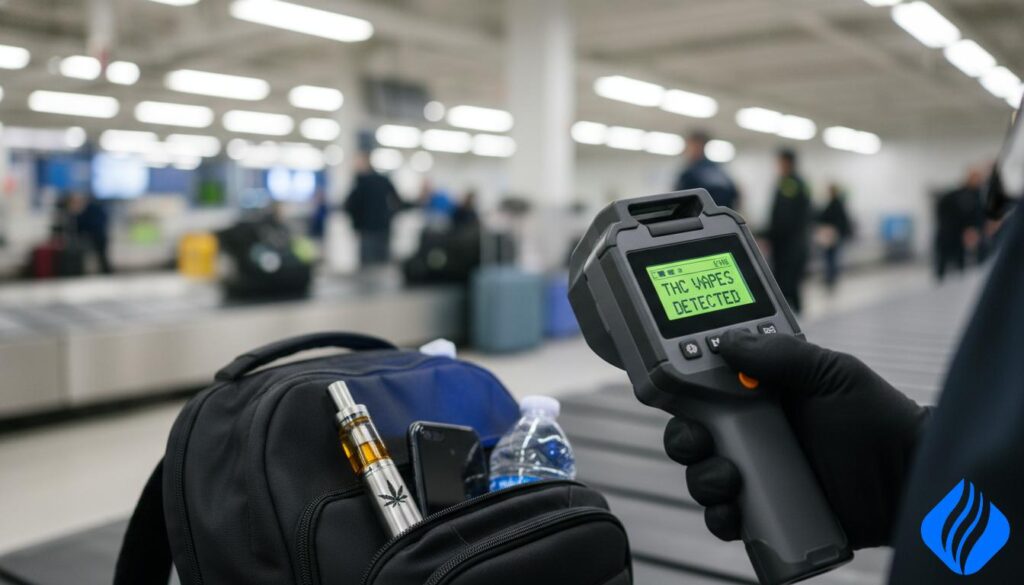
THC metabolites can stay in urine for up to 30 days, depending on how often you vape. THC vapes can be found by standard workplace drug tests. Many people believe vaping hides THC better than smoking. But, the body changes THC into thc-cooh metabolites that tests can detect.
This guide aims to explain why vaping can lead to positive test results. Our team is all about safe use, reducing harm, and clear facts. We want you to understand thc-cooh metabolites and how they affect detection times.
Key Takeaways
- THC can appear in test results for up to a month.
- Vaping releases thc-cooh metabolites that are traceable.
- Standard drug tests can detect these byproducts in urine, blood, saliva, and hair.
- Vaporization technology does not eliminate THC’s footprint.
- We encourage a thorough understanding of detection windows for peace of mind.
- Steady metabolism, body composition, and frequency of use affect results.
Immediate Answer: Are THC Vapes Detected by Standard Drug Tests?
Yes, THC vapes show up on standard drug tests. The main reason is tetrahydrocannabinol, or THC, which breaks down into THC-COOH. This metabolite is found in most lab tests, no matter if it’s from a vape or a joint.
Many people ask about this in everyday life. Urine drug test detection windows vary. They can be a few days for light users or up to a month for regular ones. Vaping discreetly doesn’t change this because THC is processed the same way in the body.
People want to know about lab tests that show THC’s presence. This shows the importance of knowing the facts. Our goal is to help you make smart choices and understand testing results.
Can a Drug Test Be Administered with THC Vapes?
THC metabolites from vaping are similar to those found in other ways. Tests start with immunoassay screenings. Then, experts use gas chromatography-mass spectrometry (gc-ms) to confirm. This makes it easier to analyze samples and reduces false positives.
Want to know more? Check out this resource. It explains how tests detect vaping byproducts.
Urine Tests
Urine screens are common because they’re cheap and quick. Chronic users can test positive for up to a month. This is because THC stays in body fat. A single test can show THC even after a while.
Blood Tests
Blood tests look for active THC, not just metabolites. We use this when we need to know about recent use. The time it stays in the blood is shorter.
Saliva Tests
Saliva tests find small amounts of cannabinoids. We use them for quick checks. They can detect THC in a short time, perfect for daily or occasional use.
Hair Tests
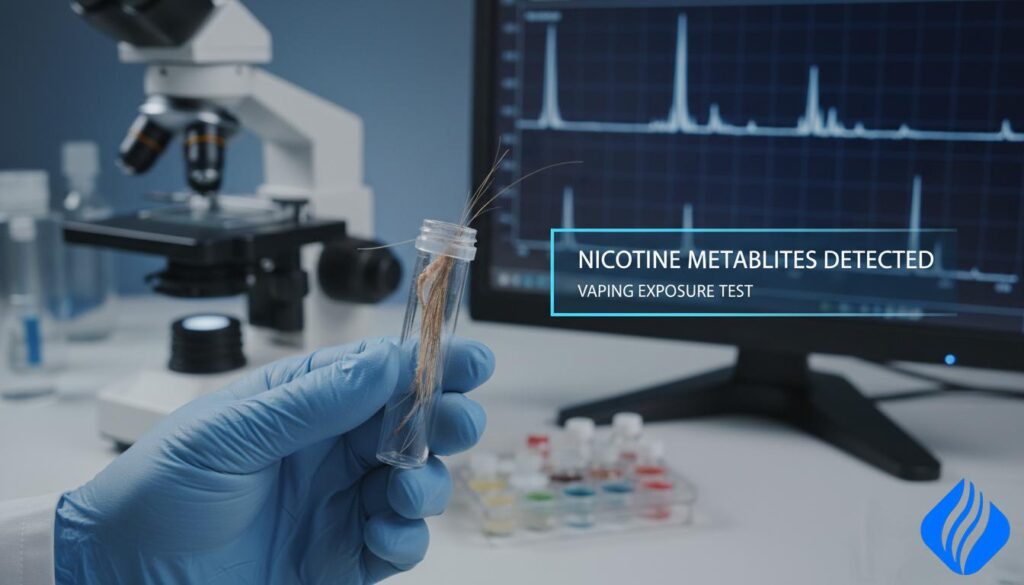
Hair tests show THC use over time. They can find evidence for up to 90 days. This method shows past use in a way other tests can’t.
Breaking Down THC: Metabolism and THC-COOH
Many ask how THC changes once it’s in our bodies. It first turns into 11-hydroxy-THC, then THC-COOH, which stays in fatty tissues. Tests look for THC-COOH with a 50 ng/ml cutoff, showing if someone has used cannabis recently.
We aim to explain why tests can show THC use even after the effects are gone.
The Role of THC-COOH
THC-COOH shows up after THC changes in the liver. It stays in the body for days or weeks. For more on cannabis metabolites, check out this resource.
Gas Chromatography-Mass Spectrometry (GC-MS)
GC-MS is a reliable method for checking test results. It finds exact levels of metabolites, helping labs when tests are unsure. GC-MS makes results clearer and less confusing.
Half-Life of THC
The half-life of THC varies based on several factors. Light users might clear THC faster, while heavy users hold onto it longer. This affects how long THC can be detected, even after its effects have faded.
Detection Windows for Different Test Types
Each test type shows THC for different times. We focus on how long delta-9 thc cartridges stay in our system when we vape. Knowing this helps us plan better and understand how tests show recent or past use.
Blood tests can show THC for hours to days, showing recent use. Urine tests can show THC for three days to a month, depending on how often you use it. Saliva tests can show THC for 24 to 72 hours. Hair tests can show THC for about 90 days, as metabolites move into new hair growth.
These times can change based on our biology and how often we use it. We want to help you make smart choices about delta-9 thc cartridges. This way, we can keep our practices safe and open during any testing.
Urine Drug Test Timeframes for THC Vapes
We know urine tests are common in drug screenings. We want to share how long THC might show up after use. The time THC stays in your system can vary, affecting how long it’s detectable.
Occasional Use vs. Chronic Use
Light vaping might leave traces for a few days, depending on how often you vape. But, heavy or frequent use can make THC stay longer, sometimes up to three weeks. It really depends on how much you use and your body’s response.
Cutoff Levels (50 ng/ml)
Labs use cutoff levels to avoid false positives. A level around 50 ng/ml helps ensure small amounts don’t cause a failed test. Yet, it’s smart to consider your own vaping habits, as more frequent use can raise your baseline.
For more details, see the informative breakdown on detection windows and factors affecting results.
| Usage Frequency | Approximate Detection Window |
|---|---|
| Occasional | 1–5 Days |
| Moderate | Up to 10 Days |
| Heavy | 2–3 Weeks or More |
Saliva Swab Test and Its Detection Period
Saliva swab testing is a quick way to check for recent vape use. It’s easy to get a sample, which is why many places use it. We focus on safety and education, so people know what can affect these tests.

Typical 24–72 Hour Window
Swab tests usually show THC use for up to three days. But, if someone vapes a lot, this time might be shorter. The way cannabinoids dissolve in saliva affects how fast they disappear.
False Positives and Confirmations
When a test shows THC, some places do a second check. This is because things like hygiene or certain mouthwashes can cause false positives. A more detailed test, like GC-MS, helps make sure the results are right. This step helps avoid making mistakes.
| Factor | Possible Impact |
|---|---|
| Recent Vaping | Can extend detection window |
| Rinse Products | May trigger borderline results |
| Confirmation Test | Verifies presence of THC-COOH |
| Lipophilic Nature of Cannabinoids | Influences absorption and clearance |
Hair Follicle Test: Up to 90 Days
Hair is different from blood, saliva, and urine in drug tests. THC stays in hair for weeks, sometimes up to three months. This can cause worry, like in workplaces where a false positive drug test might mess up your day.
We want to explain how hair tests work. Labs check the hair for THC signs, showing if someone used it. Knowing this can help you understand your hair’s story better. It’s also less likely to get a wrong result, unless something really dirty touches your hair.
“We have seen that hair testing remains one of the most robust and long-range screening methods, given its ability to detect extended usage patterns,” stated Dr. Nora Volkow from the National Institute on Drug Abuse.
Hair follicle drug test myths are debunked by modern labs. They show real signs in the hair. If you use a lot of drugs, remember this when you might get tested.
We support reducing harm. New hair grows, and old hair gets cut. Knowing about hair tests helps you make choices about using drugs and your future goals.
Key Variables Influencing Detection
THC clearance depends on many personal factors. These factors change how long THC-COOH stays in the body. This affects the results of tests like a saliva swab test.
This image shows the complexity of detection windows.
Body Fat and Lipophilic Nature of THC
THC likes fat cells because it’s lipophilic. People with more body fat may hold onto THC and its byproducts longer.
Metabolism Speed
A fast metabolism can get rid of these byproducts quicker. But, a slow metabolism keeps them around longer. What you eat and how active you are also matters.
Frequency and Amount of Vaping
Using THC products often or in large amounts increases THC levels. But, using them less or in smaller amounts can lower the amount left behind. Knowing this helps us deal with testing worries and make smart choices.
Differences Among Full Spectrum CBD, Delta-8, and Delta-9 THC Vapes
Many people choose these vape products without knowing how they might affect tests. We want to explain the differences. This will help you understand which ones might show up in a hair follicle test for vaping.
Potential for False Positive Results
Full spectrum CBD products sometimes have tiny amounts of delta-9 THC. Even small amounts can build up in your body. If you use a lot, it could lead to a false positive test result.
THC Concentration in Vape Oils
Delta-8 THC seems milder, but it breaks down into similar substances as delta-9. Always check lab reports for THC levels. This way, you can avoid surprises during tests.
Delta-9 THC Cartridges vs. Other Varieties
Delta-9 cartridges can have higher potency. It’s important to know how often you use them. This knowledge helps you avoid unwanted test results.
Tips to Prepare for a Drug Test
When a test date is near, it’s natural to feel worried. Taking a few steps can help manage your body’s response. This is true whether you use products with high or moderate thc concentration in vape oils.
Natural Detox Methods and Detox Period for Heavy Vapers
Stopping use for as long as you can is a good idea. This gives your body time to clear out any THC. Heavy users might need a longer break, depending on the thc concentration in vape oils.
Hydration and Exercise Precautions
Drink enough water to stay hydrated. But too much can make your sample too diluted. Drinking in moderation is best. Also, gentle exercise can help flush out THC, but avoid intense workouts close to the test date.
Drug Screening for Employment
It’s wise to check your employer’s cannabis policy. Many companies, like Quest Diagnostics, test for all THC types. Knowing the rules helps protect your choices and job security.
Expert Disclaimer
We share this info for general awareness. It shows our focus on reducing harm and studying THC detection. This guide is not a substitute for advice from healthcare providers or lawyers. Everyone’s body is different, and how they use substances matters.
For specific concerns about testing, we suggest getting expert advice. The detox period for heavy vapers is hard to predict. No single method can clear THC completely in a short time. Factors like test sensitivity, metabolic rate, and how often you use it all play a part.
We try to give useful tips for those facing tight deadlines. But remember, the detox period for heavy vapers can vary a lot. We advise against relying only on general advice. Getting advice tailored to you and planning carefully is usually the safest way.
Conclusion
We’ve talked about THC vapes, like Delta-9 pens and Delta-8 devices, and how they can be detected. These molecules stay in our bodies for different times. Each test type—hair, saliva, blood, or urine—looks for these markers in its own way.
It’s smart to think about how often you vape and the strength of your products. We recommend being careful and not vaping too much. Your body’s makeup, how fast you metabolize, and the product’s strength all play a role in detection.
Drug tests at work can show if you’ve used THC recently or in the past. It’s important to know your rights and what your workplace policies say. If you’re facing a test, stopping vaping is the safest choice.
We want to help you make informed decisions and stay safe. We hope these tips will guide you well for any upcoming tests.
 English
  German
  Dutch
Dutch  Danish
  Czech
Czech  Italian
  Slovenian
  French
  Hungarian
  Spanish
  Polish