

Direct answer: Avoid inhaled vapor for at least 24–72 hours after dental restorative work.
Senior safety advice: This guidance is mechanism-based. Heat, nicotine-driven vasoconstriction, suction forces, and dry mouth can harm the tooth seal and nearby gum tissue during the critical early healing window.
Risks include increased sensitivity, inflamed tissue, delayed healing, and a greater chance of a loose or high restoration that alters the bite.
The safest default varies with material and depth: composite, amalgam, glass ionomer, or temporary restorations behave differently. Follow your dentist’s specific timing.

For a practical timeline and harm-reduction tips from a safety perspective, review this guidance: how long to wait after a.
Key Takeaways
- Avoid inhaled vapor for at least 24–72 hours to protect the restoration and soft tissues.
- Heat and suction can stress a new seal; nicotine may reduce blood flow and slow healing.
- Wait longer for deep cavities or temporary restorations; materials set and react differently.
- Expect short-term sensitivity and possible bite changes; contact your dentist if issues persist.
- Daily users should consider nicotine replacements and gentle oral care to reduce harm.
Key takeaways on vaping after a new filling
- Safe default: wait at least 24 hours, ideally 72 hours, unless the dentist gives alternate instructions.
- The first day protects margins, reduces irritation, and supports early healing of the tooth and gum.
- Main mechanisms that raise risk: nicotine-driven vasoconstriction, heat/temperature changes, and dry mouth that lowers saliva protection.
- Contact the dentist promptly for worsening pain, swelling, a high bite, rough edges, looseness, or persistent food trapping.
- Both vaping and smoking stress oral health; vaping still exposes the mouth to heat and chemicals that slow recovery.
Early healing around a new restoration is fragile and benefits from a conservative approach to inhaled exposures.
Why the 24–72 hour window matters: this period lets margins set and soft tissue inflammation settle. It is not about an immediate loss of the repair, but about protecting the seal and reducing sensitivity while bonding completes.
When to call your dentist
- Worsening or spreading pain.
- Visible or increasing swelling.
- A filling that feels high when biting, is rough, or moves.
- Food traps persist despite gentle cleaning.
Practical hygiene note: use gentle brushing and water rinses on the day of treatment. Good oral hygiene supports healing without disrupting the new restoration.
Quick reference table for wait time after a filling
This quick-scan guide maps routine activities to conservative recovery ranges that protect the seal and nearby tissue.
Recovery time vs. activity
| Activity | Recommended wait (hours) | Why it matters | When to extend wait |
|---|---|---|---|
| Vaping or similar heat exposure | 24–72 | Heat and suction stress margins and soft tissue | Deep decay, sensitivity, multiple restorations |
| Smoking | 24–72 | Nicotine reduces blood flow and slows healing | Inflamed gums or heavy daily use |
| Alcohol mouthwash / hot drinks | 24–48 | Irritants and heat increase discomfort | Marked swelling or ongoing bleeding |
| Chewing on treated side | 24–72 | Force can displace temporary or unset margins | High bite sensation or loose material |
Material-specific recovery guide
| Material | Typical wait (hours) | Key reason | Notes |
|---|---|---|---|
| Composite (tooth-colored) | 24–48 | Light cure sets quickly but seal needs protection | Extend for sensitivity or deep restorations |
| Amalgam (silver) | 24–48 | Mechanical hardening and bite stabilization | Often safe sooner, but follow dentist timing |
| Glass ionomer | 48–72 | Moisture-sensitive early set | Longer wait advised when moisture control was difficult |
| Temporary restorations | 48–72+ | Designed to be removed; more prone to dislodge | Avoid stress until definitive material placed |
Note: Activity intensity matters—high-heat puffs, strong suction, and frequent exposures raise risk. This summary does not replace personalized dentist instructions; consult your clinician, especially if a bite adjustment or multiple restorations were done. For related guidance on tobacco use and oral care, see smoking after restoration.
Can I vape after cavity filling
Dental professionals advise caution with inhaled aerosols soon after treatment, as they can worsen sensitivity and slow tissue recovery.
Why clinicians advise against vaping immediately
Clinical reasons: nicotine reduces microcirculation in gum tissues, heat raises tooth sensitivity, and propylene glycol/vegetable glycerin contribute to dry mouth that promotes bacterial activity at margins.
These mechanisms increase the risk of irritation, swelling, and compromised bond strength at the restoration interface.
Minimum wait times and what changes the timeline
Most dental guidance sets a minimum of 24 hours, with 72 hours as a safer default. Deep decay, multiple restorations, visible gum inflammation, or persistent pain and swelling extend the timeline.
If the new restoration feels high, rough, or moves, delay use and contact the dentist promptly.
If someone uses inhaled products anyway: harm-reduction steps
- Delay as long as possible and take fewer, gentler draws.
- Lower device temperature and nicotine strength to reduce heat and vasoconstriction.
- Avoid strong suction pulls and high-wattage settings that stress tissues.
- Avoid chewing on the treated area, hot drinks, and alcohol-based mouthwash during early healing.
“Delay inhaled exposures when possible; small changes reduce risk but do not eliminate the potential for complications.”
For clinician-backed guidance on smoking and restorative care, see should you smoke or vape.
What happens in your mouth after a filling
After a restorative procedure the treated tooth and nearby soft tissue enter a short, sensitive recovery phase that affects daily comfort.
How the tooth–material bond stabilizes and why the first day matters
The material may appear set, but the margin between restoration and tooth adjusts under bite forces during the first 24–72 hours.
Small shifts can produce sensitivity as dentin and the pulp react. This early part of the healing process is when the seal and contacts settle.
Heat and temperature swings: why vapor warmth can increase sensitivity
Warm vapor and rapid temperature changes move fluid inside dentinal tubules. That movement often triggers sharp, short pain in recently treated teeth.
Keeping exposures low in the first day reduces exaggerated responses while the tooth completes its healing process.
Soft tissue irritation: how inflamed gums delay comfort and recovery
Gums and nearby tissues may be mildly inflamed after instrument retraction and moisture control. Irritation raises soreness and slows normal repair.
Blood flow supports cleanup and repair; nicotine-related vasoconstriction lowers circulation and can delay comfort and tissue health.
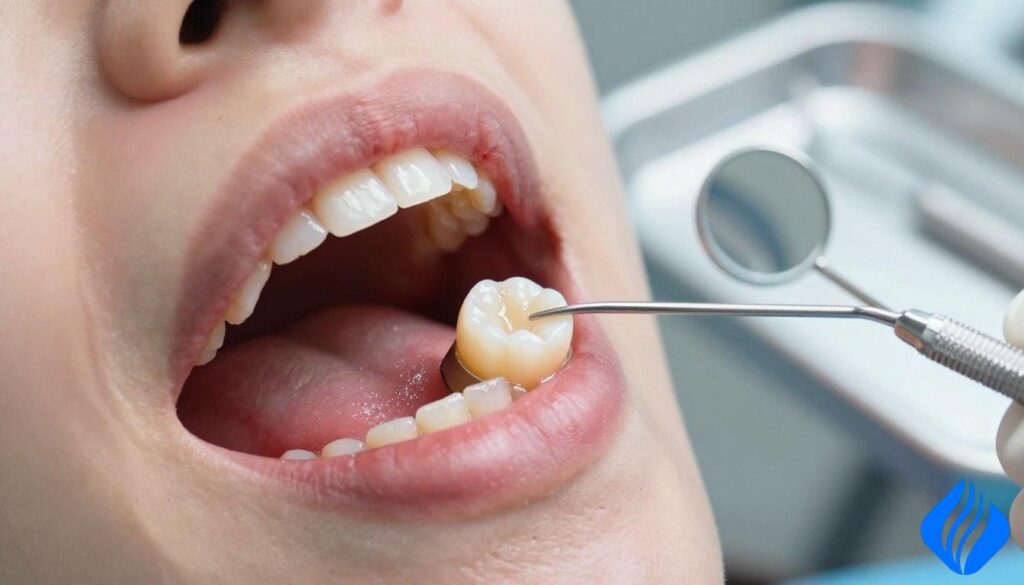
“Expect mild sensitivity for a day or two; worsening pain, throbbing, or bite pain warrants prompt dental review.”
| Change | Typical timing | Why it matters |
|---|---|---|
| Nerve/dentin response | 24–72 hours | Sensitivity to temperature and pressure |
| Margin settling | 24–72 hours | Protects seal under bite forces |
| Gum irritation | 48–72 hours | Inflammation can prolong soreness |
For clinical guidance on oral care and inhaled product safety during this healing window, review e-cigarette oral health guidance at e-cigarette oral health guidance.
Why vaping can increase complications after dental fillings
Several biological and mechanical pathways explain why inhaled aerosols raise the chance of post-restorative complications. These mechanisms affect local circulation, saliva, and soft tissues in ways that matter for early healing.
Nicotine and blood supply
Nicotine stimulates sympathetic responses that narrow small vessels. Reduced blood flow limits immune cells and repair factors at the margin.
Dry mouth and decay risk
Reduced saliva lowers natural buffering and remineralization. Less saliva raises bacterial load near the restoration edge and increases long-term risk to the tooth.
PG/VG, aldehydes, and tissue irritation
Propylene glycol and vegetable glycerin act as humectants but may dry oral mucosa. Overheated coils increase aldehyde byproducts, including formaldehyde, which irritate gums and soft tissues.
Diacetyl and ingredient transparency
Diacetyl is linked to inhalation hazards in occupational studies. It appears in some buttery flavors, so product transparency and reputable manufacturing matter.
Suction mechanics versus dry socket
Dry socket is an extraction-specific problem from loss of a clot. A new restoration has no extraction socket, yet strong suction or forceful draws still stress tissues and margins.
| Mechanism | Immediate effect | Why it matters |
|---|---|---|
| Nicotine-induced vasoconstriction | Lower local blood supply | Slower healing, prolonged tenderness |
| Dry mouth (PG/VG) | Less buffering and saliva flow | Higher bacterial load at margins |
| Chemical byproducts | Tissue irritation | Increased inflammation and sensitivity |
| Suction mechanics | Mechanical stress | May loosen temporary material or irritate gum |
“These mechanisms explain why waiting 24–72 hours helps protect the seal, reduce sensitivity, and lower complication rates.”
How long should you wait to vape after different types of fillings
Wait time matters: longer pauses within the 24–72 hour window lower the chance of mechanical or chemical stress on a new restoration.
Composite restorations
Composite materials cure quickly with light. Still, the surrounding tooth and gum need protection.
Recommendation: wait at least 24 hours. When sensitivity or a sore bite exists, prefer a longer recovery period.
Amalgam (silver) restorations
Amalgam hardens mechanically over time. Early heavy biting or irritants can increase discomfort.
Recommendation: 24–48 hours is common. Choose the upper range if multiple restorations were placed.
Glass ionomer
These materials are moisture-sensitive while they mature. Margins may weaken with early heat or dryness.
Recommendation: wait at least 48 hours to reduce marginal breakdown and sensitivity.
Temporary restorations
Temporary material is softer and less retentive. It dislodges more easily under suction or force.
Recommendation: avoid inhaled heat and strong draws and wait 48 hours or longer where possible.
“Longer waits within the 24–72 hour window reduce risk; extend times for deep work, multiple restorations, gum disease, dry mouth, or high nicotine use.”
- What changes times: deeper work, multiple fillings, existing periodontal issues, and dry-mouth tendency justify a long wait.
- Vaping vs smoking: both raise risk; smoking adds extra irritants and is not a safer substitute.
How to manage nicotine cravings without risking your filling
A short, deliberate strategy helps control cravings without exposing the treated tooth to extra stress or chemicals.
Nicotine patches: steady dosing without oral heat or suction
Nicotine patches deliver steady dosing without delivering heat, suction, or oral chemicals. This makes them the lowest-impact option for protecting the tooth and gum during the early healing process.
Nicotine lozenges and gum: when to avoid them if your bite is sore
Lozenges reduce cravings without chewing. Use them if biting is uncomfortable.
Avoid gum when the treated area feels sore or when chewing stresses the restoration. If gum is used, follow package directions and stop if discomfort rises.
Hydration and saliva support
Frequent sips of water and sugar-free xylitol gum (only if comfortable) help maintain saliva and limit dry mouth. Avoid dehydrating drinks and alcohol-based mouthwashes during the first 24–72 hours.
Oral hygiene after a procedure
Practice gentle brushing with a soft brush, careful flossing without snapping, and water rinses after meals. Good oral hygiene lowers bacterial risk at margins while the restoration stabilizes.
Device and product safety checks
An expert safety checklist: avoid counterfeit disposables, verify packaging and codes, and choose reputable manufacturers. Brands such as Geek Bar and Raz are widely recognized and easier to authenticate.
“Use low-impact alternatives and confirm product authenticity; inconsistent nicotine delivery or unknown chemicals raise irritation risk.”
Coordinate with your dentist if cravings drive early vaping or smoking. The clinician will advise based on the restoration type, gum status, and any bite adjustments needed to protect oral health.
Conclusion
Conclusion
For best oral health outcomes, avoid smoking and vaping for at least 24 hours and preferably up to 72 hours while the treated tooth and nearby gums recover. This conservative time protects the margin, limits pain and swelling, and lowers the chance of early complications.
Why it matters: nicotine reduces blood flow, vapor or smoke dries the mouth and raises bacteria at margins, and heat often increases sensitivity in the area.
Follow symptom-based decisions: worsening pain, growing swelling, a high bite, or looseness requires stopping nicotine exposure and contacting a dentist promptly.
Practical checklist: choose soft foods, hydrate to support saliva flow, and keep gentle oral hygiene to protect the restoration during recovery.
Repeated exposure to irritants shortens restoration lifespan and raises the chance of replacement over time.
Medical Disclaimer: This content is educational only and does not replace medical or dental advice. Individual risks vary by history, medication, and the procedure. For severe or worsening symptoms—persistent pain, swelling, fever, pus, facial swelling, or a loose or dislodged filling—seek prompt dental care or emergency services.
For product safety and quality context, see manufacturer safety information.
 English
  German
  Dutch
Dutch  Danish
  Czech
Czech  Italian
  Slovenian
  French
  Hungarian
  Spanish
  Polish