

how do teens get vapes is a pressing question for parents and public health professionals today. Nicotine warning: nicotine is addictive and sales to minors are illegal. We write for adults (21+) with an evidence-led view.
We report key data: in one study, 32% of 14–17 year olds had ever vaped; 54% of those had never smoked before, and 86% used disposables. We set a clear, factual frame and avoid sensationalizing the issue.
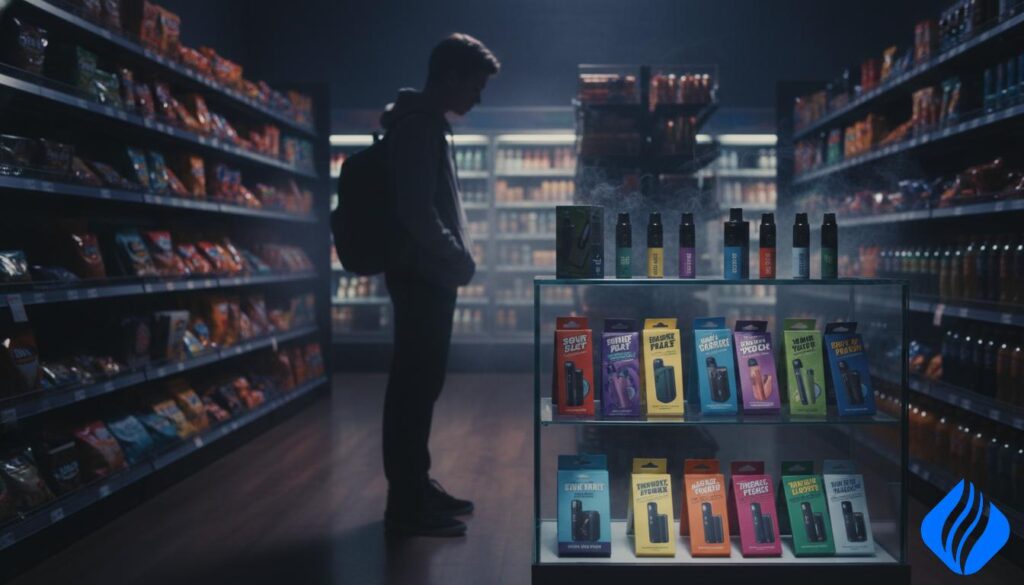
We outline real-world pathways: social sourcing from friends, retail leakage, and online or social workarounds that exploit discreet device design in a school setting. We will separate access facts from practical risk-reduction, technical specs, brand comparisons, and adult-only purchasing guidance linked to sokvape.com.
We speak with technical clarity and care. Our aim is to inform parents, adult vapers, and professionals so they can pursue prevention, support, and compliant solutions.
Key Takeaways
- Nicotine is addictive and sales to minors remain illegal; focus on prevention and support.
- Disposable devices dominate current teen use and complicate detection in schools.
- Social sourcing and retail leakage are primary access routes backed by evidence.
- Later sections will cover specs (mAh/ml/nic %/coil/USB‑C) and Puffs per Dollar comparisons.
- Content is intended for adults (21+) seeking evidence-led guidance, not for minors.
Why teen vaping is rising today and what the evidence shows
Survey evidence paints a consistent picture of modern youth e-cigarette use. We base this on population studies and targeted youth surveys that link product design, flavor choice, and nicotine formulation to increased uptake.
What current use looks like: disposables, flavors, and nicotine salts
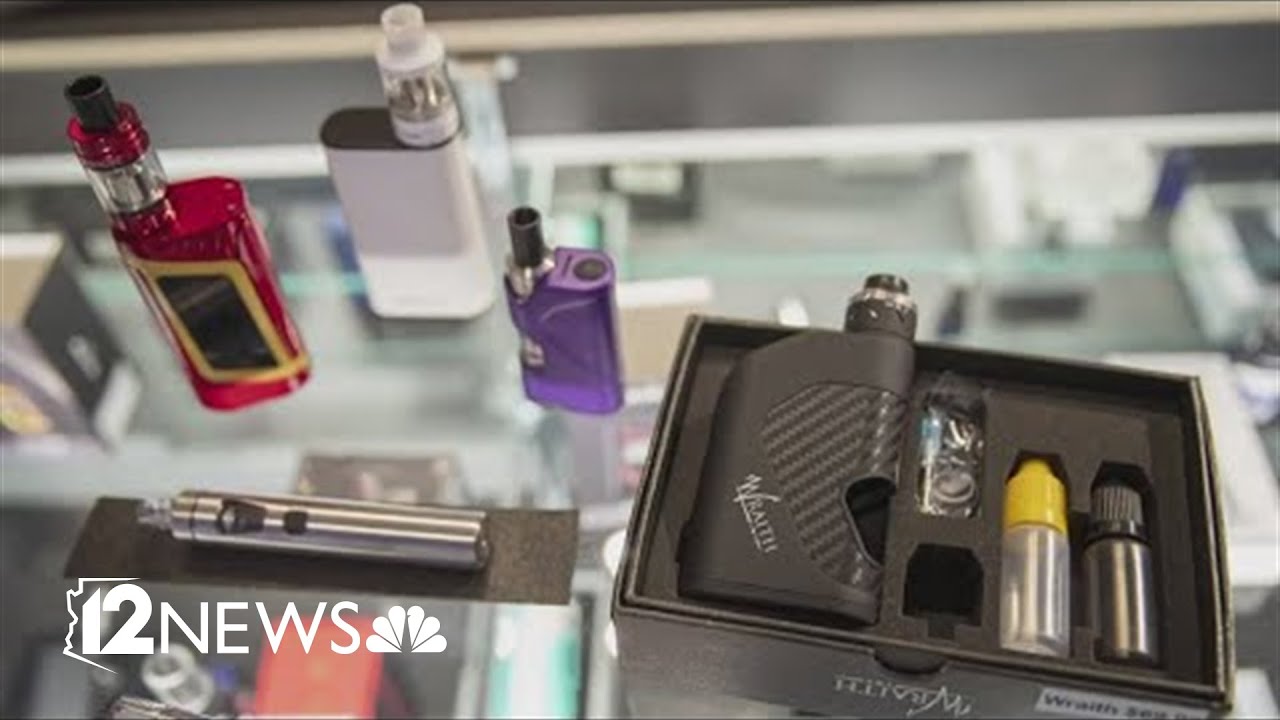
Disposables are single-use devices prefilled with e-liquid. They are cheap, compact, and often resemble small USB sticks.
Flavoring catalogs include candy, fruit, and dessert profiles. Youth surveys rate taste as a top driver of use.
Nicotine salts are a formulation that permits higher nicotine levels with less throat irritation. That smoother sensation can increase the reinforcing effects of nicotine.
Key findings from youth surveys
Generation Vape (NSW, 14–17) found 32% had ever tried vaping; 54% of those never smoked cigarettes. Disposables made up 86% of reported devices. Over half reported nicotine use and many were unsure of content.
Why flavors and discreet designs increase appeal and reduce detection
Truth Initiative data (U.S., 12–17) shows retail outlets and social sources supply many users, while sleek, USB-like devices and flavors raise appeal. These discreet devices are easier to hide and harder for adults to spot in schools or social settings.
- Research links product features to uptake among youth.
- Multiple access points—friends, stores, and online—create enforcement challenges.
- Tobacco products regulation exists, but product design and marketing affect outcomes.
How do teens get vapes: the most common access routes
We map three primary ways that explain most underage acquisition: social sources, retail leakage, and online or social media channels. Each route requires a different prevention response by parents and schools.
Social sources: friends, classmates, and sharing
Social sharing is the dominant pipeline. Generation Vape reports 70% of last-device users did not buy directly; 80% of those received it from friends.
Retail access: stores and weak ID checks
Retail points — gas stations, convenience stores, and vape shops — account for a large share of physical sales. Inconsistent checks let some underage buyers succeed.
Social media and online buying
Self-report shows few online transactions, but success rates are high when attempted. Social media and marketplace listings can facilitate sales and informal resales.
Stealth devices and concealment
Devices often resemble USB sticks, pens, or chargers and hide in pockets, shoes, or common items. This reduces adult detection and extends use over time.
Drivers: money, peer pressure, and normalization
Low cost, shared supply, and peer norms make access repeatable. Adults can reduce unintended access by securing devices and talking with children and parents.

For adult-only purchasing guidance see adult-only purchasing guidance.
What teens are using: disposable vape specs, brand comparisons, and “hands-on testing” insights
This section compares common disposable models on specs, puffs-per-dollar, and real-use performance.
Category standards (typical ranges):
- Battery: ~500–1000+ mAh
- E-liquid: ~10–20+ ml
- Nicotine: commonly 2% or 5% nicotine salt
- Coil: Mesh vs Dual mesh
- Charging: USB‑C (rechargeable but not refillable)
| Product | Puffs per Dollar | Flavor Consistency | Notes |
|---|---|---|---|
| Main product (baseline) | ~10–15 | Good mid-life hold | High-cap battery, mesh coil |
| Geek Bar | ~8–12 | Strong early, drops late | Balanced vapor, common SKU |
| Lost Mary | ~12–18 | Stable through 5k puffs | Dual mesh, larger e-liquid |
| Raz | ~9–14 | Sweetness fades after mid-life | Compact, USB‑C in some models |
Hands-on testing observations
We found nicotine salts give a generally smoother throat hit at labeled strengths, though airflow and coil power can make hits feel strong.
Mesh and dual-mesh designs boosted vapor production and maintained flavor longer. After ~5,000 puffs many products show flattened sweetness and occasional dry notes.
For adult-only browsing and benchmarks see Disposable Vapes, Hot Sale, RandM, and Bang.
User FAQ
- How to know if it’s empty? Reduced vapor, muted flavor, blinking lights, or device stops firing.
- How to recharge safely? Use a reputable low-output USB‑C adapter, avoid overnight charging, stop if device heats up.
- Is it authentic? Check packaging, QR verification workflows (see Sokvape Email) and code behavior.
Nicotine is an addictive chemical. Keep all nicotine products away from children and pets and seek medical help if poisoning is suspected.
Conclusion
Conclusion
Our review draws the policy and practical threads into a concise, safety-first summary. Evidence shows disposables dominate reported youth use (about 86%), and access is multi-channel: social sharing, retail leakage, and online or social platforms with high success rates.
Why this matters: nicotine can create rapid dependence and raise later risk of cigarette smoking. Public health and research point to targeted actions at friends, stores, and online listings rather than single fixes.
Adults should prioritize calm conversations, secure storage, and accessible support options. Model lawful, responsible behavior and keep nicotine products out of reach of children.
Nicotine is addictive. For adult-only guidance on purchasing and compliance, see adult-only guidance.
 English
  German
  Dutch
Dutch  Danish
  Czech
Czech  Italian
  Slovenian
  French
  Hungarian
  Spanish
  Polish