

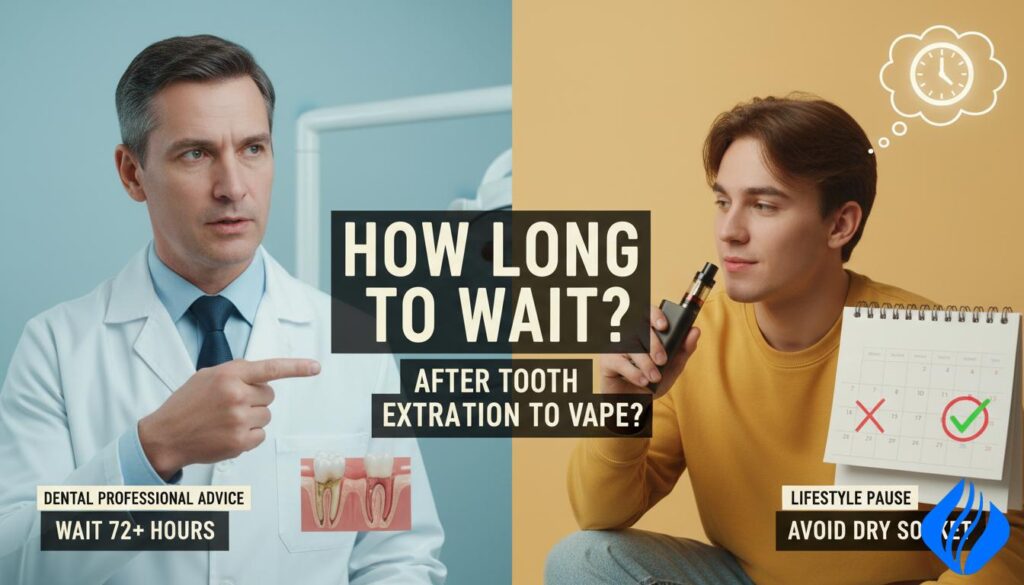
Many people wonder exactly how long to wait to vape after tooth extraction to ensure a smooth recovery. When a tooth is removed, the formation of a stable blood clot is the most critical step in the healing process. However, vaping too soon introduces suction and heat that can significantly risk this clot’s integrity. To avoid complications, most dental professionals recommend a strict waiting period to protect your oral health.
Suction from vaping can cause a painful condition called dry socket. This slows down healing. Dentists often say to wait 72 hours before vaping.
This waiting period is important for aftercare. It helps protect the clot and lets tissues settle. Waiting is key to healing.
Key Takeaways
- Dry socket is a major risk without proper aftercare.
- Suction from vaping can dislodge the clot.
- A 72-hour wait is recommended by dental experts.
- Oral tissues need time to stabilize and start healing.
- Patience boosts recovery and prevents complications.
- Consult a dentist if pain arises during your wait.
- Safety steps reduce setbacks and protect your health.
The Risks of Vaping After Tooth Extraction: Why Caution Is Vital
Removing wisdom teeth is a serious surgery that needs careful handling. The area in the jaw is very sensitive and can easily get infected. Dryness and heat from vaping can harm the healing clot, leading to dry socket.

Vaping after wisdom tooth removal is not a good idea. The air pressure can disturb the healing area, slowing down recovery. Even a small disruption can cause long-lasting pain.
It’s best to avoid vaping for a few days to let your mouth heal. This break helps prevent extra strain on your mouth.
- Excessive suction during inhalation may aggravate the wound
- Heated vapor can irritate sensitive gum tissue
- Blood clot disruption could intensify discomfort
We recommend careful preparation for every extraction. Our goal is to keep you informed and avoid any painful setbacks during your recovery.
The Definitive Guide: How Long to Wait to Vape After Tooth Extraction?
Healing needs a gentle touch. Disrupting the blood clot can cause problems. Waiting a bit before vaping helps avoid extra stress on the area.

Immediate Post-Extraction Period
After surgery, tissues are very delicate. Vaping can cause suction that harms the healing process. It’s important to let the area rest and heal properly.
Why 72 Hours Is an Important Benchmark
The 72-hour mark is when the clot is most stable. Dentists warn against vaping too soon because it can dislodge the clot. Waiting these few days can prevent pain and complications.
Advice from Oral Health Professionals
Dentists recommend avoiding vaping for a few days to let gums heal. Resting helps prevent irritation and speeds up healing. Even though it may seem long, it’s worth it for a quick recovery.
The 72-Hour Rule and Avoiding Dry Socket
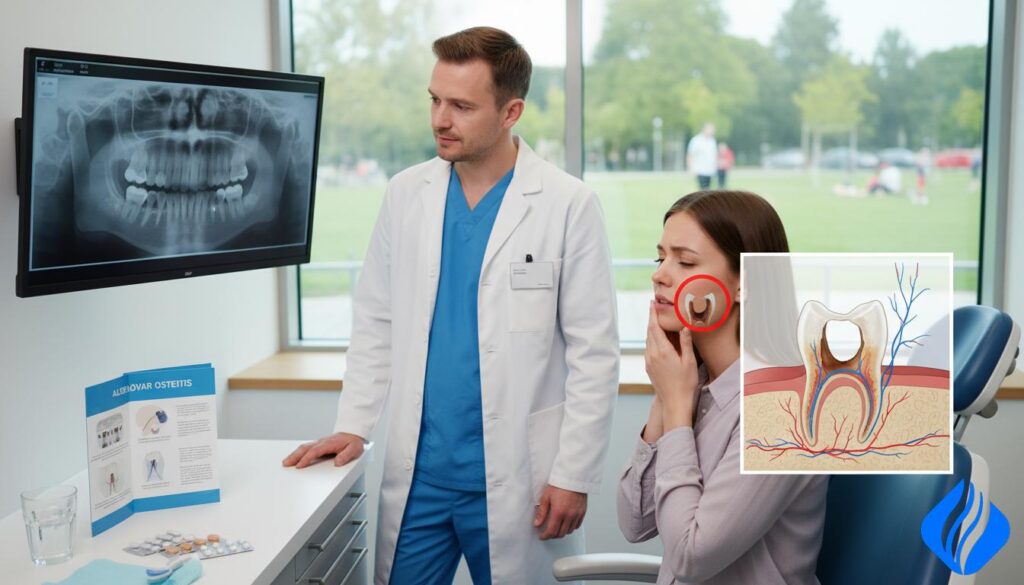
We know how important it is to let the extraction site heal. Waiting about three days helps keep the blood clot in place. This reduces the risk of alveolar osteitis, which can cause a lot of pain and slow healing.
Keeping the area moist helps it heal better. Dryness and heat from smoking can expose bone and nerves. We think these risks show why we need to be extra careful and use good pain management.
What Happens Within Three Days
In the first 72 hours, our bodies start to clot the extraction site. New tissue forms around it, helping it heal completely. Being gentle during this time helps avoid problems and ensures a better outcome.
How a Dislodged Blood Clot Leads to Pain
If a clot gets disturbed, the socket becomes open to infection and swelling. Alveolar osteitis happens if the clot comes out completely. Using rinses or medication can help with pain, but preventing dry socket is the best way.
Mechanism of Injury: How Suction Leads to Alveolar Osteitis
After a tooth is pulled, our body creates a protective clot in the socket. This clot shields nerves and bone as healing starts. But, vaping can create negative pressure in the mouth, which can upset this clot.
This feeling is similar to pulling off a bandage too soon. If the suction pressure removes the clot, the socket is left open. This can lead to alveolar osteitis, or dry socket, causing pain. It might need extra care.
We advise against strong vaping during recovery. This risk is especially high with tight-draw devices like many disposable vapes, which require significant suction pressure that can easily dislodge a fresh clot. Experts also say to avoid straws until the healing is complete.
- Limit forceful inhalation that might disturb the clot
- Opt for gentle sips instead of using any straw
The Impact of Nicotine on Gum Healing
Good blood flow is key for healing. Nicotine makes blood vessels smaller, cutting off the nutrients and oxygen gums need to heal. This can slow down healing and increase infection risk.
People who have had teeth pulled or fillings are at higher risk. Nicotine can block blood flow, making recovery harder.
If you want your body to heal fast, cut down on nicotine after a procedure. Less nicotine helps your body fix tissues better. For more info, check out this detailed post. It talks about keeping the blood clot and protecting gums.
Nicotine as a Vasoconstrictor
Narrowed blood vessels slow down gum healing. This can make new tissue growth harder, leading to more problems.
Reduced Blood Flow and Prolonged Recovery
Good blood flow is essential for gum healing. Without it, healing takes longer and can be more painful.
| Potential Nicotine Effect | Impact on Gums |
|---|---|
| Vessel Constriction | Diminished oxygen delivery and slower tissue repair |
| Reduced Circulation | Elevated infection risk and discomfort in the extraction area |
Comparing Vaping and Smoking: Which Is Riskier?
Both vaping and smoking involve intense heat and inhaled particles. Cigarettes burn tobacco, while vape devices use atomization and thermal control. Each method introduces toxins that can irritate tissues and slow healing after a tooth removal.
It’s important to be careful because strong draws can dislodge blood clots if the socket is fragile. Some vapers try to make thicker vapor by puffing harder. This can create negative pressure in the mouth, similar to or even worse than smoking.
Dentists often advise caution with both smoking and high-powered vaping. They say it can strain sensitive tissues. To heal safely, it’s key to use moderate airflow and follow careful oral care instructions. This helps avoid complications and supports a smooth recovery.
Safety Milestones: Key Recovery Stages
We take a steady approach as our body adapts to each recovery stage. Our gums heal best when we rest and focus on simple steps that boost tissue health. This routine helps our gum tissue get stronger every day.
24 Hours After Extraction
We stick to soft foods and avoid moving our mouth too much during this time. It’s key to keep the area clean with gentle rinsing. We also avoid hard spitting or brushing near the extraction site to keep up with oral hygiene.
48 Hours Later
By this time, the clot is more stable. A gentle saltwater rinse helps cut down on bacteria. Small actions like slow water sips and calm swallowing help protect the blood clot and support oral hygiene.
Critical 72-Hour Mark
The extraction site gets stronger. It’s important to watch for ongoing pain or throbbing, as these could mean clot problems. Tracking our daily progress helps us adjust our activities, as outlined in our online guide for safe vaping after tooth removal.
One Week Post-Surgery
We usually feel less pain and have more stable gum tissue. Brushing lightly near the site becomes easier. Saltwater rinses keep the area clear of debris. Most people find recovery goes smoother if they follow guidelines from 24 hours after extraction on.
| Timeline | Key Tips |
|---|---|
| Day 1 | Focus on gentle rinsing and rest |
| Day 2 | Use saltwater for added cleanliness |
| Day 3 | Maintain the clot’s stability, watch for pain |
| Day 7 | Resume cautious tasks, keep monitoring healing |
Alternatives and Expert Tips
The healing phase can be tough. Being proactive helps keep your mouth comfortable and avoids setbacks. Vaping alternatives might be safer while your tissues heal. Nicotine patches or pouches have shown to be effective.
These options release nicotine without touching your gums. This reduces the chance of irritating the area where your tooth was removed.
Using Nicotine Patches or Pouches Cautiously
Many people switch to patches during early recovery. They find less discomfort with these discreet options. Lower nicotine levels and less suction help your gums heal.
Transitioning Back to Vaping Safely
Start slow and watch for pain if you go back to vaping. We suggest transitioning back using low-wattage pod systems that offer adjustable airflow to minimize the negative pressure in your mouth. A salt water rinse helps clean the area and supports healing. It’s gentle and works well with mouthwash approved by dentists.
Red Flags That Warrant Dental Attention
See a dentist right away if you have severe swelling or pain. Unusual discharge or fever could mean infection. Early visits help keep your healing on track and guide you to better vaping alternatives.
Conclusion
We know that waiting at least 72 hours before vaping shields you from complications. Alveolar osteitis remains a prime concern when clots dislodge too soon. Staying hydrated, using mouthwash carefully, and maintaining gentle care around the extraction site give tissues the best chance to recover.
We encourage close monitoring during this window. Any throbbing pain, unusual bleeding, or signs of prolonged swelling point to the need for professional follow-ups. A short period of caution leads to fewer long-term issues. This is why we stand by a mindful approach that honors the body’s natural healing rhythm. More details on how long to wait to vape can be found at this resource.
We work toward harm reduction with vaping because your comfort matters. Our focus on a well-paced return to atomization supports pain-free outcomes. This mindset goes beyond convenience and protects oral tissues from setbacks.
 English
  German
  Dutch
Dutch  Danish
  Czech
Czech  Italian
  Slovenian
  French
  Hungarian
  Spanish
  Polish