

Direct answer: Act fast: cut power, remove batteries and pods if possible, and expel liquid within about 60 seconds. Then let the device dry completely for 24–48 hours before any power attempts.
Nothing wrecks a session like sudden device water contact. We are SOKVAPE veteran consultants, and we know the urgency and the risk. Safety-first: never power on, charge, or draw-activate a wet unit due to short-circuit and lithium-ion battery hazards.
In this guide we give a clear, fast routine for recovering a vape after dropped water contact without making things worse. We explain first-minute rescue, proper drying, how water damage shows up (shorts, corrosion, contaminated e-liquid, airflow blockage), and when replacement is safer—especially for sealed disposables and draw-activated models.
Expect straightforward steps, device-specific notes, and a troubleshooting table after the dry period. We will not recommend risky hacks like heat or improvised batteries that raise the danger.
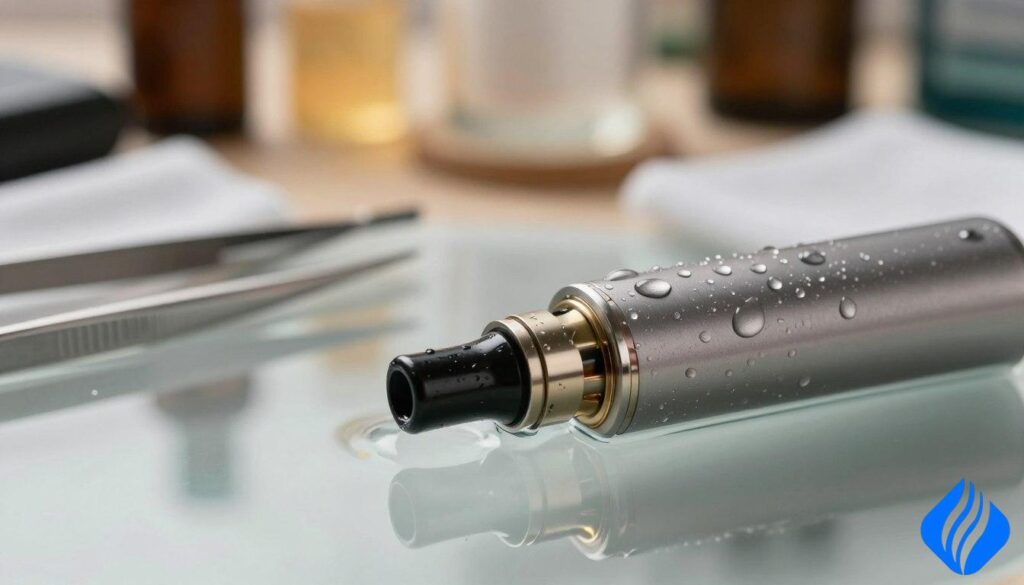
Key Takeaways
- Cut power immediately and remove removable parts within 60 seconds.
- Do not charge or power a wet device; battery risk is real.
- Dry fully for 24–48 hours before testing again.
- Sealed disposables and draw-activated units often need replacement.
- SOKVAPE prioritizes safe, conservative recovery steps over risky fixes.
Direct Answer: what to do right after dropping your vape in water
The first 60 seconds matter. Act calm and follow a strict, safety-first checklist. Quick action lowers the risk of permanent damage and raises the chance your device recovers.
- Remove the unit from water immediately. Hold it upright and move to dry air.
- Cut power now. Turn off regulated devices; stop airflow on draw-activated models.
- Remove removable parts fast. Take off pod, tank, cartridge, and spare parts when possible.
- Blot the exterior with a towel. Pat gently; do not shake harshly.
- Expel trapped liquid from airflow openings. Blow gently through the mouthpiece without tearing seals.
- Do not fire, puff, or plug into a charger. No testing until fully dry for 24–48 hours.
- If you hear sizzling, stop and follow the Safety Warning guidance. Treat that as an active short risk.
Quick note: This step-by-step routine gives the best chance at recovery. Time and patient drying decide the final outcome.
Safety Warning: lithium-ion battery safety before you touch, test, or charge
When liquid meets lithium-ion systems, the risk landscape changes fast. Stop and follow safety steps before any handling. We prioritize clear, immediate guidance that protects you and others.

Why water exposure creates short circuits and thermal runaway risk
Water can leave conductive residue that bridges electronic paths and shorts internal circuits. That can force uncontrolled current through the battery and cause thermal runaway.
Red-flag symptoms that mean stop immediately
- Visible swelling or bulging of the battery cell.
- Unusual heat, sizzling sounds, or a burning odor.
- Auto-firing, discoloration at ports, or corrosion on contacts.
If any of these appear, place the device on a nonflammable surface and keep a safe distance. Do not touch with bare hand if the unit is hot.
What not to do: charging, vaping, or using heat on a wet device
Charging is the highest-risk action after water contact. Firing or drawing can also trigger failure. Heat tools—hair dryers, ovens, or direct sun—warp seals and raise battery stress.
| Action | Why it increases risk | Recommended alternative |
|---|---|---|
| Charge device | May trigger shorts and thermal runaway | Dry fully for 24–48 hours before charging |
| Use heat tools | Damages seals and accelerates corrosion | Air dry or use desiccants |
| Handle hot unit by hand | Burn and chemical exposure risk | Let cool on nonflammable surface, then contact recycling |
Final note: Regulated devices have protections, but water-compromised circuits can bypass them. If you need further guidance on immediate recovery steps, see our detailed rescue checklist at device wet recovery guide.
how to fix a vape that fell in water with a fast first-response routine
A prompt, calm response in sixty seconds can save electronics and batteries.
- Cut power immediately. Turn off the device or remove batteries if removable. This step reduces live-circuit risk.
- Lift out and isolate parts. Remove the pod, unscrew the tank or cartridge, and separate a 510 from the mod. For a vape pen, pull apart sections carefully.
- Clear trapped moisture from airflow. Tap gently on a towel, blot openings, and avoid prying at O-rings or seals. Aggressive moves cause leaks later.
- Expel lingering liquid safely. Cover one airflow hole with a cloth and blow through the mouthpiece to push out floods. Do not inhale or fire during this step.
- Final quick check. Look for corrosion on contacts and pat dry external contacts. If you see sizzling or bulging, stop and follow battery-safety actions.
Pro-tip (SOKVAPE): The mouthpiece blow-out method clears a flooded chamber without damaging seals when done gently. After this first-minute routine, the correct way forward is disciplined drying for at least 24–48 hours.
Drying your vape correctly for at least a full day
Fast drying choices matter. We set a firm baseline: leave the unit untouched for at least 24 hours and often 48 hours before any power attempts.

Why rice is unreliable: Rice absorbs surface dampness but misses internal moisture. It can shed starch and dust that clog airflow and contacts.
Silica gel packets — the best desiccant method
- Place parts in an airtight container.
- Surround components with several silica packets so air gaps are minimal.
- Seal and wait undisturbed for 24–48 hours.
Silica-based cat litter as a backup
Choose unscented, silica-style litter only. Avoid clay or scented types that shed dust. Use the same airtight-container method and leave for the least hours recommended above.
Fan airflow method when you have no desiccants
Position the device upright with ports open. Aim a gentle fan at room-temperature air across the unit. This works, but plan on the full 24–48 hours. Do not use ovens, direct sun, or hot air—those raise battery stress and risk further damage.
Where it fell matters: fresh water vs. pool water vs. toilet water vs. salt water
Where your device lands determines the type and scale of damage. The liquid type changes corrosion speed, contamination risk, and the tactics we recommend.
Salt water is the worst offender. Salt leaves conductive residue that keeps harming circuits after the unit dries. That residue accelerates corrosion and often means replacement is the safest call.
Pool chemicals leave chlorine and additives on contacts and coil mesh. Those residues cause intermittent faults and faster metal breakdown even if the surface looks dry.
Toilet contamination carries pathogens and organics. Even with cleaning, internal parts remain unsafe for mouth contact. We advise replacement rather than reuse.
| Liquid | Immediate risk | Likely damage mode | Recommended next step |
|---|---|---|---|
| Fresh water | Moderate | Shorts, possible corrosion | Dry 24–48 hrs; inspect contacts |
| Pool water | Moderate | Chlorine residue, coil degradation | Rinse removable non-electronic parts; desicant dry |
| Salt water | High | Conductive residue, rapid corrosion | Replace electronics; rinsing rarely enough |
| Toilet water | High (bio) | Contamination of internals | Replace for safety |
| Muddy/dirty | Moderate | Particulates clogging airflow and contacts | Careful cleaning of removable parts; dry electronics only |
Practical note: For non-electronic removable parts, a quick rinse and full dry can help. Keep electronics isolated from any added liquid. Safety always overrides attempts to save cost.
Device-specific recovery: disposable vape vs. pod system vs. box mod
A wet device demands quick, measured steps more than quick fixes. We outline clear, safe actions by device class so readers use the right method.
Disposable units and draw-activation
Disposable vapes are the hardest to salvage. Sealed builds trap liquid and draw-activation sensors are fragile.
Stop point: If the battery is nonremovable or the unit shows corrosion, replacement is the safest choice.
Pod systems: pod removal and bay care
Remove the pod or cartridge and dry the pod bay and contacts. Use silica packets or air-dry upright for 24–48 hours.
Only reinsert the pod once contacts look clean and dry.
Box mods with removable cells
Remove batteries immediately and dry the cell compartment. Inspect wraps and contacts before reassembly.
This device class gives the best chance for recovery if handled safely.
Mechanical vs regulated mods
Mechanical mods lack boards but need clean contact points. Regulated devices can suffer board damage from moisture.
If the board shows corrosion or erratic behavior after drying, stop and replace rather than risk battery instability.
| Device Type | Key Risk | Immediate Step | When to Replace |
|---|---|---|---|
| Disposable vapes | Sealed battery & sensors | Remove and discard safely if nonremovable | Visible corrosion or no power |
| Pod systems | Contaminated contacts | Remove pod, dry bay, use desiccant | Persistent shorts or contact damage |
| Box mods | Battery compartment wetness | Remove cells, dry, inspect wraps | Battery swelling or board faults |
| Mechanical mods | Corroded threads/contacts | Clean contacts, test carefully after drying | Stubborn corrosion or poor conductivity |
Troubleshooting after drying: symptoms vs. solutions and when to replace
Begin diagnostics after a full 24–48 hour dry period and no visible battery red flags. Only proceed if there is no swelling, unusual heat, or odor.
Quick rule: never charge until visual and scent checks pass. Follow each safety step in order.
Safe re-test procedure
- Visual inspection: check USB pins, battery contacts, and 510 threads for corrosion or residue.
- Smell check: any chemical or burnt odor means stop and replace the unit.
- Contact test: clean dry contacts, then brief power-on without charging; watch for auto-firing or error codes.
Symptoms vs. Solutions
| Symptom | Likely cause | Safe action |
|---|---|---|
| Auto-firing | Shorted circuits or stuck sensor | Do not use. Replace device |
| No vapor / weak hits | Coil flood or contact corrosion | Clean contacts, swap coil, test again |
| Sizzling / heat / odor | Battery failure or active short | Power down, dispose safely |
| Intermittent power | Corrosion on pins or 510 | Clean, dry, monitor; replace if recurring |
Battery failure signs: swelling, heat, odor, or discoloration require immediate disposal. Performance problems that repeat—persistent auto-firing, sizzling, or shutdowns—mean replace the device.
Note: If the unit works once, monitor performance closely for 24 hours. Water damage can be delayed and affect long-term reliability.
Coil, e-liquid, and tank recovery without ruining performance
Moisture in the wick and coil is the most common cause of harsh hits after an incident.
Why the atomizer tastes wrong: Wet wick, diluted e-liquid, or residue on coil surfaces often sap flavor. The tank and cartridge are frequent failure points for the flavor experience.
Coil Priming refresher
- Saturate the wick fully with fresh e-liquid.
- Let the coil sit for 5–10 minutes so the juice soaks in.
- Take gentle unpowered pulls if safe, then start at low wattage and raise slowly.
Mesh Coils vs standard coils
Mesh coils have more surface area and show off-flavor faster when contaminated. Standard coils hide residue but wick slower after dilution.
If harsh popping, metallic taste, or repeated sizzling occurs after drying, replace the coil outright. Coils are cheap insurance for a clean vaping experience.
E-liquid compromises and PG/VG ratio
Any suspected dilution or contamination means discard and refill. Water mixing thins e-liquid, alters PG/VG ratio, and can cause leaking, weak hits, and harsh throat hit.
| Component | Issue | Action |
|---|---|---|
| Coil | Wet wick, residue | Prime or replace if metallic taste |
| Tank / Cartridge | Contaminated juice | Flush non-electronic parts; refill with fresh e-liquid |
| E-liquid | Diluted or off-flavor | Discard and refill; don’t dilute |
Final note: Clean only non-electronic parts. Never introduce liquid into electronic bays. For a step-by-step rescue routine and extra guidance, see our detailed rescue checklist.
Prevention and pro habits to avoid water damage next time
We prefer prevention over recovery. Most drops happen during distracted handling near sinks or pools. Set simple rules and your odds of costly water damage fall sharply.
Water-free zones
Keep clear zones and safe handling habits
Designate no-water areas: bathroom counters, pool edges, and dish sinks. Put devices on dry surfaces before washing hands. Never balance a unit on a wet rim or towel.
Travel-ready storage checklist
- Waterproof pouch for the main unit and spare pods.
- Dedicated battery case for loose cells and extra batteries.
- Paper towel or small cloth and a sealed zip bag for wet parts.
Light maintenance routine
Wipe contacts with a dry cloth after each use. Inspect seals and O-rings monthly to prevent corrosion. Keep ports dry and swap suspect parts early.
| Prevention Step | Why it helps | When to act |
|---|---|---|
| Water-free zones | Reduces dropped water incidents | Always near sinks and pools |
| Packed pouch & battery case | Stops shorts and protects batteries | Every trip |
| Weekly contact check | Limits corrosion and moisture buildup | Monthly |
SOKVAPE note: If you face repeat dropping vape incidents, consider upgrading to better-sealed, rugged models for lasting reliability. A small investment cuts long-term risk and keeps performance steady.
Legal Disclaimer: U.S. compliance notes for 2026 and travel rules
We provide general U.S. guidance, not legal advice. Rules change at federal, state, and carrier levels. Verify current policy before travel or shipping.
TSA/FAA compliance basics for vape devices and spare batteries
Carry-on is preferred for battery safety. The TSA and FAA generally require that regulated devices and spare batteries travel in carry-on luggage. Protect terminals and keep batteries in a case.
| Item | Carry-on | Checked baggage | Why it matters |
|---|---|---|---|
| Device with battery | Allowed, power off | Often restricted or not allowed | Accessible for airline crew in event of incident |
| Spare batteries | Allowed in protective case, terminals taped | Generally prohibited | Prevents short-circuit and thermal events |
| E-liquid | Follow 3-1-1 liquids rule for carry-on | Allowed in most checked bags in original packaging | Limits spill and contamination risk |
PACT Act awareness and shipping/access limitations
The PACT Act and state rules affect shipping, sale, and delivery. Many vendors restrict parcels or require age verification.
Local bans or excise laws can limit what you may buy or receive. Check vendor policy and state statutes before ordering.
Local law variability and verification before travel
State and municipal rules vary. Confirm airline pages, TSA updates, and destination laws the day before travel.
- Power off and lock any device.
- Remove batteries when possible and store in a case.
- Secure spare batteries with terminal protection.
- Keep e-liquid within carry-on liquid limits.
- Check the airline and local rules for your route.
Safety tie-back: Proper battery handling reduces short-circuit risk. This matters even more if a device showed prior corrosion or water exposure. For specifics on carry rules, see our guide on carry vape devices on a plane.
Conclusion
Conclusion
A measured response and patient drying are the real keys to saving a soaked device.
We summarize the recovery logic: fast first response, disciplined drying, cautious testing, and replacement when safety signs appear. The single biggest mistake is charging a wet unit. That action raises fire and battery failure risk.
Use silica gel or steady air for at least 24–48 hours. Change coils and e-liquid if taste or airflow suffer. Disposable models and sealed components often need replacement.
SOKVAPE note: If spills repeat, upgrade to a better-sealed model and adopt water-free zone habits for lasting reliability.
FAQ
Can you use a vape after it fell in water if it turns on?
If it powers on after full dry and shows no heat, odor, or error codes, test briefly while nearby and watch for faults. Replace if any odd behavior appears.
How long should you let a vape dry after water exposure?
Leave parts sealed with desiccant for 24–48 hours before testing.
Is the rice method safe or effective for drying a vape?
Rice offers limited surface drying and can add dust. Silica gel or steady air is preferred.
What are the signs a wet vape battery is unsafe?
Bulging, sizzling, heat, burning smell, or auto-firing are red flags. Stop and dispose safely.
What if my vape fell in toilet water—can it be cleaned?
Contamination risk is high. Replace any mouth-contact parts and strongly consider discarding the unit for safety.
 English
  German
  Dutch
Dutch  Danish
  Czech
Czech  Italian
  Slovenian
  French
  Hungarian
  Spanish
  Polish