

Many people worry about nicotine screenings and ask, “Is cotinine in vapes?” Labs search for cotinine because it’s the most common nicotine byproduct in our bodies. It can stay longer than nicotine itself, up to three weeks for those who vape often.
We want to share the science on cotinine and its role in testing. Our aim is to give you the facts about nicotine breakdown, how labs find out if you’ve used it, and tips for safe vaping. We hope to help you make smart choices and avoid any surprises.
Key Takeaways
- Cotinine is a key nicotine byproduct and shows if you’ve used nicotine.
- Vaping can lead to cotinine showing up in tests.
- Heavy vaping can make cotinine detectable for longer than a week.
- Drinking water may help reduce cotinine in your body.
- Knowing how tests work can help you prepare.
Cotinine: What It Is and How It’s Formed
Cotinine is often talked about when we discuss nicotine. It forms when our bodies break down nicotine. Health experts use it to measure nicotine exposure by checking cotinine levels in blood.
The Role of the Liver in Metabolizing Nicotine
The liver plays a big role in turning nicotine into cotinine. It uses special enzymes to change nicotine into something easier to get rid of. This process helps protect us from harmful toxins.
Why Cotinine Matters
Cotinine tells us about nicotine use. Doctors use it to check if someone has been exposed to nicotine recently. This helps them make better health decisions and support people quitting tobacco.
| Key Factor | Significance |
|---|---|
| Formation | Primarily from nicotine in the body |
| Measurement | Used as an indicator of nicotine intake or exposure |
| Importance | Helps guide harm-reduction strategies |
Why Cotinine Is Not Found in Vape Juice
There’s a lot of worry about what’s in our products. Cotinine comes from our body’s way of handling nicotine, but it’s not in vape juice. The stuff in vape juice is flavors, propylene glycol, vegetable glycerin, and nicotine. Cotinine is not part of it.
It’s key to know how our body deals with nicotine. The half-life of cotinine shows it forms after nicotine is broken down. We aim to give you the right info to make safe choices and clear up any confusion.
Many people switch to vaping to reduce harm. But, trust is important. Cotinine isn’t in e-liquids because it shows up after nicotine is processed in our blood. We’re here to help you feel safe and informed every step of the way.
Detection Windows for Cotinine in Drug Tests
Knowing the exact timing is key when looking at nicotine metabolites. Cotinine levels change based on how long someone has been using nicotine. Our research uses this medical resource to understand these ranges better.
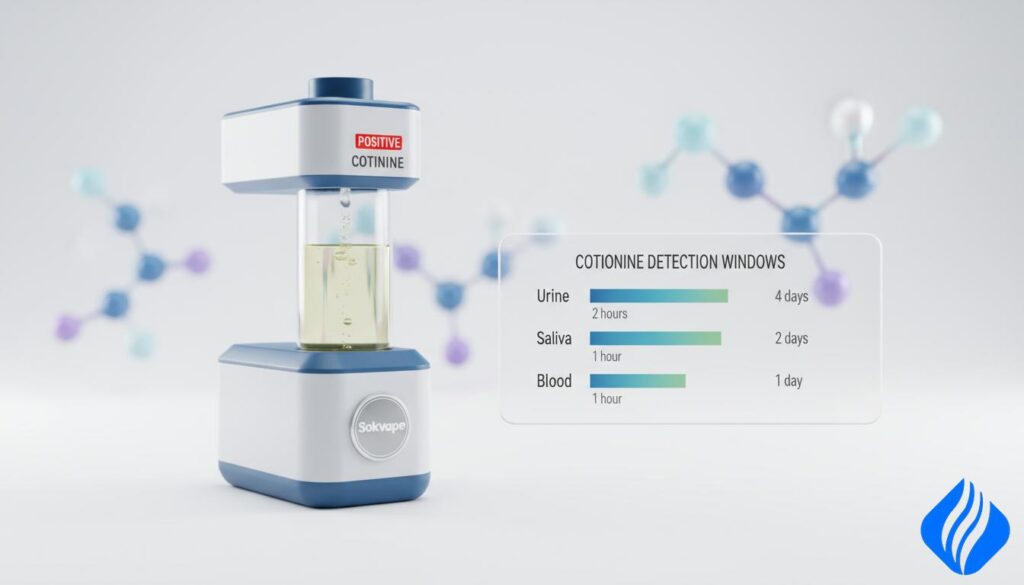
Urine Samples
Urine tests show cotinine levels differently. Light users might test positive for 3 to 4 days. But, heavy users could stay positive for up to two weeks. This method is common in clinics and workplaces.
Blood Tests
Blood tests can find cotinine for up to ten days. They give a clear picture of recent nicotine use. This is useful for checking overall exposure.
Saliva Checks
Saliva tests are easy because they don’t need blood draws. Cotinine can be found in saliva for about 4 days. This is great for a quick look at nicotine use.
Hair Analysis
Hair tests can show cotinine for up to 90 days. This long window is good for those looking at longer periods of use.
| Sample Type | Estimated Detection Window |
|---|---|
| Urine | 3-4 Days (casual) / Up to 2 Weeks (heavy) |
| Blood | Up to 10 Days |
| Saliva | Up to 4 Days |
| Hair | Up to 90 Days |
Factors That Can Affect Cotinine Levels
Many things can change how your body handles nicotine’s leftovers. Your body’s unique setup and daily habits are big factors. Lab tests might find tiny amounts of these leftovers in your blood, measured in nanograms per milliliter (ng/ml).
Figuring out how long cotinine stays in your system starts with your health. Knowing this helps us understand risks and make smart choices.
“Keeping track of your daily water intake can support natural clearance, which may reduce cotinine concentrations,” notes a published health report.
Role of Hydration
Drinking enough water helps get rid of these leftovers faster. It keeps our bodies working well to detox.
Metabolism Rate
Genetics and age play a part in how fast we break down nicotine. If you metabolize faster, cotinine leaves your system quicker.
Frequency of Vaping and Nicotine Strength
Using vape liquids with more nicotine or vaping more often can keep cotinine around longer. We consider this when trying to use it wisely.
Secondhand Vapor and the Risk of a Positive Test
There’s a worry about the effects of shared aerosol in small spaces. Even a short time might seem okay, but could secondhand vapor lead to false test results? We aim to clear up this concern.
Understanding Secondhand Vapor
Secondhand vapor is the mist from someone else’s e-cigarette. It includes tiny nicotine particles. Being around it often in small places might not cause much harm, but it depends on the air and how close you are.
Potential for Cotinine Buildup
Cotinine is what many drug tests look for. So, there’s a question about how small amounts of it might affect test results. Our bodies can handle small amounts without showing up on tests, but it’s possible in some cases. Being around e-cigarettes a lot might slowly increase cotinine levels.
| Exposure Factor | Potential Impact | Helpful Tips |
|---|---|---|
| Ventilation | Lower aerosol accumulation | Open windows or use air filters |
| Proximity | Greater inhalation risk | Maintain safe distance |
| Duration | Higher likelihood of buildup | Limit time in enclosed areas |
Nicotine-Free Vapes and Zero Cotinine Implications
Some people prefer not to have any nicotine in their products. Sokvape.com offers options without nicotine. This means the body doesn’t produce cotinine, which is good for those who want to pass drug tests and control their intake.
Our vapes use a special heating method to create a safe vapor. This method doesn’t risk cotinine. It’s great for those who are sensitive or want to manage their health without extra chemicals. It’s also a good step for those reducing their nicotine use.
| Vape Type | Nicotine Content | Cotinine Presence |
|---|---|---|
| Traditional Nicotine E-Liquid | Contains Nicotine | Likely |
| Nicotine-Free Vapes | Zero Nicotine | None |
Is Cotinine in Vapes: The Key Question Answered
There’s a lot of confusion about cotinine and vape products. Cotinine is made in the body after nicotine is broken down. It’s rare in e-liquids but can show up in tests. One-hit detection can happen under certain conditions.
The Simple Truth
Most tests look for cotinine levels. This helps confirm nicotine use. Vapes don’t naturally have cotinine, but nicotine can lead to its presence in the blood.
How Tests Detect Usage
Tests check for nicotine or cotinine in several ways:
- Urine analysis finds nicotine byproducts for days.
- Saliva tests are good but have a shorter window.
- Blood tests look for specific markers but need precise timing.
Implications for Insurance or Employment
Nicotine testing for insurance is a big issue. Employers might test for it too. Cotinine is a reliable sign of recent nicotine use. Users should know how their habits affect tests.
| Test Type | Detection Focus | Approximate Window |
|---|---|---|
| Urine | Nicotine byproducts | 1–3 days |
| Saliva | Metabolites in oral fluids | 1–2 days |
| Blood | Cotinine levels | A few days |
A Guide to Lowering Your Cotinine Levels
We focus on managing nicotine use to reduce its traces in the body. Drinking plenty of water helps flush out nicotine’s byproducts, shortening the time it stays in your system. It’s also wise to avoid high-nicotine products and opt for lower strengths that feel right for you.
Switching to lower nicotine levels, like 6 mg instead of 12 mg, can help. Using a mix of liquids with different nicotine levels is another strategy. This way, you can adjust the nicotine strength to your liking without losing flavor.
We encourage you to explore ways to reduce your nicotine level for a healthier lifestyle. Our aim is to help you lower nicotine intake through smart choices and habits. This can greatly reduce your exposure, making vaping only when needed.
| Nicotine Strength (mg) | Usage Consideration |
|---|---|
| 20 | Strong intensity |
| 12 | Moderate balance |
| 6 | Reduced impact |
| 3 | Mild throat hit |
| 0 | Nicotine-free option |
Conclusion
Cotinine is the key marker for nicotine use, not a substance in vape liquid. It shows how our bodies break down nicotine into something we can measure. This understanding helps us decide if moving to lower or zero-nicotine e-liquids is right for us.
It’s important to know how tests measure nicotine use. Each person’s body is different. Things like how fast we metabolize, how much we drink, and how often we vape affect how long cotinine stays in our system. This info helps us plan for tests or get help to quit nicotine.
Every person’s journey is unique. Some choose to go nicotine-free for safety, while others need counseling or programs. Knowing how cotinine works helps us make these choices with confidence. We’re here to support your efforts to reduce harm and make better vaping choices.
 English
  German
  Dutch
Dutch  Danish
  Czech
Czech  Italian
  Slovenian
  French
  Hungarian
  Spanish
  Polish