

what does a vape headache feel like can vary by nicotine dose, hydration, and sensitivity to e-liquid ingredients.
We address this as an evidence-based, harm-reduction guide for adult vapers (21+) in the United States. Medical reports link high nicotine, dehydration, and sensitivity to propylene glycol or flavorings with headaches. We set clear expectations: later sections include hands-on testing after 5000 puffs, core specs (mAh, ml, 2%/5% nic salts, mesh vs dual mesh, USB‑C), and competitor comparisons (Geek Bar, Lost Mary, Raz) on puffs-per-dollar and flavor consistency.
Nicotine warning: This content discusses nicotine-containing products. Nicotine is an addictive chemical. Vaping products are intended for adults of legal age only and should be used responsibly.
We will define common sensations, likely mechanisms — including nicotine-related vasoconstriction, dehydration, and chemical sensitivity — and give quick self-checks, immediate relief steps, and prevention. Severe or persistent symptoms require medical evaluation; escalation signs will be listed later.
Key Takeaways
- Symptoms vary by nicotine level, hydration, and individual sensitivity.
- Immediate fixes include reducing intake, hydrating, and checking e-liquid ingredients.
- We test devices after 5000 puffs and compare puffs-per-dollar and flavor stability.
- Core specs covered later: mAh, ml, nic salt %, mesh vs dual mesh, USB‑C charging.
- Severe or unusual pain needs prompt medical evaluation.
What does a vape headache feel like in real life?
Here we translate common reports into clear symptom patterns and plausible triggers. We focus on practical descriptions adults report after sessions and on short-term causes such as nicotine dose, dehydration, and throat irritation.
Common patterns
Dull, pressure — many people describe a tight band or heaviness across the brow. This often links to steady nicotine intake or mild dehydration.
Throbbing/pulsing — others report rhythmic pulses tied to stronger doses or sensitivity to solvents and flavorings. That pattern tends to feel more intense and mobile.
Where it lands
Pain often sits at the temples, forehead, or back of the head. Some report an all-over heaviness. Location alone does not identify one cause.
Migraine signs and timing
If light or sound sensitivity, nausea, or reduced function occur, suspect a migraine pattern and consider medical review. Onset can be immediate after use or delayed by hours when dehydration and after-effects appear.
Extra symptoms such as dry mouth, throat irritation, dizziness, or anxiety commonly travel with these episodes. When the pattern repeats after vaping sessions, vaping is more likely a meaningful trigger.
Why vaping can trigger headaches for some people
We outline the key mechanisms—vascular, fluid balance, and chemical sensitivity—that often underlie episodic head pain.
Nicotine and blood vessel narrowing
Nicotine is a stimulant. It can cause blood vessels to narrow (vasoconstriction). That change can alter cerebral blood flow and, in some users, trigger headaches.
Dehydration links
Dry mouth is common during vaping and signals fluid loss. Mild dehydration reduces blood volume and can quickly bring on pain.
Propylene glycol sensitivity
Propylene glycol (PG) pulls moisture from mucous membranes. For people with sensitivity, PG can irritate tissues and contribute to symptom onset.
Flavoring and additive reactions
Flavor ingredients and other chemicals in e-liquids act like common odor triggers. One flavor may be tolerated while another provokes symptoms in the same user.
Overuse and “chain vaping”
Rapid, repeated puffs raise cumulative nicotine dose and warming of the coil. This increases exposure and the chance of side effects, including recurrent headaches.
“Dose, solvents, and flavor chemistry interact with physiology to determine individual risk.”
Practical note: device effects such as delivery efficiency and vapor temperature can change exposure even when labeled strengths stay the same. We cover device specs and long-run testing later.
Quick self-check: is vaping really the cause of your headache?
Begin with a focused checklist that separates product-related triggers from other causes of head pain. The goal is simple: gather clear clues you can test over 24–48 hours.

Red flags that point to product-related problems
- Lightheadedness, increased anxiety, or insomnia soon after sessions.
- Dry mouth or throat irritation that appears during or after use.
- Persistent cough or unusual chest/throat sensations with each session.
What changed recently
Check labels and recent purchases. Note any rise in nicotine or altered nicotine content. A new device can deliver more strongly even at the same labeled strength.
Tracking common confounders
Log hydration, caffeine/alcohol intake, stress, sleep, and long screen sessions. These factors can combine with chemicals in e‑liquid to worsen symptoms.
Simple action test
Pause all use for 24–48 hours. Increase water and rest. If symptoms improve, vaping is a strong suspect for that person. If severe or worsening signs appear, seek medical care.
“If the pattern repeats after resuming product use, treat that pattern as diagnostic data for your clinician.”
| Checklist item | Why it matters | Quick action |
|---|---|---|
| Head pain after sessions | Temporal link suggests exposure effect | Pause use 24–48 hrs |
| Dry mouth / throat irritation | PG or nicotine-related mucosal effect | Hydrate, try higher VG e‑liquid |
| New device or strength | Delivery efficiency can change dose | Check label, lower nicotine |
How to get relief from a vaping headache step by step
Immediate steps can cut severity and provide data on whether product exposure is the trigger. Follow this ordered plan. Keep actions simple and track changes.
Stop use and reduce sensory input
Pause all inhalation. Move to a quiet, dim room. Rest eyes and reduce noise if symptoms border on migraine.
Rehydrate strategically
Drink water first. If dry mouth, dark urine, or heavy sweating persist, add an electrolyte drink. Proper fluids often ease early headaches tied to dehydration.
Cold or warm compress
Use cold for throbbing or pulsing pain. Use warm for neck or jaw tension. Apply 10–20 minutes, then pause 10 minutes, repeat as needed.
OTC pain relief basics
Follow label dosing for acetaminophen or ibuprofen. Do not combine products with the same active ingredient. Seek medical advice if you need frequent dosing.
| Step | Why it helps | Timing |
|---|---|---|
| Stop use & rest | Removes ongoing exposure and lowers sensory load | Immediate |
| Fluids | Restores volume; reverses dehydration effects | First 30–60 minutes |
| Compress | Targets vascular vs tension patterns | 10–20 min cycles |
| OTC meds | Short-term pain relief when needed | Per label; consult if repeated |
Harm-reduction note: If symptoms ease when you stop, that is usable data. Resume cautiously with lower nicotine, fewer puffs, and more fluids.
How to prevent vaping headaches before they start
Small, consistent changes to intake and product choice can stop many episodes before they begin. We frame prevention as exposure management. Follow clear steps and track results.
Lower nicotine over time
Reduce nicotine gradually to avoid surprise high-nic products. Check labels for nicotine content and favor slower reductions so withdrawal is mild.
Choose e-liquids with care
Pick e-liquid brands that list full ingredients. Favor higher VG blends if propylene glycol sensitivity causes throat dryness.
Moderation and session pacing
Set puff limits and enforced breaks. Use timers or a counting method to avoid chain use. Frequency often drives symptoms more than single hits.
Use flavor switching as a test
Keep nicotine steady while changing flavor families. If pain follows one flavor group, chemicals or additives may be the trigger.
Quitting, withdrawal, and support
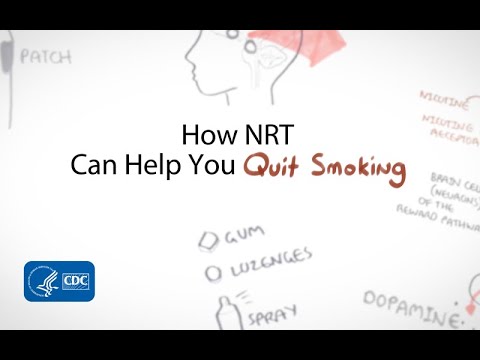
Trying to quit vaping or quit smoking can bring transient headaches from dropping nicotine. Hydrate, rest, and consider clinician-guided NRT if needed.
“If prevention steps reduce symptoms, continue; if pain persists or worsens, stop use and consult a professional.”
Hands-on testing insights: throat hit, vapor production, and flavor after 5000 puffs
Our lab-style runs tracked delivery, warmth, and taste stability through roughly 5,000 puffs. We used a steady cadence and constant ambient conditions to keep results comparable.
Throat hit: smooth versus strong
Throat hit signals nicotine delivery. Higher nicotine salts felt sharper and raised coughing risk. That sharper hit can push users to over-inhale and report a brief head rush tied to blood pressure shifts.
Vapor production and coil variables
Airflow and coil design changed cloud density and warmth. Mesh gave even clouds; dual mesh increased heat and density. Warmer, denser vapor raised mucosal dryness, which can contribute to dehydration and trigger headaches for some users.
Flavor consistency after 5000 puffs
Top-note sweetness faded first. Base cooling and menthol notes held longer. Sweetener buildup and coil saturation drive early drop-off in many e-liquids.
Troubleshooting if flavor fades early
- Slow pacing and add water to counter dryness.
- Avoid chain sessions and check airflow for blockage.
- Inspect battery output; low power can overheat coils and taste harsh.
“Stronger delivery and warmer vapor change perceived effects — dry mouth, throat irritation, and a transient head sensation.”
For related respiratory cues, see why vapes make me cough.
Product comparisons: specs, puffs-per-dollar, and flavor consistency (Sokvape picks)
We run side-by-side spec and value checks to reveal practical differences between models. Our standards: compare objective specs, observed flavor stability, and compute puffs-per-dollar using advertised puff counts and retail price at review time. Advertised counts are estimates; real use varies.
Main product deep dive
- Battery capacity: 650 mAh
- E-liquid volume: 12 ml
- Nicotine strength: 2% and 5% nicotine salt options
- Coil type: Mesh
- Charging: USB‑C (fast charge ~30–45 min)
Competitor snapshot — Geek Bar
- Battery: 1000 mAh
- Liquid: 20 ml
- Nicotine: 5% typical
- Coil: Dual mesh
- Charging: USB‑C (if rechargeable model)
Competitor snapshot — Lost Mary / Raz (flavor focus)
- Battery: 650–850 mAh
- Liquid: 12–16 ml
- Nicotine: 2% or 5%
- Coil: Mesh or dual mesh depending on variant
- Charging: USB‑C on many units
| Model | Advertised puffs | Price (sample) | Puffs-per-dollar | Flavor consistency |
|---|---|---|---|---|
| Main product | ~4000 | $12 | ~333 | Good — steady until coil saturation |
| Geek Bar | ~6000 | $18 | ~333 | Very good — larger reservoir aids stability |
| Lost Mary / Raz | ~4500 | $14 | ~321 | Excellent top-note retention; sweeteners fade quicker |
How specs influence headaches: higher nicotine delivery and efficient coils raise systemic dose per puff. That can alter cerebral blood flow through vasoconstriction. Hotter coils increase mucosal dryness and vapor temperature, which can worsen dehydration and trigger symptoms in sensitive users.
Check ingredient labels for PG/VG ratios and additives. Propylene glycol and certain cooling agents can provoke irritation in people with sensitivity. For clinical context on possible links between use and head pain, see this summary from related reporting.
Browse comparable Disposable Vapes or current deals on Hot Sale. For brand-level checks try RandM and Bang.
Conclusion
This final section gives concise takeaways and safety steps for adults who notice head pain after sessions. For many people the symptom can feel like dull pressure or throbbing pain tied to nicotine, dehydration, or sensitivity to chemicals such as propylene glycol.
Practical action stack: stop use temporarily, hydrate, lower nicotine, pause sessions, and reassess before resuming. If symptoms are severe, frequent, or include vision or balance changes, seek medical care.
User FAQ — How to know if it’s empty? Look for reduced vapor, muted flavor, blinking LEDs, tighter draw, or a burnt taste. How to recharge safely? Use the correct USB‑C cable, avoid damaged cords, charge on a non‑flammable surface, and do not leave charging unattended. Is it authentic? Check the product QR or verify via the brand site link: sokvape.com.
For research context on symptoms and reporting, see relevant population studies. Nicotine is an addictive chemical. This article is for adults of legal age and supports informed, safety-first decisions. If you plan to quit vaping or smoking, expect short-term side effects and seek support.
 English
  German
  Dutch
Dutch  Danish
  Czech
Czech  Italian
  Slovenian
  French
  Hungarian
  Spanish
  Polish