

Act now: Nothing stops a session faster than a sticky cartridge. We at SOKVAPE offer an immediate first step: try a gentle warm-up and a short dry draw, avoid poking the coil, and replace the cartridge if residue will not clear.
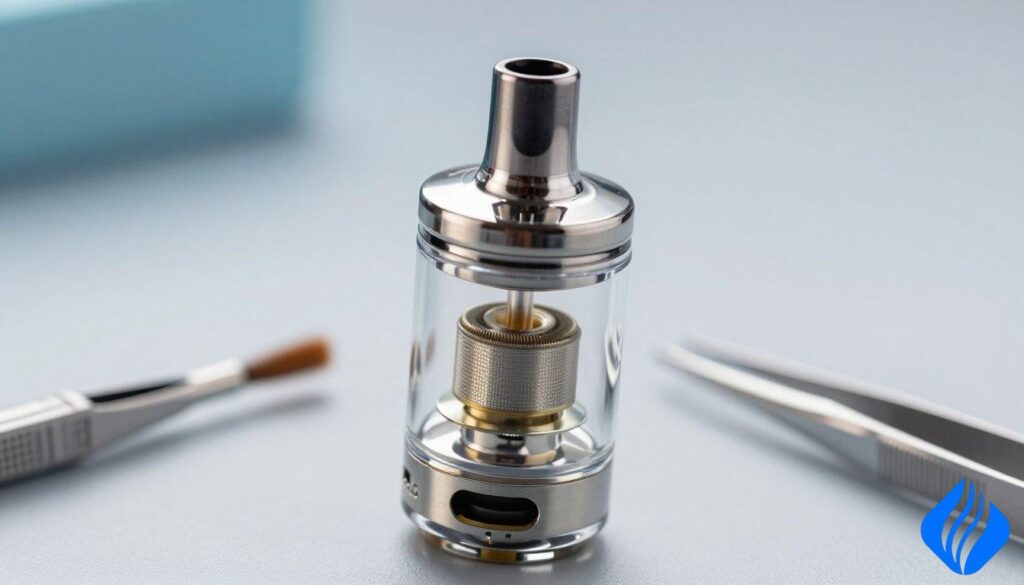
What a cartridge is: A typical cartridge includes a mouthpiece, a heating element or coil, and the oil reservoir. Airflow can restrict from thick oil, condensation in the airway, temperature swings, improper storage, or low battery power that leaves sticky residue.
Many ask “why does my vape pen get clogged.” This issue is common, usually fixable, and often preventable with proper technique, temperature control, and routine maintenance.
We will start with quick fixes, move to a safe step-by-step method, and end with long-term prevention and hardware choices. Expect clear terms like draw-activation, coil priming, mesh coils, and lithium-ion battery safety. If clogs persist, SOKVAPE can match compatible carts and batteries to improve airflow and heat delivery.
Key Takeaways
- Warm the cartridge gently and try a short dry draw first.
- Avoid poking coils or using metal tools that can damage the atomizer.
- Cold oil thickening and low battery output are common clog causes.
- Regular cleaning and proper storage reduce clogged vape events.
- SOKVAPE can help pair cartridges and batteries for better performance.
Direct Answer: What to Do When a Vape Cartridge Clogs
Start with a quick, safe checklist to restore airflow and vapor without risking damage. Stop chain-hitting. Check the airway and battery connection. Try a gentle dry pull to dislodge light condensation.
Use preheat or a brief warm-up for a few seconds, or hold the cartridge in your hand to transfer body heat. Do not use open flame or excessive heat. After warming, retest with a slow, controlled draw.
Know your device type. On button-activated units, short dry pulls are safer because they avoid accidental heating. Draw-activation devices need cautious pulls to prevent repeated firing that can scorch the coil and cause a burnt taste.
- Do this first (under 1 minute): stop chain puffs, stand the cart upright, inspect the mouthpiece, try a gentle dry pull.
- Swap to test: try a different battery if airflow and vapor stay weak—low power can mimic a clog.
Do not force a hard pull, jam tools into the airway, overheat the cartridge, or keep firing through resistance. These actions risk coil damage and sticky residue that makes future clogs worse.
Clog Symptoms: How to Tell If You Have a Clogged Vape Cart
A sudden hard draw or faint pull often signals a blocked airway or oil pooling near the mouthpiece. These signs point to different root causes like viscosity, temperature, storage, power, or hardware design.
Restricted airflow and hard draws
When inhaling feels tight, the airflow is likely limited by a blocked inlet, mouthpiece residue, or pooled oil near the intake holes. A stiff draw often means the cart needs a quick inspection before you apply heat or power.
Burnt or harsh taste from uneven heating
A sharp, burned flavor usually means oil isn’t feeding the coil evenly. Stop using the cart if the taste appears. Continued use can worsen coil damage and harm the overall experience.
Inconsistent vapor production and “thin clouds”
Low or thin vapor can indicate a partial blockage, low battery output, or a saturated chamber that can’t vaporize efficiently. Take note if vapor quality drops between pulls.
Oil spitback: oil in your mouth or on your hands
Spitback happens when condensation or chamber flooding pushes liquid up through the mouthpiece. It’s messy and shows the chamber is overfilled or the airway is compromised.
- Quick self-check: inspect the mouthpiece for visible buildup and confirm the cart was stored upright, not on its side.
- Pause use if symptoms escalate—burnt taste or repeat spitback signal it’s time to stop and inspect the hardware or battery.
Next: These symptoms help pinpoint likely causes—viscosity, temperature, storage, power, or design—so you can choose the right fix or replacement. For compatible options and gear, see our shop premium vapes.
Why does my vape pen get clogged?
We start with a short overview of common causes so you can spot the issue fast.
Oil viscosity and formulation
Think of oil like honey. Thick distillates and oils with particulates or recrystallizing compounds resist wicking. That leads to slow flow and repeated clogs in the cartridge.
Temperature swings
Cold temperatures thicken oil and stop it from reaching the coil. High heat thins oil and can flood airways, then re-thicken when it cools. Both directions create blockages.
Condensation and residue
Vapor cools inside the mouthpiece. Condensed droplets leave residue that narrows holes and reduces airflow. This cycle repeats unless cleaned.
Storage, flooding, batteries, and hardware
- Improper storage — flat, direct sun, or a hot car — moves oil into problem zones.
- Chamber flooding happens when wicks oversaturate, causing gurgles and spitback.
- Low battery output prevents full heating, leaving sticky residue on the coil.
- Higher-quality components like ceramic cores and mesh coils wick more evenly than older cotton designs.
- Mismatched cart-to-battery combos can underheat or overheat the cartridge and disrupt air flow.
Tip: Match cartridge viscosity to device power and inspect inlet holes regularly to reduce repeat clogs.
Safety Warning: Battery Handling and Heat Use Before You Unclog
We must protect you and the device. Detach the cartridge from the battery before any work. This prevents accidental activation and reduces electrical risk.
Lithium-ion battery safety basics
Inspect the battery for dents, torn wraps, or leaks. Do not use damaged cells. Keep batteries dry and avoid contact with alcohol or water while powered.
- Never charge unattended or with unknown chargers.
- Store spare batteries in a protective case and away from metal objects.
Preventing dry hits and coil damage on draw-activation devices
On draw-activated units, pulling through a blocked airway can heat an under-saturated coil. That causes a dry burn and ruins flavor. Pause if airflow feels tight and avoid long hard pulls.
Safe warming limits
Use gentle heat only. Hold the cartridge in your palm for a minute or apply a hair dryer on low in short 5–10 second bursts from a few inches away. Stop immediately if the cart feels hot to the touch.
Do not use open flame or high heat.
| Action | Risk | Stop & Replace If |
|---|---|---|
| Detaching cartridge | Prevents accidental firing | Battery or cart connection damaged |
| Gentle warming (hair dryer) | Loosens thick oil | Repeated leaks or burnt taste |
| External cleaning with isopropyl | Removes residue safely | Cracked glass or uneven heating |
Final note: Prioritize quality products and lab-tested hardware. If problems persist after safe checks, replace the cartridge to avoid further damage or risk.
Quick Fixes You Can Try First (No Tools)
Start with simple moves you can do in seconds to restore smooth airflow and avoid damage. These steps protect the coil and keep oil flow steady without tools.
Inhale slowly to warm thick oil
Take a gentle, controlled draw. Slow inhales transfer heat and thin oil. This often restores normal airflow without forcing liquid into the mouthpiece.
Use preheat or a brief warm-up
On compatible batteries, engage preheat for 3–5 seconds, then pause for a few seconds before a controlled draw. This loosens viscous oil without overheating the coil.
Try a gentle “dry pull” without firing
Seal the mouthpiece with your lips and pull air through slowly. A dry pull clears light condensation in the airway without activating the heater.
Stand the cart upright for a short time
Rest the cart upright for 5–10 minutes. Gravity moves pooled oil away from the mouthpiece and often stops minor spitback or resistance.
SOKVAPE pro-tip: a short, gentle blow
Pro-tip: A brief, soft blow into the mouthpiece can clear a minor flood. Do not blow hard if you see active leaking—stop and move to cleaning steps.
“Quick, safe fixes save time and preserve hardware when performed carefully.”
If the issue returns immediately: move on to the step-by-step cleaning section to avoid repeated damage or persistent oil buildup.
Step-by-Step: How to Unclog a Vape Cartridge Safely
We outline a safe, ordered method to restore airflow and prevent further damage to the cartridge. Follow each step calmly and stop if you detect leaks or a burnt taste.
Detach the cartridge from the battery
Remove the cart to avoid accidental activation. Inspect for cracks, pooled oil, or damage before proceeding.
Clean the mouthpiece with a cotton swab
Use a dry or slightly damp cotton swab to remove visible residue and condensation rings that narrow holes. Work gently around the opening.
Clear the airway carefully
At the very entrance, use a pin, toothpick, or needle with zero force. Do not push debris deeper or pierce seals.
Warm the cart to loosen thick oil
Hold it in your palm or use a hair dryer on low in short bursts (5–10 seconds). Let it cool between passes to avoid overheating the coil.
Wipe connection points with isopropyl alcohol
Clean threads and contacts with a cotton swab and isopropyl alcohol, then allow everything to dry fully before reassembly.
Reattach, test airflow, and take a controlled draw
Test air first without firing. If clear, take short pulls and practice coil priming—short puffs with pauses—to stabilize wicking.
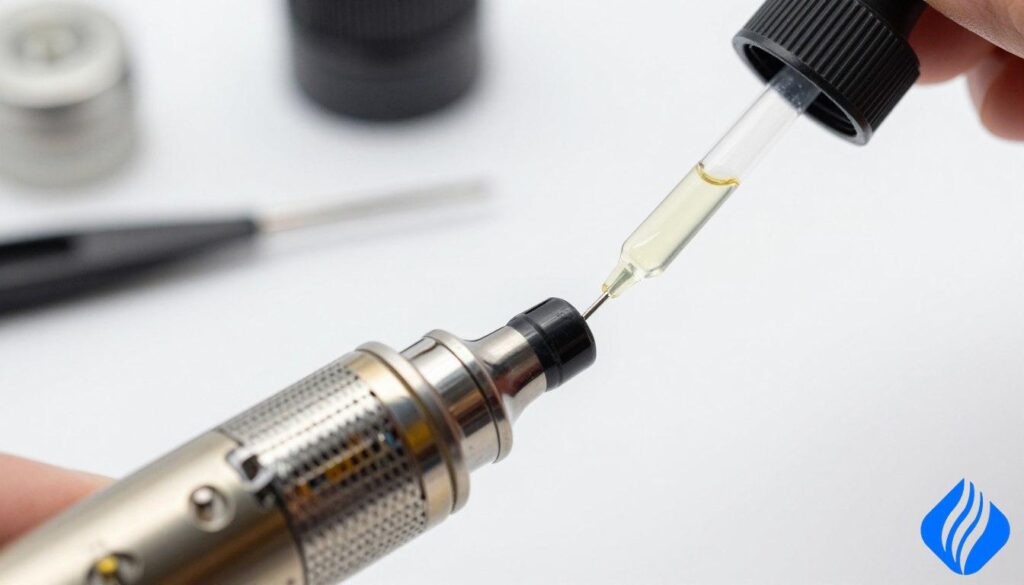
If this routine fails: try a different battery to check power compatibility, or replace the cartridge if leaks or burnt flavor persist.
Troubleshooting Table: Symptoms vs. Fixes vs. Likely Causes
Use this quick diagnostic chart to match symptoms to safe fixes and avoid damaging the cartridge. It helps us act fast and keep safety first.
Common signs
Restricted draw, burnt taste, low vapor, gurgling, spitback, leaking.
| Symptom | Safest Fix (sequence) | Likely Cause / Stop & Replace |
|---|---|---|
| Restricted draw | Stand cart upright → gentle dry pull → clean mouthpiece → clear airway lightly | Airway residue or pooled oil; stop/replace if persistent |
| Burnt taste | Detach battery → pause use → test on another battery → don’t force draws | Dry coil / uneven heating; stop & replace if taste remains |
| Low vapor | Try preheat → check battery connection → short controlled draws | Partial clogs, low battery output, or viscosity vs. temperature mismatch |
| Gurgling / spitback | Upright rest → soft SOKVAPE blow-out → short warm-up → test | Chamber flooding or condensation; stop if repeated leaking |
| Leaking | Wipe contacts → clean threads → store upright and cool → replace seals if needed | Heat-thinned oil, bad seals, or poor storage; replace cart on repeat leaks |
Most repeat clogs come from storage, pacing, and temperature swings. Follow the fixes in order to avoid worsening residue or coil damage.
Prevent Clogs Long-Term: Storage, Temperature, and Technique
Long-term prevention hinges on three simple controls: where you store carts, the heat they face, and how you draw over time.
Storage and temperature
Store vape cartridges upright in a cool, dry place. Upright storage stops oil pooling and reduces leaks near the mouthpiece.
Avoid leaving carts in direct sun or a hot car. Cold temperatures thicken oil and slow wicking, so keep temps steady.
Settings, pacing, and cleaning
Dial in conservative heat or voltage. High heat burns oil and creates sticky residue that narrows airflow over time.
Wait a few seconds between short pulls. This pacing prevents flooding and cuts condensation in the airway.
Make sure you wipe the mouthpiece and battery contacts regularly with isopropyl alcohol. Allow parts to dry fully before use.
| Action | Benefit | Make sure |
|---|---|---|
| Store upright, cool | Reduces pooling and leaks | Keep out of sun and hot cars |
| Conservative heat settings | Prevents burnt oil residue | Use correct voltage range |
| Pacing between draws | Limits flooding and condensation | Short pulls, pause 5–10 seconds |
| Routine cleaning with isopropyl | Keeps mouthpiece and contacts clear | Dry fully before reattaching |
Tip: A small kit with a cleaning swab and spare battery case saves time and reduces repeat issues when you travel or store carts.
Hardware and Oil Choices That Reduce Clogging
A thoughtful match of cartridge tech, oil viscosity, and battery power cuts repeat flow problems. We focus on proven components and sensible product choices to keep airflow steady and heating even.
Cartridge tech that helps
Porous ceramic cores wick more evenly than old cotton designs. Mesh Coils spread heat across a larger surface. Together they reduce cold spots and sticky buildup around the coil.
Oil selection basics
Thicker oil needs wider inlet holes and stronger power to flow reliably. For e-liquids, match the PG/VG ratio to the cartridge’s wicking style. Make sure viscosity and device power align before use.
Compatibility checks
Verify threading, airflow path clearance, and the cartridge’s voltage range against your battery. Small manufacturing tolerances in cheap products often cause leaks, uneven heating, and repeat issues.
Quality control and brands
Choose lab-tested oil and reputable brands. Fewer impurities mean less residue and longer coil life. Replace suspect cartridges when leaks or odd tastes persist.
Pro-tip: Keep a small battery case and cleaning swabs in your kit for safe transport and quick maintenance.
Bottom line: The best anti-clog strategy pairs the right oil, cartridge tech, and battery power for reliable performance.
Legal Disclaimer: Travel and Location Rules for Vape Pens in the United States
Legal disclaimer: This is a compliance overview, not legal advice. We urge readers to verify current rules before travel.
TSA/FAA compliance essentials
Follow federal air rules. Carry devices and spare Lithium-ion battery safety gear in carry-on luggage. This reduces fire risk and aligns with TSA guidance.
- Keep vape pens and spare batteries in carry-on only.
- Protect terminals with a case or tape to avoid short circuits.
- Avoid loose batteries in pockets or checked bags.
PACT Act awareness and shipping
PACT Act awareness affects how vendors ship age-restricted products. Shipments can be delayed or refused, so order replacements with extra time before travel.
Local law variability (2026)
State and municipal rules change often. Confirm destination rules, venue policies, and public-use restrictions before you go.
Safety tie-in: Proper battery storage lowers damage risk and reduces power issues that can worsen cartridge flow during travel.
Conclusion
A quick checklist at the end ties symptom ID to safe fixes and long-term care. Spot tight draws, address oil viscosity and temperature, clear the mouthpiece, then protect the coil from dry hits.
Most clogs come from storage position, temperature swings, condensation, low battery power, and compatibility between cartridge and components. Match oil to device power and keep airflow steady.
For routine care, store upright, pace short draws, and do quick cleanups with isopropyl and a cotton swab. If leaks, cracks, or burnt taste persist, replace the cartridge or contact SOKVAPE. We can help match oil viscosity and hardware like ceramic cores or Mesh Coils for better performance and quality vapes.
FAQ
Q1: Why does my vape pen get clogged so often even with a new cartridge? — Temperature, storage, low battery, or incompatible oil formulation. Check power and placement.
Q2: Can I use a hair dryer to unclog a vape cartridge? — Use low heat in short bursts. Stop if it feels hot or leaks.
Q3: Why am I getting oil in my mouth? — Condensation or chamber flooding; stand cart upright and try a soft blow-out, then pace draws.
Q4: Does a low battery cause clogs? — Yes. Low power leaves sticky residue and poor vaporization; charge before testing.
Q5: How do I prevent clogs long-term? — Store upright, control temperature, clean contacts, use proper priming coils, and pace vaping.
 English
  German
  Dutch
Dutch  Danish
  Czech
Czech  Italian
  Slovenian
  French
  Hungarian
  Spanish
  Polish