

Yes, you can bring a vape on a plane, but strict TSA and FAA rules apply as of 2026. We state the essentials up front: devices with lithium batteries must travel in carry-on luggage, using battery safety steps to avoid fires. Vaping in flight is banned, and some regions carry heavy penalties — Mexico, for example, can fine travelers up to $12,500 for illicit nicotine or THC devices.
We wrote this guide for U.S. travelers to set clear expectations. The TSA permits devices in carry-on only. E-liquid follows the 3.4 oz (100 ml) liquids rule in a quart bag. The core risk is the battery plus heating element, which is why security focuses on safety rather than personal use.
Common travel pain points include screening delays, accidental activation in checked bags, leaks at altitude, and international confiscation. We will give practical packing steps, and explain why many choose high-quality disposable options like Sokvape.com for fewer parts and easier compliance.
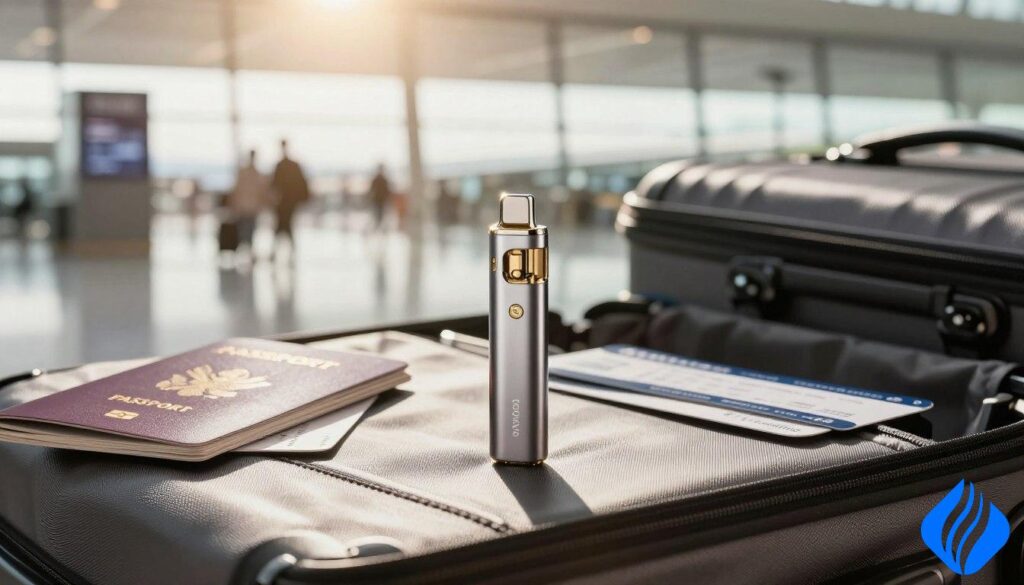
Key Takeaways
- Carry batteries in carry-on: lithium cells must not go in checked luggage.
- No vaping during flights: use remains prohibited aboard aircraft.
- Pack e-liquid carefully: follow the 3.4 oz / 100 ml liquids rule.
- Know local laws: THC devices can trigger fines and law enforcement.
- Choose simple devices: quality disposables ease travel and reduce checkpoint questions.
As of 2026: The TSA and FAA baseline rules for vape pens on flights
As of 2026, federal guidance makes a clear split: devices with lithium cells must travel in your carry-on bag, not checked luggage. This rule exists because cargo holds can mask heat and make thermal events worse.
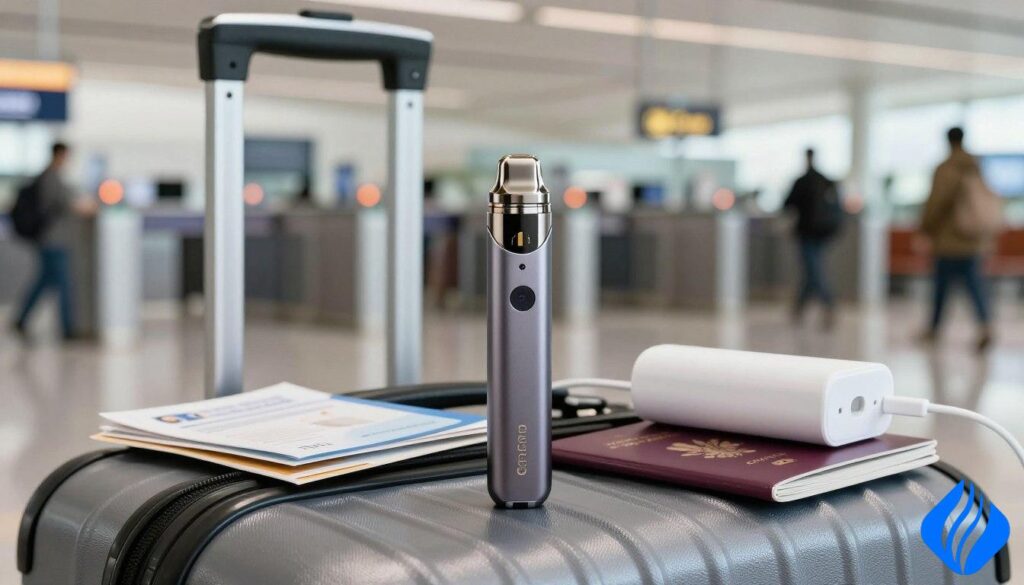
In practice: keep the device powered down, protect terminals, and pack spare lithium-ion batteries in a protective case inside your carry-on bag. Airlines may add tighter limits, so check carrier-specific regulations before departure.
Why use this rule? The FAA enforces no-smoking policies and cabin safety. Battery fires and cabin air quality risks justify the ban on use during flight and in jet bridges. Even a small puff in a lavatory can trigger smoke detectors and rapid escalation.
- Baseline: you can bring the device, but you cannot use it during a flight.
- Consequences: confiscation, incident reports, possible diversion, law enforcement on landing, airline bans, and civil fines reported above $25,000.
For step-by-step packing guidance and carrier notes, review our concise travel rules at travel rules.
Are vape pens allowed on planes in the United States?
For U.S. flights, a simple packing habit prevents common screening hassles and legal risk.
Quick rule of thumb: nicotine vapes, pods, and disposable vapes travel in your carry-on. Keep batteries protected and liquids in the 3.4 oz quart bag. A tidy pouch speeds screening.
What TSA screens for versus law enforcement concerns
TSA focuses on safety threats: hazardous items and battery fire risk. Officers do not actively search for cannabis, but discovery of suspected THC products can trigger referral to local police.
To stay low-risk, present a clean device with no visible residue, avoid loose cells in a checked bag, and pack e-liquid correctly. Strong cannabis odor or unclear cartridges often escalates an inspection.
- Pack clean: wipe residue, seal cartridges, and keep spare batteries covered.
- Stay calm: answer questions briefly and cooperate if agents request inspection.
- Simple option: quality disposable products reduce parts and make packing easier—still carry-on only.
Lithium-ion battery safety you need to know before you fly
Lithium batteries MUST be in carry-on luggage. This rule exists because crews can act in the cabin. They cannot access a cargo hold if a thermal event starts.
How incidents happen: crushed gear, bridged terminals against keys or coins, or a pressed fire button inside a packed bag.
Prevent accidental activation
Power devices off. Engage lock mode if available. Separate the cartridge or pod from the battery to reduce accidental activation.
Packing spare cells safely
No loose cells in a pocket or toiletry case. Store each spare in a protective case with terminals covered. Keep spares inside your carry bag, away from metal objects.
Charging and airline rules
Do not charge your device in flight. Many carriers prohibit onboard charging. If an officer asks, show the device is powered down and protected.
| Risk | Cause | Prevention |
|---|---|---|
| Short circuit | Contact with metal | Protect terminals; use cases |
| Accidental activation | Button pressed in bag | Lock mode; separate cartridge |
| Thermal event | Crushed luggage | Carry in cabin; keep in carry-on |
If you want a quick checklist before security, see our travel rule page for step-by-step guidance.
How to pack a vape for air travel without leaks, mess, or security delays
A careful packing routine keeps liquids contained and moves you through screening faster.
Leak prevention at altitude
Pressure shifts and warmth push liquid through tanks and pods. To prevent spills, empty refillable tanks before travel. Cap pods and store cartridges upright inside a sealed pouch.
E-liquid and carry-on liquids rules
Follow the 3.4 oz (100 ml) limit. Place all e-liquid bottles in a single quart-sized liquids bag. Keep the bag near the top of your carry-on bag for quick access at checkpoints.
Where to place devices for screening
Use a tidy pouch so a security officer can inspect devices without digging through clothes. We recommend the pouch sit on top of your personal item or carry-on bag for fast presentation.
Accessories checklist
- Pack chargers and cables neatly; coil wires to avoid tangles.
- Keep spare batteries in a protective case; do not hide them in checked luggage.
- Evaluate small tools—tweezers, cutters, and metal rods can trigger secondary inspection.
Quick tip: disposable products reduce leak points and simplify packing, but still travel in carry-on and must be secured against accidental activation.
Airport security screening tips for vaping devices and vape products
How you present gear at screening determines whether you get waved through or pulled aside. Stay calm and move slowly when an officer asks to inspect your items.
What to do if an officer asks to inspect your device or batteries
Stop rummaging. Take a breath. Hand the device and any battery case to the officer together.
Show them organized items: device powered off, spares in protective cases, and liquids separated in a quart bag.
How to avoid delays: odor, residue, and why “clean gear” matters
Odor or sticky residue often triggers a secondary check. Wipe 510 threads, clean the mouthpiece, and seal used pods in a small bag.
Quick mini-check: clean mouthpiece, remove goo, cover terminals. That reduces baggage searches and questions about laws or illicit products.
If you accidentally packed batteries in checked luggage: what to expect and how to fix it
If battery cells are found in checked luggage, your bag may be flagged for manual inspection. You could be paged or delayed.
Fix it fast: tell the airline agent, request bag retrieval if available, and move spares into carry-on in protective cases.
For more on how officers handle seizures and screening outcomes, see our guide will TSA take my device.
THC, CBD, and cannabis vape rules at US airports (federal vs. state realities)
Even in states with legal cannabis, airports operate under federal jurisdiction that can change outcomes fast. Federal law still classifies THC as illegal, and federal authority governs airport security and customs.
Why THC cartridges pose high risk: discovery of a THC cartridge typically triggers referral to law enforcement. That can mean confiscation, fines, or delays. Enforcement varies by hub—Denver takes a strict on-site ban posture, Boston often confiscates, LAX sometimes stays within state limits, and reports from DTW and JFK show mixed outcomes.
Hemp-derived CBD and lookalikes
Legal hemp products can still cause problems. CBD cartridges can smell and appear identical to THC carts. Officers cannot quickly confirm legality at screening, so inspection and seizure are common.
Safer options for a long trip
- Choose non-inhaled nicotine: gum, patches, lozenges, and pouches travel cleanly and cut the risk of confiscation.
- Buy after arrival: if local laws permit, purchase compliant products at your destination rather than trying to bring vape gear through checkpoints.
- Keep devices simple: a single, clearly labeled nicotine product reduces questions and screening time.
Bottom line: federal laws change enforcement at the airport. To protect your trip, avoid carrying THC cartridges. Opt for discreet, flight-safe alternatives or buy legal items after you land.
International travel and country laws: where vapes can get you fined or confiscated
International rules can turn a simple carry item into a legal problem at customs. Different countries enforce their own regulations and penalties. That means a device or liquid that passes U.S. checkpoints may trigger fines abroad.
Mexico warning
Do not bring vaping gear to Mexico. Import restrictions and routine confiscation create real legal and financial risk for travelers and can ruin a destination visit.
High‑penalty countries
Thailand and Qatar impose strict bans and severe penalties. Carrying hardware or cartridges through customs can lead to arrest or heavy fines.
Surprise strict rules
Japan limits nicotine e-liquids. China restricts flavored liquids. The UK caps many e-liquid containers at 10 ml. These rules catch travelers off guard.
Layovers and customs
Transit through a strict country exposes your bag to local enforcement. Even a short stop can mean seizure under that country’s regulations.
Traveler’s checklist
- Do: check official country guidance and airline rules before packing.
- Do: carry only permitted items in carry‑on when allowed.
- Don’t: transport THC products across borders.
- When in doubt: travel without these items and buy compliant supplies after arrival.
| Country type | Example | Consequence |
|---|---|---|
| Import restrictions | Mexico | Confiscation, fines |
| Outright ban | Thailand, Qatar | Arrest, heavy fines |
| Strict limits | Japan, China, UK | Seizure, denial of entry |
Venue-specific rules: Disney parks, cruises, hotels, and hospitals
Venues set rules that often matter more than state law; ignore them at your risk. We show practical steps so you avoid fines, removal, or costly cleaning charges.
Disney parks and large attractions
Designated areas: Disney treats vaping like smoking and limits use to marked spots. If you step outside those areas, expect enforcement.
Storage tip: keep devices powered off and tucked in a pouch inside your bag. Visible clouds draw attention and often end in confiscation.
Cruise lines and boarding rules
Most ships require devices in carry-on during embarkation screening. Cabins usually prohibit use and balconies may have strict etiquette.
Follow posted rules; even one puff in the wrong place can lead to sanctions. For detailed policy comparisons, see our cruise policy guide.
Hotels, hospitals, and public buildings
Modern smoke and vape detectors sit near ceilings and sprinklers. Vapor can trigger alarms and a non-smoking room fee.
Hospitals enforce zero tolerance. Public buildings often treat vaping like smoking and will ask you to leave or fine you.
Do’s and don’ts
- Do: use only posted areas and carry devices secured in your bag.
- Don’t: vape in restrooms, tamper with detectors, or assume odorless products go unnoticed.
- Do: ask staff where smoking areas sit before you light up or use a product.
Conclusion
As of 2026, follow safety-first rules to protect your trip and your wallet. You can usually travel with a nicotine device, but do it correctly.
Key actions: keep lithium batteries in carry-on, power devices off, follow the 3‑1‑1 liquids rule, and never charge or use during a flight. THC items risk federal referral at any airport and can bring serious penalties abroad.
Quick checklist to screenshot: carry-on only; battery case; device off; liquids bagged; clean gear; obey venue rules at Disney, cruises, hotels, and hospitals. Many travelers prefer high‑quality disposables to reduce parts and leaks—see our linked TSA guidelines for full packing details.
 English
  German
  Dutch
Dutch  Danish
  Czech
Czech  Italian
  Slovenian
  French
  Hungarian
  Spanish
  Polish