

Yes — as of 2026, most U.S. travelers can bring vape devices onto a cruise, but rules are strict. Mexico and some ports may levy steep fines — up to $12,500 — for illegal use or possession.
We set a safety-first baseline: lithium batteries must remain in carry-on luggage, and loose batteries must be protected against short circuits. Airports add a second layer of rules, including the 100 ml limit on liquids when flying.
The right answer depends on travel mode, cruise line, and itinerary. Screening at the terminal and onboard policies treat vaping like smoking: allowed in designated areas only. Many travelers choose high-quality, travel-friendly disposable options such as Sokvape.com for simplicity and fewer moving parts.
Quick preview: we cover carry-on battery rules, how to avoid leaks, where to store devices during embarkation, and compliance tips to avoid confiscation or fines.
Key Takeaways
- As of 2026, follow airport and cruise line rules; penalties can be severe.
- Keep lithium batteries in carry-on and protect terminals from short circuits.
- Vaping is allowed only in designated ship areas; policies vary by line and port.
- Limit liquids to 100 ml when flying and secure tanks against leaks.
- Consider reliable disposable devices for ease and fewer moving parts.
As of 2026, the rules that decide where your vape can go
As of 2026, three overlapping systems govern what travelers may bring onboard: federal flight rules, port screening, and the cruise line’s onboard policy. We keep this simple. Follow the strictest rule that applies to your trip.
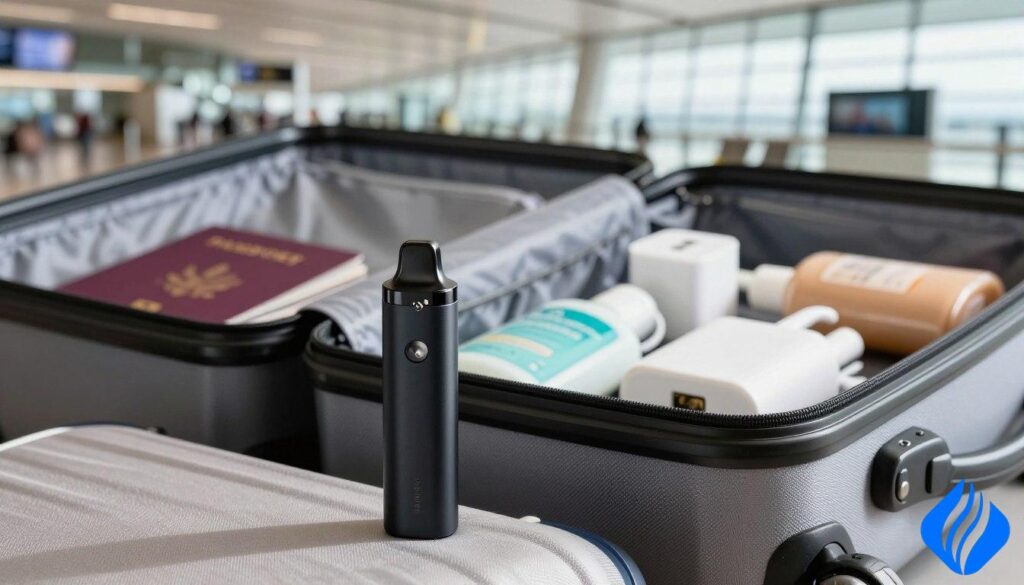
TSA/FAA basics: airlines expect lithium batteries and related devices in carry-on luggage. Screeners can ask to inspect gear. Larger batteries may be refused due to fire risk.
Embarkation screening: many cruise lines run x-ray checks and may perform randomized or compulsory bag searches. Packing for quick inspection cuts delays and reduces confiscation risk.
Why policies vary: ports, ship type, and onboard venues shape restrictions. Some ships offer designated smoking zones; others limit use to protect passenger comfort. Homeport laws can add separate regulations and confiscation exposure when you disembark.
| Authority | Primary Focus | Common Requirement |
|---|---|---|
| TSA/FAA | Airline safety | Keep batteries in carry-on luggage |
| Port/Terminal | Local screening | Random bag checks; follow local regulations |
| Cruise line | Onboard policy | Use limited to designated areas |
When planning, check the cruise line website or concierge and review airline guidance. For flight-specific questions, our guide on airline carry-on rules is a useful reference.
Where do i pack my vape for a cruise
We start with the safety rule that matters most. Keep devices and spare batteries with you. That makes inspections faster and reduces fire risk.
Carry-on luggage vs. checked baggage: what goes where (and why)
Answer: devices and spare lithium cells MUST be in carry-on luggage. Checked bags are for clothes and non-battery accessories only.
Lithium battery safety warning
Non-negotiable: loose lithium batteries in checked luggage can be confiscated and create a severe hazard. Protect terminals with caps or individual sleeves.
E-liquids and the 100 ml rule
When flying, e-liquids must follow TSA rules: containers under 100 ml and inside a clear quart-size bag. That bag goes in carry-on for screening.
Prevent leaks and accidental firing
Separate tanks from mods and keep bottles partially filled to limit pressure changes. Use the device lock and cap pods when possible.
How to protect pods, coils, and disposables
Store consumables in a hard case or rigid sleeve. Keep pods upright, wrap coils, and place disposable vape units in rigid compartments to avoid crushing or auto-draw.
- Group gear in one small kit so you can easily present it during embarkation.
- Label spare batteries and keep them isolated to prevent short circuits.
- Bring enough supplies since ports may not carry compatible pods and coils.
| Item | Carry | Why |
|---|---|---|
| Device (mod/pen) | Carry-on | Inspection access; fire safety |
| Spare lithium batteries | Carry-on (sheathed) | Prevent short circuits; TSA requirement |
| E-liquids | Carry-on (≤100 ml, clear bag) | TSA liquid limit; easy screening |
| Pods/coils/disposables | Carry-on (hard case) | Protect from crushing; prevent leaks |
To make screening painless, keep the kit near the top of your carry-on. If you want more flight-specific guidance, see our page on airline carry-on rules.
Embarkation day: getting through cruise security with your vape
Embarkation day moves fast; being organized at the terminal keeps us calm and cuts delays. As of 2026, some providers run randomized or compulsory searches, so clear presentation matters.
Group gear for faster inspection
We recommend one small kit inside carry-on so you can remove it at screening. Devices should be powered off and locked. Pods and bottles must be capped and sealed.
What triggers refusal
Screeners watch for obvious fire risks. Damaged wraps, loose cells, and improvised packs raise red flags. Traveler reports list one common refusal cause: oversized batteries or odd battery setups.
Show items as personal use. Batteries in a proper case. Devices separated from tanks. Liquids in clear containers at the top of your luggage.
- Keep ID and boarding docs handy.
- Present the pouch without digging through clothes.
- Label spare cells and protect terminals.
Most cruise ships allow vaping only in designated zones. At screening, our goal is safe transport and clear declaration so you board without hassle.
Where you can vape on a cruise ship without getting fined
Assume use is limited to marked outdoor decks unless the crew explicitly permits otherwise. That rule keeps travel calm and avoids fines.
Designated outdoor and smoking zones
Most lines restrict smoking and vaping to clearly marked designated smoking areas on open decks. These spots often have ashtrays and wind shields. Treat them as the default vaping areas.
Indoor public rules and exceptions
Indoor public spaces are usually smoke-free. Exceptions may include select cigar lounges or some casinos. Always follow posted signs and crew direction.
Staterooms, balconies, and penalties
Staterooms and balconies are nearly always off-limits. Cruise lines cite safety and guest comfort. Carnival states smoking and vaping are never allowed in stateroom or balcony and charges $500 per violation.
Courtesy in smoking zones
- Take smaller draws and aim away from walkways.
- Watch wind; step aside when families pass.
- Keep use discreet and follow posted rules.
| Location | Allowed? | Why |
|---|---|---|
| Designated smoking areas | Yes | Open-air, marked, ashtrays |
| Indoor public areas | Usually no | Smoke-free policies; exceptions rated |
| Staterooms & balconies | No | Detectors, odor complaints, fines |
Popular cruise line policies to know before you sail
Before you sail, learn how top cruise lines handle smoking and vaping to avoid fines. We give concise, venue-specific clarity so you know what to expect as of 2026.
Carnival
Designated smoking areas only. Carnival does not permit use in the stateroom or on the balcony. Violations can trigger steep charges — some reports cite a $500 fee.
Royal Caribbean
Royal Caribbean operates non-smoking ships with marked designated areas. Some sailings may allow limited stateroom use, but balcony use is nearly always prohibited.
Norwegian, Princess, Celebrity, Disney cruises
Norse rules emphasize smoke-free indoor public spaces, with outdoor sections for smoking and vaping. Princess marks clear “Designated Smoking Areas” and limits room and balcony use.
Celebrity follows a similar designated-areas model across ships. Disney cruises apply strict enforcement: only permitted designated spots, and crew will enforce venue rules.
“Policies can vary by ship and itinerary — check your cruise line’s official policy before boarding.”
| Line | Typical rule | Common restriction |
|---|---|---|
| Carnival | Designated smoking areas | No stateroom or balcony use |
| Royal Caribbean | Designated zones; some stateroom allowances | No balcony use |
| Norwegian | Indoor public areas smoke-free; outdoor sections | Balcony restrictions |
| Princess | Clearly marked designated areas | No room or balcony use |
| Disney cruises | Permitted designated zones only | Strict enforcement |
Use this policy snapshot as a starting point. Always confirm rules with your specific cruise line and boarding port. If you want detailed guidance, see our official policy page before departure.
Port-of-call rules and confiscation risks when you leave the ship
Once you leave the vessel, national and municipal codes take precedence over ship rules. That means legal exposure can change fast between ports.
Mexico warning: travelers report higher risk of fines or confiscation in certain locations. Be conservative. Avoid using or carrying items in crowded tourist zones when local enforcement looks strict.
Strict-ban destinations and notable restrictions
Thailand, India, Singapore: these countries have been cited by travelers as enforcing outright bans. Penalties can be severe. Do not assume possession is safe.
Australia: nicotine products may require a prescription. Hong Kong limits sale and promotion; check whether possession or use faces controls.
Fast checks and a practical guideline
- Ask the onboard concierge or guest services what they’ve seen for that port.
- Confirm via the official government or tourism authority website when possible.
- If legality is unclear, do not bring vape ashore—store devices securely in your cabin safe if allowed.
| Location | Typical Issue | What we recommend |
|---|---|---|
| Mexico | Confiscation/fines reported | Keep items onboard unless cleared |
| Thailand / India / Singapore | Strict bans | Never carry or use ashore |
| Australia / Hong Kong | Prescription or sale limits | Verify rules before buying or carrying |
Practical vaping safety on vacation beyond the ship
On vacation, small safety choices prevent big problems with detectors, heat, and disposal. We focus on simple, practical steps that keep use legal and gear safe as of 2026.
Spotting detectors in hotels and public buildings
Look for compact wall or ceiling sensors placed near smoke detectors. Facilities often post strict no-smoking language or signs that mention “vape detection.” Assume healthcare buildings and many hotels treat vaping like smoking and act accordingly.
Battery care in heat and sun
Never leave batteries or devices in direct sun on a beach chair, dashboard, or pool deck. Heat raises pressure and risks thermal events. Use shaded storage and protective cases to prevent crushing and shorts during excursions.
Disposal rules at sea: never overboard
Do not throw pods, cartridges, or spent units into the ocean. That practice is illegal and harmful. Ask crew or guest services where to place used items; most ships provide guidance or e-waste options.
- Quick tips: protect terminals, keep gear shaded, and declare disposables to crew for safe disposal.
- Remember: smart habits prevent fines, fires, and environmental damage.
Traveler’s checklists and location-specific do’s and don’ts
Simple, screenshot-ready checklists keep legal steps and safety tasks front of mind when you travel. Use these at home, at the terminal, onboard, and during port calls.
Before you leave home (US travelers)
- Confirm your cruise policy page and airline rules.
- Store spare batteries in a protective case; place e-liquids in leakproof bags (≤100 ml).
- Make sure you have enough pods, coils, or disposables for the trip.
Embarkation day do’s and don’ts
- Keep gear in carry-on luggage and grouped for inspection.
- Turn devices off and never bring damaged or loose batteries.
- Answer screening questions calmly; label batteries when possible.
Onboard do’s and don’ts (designated areas)
- Use only in designated smoking areas or posted designated areas.
- Do not use in staterooms, balconies, elevators, or hallways.
- Courtesy: watch wind, keep vapor low, and yield to families.
Port day do’s and don’ts
- Mexico: be conservative—risk of confiscation or fines.
- Thailand, India, Singapore: assume bans; leave devices onboard.
- Australia: check nicotine prescription rules; Hong Kong: verify limits before carrying ashore.
| Location | Risk | Action |
|---|---|---|
| Mexico | Confiscation/fines | Keep gear onboard unless cleared |
| Thailand / India / Singapore | Strict bans | Do not carry ashore |
| Australia / Hong Kong | Prescription or limits | Verify rules before buying or carrying |
“Smart checklists reduce delays, fines, and battery incidents.”
Choosing the best vape setup for cruising in 2026
Pick gear that simplifies screening, limits leaks, and won’t fail mid-trip. That mindset defines the best setup on any vape cruise in 2026.
What “best setup” means: fewer failure points, minimal leaking, a simple charging plan, and easy compliance during terminal checks. We favor solutions that cut inspection time and reduce safety risks.
Why many travelers prefer disposable vapes
Many choose high-quality, reliable disposable vape units for portability and low fuss. Disposables limit loose parts and leaking tanks. They also reduce steps at screening.
Tip: travelers often look to options like Sokvape.com when they want reliable disposables that travel well.
What “travel-friendly” should mean
- Leak resistance: sealed design and overflow protection.
- Safe use: an automatic-lock or no-button design to prevent auto-fire.
- Sturdy build: durable mouthpiece and stable draw in wind or humidity.
- Simple charging: minimal or no charging needs during short trips.
Supply strategy: calculate daily use, add a 20–30% buffer, and don’t assume ports carry compatible pods or e-liquids. Bring extra nicotine units if needed, and store backups in a small protective case.
Compliance note: even when you bring vape gear onboard, rules ashore can differ. Build a plan for onboard use, safe disposal, and stowing gear if ports restrict possession. For additional legal context, see this cruise policy overview.
Conclusion
A clear rule saves trouble: keep devices and spare lithium batteries in carry-on luggage, present gear when asked, and follow posted designated areas on the ship.
We stress safety and 2026 compliance. Do not use staterooms or the balcony unless your specific cruise line explicitly permits it. Violations can mean heavy fines and lost time.
Find the cruise’s designated outdoor smoking or vaping zones early, treat most indoor public and public areas as off-limits, and ask guest services about local port laws before going ashore.
Final tip: confirm the latest guidance on the line’s official policy page and with onboard staff. A little prep protects your trip, wallet, and everyone’s comfort in shared areas.
 English
  German
  Dutch
Dutch  Danish
  Czech
Czech  Italian
  Slovenian
  French
  Hungarian
  Spanish
  Polish