

Improper charging is the #1 cause of vape battery degradation and safety incidents.
We wrote this guide to give you clear, technical steps for safe charging and battery care. SOKVAPE technicians compiled advice using 2026 industry safety standards (CE/RoHS).
This expert safety guide explains what happens when a battery fails: overheating, venting, fire, or a brief explosion event. You are here for practical prevention. We focus on safe storage, charging, and stop-using warning signs.
We cover common triggers: short circuits, charging mistakes, physical damage, and exposure to heat, water, or extreme temperatures. The guide targets rechargeable disposables and systems you may own, including Foger modular designs and Digiflavor pod plus magnetic bases.
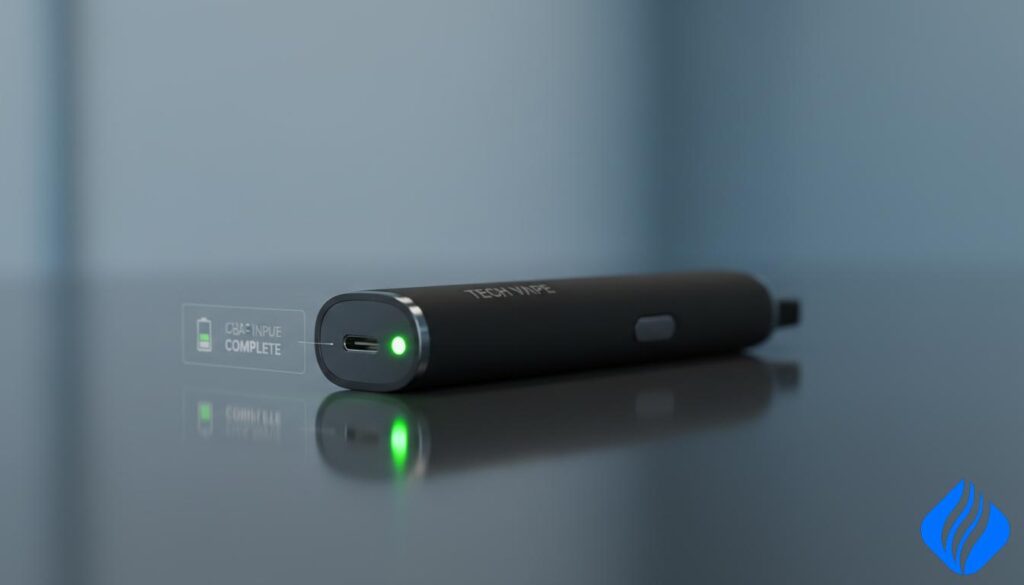
Later sections include a troubleshooting table to help you decide whether a device is safe to keep using or should be retired immediately. If a device is hot, hissing, swollen, or smells burnt, stop charging and dispose of it safely.
Key Takeaways
- Battery failures cause most vape explosions; risk is low but real.
- Follow CE/RoHS charging guidance from SOKVAPE technicians.
- Watch for heat, hiss, swelling, or burnt smells—stop and dispose.
- Prevent problems: avoid physical damage, improper charging, and heat exposure.
- Guide includes brand-specific tips for Foger and Digiflavor and a troubleshooting table.
Safety Disclaimer: Battery Safety Comes First
Safety Disclaimer: This section offers general safety education and is not a substitute for manufacturer instructions or professional electrical or medical advice.
Before you charge a device, stop and check the battery and cable for any signs of damage or wear.
Follow manufacturer guidance for your specific cable type (USB-C, micro‑USB) and charger. Use a low-voltage source—prefer 5V/1A or a computer USB port rather than high-voltage phone wall adapters.
Charge on a clean, flat surface away from flammables. Avoid extreme temperatures and never charge a wet or water-damaged unit. If you see corrosion, swelling, leaking, hissing, melting plastic, or a burnt odor, unplug immediately and move the device to a non‑flammable area.
- Battery safety comes first: lithium-based cells fail fast when punctured or shorted.
- Users who charge overnight, keep devices with keys/coins, or use unknown chargers are at higher risk.
- Reputable products and correct handling reduce risk, but no lithium product is risk-free if misused.
Can disposable vapes explode? What the real risk looks like today
A rapid battery failure often follows internal damage, overcharging, or moisture-related shorting.
Why lithium-ion batteries fail in small electronic devices
Lithium-ion batteries can enter thermal runaway when internal separators fail, when a cell is overcharged, or when a short forces high current through the circuit.
In tight housings, heat has nowhere to go. Limited cooling and thin casing make small electronic devices more vulnerable to rapid venting, popping, or ignition.
How rare doesn’t mean impossible
“A 2018 review found over 2,000 e‑cigarette explosions and burn injuries treated in ERs from 2015–2017.”
Low probability events still matter when millions of units are in use. Battery-related shorting was a consistent factor in reported injuries.
When heat + e-liquid + power becomes a fire hazard
Think of the hazard triangle: heat, flammable e-liquid components, and electrical power. Combined, they can escalate a battery failure into a fire.
- Pressure or puncture → internal short → rapid heating.
- Heat + sealed enclosure → faster venting and possible ignition.
- Water exposure during charging increases short-circuit risk.
Practical takeaway: Your goal is to reduce stress on the vape battery. Avoid overcharging, keep ports dry, and remove metal objects from pockets to lower risk.
Next, we break down the common causes you can control during daily use and charging.
| Failure Mode | What happens | What you should do |
|---|---|---|
| Internal short | Rapid heat build-up, venting | Stop using and dispose safely |
| Overcharge | Cell stress, swelling | Use correct charger; avoid high-voltage adapters |
| Moisture exposure | Corrosion, circuit shorts | Keep device dry; do not charge if wet |
What causes disposable vapes to catch fire or explode
Battery failures usually start with small stresses that escalate into heat, pressure, and then fire.
Improper charging and over‑charging to avoid: Use original chargers and avoid unknown adapters. Do not charge on beds or couches, and never leave a device charging unattended overnight. Charging after a drop or water exposure increases overheating risk.
Short circuits from metal in pockets and bags
Keys, coins, or other metal objects can bridge contacts and create a short circuit. Storing a disposable vape loose in a pocket or purse raises that risk. Keep devices in a dedicated case and away from metal objects.
Physical damage and compromised components
Dents, cracked housings, bent ports, or loose mouthpieces may mean internal components shifted. That increases the chance of internal shorts and cell damage. Replace units that show visible damage.
Extreme temperatures and moisture
Hot cars, direct sunlight, and freezing temperatures all stress the cell chemistry. Freezing can cause condensation later; heat speeds failure. Never charge a wet device—water can short the circuit and lead to rapid failure.
“Keys and coins are a common cause of shorting when devices share a pocket with loose items.”
| Cause | What happens | Action |
|---|---|---|
| Over‑charging | Battery stress, swelling, overheating | Avoid overnight charging; use correct charger |
| Pocket short circuit | Immediate current surge, heating | Store in a case; separate from metal objects |
| Physical damage | Compromised components; internal shorts | Retire damaged device; replace |
| Moisture exposure | Corrosion, circuit shorts | Do not charge wet; dry and inspect before use |

Safe charging protocols that reduce overheating and battery damage
Use controlled power and good placement to keep your vape battery cool and stable.
Start with the manufacturer-recommended method whenever available. If that is not possible, follow this hierarchy: 1) original charger, 2) a 5V/1A adapter, 3) a computer USB port. Avoid fast-charge bricks and high-voltage phone wall adapters unless the device spec explicitly allows them.
Why avoid high-voltage adapters
Many small devices lack advanced charge regulation. High-voltage or fast-charge adapters can push more current than the circuit expects. That raises cell temperature and shortens battery life, and it increases overheating risk.
Quick charging setup checklist
- Clean the port and inspect for damage.
- Use an undamaged cable and a stable power source.
- Place the device on a flat, non-flammable surface with airflow—no beds, couches, or car seats.
- Keep the device uncovered and away from direct sun or heaters.
Behavior rules and what to watch for
Do not charge overnight. Do not leave charging unattended. Do not vape while charging—adding heat and draw stresses the battery.
Stop charging immediately if you notice rising temperature, flickering LEDs, crackling, or a chemical odor. These are clear signs of circuit or cell distress.
| Rule | Why it matters | Action |
|---|---|---|
| Use manufacturer method or 5V/1A | Matches device charging design; limits stress | Choose original charger or 5V/1A adapter |
| Charge on safe surface with airflow | Allows heat to dissipate; cuts fire risk | Flat, non-flammable area; keep uncovered |
| Avoid overnight/unattended charging | Detect overheating before escalation | Charge when you can monitor the device |
| Watch for heat, smells, sounds | Immediate indicators of battery failure | Unplug and move to a safe area; retire device if needed |
How long to charge a vape safely
A correct charge routine keeps your battery healthier and reduces safety risk.
Most rechargeable disposables take 30-90 minutes, depending on battery size and power source. Stop charging when the LED turns green or shuts off. If it gets hot, hisses, swells, or smells odd, unplug immediately and replace the device.
30–90 minutes is a typical range for many rechargeable disposables, but your device manual and LED behavior are the final authority.
Check the device every 10–15 minutes the first few times you charge it. This helps you learn its normal heat level and the full-charge indicator.
Longer-than-usual charge times often signal aging batteries, dirty ports, unstable power, or internal damage. Do not keep forcing a slow charge.
- Monitor early: inspect for warmth or unusual sounds while charging.
- Follow the manufacturer: use recommended chargers and watch LED behavior.
- Unplug and replace: if you detect overheating, swelling, hissing, or a chemical odor.
How to charge Foger vapes safely (including Switch Pro)
Treat the removable battery in a Foger device as the highest‑risk part during handling and storage.

Understanding the modular battery and why it matters
The Foger modular battery design separates the cell from the rest of the device. That makes replacement simple, but it also places more responsibility on you for safe handling.
Loose contacts, dirt, or forced insertion raise resistance. Resistance creates heat and intermittent charging behavior that may damage batteries and the device.
Foger LED charging colors and what to do
Red or blinking means charging. Green or off indicates full. Unplug once the LED shows full to avoid unnecessary stress on the battery.
Best practices to prevent port and cable damage
- Inspect the port for lint or corrosion before you connect.
- Use a known‑good cable that fits snugly; replace frayed cables immediately.
- Insert gently without rocking the connector; avoid tight bends that stress solder points.
- Charge on a flat, non‑flammable surface and monitor for abnormal heat.
- If pins are bent or contacts are damaged, do not attempt DIY fixes—replace the module or contact the manufacturer.
| Feature | Risk | Action |
|---|---|---|
| Modular battery | Loose contacts; heat | Inspect, clean, and seat gently; retire damaged modules |
| Port & cable | Frayed cable or bent pins | Use correct cable; discard damaged cables |
| Storage | Crush or puncture damage | Store separately from sharp objects; use a case |
Safe habits improve your vaping experience and reduce avoidable damage. Follow manufacturer guidance and treat the battery module with care.
How to charge Digiflavor BRK/Off Stamp devices (Pod + Battery Base system)
The BRK/Off Stamp uses a two-part system: a 200mAh pod that docks into a magnetic 1000mAh battery base. The base is the main energy reservoir and handles charging control for the smaller pod. Treat the base as the component you protect first.
How the two-part system works
The pod snaps to the magnetic base. Magnets align contacts so the base supplies current and monitoring to the pod cell. This reduces stress on the pod’s tiny battery during normal use and charging.
Capacity breakdown and why it matters
The pod holds ~200mAh while the base stores ~1000mAh. Protecting the base matters because it supplies power and manages charging for the pod. Damage to the base exposes both batteries and raises risk.
Correct charging steps using the original dock/base
- Seat the pod firmly on the magnetic base. Confirm stable contact with no wobble.
- Connect the base to a known-good 5V source using the supplied cable.
- Watch LEDs for the base’s charge status and stop when indicators show full.
- Charge on a flat, non-flammable surface and monitor the device while it charges.
Why “charge without battery” is dangerous
Forum tips about bypassing the base or wiring contacts are high-risk. DIY wiring often bypasses safety circuitry. That can create a short circuit, uncontrolled current, and heat buildup.
Improper wiring near e-liquid residues multiplies fire and explosion risks.
Safe alternatives and handling guidance
Use the original magnetic charging dock or buy a manufacturer-compatible replacement base. Avoid improvised adapters or direct wiring repairs.
- Keep magnets and contacts clean and dry.
- If you see corrosion, burn marks, or melted plastic, stop using the components immediately.
- Manufacturer accessories reduce the chance of circuit damage and batteries overheating.
Vape Charging Troubleshooting Table (quick fixes and when to stop)
A short checklist helps you decide whether a charging fault is fixable or the device must be retired.
LED stays red or keeps blinking
Likely causes: still charging, poor contact, weak power source, or battery aging.
Safe next steps: try a known-good 5V/1A source, clean contacts, and never force the connector.
No lights while charging
Check cable, adapter, USB port, lint in the port, and magnetic alignment. If a known-good cable and source do not revive the device, treat it as failed.
Device gets hot, crackles, or smells burnt
“Over 2,000 ER visits were reported in a 2018 review (2015–2017).”
Unplug immediately, move to a non-flammable area, and do not resume charging. Dispose or recycle per local lithium-ion batteries rules.
| Symptom | Likely cause | Safe checks | Stop and replace when | Notes for disposables/pod-base systems |
|---|---|---|---|---|
| LED red/blink | Poor contact/weak power | Try 5V/1A; clean contacts | Persistent blink after known-good source | Check magnetic dock alignment |
| No lights | Bad cable or dead cell | Swap cable/adapter; clean port | No response after known-good parts | Pods left wet should not be charged |
| Heat/crackle/odor | Circuit failure/overheating | Unplug; move to safe area | Any swelling, hissing, or burning smell | Retire both pod and base if base is hot |
| Stops randomly | Dirty contacts/unstable power | Clean gently; use stable USB | Repeats after cleaning | Avoid loose USB ports |
| Drains fast | End of life | Note cycle count and heat | Frequent recharges, sudden drops | Replace rather than push failing cell |
Lifespan note: lithium-ion batteries typically last 300–500 charge cycles (~6–12 months).
Storage reminder: keep devices in a case away from coins and cables to reduce contact wear and risk.
Conclusion
Handle charging as a safety task, not a convenience. Pay steady attention while a device charges and use low, controlled power sources to limit stress on the cell.
Prefer a 5V/1A adapter or a computer USB port. Charge on a flat, non‑flammable surface and never leave a unit charging overnight.
Follow brand signals: watch Foger LED colors (red/blinking = charging; green/off = full) and protect the Digiflavor pod by treating the base as the primary component. For rechargeable models and disposable vapes, performance loss or extra heat means replace the unit.
Do not attempt “charge without battery” DIY wiring. Bypassing safety circuitry increases shorting, fire, and injury risks. When in doubt, stop using the device and dispose or recycle it responsibly—your safety matters more than saving a failing unit.
 English
  German
  Dutch
Dutch  Danish
  Czech
Czech  Italian
  Slovenian
  French
  Hungarian
  Spanish
  Polish