

Direct Answer: Yes — altered or counterfeit cartridges have been found with fentanyl and other sedatives, posing immediate threats to breathing and life.
SokVape advises caution: this is a real, evidence-based safety issue tied to tampered and off-market products, not an internet rumor. Reports across the U.S. note fentanyl detections in e-cigarettes and THC cartridges, raising urgent public warning signals. Expert warning
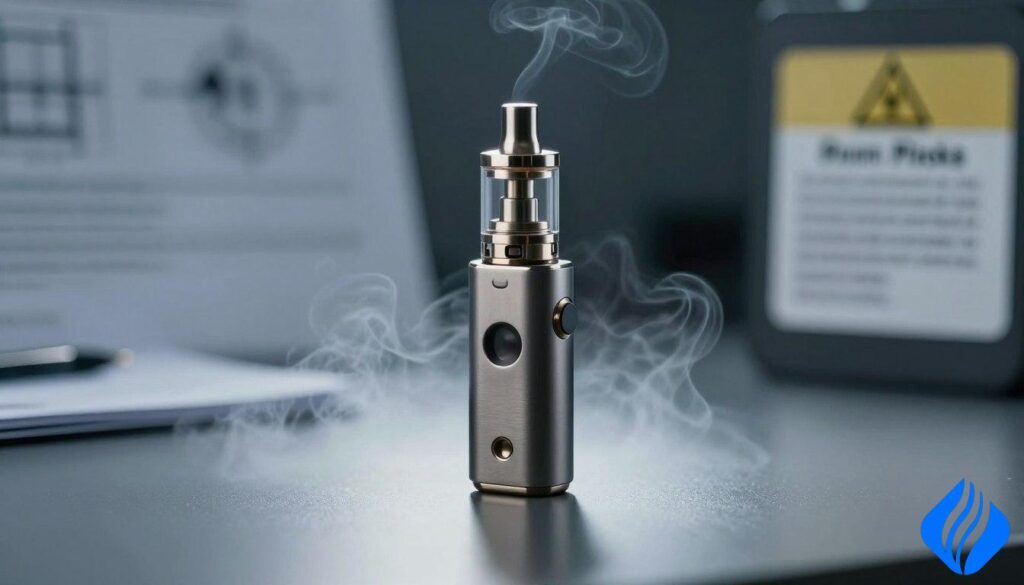
Inhalation speeds delivery to the bloodstream. That shortens the window to spot trouble. Respiratory depression is the primary fatal mechanism with opioid exposure, so breathing status dictates emergency action.
This article defines the scope — nicotine devices, THC cartridges, and off-market products — and previews practical outcomes: source control, authentication signals, symptom recognition, and emergency steps including 911 and naloxone. SokVape frames these points with clinical clarity to protect vaper health.
Key Takeaways
- Counterfeit or tampered products may contain fentanyl and other sedatives.
- Inhalation accelerates harm; watch breathing and consciousness closely.
- Higher risk comes from informal channels, not regulated manufacturers.
- Reduce risks by buying from authorized sellers and checking authentication.
- If exposure is suspected, call 911 and use naloxone if available.
Key Takeaways
Immediate alert: Documented U.S. incidents show fentanyl in some THC cartridges and informal products. Rapid inhalation raises the odds of a fast, life‑threatening opioid overdose. If overdose is suspected, call 911 and give naloxone if available.
When aerosolized drugs enter the lungs, they reach the blood far faster than oral routes. That rapid uptake shortens the window to spot trouble and get help.
Undetectable by senses
Field reports note that fentanyl often lacks any obvious smell, taste, or visible change. Users may report the product looked normal, which is not a safety signal.
Highest‑risk pathways
Counterfeit or tampered products sold informally or online carry the greatest risk. THC cartridges and off‑market items are of particular concern for people buying without chain‑of‑custody.
Clinical danger and immediate steps
Opioids suppress breathing; severe sedation plus slow or irregular respiration is an emergency pattern. Key signs and symptoms include extreme drowsiness and shallow breathing.
- Act now: Call 911.
- Administer naloxone (Narcan) if available.
- Stay with the person until emergency responders arrive; do not assume they will “sleep it off.”
| Issue | Why it matters | Immediate action |
|---|---|---|
| Undetectable adulterant | Looks and smell are unreliable | Treat any sudden sedation as possible opioid exposure |
| Fast lung uptake | Onset within minutes; less time to respond | Call 911 and give naloxone promptly |
| Counterfeit products | High risk when bought informally | Avoid unknown sellers; prioritize authorized retailers |
Quick Reference Table: Lacing Risks, Warning Signs, and What to Do
A clear decision chart turns confusion into prompt action in high‑risk moments. Use this as a practical triage guide. Minutes matter; inhalation shortens the window for effective intervention and increases the chance symptoms progress rapidly.
Source risk vs. likelihood
| Source | Risk level | Notes |
|---|---|---|
| Licensed retailer with authentication | Low | Consistent batches; lower chance of tampering |
| Large online sellers (verified) | Moderate | Check seller reviews and authentication codes |
| Informal/unknown sellers; opened packaging | High | Highest risk for counterfeit materials and fentanyl |
Signs and urgency
| Observed sign | Action | Decision anchor |
|---|---|---|
| Normal alertness, normal breathing rate | Monitor closely | Observe for changes in consciousness or breathing |
| Slow or difficult breathing, very slow rate, gurgling/snoring | Call 911 now | Breathing rate low or absent; immediate emergency |
| Loss of consciousness, blue/gray lips | Call 911 and treat as life threat | Loss of consciousness = highest urgency |
Overdose workflow (minutes matter)
| Step | Action |
|---|---|
| 1 | Call 911 immediately |
| 2 | Administer naloxone if available; repeat per label/training |
| 3 | Provide rescue breathing or place in recovery position until EMS arrives |
| 4 | Continue monitoring: symptoms may return in the first 24–72 hours |
Note: Improvement after naloxone can be temporary. For more background on related incidents, see this news summary.
Can vapes be laced with fentanyl or other drugs?
Forensic analyses have found fentanyl and related opioids in a subset of informal vape products.
What “laced” means: It refers to any cartridge or liquid that contains undisclosed additives — opioids, stimulants, cutting agents, or extra cannabinoids. This includes both nicotine e‑liquids and THC cartridges.
Why fentanyl appears: illicit manufacturers and counterfeit distributors add potent opioids to stretch supply or intensify effects. There is no dose control or labeling in these channels, so a small change can cause severe harm.
Who is most at risk: teens attracted to flavored, discreet devices, first‑time users with no opioid tolerance, and anyone buying off‑market or opened cartridges. Parents and guardians should note that informal sales raise exposure odds.
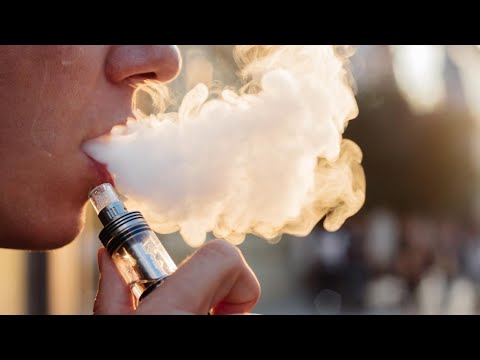
Why detection is difficult: aerosolized mixtures lack pill markings or visible residue. A product that tastes or smells normal is not proof of safety.
| Item | Why it matters | Practical note |
|---|---|---|
| Undisclosed additives | Users cannot assess dose | Assume risk if source is informal |
| THC cartridges | Frequently cited in field reports | Prefer authenticated sellers |
| Aerosol form | Masks sensory cues | Taste or smell is unreliable |
For testing resources and guidance, see this fentanyl-laced vapes reference.
Why laced vape products are uniquely dangerous when inhaled
Pulmonary uptake moves inhaled chemicals from air sacs to circulation far faster than many other routes. This physiology shortens the time between a single puff and serious medical effects.
Fast lung-to-bloodstream transfer and rapid onset
Aerosolized particles reach the alveoli and cross into capillaries within seconds. That direct route delivers active molecules to the brain quickly.
Faster delivery reduces rescue time. A user may shift from mild sedation to dangerously slow respiration in minutes.
Potency reality check
Fentanyl is clinically far more potent than many opioids: roughly 50 times the strength of heroin and about 80–100 times that of morphine. Small concentration changes create large differences in physiological response.
Unpredictable dosing and cutting agents
Counterfeit cartridges often mix unevenly. “Hot spots” of concentrated drug produce variable dose per puff.
Cutting agents and multi-drug mixes alter absorption and obscure expected effects, complicating recognition and response.
The 24–72 hour critical window after exposure
Even after initial improvement, respiratory depression and recurrence of symptoms can occur for 24–72 hours. Monitor breathing and consciousness closely.
Anyone with worrying signs should seek urgent medical evaluation due to the risk of delayed hypoxia and recurrent overdose.
| Hazard | Why it matters | Clinical action |
|---|---|---|
| Rapid pulmonary absorption | Onset within minutes; less time to respond | Call emergency services and use naloxone if indicated |
| High potency | Tiny dose differences yield large effects | Treat any sudden sedation or slow breathing as possible opioid exposure |
| Unpredictable mixtures | Hot spots and cutting agents change exposure per puff | Avoid informal sources; seek evaluation if symptoms appear |
What fentanyl does to the body and brain
Fentanyl attaches to opioid receptors and reduces the brain’s drive to breathe. At the cellular level, it binds tightly to receptors in the brainstem—areas that control automatic breathing reflexes.
Opioid receptor binding and respiratory depression
Receptor binding: When fentanyl occupies opioid sites, neural signaling that prompts inhalation weakens. The lungs receive fewer drive signals, so breaths become slower and shallower.
Why that matters: Carbon dioxide rises as breathing slows, and blood oxygen falls. Rising CO₂ and falling oxygen produce hypoxia, which can lead to coma or death if not reversed quickly.
Overdose progression
Early signs often include increasing drowsiness and confusion.
As the overdose advances, the breathing rate drops, responsiveness fades, and the person may lose consciousness. Cardiac arrest can follow secondary to prolonged low oxygen.
High‑risk combinations
In illicit markets, fentanyl is frequently mixed with other drugs. Stimulants may mask drowsiness; sedatives deepen respiratory failure. These mixtures make dose and effects unpredictable.
Public health context and response
Context: Synthetic opioids are linked to more than 150 deaths per day in the U.S., underscoring why any suspected exposure is treated as urgent.
Action: The critical red line is inadequate breathing and poor responsiveness. Call 911 and give naloxone if available—these are evidence‑based steps that save lives after suspected opioid exposure or overdose.
Nicotine vapes aren’t “safe” even when they aren’t laced
Nicotine delivered by inhalation produces near‑instant physiological effects that users often interpret as “a buzz.” This speed reflects lung absorption and explains why sensations follow a single puff.
Rapid lung uptake into the bloodstream
How it happens: Inhaled nicotine crosses alveolar membranes and reaches the blood quickly. That rapid entry produces immediate stimulation and short latency to noticeable effects.
From nicotine to epinephrine: cardiorespiratory impact
Nicotine triggers adrenal release of epinephrine (adrenaline). Heart rate and blood pressure rise, and respiration often increases. These changes can feel like energy or anxiety depending on dose and tolerance.
Dopamine, reinforcement, and addiction risk
Nicotine boosts dopamine in reward circuits, strengthening repeated use. High‑dose cartridges and appealing flavors encourage frequent puffs and raise the chance of dependence.
- Not laced ≠ safe: Authentic nicotine products still carry pharmacologic risk.
- Watch for signs: rapid pulse, jitteriness, or cravings that worsen over weeks.
If dependence or withdrawal is a concern, seek evidence‑based cessation support to protect long‑term health.
What’s inside a vape: PG/VG, flavoring chemicals, and diacetyl concerns
What fills a cartridge matters: base solvents, flavoring agents, and occasional contaminants determine inhalation effects.
PG (propylene glycol) carries flavor well and gives a stronger throat hit. VG (vegetable glycerin) creates denser, smoother vapor. Users report different irritation and throat sensations depending on the PG/VG ratio.
Heating these carriers plus concentrated flavorings produces an aerosol. Substances approved for food use are not automatically safe to inhale. That distinction matters for long‑term airway exposure and regulatory testing.
Diacetyl has been linked to bronchiolitis obliterans, or “popcorn lung,” in occupational inhalation studies. Risk depends on compound, dose, and exposure pattern, so verified formulations and transparency are crucial.
Counterfeit ingredient lists are unreliable: packaging, batch numbers, and claims may be falsified. Illicit distribution raises the odds of unknown additives and cutting agents that increase contamination risk.
Quality assurance signals: look for tamper‑evident seals, scannable authentication, consistent batch labeling, and authorized sellers. Consumers often seek brands like Geek Bar and Raz for traceability, but the safety advantage lies in legitimate manufacturing controls and verified sourcing.
For more detail on what vape liquids contain, read this what vape liquids contain.
How to recognize a potentially laced vape and respond to an emergency
A sudden change in alertness after a single puff is the most urgent clue that a product may contain an undisclosed opioid. Watch for quick shifts in consciousness and breathing.
Red flags before use
- Packaging errors: mismatched fonts, misspellings, or missing batch codes.
- Damaged or resealed packs and unusually low price.
- Sales through informal channels or unverified sellers; no authentication.
Signs after use
- Extreme sedation, dizziness, or confusion.
- Slow, shallow, or irregular breathing and slowed pulse.
- Low blood pressure or reduced consciousness and difficulty waking.
What to do right now
| Immediate step | Action | Why |
|---|---|---|
| Call 911 | Describe altered breathing and consciousness | EMS provides rapid airway and medication support |
| Administer naloxone | Use per instructions if available | Reverses opioid respiratory depression |
| Stay with person | Monitor breathing and responsiveness | Respiratory status can worsen quickly |
“Do not assume someone will ‘sleep it off’—respiratory depression can return after brief improvement.”
Seek medical evaluation and continued monitoring for 24–72 hours. After acute care, pursue evidence‑based treatment, recovery support, and mental health services to reduce future risk and support long‑term safety.
Conclusion
Reducing harm requires clear steps: avoid informal sellers, prefer authenticated products, and learn urgent signs of opioid exposure.
If someone grows extremely sleepy, is hard to wake, or shows slow or irregular breathing after vaping, treat it as an emergency. Call 911 and give naloxone if available. Time matters; early intervention saves lives and lowers the risk of death.
Remember that nicotine use holds its own risks. Repeated use drives addiction through dopamine pathways and stresses the heart and lungs.
Families and teens should view safety as a process: educate, choose verified sources, monitor for 24–72 hours after any suspicious event, and seek treatment or recovery support without judgment.
Medical Disclaimer: This article provides general information and is not medical advice. For personal medical concerns, contact a licensed healthcare professional or call emergency services immediately.
 English
  German
  Dutch
Dutch  Danish
  Czech
Czech  Italian
  Slovenian
  French
  Hungarian
  Spanish
  Polish