

Direct Answer: Single exposures are unlikely to cause death; repeated inhalation of overheated coil emissions raises risk of serious respiratory injury and requires prompt evaluation.
Scope: This short, clinical introduction frames harm-reduction for US readers. It is informational and written from the perspective of a senior safety consultant at SokVape.
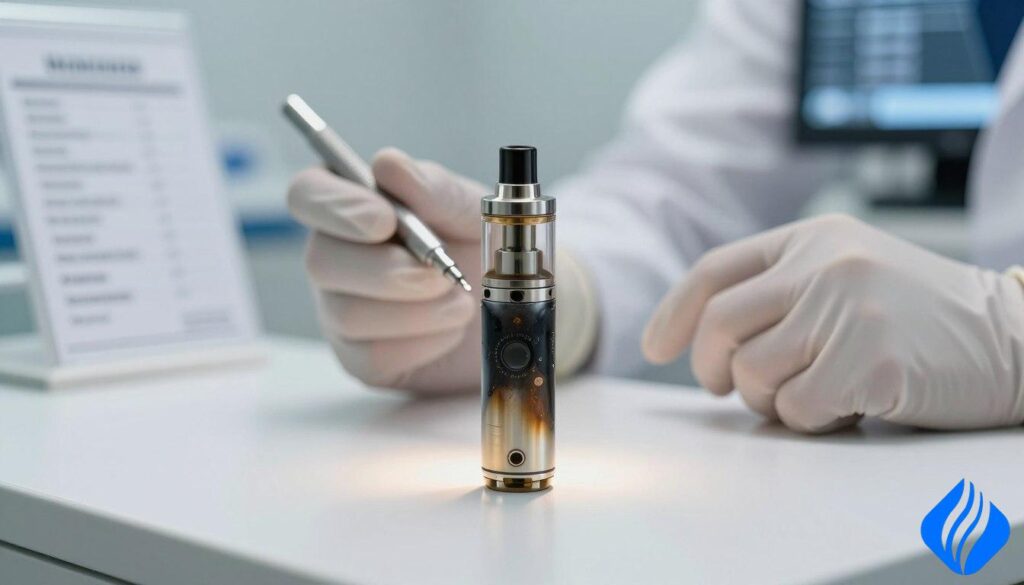
Define the issue: a burnt vape occurs when coil or wick overheats and scorches the e-liquid and fiber. The result is a harsh, charred taste and harsher aerosol.
Mechanism: overheated PG/VG and scorched wick produce more airway irritants than normal operation. Both disposables and refillable devices may develop this problem due to poor wicking or misuse.
Risk framing: respiratory irritation is common. Severe symptoms—shortness of breath, chest pain, fainting—warrant urgent care. The greatest danger ties to exposure patterns, not a single bad hit.
Practical note: readers will find prevention steps, quality checks, and immediate actions after a burnt hit later in this article. For product quality guidance, see resources from SokVape.
Key Takeaways
- “Can a burnt vape kill you” is a high-risk concern; fatality from one hit is rare, repeat exposure is the greater hazard.
- Burnt taste signals coil or wick overheating and higher irritant exposure.
- Both disposables and refillables can produce a burnt hit due to wicking or coil issues.
- Stop use after a burnt hit; seek care if severe respiratory symptoms appear.
- Quality control and proper maintenance reduce risk and improve long-term health outcomes.
Key Takeaways
Read this concise safety box first: a sharp, unpleasant taste signals device overheating and requires prompt action.
Why stop if you get a burnt taste
“A scorched flavor is a safety signal.” That taste usually means the wick or coil is overheating. Stop use immediately and replace the coil or discard the unit.
Chemistry and airway irritants
Overheating increases reactive carbonyls. Emissions may include formaldehyde, acetaldehyde, and acrolein—compounds that irritate airways and raise acute risk.
When risk rises
Heavy patterns such as chain vaping reduce wicking time and raise coil temperature. Low e-liquid in disposable vapes lets the wick run dry without warning, creating harsh hits.
Quality and authenticity
Counterfeit disposables raise variability in heating and materials. Prioritize authentic brands with verified QA, like Geek Bar and Raz, for more consistent performance.
- Dry hits are not normal; they indicate insufficient wicking and possible cotton scorching.
- Stop use after a burnt hit; replace the pod/coil or discard the disposable.
- Choose authentic products and inspect packaging for signs of counterfeit manufacturing.
“A pronounced scorched taste is a clear signal: stop, inspect, replace, and monitor symptoms.”
Quick Reference Table
Use this rapid guide to match what you taste or feel with the safest next step and when to seek care.
Burnt taste, dry hits, and safest next step
| Sign | Action (under 30 sec) |
|---|---|
| Mild off-flavor or transient harshness | Pause use; check e-liquid level; take fresh air; replace coil if repeat occurs |
| Strong burnt taste | Stop; replace coil or discard disposable vape; do not retest repeatedly |
| Dry hits | Stop immediately; hydrate; do not retry; replace coils or discard unit |
Symptoms triage and medical thresholds
| Symptoms | Clinical action |
|---|---|
| Coughing, mild throat burn | Avoid exposure; symptoms often improve within hours; seek clinician if worse next day |
| Wheeze, tight chest | Contact urgent care; consider same‑day clinician evaluation |
| Chest pain, severe shortness of breath, fainting | Call 911 or go to ER |
Coil lifespan expectations
| Device type | Expected lifespan / guidance |
|---|---|
| Disposable vapes | Coil life = device life; use until e-liquid or battery ends |
| Refillable coils | Typically ~1–3 weeks depending on power, e‑liquid sweetness, and puff frequency |
| Practical example | Some pods handle ~90 ml total e-liquid throughput before coil decline |
Quick action: stop, inspect, replace or discard, and monitor symptoms. For more detail on immediate steps after a scorched hit read what happens if you hit a burnt.
“Stop use after a pronounced scorched taste; repeated exposure raises the greatest risk.”
What “Burnt Vape” Actually Means Inside the Device
Understanding how the coil and fiber interact clarifies why some hits feel harsh and irritating. In normal operation the battery powers the metal heating element, the coil, which warms a saturated wick so e‑liquid turns into aerosol. This controlled process makes smooth vapor at temperatures designed for the liquid and coil spec.
How coil and wick normally work
The coil heats evenly when the wick stays soaked. Proper wicking keeps temperatures moderate and minimizes thermal breakdown of the liquid. That balance yields consistent vapor and mild throat sensation.
When fiber scorching and coil degradation change emissions
If the wick runs dry or the coil degrades, heating becomes uneven. Hot spots form, the wick fibers may char, and thermal decomposition rises.
Those changes increase reactive byproducts and produce the harsh, off flavor that signals elevated exposure. Residue build‑up and oxidation further create hotter micro‑zones on coils and change vapor chemistry.
- Normal: even heating, good saturation, stable vapor.
- Abnormal: uneven hotspots, poor wicking, higher thermal breakdown, harsher throat hit.
Pushing through an unpleasant hit is not tolerance—it’s a warning of changed emissions and increased risk.
For practical device care and troubleshooting, see this beginner guide and a focused explanation of causes and fixes at why scorch flavors appear.
can a burnt vape kill you
An occasional harsh hit is typically not lethal, though it signals increased inhalation of airway irritants that affect the lungs over time.
Immediate danger vs. long‑term risk: Immediate life‑threat events are uncommon after one scorched draw. Severe respiratory distress, however, is a clinical emergency and needs prompt evaluation.

When a device becomes urgent
Seek emergency care for chest pain, severe shortness of breath, fainting, bluish lips, confusion, or rapidly worsening wheeze. These signs suggest significant airway compromise or hypoxia.
Why repeated exposure matters
Repeated hits from an overheated coil increase cumulative irritant load and inflammatory response. Over time, that pattern may worsen asthma, COPD, or recovery after respiratory infection.
- Plain answer: a single scorched hit rarely causes instant fatal harm, but it raises health risk if repeated.
- Time element: the longer someone keeps taking harsh puffs, the more avoidable exposure builds.
- Practical action: stop use after a burnt hit, replace the coil or discard the unit, and monitor symptoms.
“Stop, replace, and seek care if urgent symptoms appear.”
For product quality and safer options, consider shopping trusted sources like shop premium vapes.
Why Burnt Hits Feel Harsh and What They Can Do to Your Lungs
A harsh draw reflects rapid chemical changes in the liquid and wick that engage airway nerves and inflammatory pathways. This explains immediate cough, throat burn, and bronchial tightness after exposure.
Airway irritation and inflammation
Irritants stimulate sensory nerves in the upper airway. That causes reflex cough and the sensation of a burning throat.
Local inflammation follows when immune cells release mediators that narrow airways and increase mucus.
PG/VG breakdown and chemical change
When PG/VG overheats, thermal decomposition produces reactive carbonyls that sting mucosa. These compounds raise local irritation even if visible vapor production falls.
Dose, puffs, and ventilation
More puffs in short time increase inhaled irritant dose and shorten recovery time for airway lining. Poor ventilation traps aerosol and leads to repeated inhalation.
- Practical harm reduction: stop use after a harsh hit, seek fresh air, hydrate, and monitor symptoms.
- Note: reduced vapor production does not equal lower risk; hotter spots can make emissions more irritating.
“Minimizing exposure and giving airways time to recover is the most protective step after an unpleasant draw.”
Chemicals Associated With Burnt Coils and Overheated E-Liquid
When a heating element runs too hot, common components in e‑liquid break down into reactive compounds. This section outlines which chemicals form, why they appear, and what quality checks reduce exposure.
Formaldehyde, acetaldehyde, and acrolein
Carbonyl irritants such as formaldehyde, acetaldehyde, and acrolein are reactive aldehydes. They irritate mucous membranes and promote airway inflammation, especially with repeated exposure.
Why these products form
Higher coil temperatures and dry wick conditions increase thermal decomposition of PG/VG and flavor compounds. Residue on a degraded coil raises local hot spots and boosts byproduct formation.
VOCs and other volatile byproducts
Overheating can produce VOCs like benzene and toluene. These compounds are associated with avoidable inhalation exposure and merit caution when devices show scorch signs.
Heavy metals and coil degradation
As metal elements break down, trace nickel, chromium, and lead may appear in aerosol. This Heavy metals risk rises with poor materials or excessive coil wear.
Diacetyl context and ingredient transparency
Diacetyl is a flavoring linked to lung disease in occupational settings. Manufacturers who publish verified ingredient lists and quality testing reduce uncertainty for users.
“Prioritize verified products and stop use if a scorched taste appears; quality assurance lowers chemical variability.”
| Chemical group | Examples | Source | Action |
|---|---|---|---|
| Carbonyl irritants | Formaldehyde, acetaldehyde, acrolein | Thermal breakdown of PG/VG and residues | Replace coil; avoid repeated harsh draws |
| VOCs | Benzene, toluene | Overheating flavored liquids | Choose tested products; discard defective units |
| Metals | Nickel, chromium, lead | Coil degradation or poor alloys | Prefer certified coils; monitor coil lifespan |
| Flavoring concerns | Diacetyl (where present) | Some flavor formulations | Require ingredient transparency; avoid unknown sources |
Signs Your Coil Is Burnt or Damaged
A small, persistent change in taste often signals worsening coil function. Notice early warning signs and act promptly to reduce airway irritant exposure.
Burnt taste versus off flavor
Off flavor is usually mild and reflects residue buildup or flavor breakdown. It often precedes a sharp, unmistakable burnt taste, which indicates the coil is scorched or the wick is charred.
Reduced vapor production, gurgling, leaking, darker e-liquid
Lower vapor production can mean coil degradation, flooding, or airflow blockage. Gurgling and leaking point to poor vaporization efficiency and failing wicking.
Darker e-liquid in the tank often reflects oxidation or coil residue dissolving back into liquid.
Dry hits and visual inspection
Frequent dry hits show the wick is not saturating; that is a direct sign of risk and should not be pushed through.
Inspect the metal element: dark crust or brittle fibers confirm coil damage. In disposables, discard the unit; in refillables, replace the coil.
“When these signs appear, stop use and replace or dispose of the device to limit further irritant exposure.”
Why Disposable Vapes Get Burnt Taste Even When They Still Have Power
Disposable units often give harsh draws despite showing remaining charge because liquid delivery can lag behind power output. Indicators on a device may show charge, yet coil heating outpaces wick saturation.
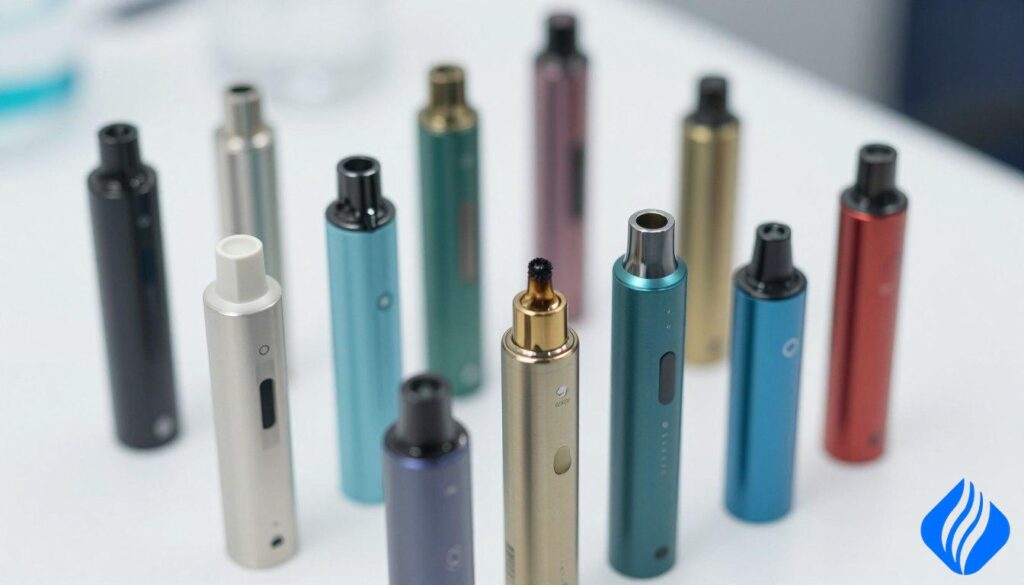
Chain vaping and wicking lag
Chain patterns shorten refill time for the wick. Rapid successive puffs do not allow fibers to resaturate, so hotspots form and produce a scorched flavor.
Low e-liquid you can’t see
Many disposables hide remaining juice. The unit may still fire from the battery even when there is not enough liquid to wet the wick.
That creates harsh draws before the device fully quits. Running out of liquid is a common cause of unpleasant hits.
Faulty design and manufacturing defects
Small variation in airflow, wick size, or coil alignment creates early hotspots. Some devices fail out of the box and give poor vapor quality.
Counterfeit disposable vapes and red flags
Look for inconsistent packaging, missing authentication, uneven flavor, or unusual heat. If performance becomes harsh or inconsistent, replace the disposable rather than trying to finish it.
“When taste turns sharp, stop use and replace the unit to limit further airway irritant exposure.”
What to Do Immediately After You Hit a Burnt Vape
Stop using the device immediately after a harsh draw and do not test it again to see if the taste improves. Repeat exposures raise irritant dose and increase short‑term risk.
Immediate steps to prevent repeat exposure
Power down or discard the device. For refillables, remove and replace the coil or pod. For disposables, stop use and safely dispose of the unit.
Simple harm‑reduction actions
Move to fresh air and rest. Sip water and rinse the mouth to clear residual aerosol.
Avoid other airway irritants—no smoking, strong cleaners, or perfumes for the next few hours.
Symptom monitoring and time frame
Track symptoms over the next several hours: cough, wheeze, throat pain, chest tightness, headache, or nausea.
If mild symptoms improve within a few hours, continue observation. If signs persist or worsen, seek medical advice.
When to contact a clinician or urgent care
- Call a clinician or telehealth if cough, wheeze, or chest tightness continue beyond 24 hours or worsen.
- Visit urgent care for increasing shortness of breath, persistent chest pain, or difficulty speaking.
- Emergency: severe shortness of breath, chest pressure, fainting, confusion, or blue/gray lips—call 911.
“Stop, remove the source, and monitor symptoms; escalate care promptly for worsening breathing or chest symptoms.”
Higher‑risk groups: people with asthma, COPD, pregnancy, or recent respiratory infection should seek medical advice sooner and treat any harsh draw as higher risk.
For further practical detail on immediate steps after a scorched draw, see this short guide: is it bad to hit a burnt.
How to Prevent Burnt Coils and Dry Hits
Start prevention by treating coil break‑in as a controlled process, not an afterthought. Proper first use reduces scorching, lowers irritant formation, and improves device reliability.
Priming protocol and why it matters
- Apply vape juice to visible wick ports and the cotton skirt.
- Install the new coil, fill the tank or pod, then wait 5–10 minutes before first draw.
- Take three gentle primer puffs without firing for extra saturation, then start at low power.
Critical window: the first day and initial few hours are when saturation matters most. Insufficient wetting leads to permanent fiber charring.
Mechanism, wattage, pacing, and liquids
Why priming works: saturated cotton prevents hot spots. Analogy: like dry socket after tooth extraction, aggressive early suction disrupts a fragile interface; early hard puffs pull liquid away and expose dry fiber to heat.
Match manufacturer wattage for each vape coil to avoid overheating. Avoid chain vaping; allow time between puffs so the wick resaturates.
Higher‑VG juice is thicker and may starve small wicks in low‑power pods. Choose e‑liquid suited to device wick size and power.
| Preventive step | Why it helps | Practical tip |
|---|---|---|
| Prime coil correctly | Prevents dry heating of fibers | Wet ports, wait 5–10 minutes, low first draws |
| Match wattage | Reduces hotspots and coil stress | Follow coil spec on packaging |
| Pace puffs | Allows re‑wicking between draws | Shorter puffs, avoid chain vaping |
| Choose PG/VG ratio | Ensures flow for small wicks | Use lower VG in low‑power pods |
| Store upright, cool | Slows oxidation, prevents leaks | Keep out of sun, avoid high heat |
“Prime, match power, pace draws, and store sensibly to reduce dry hits and preserve coil life.”
Safety, Quality Assurance, and Where You Use Your Vape in the US
Prioritizing verified products and sensible location rules reduces equipment surprises and exposure risk. Quality assurance affects heating consistency, materials, and coil life. That consistency lowers sudden coil failure and harsh draws.
Choosing authentic devices for safer consistency
Counterfeit disposables often show packaging or performance inconsistencies. Those signs predict erratic heating and higher chance of dry hits.
Non‑promotional examples: brands such as Geek Bar and Raz are frequently cited for more consistent manufacturing and visible QA practices. Prioritize authentication over unknown sources to reduce risk.
2026 TSA guidelines for travel
- Carry‑on only: keep vapes, mods, and spare lithium batteries in carry‑on baggage.
- Do not place loose batteries in checked luggage; protect terminals to avoid short circuits.
- Follow airline rules: use in flight is prohibited and devices should be powered off.
- Practical tip: disable auto‑fire if possible and prevent accidental activation; keep devices cool during transit.
Venue policies and real‑world example
Many venues restrict vaping to designated areas. For instance, Disney parks allow smoking and vaping only in marked smoking zones.
Compliance reduces confrontations and lowers impulsive chain use that leads to overheating.
“Choose verified products, travel with batteries in carry‑on, and follow venue rules to protect health and the public.”
Conclusion
A sudden harsh draw often means the wick is dry or the coil has deteriorated; stop inhaling and assess the device.
This taste is a clear stop signal: overheating and poor wicking change what enters the airway and raise exposure to reactive byproducts. Repeated exposure matters more than one event, especially with frequent vaping.
Practical steps: replace the coil or pod, discard the disposable vape if it tastes scorched, and do not take extra puffs to test improvement. Prevention includes correct priming, matching power to coil limits, pacing puffs, choosing suitable PG/VG, and storing devices upright and cool.
Watch for persistent respiratory symptoms and seek prompt care for chest pain or severe shortness of breath. Choose authentic devices and follow US travel and venue rules to reduce risky, hurried use.
Medical Disclaimer: This article is for informational and harm‑reduction purposes only and does not provide medical advice, diagnosis, or treatment. Vaping exposures and symptoms vary by individual and product. Anyone with severe symptoms (such as chest pain, severe shortness of breath, fainting, or rapidly worsening wheeze) should seek emergency care immediately. For persistent or concerning symptoms, consult a licensed clinician.
 English
  German
  Dutch
Dutch  Danish
  Czech
Czech  Italian
  Slovenian
  French
  Hungarian
  Spanish
  Polish