

Direct Answer: Inhaling any aerosolized wellness product can irritate airways, and “no nicotine” does not automatically mean risk-free.
As a SokVape senior safety consultant, this review focuses on risk understanding rather than reassurance or fearmongering.
Vapes marketed for wellness differ from oral supplements because inhalation delivers chemicals directly to lung tissue. That route changes dose, chemistry, and toxicology in ways that are not studied for most wellness products.
Many of these products lack FDA approval and do not disclose consistent ingredients or per‑puff dosing. Clinicians cite EVALI and other injury histories when advising caution, and consumer reviews or social media popularity do not replace lab testing.
The article will define what “safe” means here: known ingredients, repeatable dosing, predictable heating chemistry, and inhalation toxicology data. It will then cover a benefit‑versus‑evidence comparison, ingredient and chemistry review, mechanisms of lung risk, common questions, and practical harm‑reduction guidance.
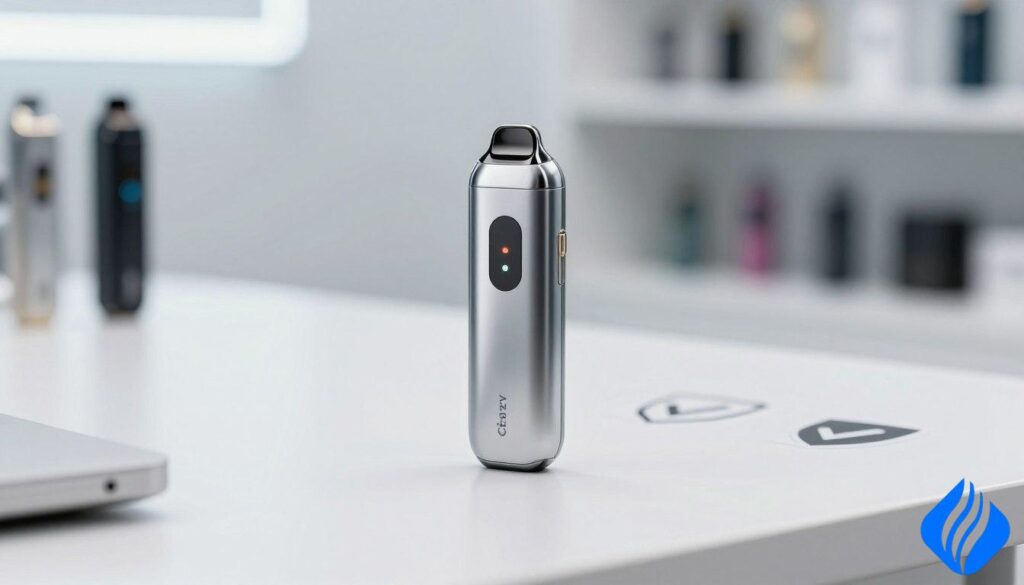
Key Takeaways
- Inhaling aerosols can irritate airways; no nicotine label does not equal no risk.
- “Safe” requires known ingredients, consistent dosing, and inhalation toxicology data.
- Wellness products often lack FDA review and clear chemistry disclosure.
- EVALI and clinician statements inform the evidence standard used here.
- Popularity and positive reviews do not replace laboratory safety testing.
Key Takeaways: Clenzy Vape Safety in Plain Terms
This section gives plain-language conclusions so readers can weigh marketing claims against data.
Regulatory reality: no FDA approval for wellness use
Vitamin vapes and other healthy vapes are not approved by the FDA to prevent, treat, or improve any health conditions.
FDA review requires consistent manufacturing, demonstrated benefit, and safety data. Marketing as a supplement does not meet that bar.
Core technical risk: heating changes chemistry
When liquids are heated, new byproducts can form. Safety depends on the aerosol chemistry, not only on whether nicotine appears on the label.
Vague ingredient lists and unproven formulations raise the chance of harmful inhalation products.
Who should avoid these products
- People with asthma or COPD—airway irritation can worsen symptoms.
- Pregnant or breastfeeding people—precaution is recommended.
- Those with anxiety—aromatics or stimulants may aggravate symptoms.
Bottom line: Bold health claims or unproven health messaging is a red flag. Testimonials do not replace controlled evidence, and consumers should treat such marketing as a reason for caution.
Quick Reference Table: Claimed Benefit vs Evidence vs Safety Concern
Below is a concise comparison of common marketing claims, what studies or experts actually show, and the main respiratory risks to consider.
Energy, anxiety, and nicotine comparisons
| Claimed benefit | What evidence supports it | Primary safety concern |
|---|---|---|
| Energy / focus (B12, caffeine) | Limited. Experts report no solid studies showing inhaled vitamins raise systemic levels. B12 boosts only help if deficiency exists. | Aerosol dose varies per puff. Caffeine by inhalation can cause jitteriness and unpredictable dosing. Heating forms unknown byproducts. |
| Anxiety / sleep (melatonin, essential oils) | Scant clinical research. Inhalation delivers aerosols to airways first; systemic dosing is not well‑controlled compared with pills. | Irritation, airway inflammation, and unclear onset/duration. Volatile oils can degrade to reactive compounds when heated. |
| Nicotine vapes vs “healthy” vapes | Both share similar aerosol pathways; nicotine adds addiction and cardiovascular risk. | Overlap in solvent and flavoring byproducts that irritate lungs. Absence of nicotine does not remove inhalation chemistry risks. |
Physiology note: Inhaled aerosols hit airway surfaces and alveoli before liver metabolism. That route changes absorption and risk compared with oral supplements.
Practical takeaway: Where evidence and studies are weak and risks plausible, avoidance is the lowest‑risk choice. For regulatory context, see this FDA overview of e‑cigarettes and vaping.
What Is Clenzy Vape and Why It’s Marketed as a “Healthy Vape”
Many brands position inhaled nutrient devices as wellness tools rather than respiratory products. That framing shapes how people judge risk and benefit.
Category note: These items sit in the healthy vapes or vitamin vapes niche and are often labeled as nutritional supplement diffusers.
Why the language matters: Calling an aerosol a “supplement” suggests oral‑like safety. In reality, inhalation delivers compounds to lung tissue first. Toxicology and dosing differ from pills.
Regulatory gaps matter. When sellers present products as supplements, they may avoid premarket testing required for medicines. Consumers then rely on labels and marketing claims.
| Marketing | Medical standard | What popularity can’t show |
|---|---|---|
| Wellness claims, testimonials | Controlled trials, ingredient validation | Exact ingredient identity and purity |
| Influencer reach and high popularity | Consistent dosing and inhalation toxicology | Per‑puff dose, heating byproducts, long‑term lung effects |
| Supplement framing to attract users | Regulatory oversight and safety data | Manufacturing controls and authentic lab testing |
Practical caution: Marketing optimizes sales; safety evaluation prevents harm. Popularity and positive posts do not replace clinical validation.
Is Clenzy Vape Safe
A clinical verdict rests on transparent chemistry, repeatable dosing, and inhalation toxicology data rather than marketing language.
Short answer: Without verified ingredients, batch consistency, and emissions testing, the product cannot meet a clinical safety standard.
What verified safety would require
Clear ingredient lists, validated purity, and per‑puff dosing data are essential. Emissions testing at realistic puff profiles must show predictable byproducts.
Respiratory risk assessment for both short‑term and chronic exposures completes the process.
Why “no nicotine” is not the same as no harm
Airway tissues react to heated solvents and flavor chemicals. Irritation and inflammation can occur regardless of nicotine content.
Regulatory context and consumer warnings
The FDA has warned about vaping products marketed with unproven health or wellness claims. See this is clenzy vape safe notice for regulatory context.
| Requirement | What it shows | Why it matters |
|---|---|---|
| Ingredient identity | Verified list and purity certificates | Prevents unknown toxicants reaching the lung |
| Per‑puff dosing | Repeatable delivery metrics | Controls exposure and reduces dosing variability |
| Emissions testing | Byproduct profiles at device temps | Reveals thermal degradation products and risks |
| Respiratory toxicology | Acute and chronic inhalation studies | Shows real‑world airway effects |
What’s Inside Clenzy Vape: Ingredients and What Happens When You Heat and Inhale Them
A clear view of common carriers, flavorings, and added vitamins helps explain why heating changes exposure and risk.
Common liquid components
Typical mix: carriers (PG/VG), flavoring chemicals, and marketed vitamin additives. Heating any blend can produce new substances not listed on the label.
PG and VG carriers
Propylene glycol and vegetable glycerin act as solvents and aerosol carriers. When warmed, they can dry airway lining, provoke cough, and contribute to airway inflammation.
Frequent puffing increases exposure; preliminary studies link these propellants to irritation and altered airway responses.
Vitamin B12 and nutrient claims
True B12 deficiency is relatively uncommon in the U.S. If blood levels are normal, extra vitamin delivery usually does not raise energy in a meaningful way.
Clinical absorption by inhalation lacks robust evidence; marketed benefits rely on marketing rather than controlled trials.
Essential oils and flavorings
Food‑safe does not equal lung‑safe. Ingested flavorings can behave differently when aerosolized; particles deposit on airway surface fluid and can generate reactive byproducts when heated.
Diacetyl, diketones, and transparency
Diacetyl and related diketones have known respiratory risks when inhaled. Their presence in aerosols demands clear labeling and emissions testing rather than vague “proprietary blends.”
Vitamin E acetate and EVALI lessons
Thickening, oily additives played a central role in EVALI investigations. That history shows why oily substances require special scrutiny before inhalation use.
“What matters most is not only what manufacturers list, but what the device emits after heating.”
Practical note: Consumers should favor products with transparent ingredients lists, third‑party emissions data, and documented testing. For vetted product options, consider shopping for verified devices and liquids like the selection at premium vapes.
How Inhaling “Vitamins” Could Affect the Body: The Mechanism Behind the Risk
The lungs are engineered for gas exchange, not for handling oils or heated chemical aerosols.
Lung biology 101:
Why alveoli are sensitive to oils, solvents, and heated aerosols
Alveoli contain very thin membranes that let oxygen pass into blood quickly. That same thinness makes them vulnerable when oily or solvent‑laden particles arrive.
When particles land on the airway surface, they can disrupt the lining, impair gas exchange, and trigger local immune cells.

Deposition and absorption reality
Particle size determines where aerosol settles—large droplets stop in the throat; fine particles reach alveoli. That affects irritation and the chance of systemic uptake.
Some inhaled drugs work because formulations, devices, and dosing are precise. Consumer products marketed for inhaling vitamins lack that control, and clinical studies do not demonstrate reliable nutrient delivery by this way.
Inflammation pathway and symptoms
Epithelial irritation sends chemical signals that recruit immune cells. Resulting inflammation raises mucus, narrows airways, and increases bronchial reactivity.
Repeated exposure compounds the problem, especially with frequent deep inhalation or high‑heat devices. Common red flags: persistent cough, chest tightness, wheeze, and reduced exercise tolerance. These signs require stopping exposure and seeking care.
“Inhalation is a medically serious route; labeling a product as a vitamin does not make aerosol exposure benign.”
For practical device and local guidance, consult trusted resources such as Tolland County device guidance. Current research and studies offer limited evidence that inhaling vitamins improves health; clinicians advise caution when unknown substances appear in aerosols.
People Also Ask: Can Clenzy Vape Help With Anxiety, Inflammation, or Energy?
Consumers often ask if inhaled vitamins can relieve anxiety or boost daytime energy. This section answers those questions with an evidence-based view and practical options for people seeking help.
Anxiety: testimonials are not evidence
Short answer: User reviews and testimonials do not equal clinical proof. Reported calm after a puff may reflect placebo or brief sensory distraction, not lasting treatment.
Mechanism to beware: Aromatics and stimulants can raise heart rate or cause throat sensations. Those effects can worsen worry by triggering sympathetic responses or misread body cues.
Inflammation: claims often contradict inhalation biology
Short answer: Anti‑inflammatory claims for aerosols lack supporting evidence. Heating can create irritants that provoke airway inflammation rather than reduce it.
Route matters: a compound that reduces inflammation in a lab may still damage airway lining when aerosolized and heated.
Energy: separating B12 myths from treatable causes
Short answer: Extra vitamin B12 rarely boosts energy if levels are normal. Inhalation adds respiratory exposure without reliable systemic dosing.
Safer options include clinical evaluation for sleep, anemia, thyroid issues, or mood disorders. Oral supplements are reasonable only when tests show deficiency.
| Question | Evidence | Practical advice |
|---|---|---|
| Can it ease anxiety? | No clinical trials; only anecdotes. | Seek therapy, breath techniques, or vetted medications. |
| Will it reduce inflammation? | No reliable inhalation data; risk of airway irritation. | Avoid inhaled products; consult a clinician for anti‑inflammatory care. |
| Does it boost energy? | B12 helps only if deficient; inhalation not proven. | Check labs; treat underlying causes; use oral vitamins if indicated. |
“When benefits are unproven and respiratory risks exist, avoidance is the lowest‑risk choice.”
For people who still choose to use such products, limit frequency, avoid deep inhalations, and prioritize clinical evaluation for persistent symptoms.
Who Should Not Use This Product (Higher-Risk Health Conditions)
When lungs or brain development face vulnerability, exposure to untested aerosols should be minimized.
Teens and young adults
Young people have developing reward systems that learn quickly. Early exposure increases the chance of later nicotine initiation and addiction, even when a product claims no nicotine.
Targeted marketing and flavors raise uptake among vulnerable groups. Avoiding these products protects developing brains and reduces future dependence.
Asthma, COPD, chronic bronchitis
Reactive airways carry less reserve. Solvents and flavor aerosols can trigger bronchospasm, raise mucus production, and worsen symptoms. People with these conditions face higher lung injury risks from heated aerosols.
Pregnancy and breastfeeding
Fetal and infant safety data for inhaled supplements remain absent. Precaution means avoiding unnecessary inhalation exposures during pregnancy and lactation to protect the child.
Prior vaping-related lung symptoms
If cough, chest pain, wheeze, or shortness of breath appears or worsens, stop use and seek prompt medical evaluation. Persistent dyspnea, fever, or low oxygen require urgent care because past e-cigarettes outbreaks showed rapid deterioration in some patients.
“Avoidance for high-risk people offers the clearest path to harm reduction.”
These products do not serve as validated smoking-cessation tools. Clinicians should advise established cessation methods and evaluate any ongoing respiratory symptoms. For broader context on marketed wellness aerosols, see healthy vapes guidance.
Quality, Authenticity, and Device Safety: How to Reduce Risk If You Won’t Quit
Counterfeit cartridges and unlabeled refills represent the clearest, avoidable hazard for users. Unknown liquids carry the highest risk because nobody can verify the ingredients or contamination.
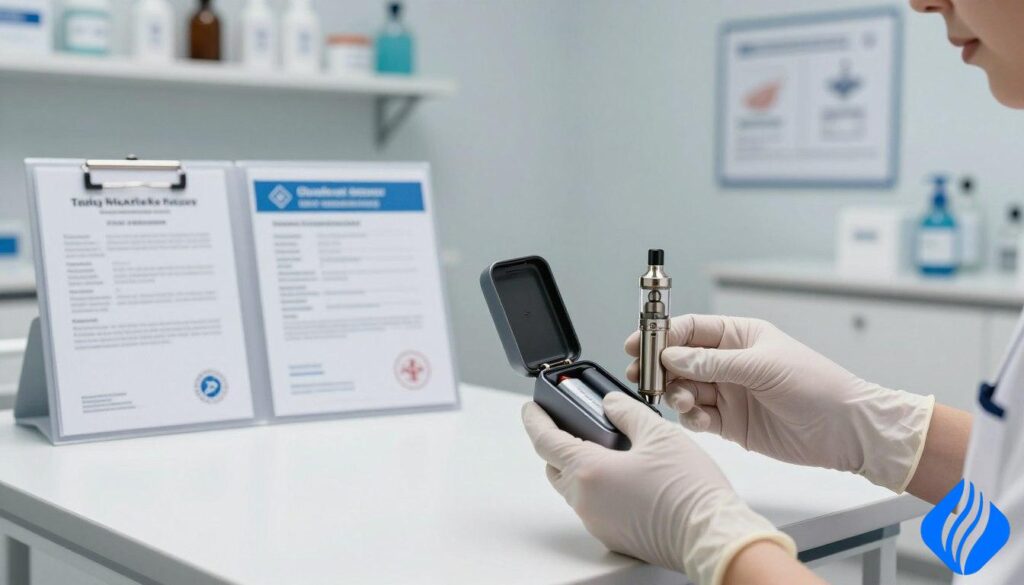
Why reputable devices matter: Well‑made devices show more consistent heating behavior, fewer manufacturing defects, and traceable supply chains. That reduces variability in emissions, though it does not eliminate lung exposure from heated aerosols.
Practical red‑flag checklist for listings
- No full ingredient list or lab certificates.
- “Proprietary blend” with zero disclosure.
- Extremely broad health claims or cure language.
- Missing manufacturer details or unclear distributor information.
- Suspiciously low prices that suggest counterfeit stock.
Consumer steps: Buy from reputable retailers, verify authenticity codes, avoid refilled or modified pods, and stop using any device that tastes burnt. Mainstream brands such as Geek Bar and Raz often have clearer authenticity checks than gray‑market sellers—this is about traceability, not health claims.
- 2026 TSA note: carry devices in carry‑on only; do not pack batteries in checked luggage.
- Venue policy: many parks and venues limit vaping to designated areas (e.g., Disney designated smoking/vaping areas).
| Risk | What to check | Action |
|---|---|---|
| Counterfeit liquids | Ingredient list; lab report | Avoid purchase; report seller |
| Faulty device | Serial/authenticity code; build quality | Return or replace through authorized dealer |
| Overheating / burnt taste | Unusual smell or harsh aerosol | Stop use; discard suspect pods |
Lower‑risk options: If nicotine is present, pursue clinician‑supported cessation. If the ritual is the goal, consider non‑inhalation alternatives that do not expose lungs to heated aerosols.
Quality control cuts some device risks, but it cannot remove the core lung exposure from inhaling heated aerosols.
Conclusion
Clinical summary: Clarity on ingredients, emissions, and inhalation toxicology remains lacking for wellness vaping products. That gap prevents confident claims about respiratory health.
Regulatory notices and prior lung injury reports support a precautionary stance. “No nicotine” labeling does not remove airway risk from heated aerosols or flavor chemicals.
Best protection: Reducing and, when possible, ending inhalation exposure offers the lowest harm. For people who smoke, evidence‑based cessation aids and counseling reduce risk more reliably than switching to unverified alternatives.
Address addiction and withdrawal with medical support. Consider approved nicotine replacement, behavioral therapy, or clinician‑led plans rather than unproven vaping products or informal substitutes.
Quick checklist: stop use if breathing symptoms develop; avoid counterfeit cartridges; seek medical evaluation for persistent problems; favor proven options for energy, sleep, or anxiety (clinical care, sleep hygiene, nutrition).
Medical Disclaimer: This content provides general information and not medical advice, diagnosis, or treatment. Vaping exposures may harm people with lung disease, pregnancy, or youth. Consult a licensed healthcare professional about symptoms, cessation options, and urgent care for severe breathing problems, chest pain, or worsening symptoms.
 English
  German
  Dutch
Dutch  Danish
  Czech
Czech  Italian
  Slovenian
  French
  Hungarian
  Spanish
  Polish