

Do vape carts expire is a practical question for adult users tracking quality and safety. We open with a clear fact: modern tech like dual mesh coils and smart screens shift how oil ages and how devices deliver hits.
We will map the difference between a true safety risk and a performance decline. Expect a hands-on testing lens that tracks throat hit, vapor output, and flavor over extended runs (including long-run scenarios such as 5,000 puffs).
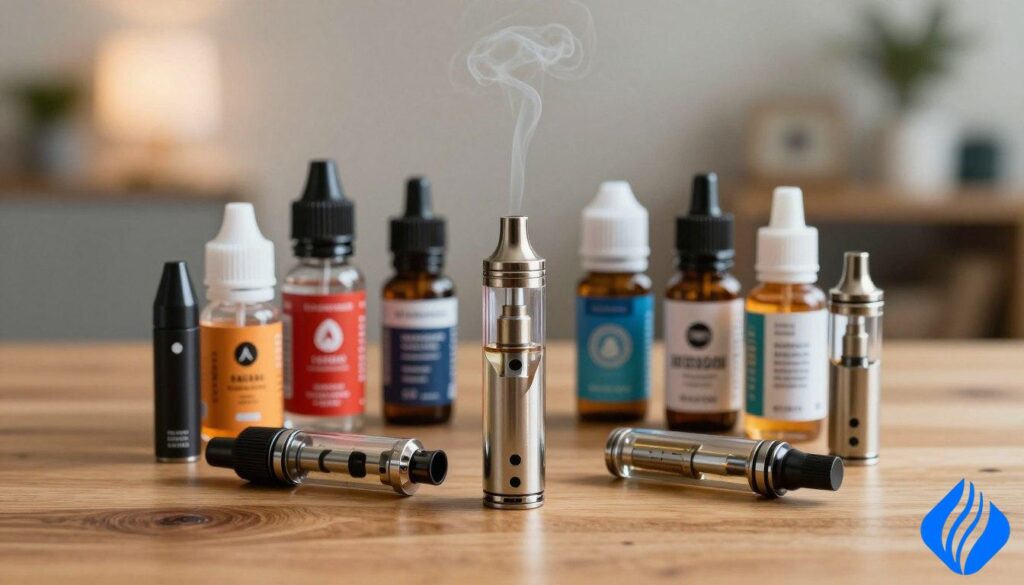
Our guide previews device specs (mAh, ml, mesh/dual mesh, USB-C). We compare competitors (Geek Bar, Lost Mary, Raz) and explain printed dates and batch variability. We define measurable quality signals: color, consistency, smell, taste, and hardware checks.
We will not offer medical advice. Instead, we provide evidence-led steps for contamination avoidance, proper storage, and responsible disposal. For more on how long cartridges remain usable, see this THC cartridge shelf guidance.
Key Takeaways
- Most quality loss is gradual: darker oil, flatter flavor, weaker effects.
- Red flags: musty odor, cloudiness, near-black oil, visible growth, or leaking hardware.
- We show simple checks using color, consistency, smell, taste, and hardware.
- Storage matters: cool, dark, upright storage slows degradation.
- Device settings often cause clogged or burnt hits—age is not always the culprit.
What “Expired” Means for Vape Carts in the US Today
When a cartridge shows changes over time, we must tell apart natural aging from contamination. Expiration in retail often marks inventory or compliance. It is not always a strict safety cutoff.
Quality drop vs. true safety issue
Most oil changes are performance-related. Expect muted flavor, lower potency, and darker color from oxidation or heat. The cart may still function but feel harsher or flatter.
True safety risks show clear signs. Prioritize sensory and visual checks:
- Musty odor or foul taste.
- Cloudiness, unusual separation, or near-black oil.
- Visible growth or leaking hardware.
How cannabinoids and terpenes change over time
Cannabinoids shift slowly; THC can convert to other byproducts that alter effects. Terpenes fade faster, which changes aroma and taste first.
We advise focusing on smell and sight over a printed date. Later sections cover storage and device checks that slow these changes and help distinguish true hazards from normal shelf life variations.
Do Vape Carts Expire? What the Science Says About Shelf Life
Lab data and field testing point to gradual oxidation and terpene loss as the main drivers of quality decline in cannabis oil products. For readers in the United States, we summarize realistic timelines and what each date on packaging usually means.

Typical shelf-life ranges: unopened vs. after first use
For best quality, expect a shelf life of about 6 months to 1 year under normal storage. Unopened cartridges in their original packaging can remain acceptable up to roughly 2 years.
Once first use occurs, oxygen exposure and heating accelerate chemical change. Expect faster terpene loss and softer flavor within months after opening.
Why printed dates can be ambiguous
Labels may show a manufacture date, a lab test date, or a “best by” that serves as a sell-by or retest window. State rules sometimes force vendors to print a retest or expiration marker that looks absolute but is contextual.
Use labels as guidance, not sole authority. Check color, smell, and consistency before discarding. Distillate-based oil tends to keep potency longer. Live resin or rosin, richer in terpenes, loses aroma and flavor faster.
- Practical standard: If a cartridge spent time in heat or sunlight, treat the printed date as less reliable than the product’s condition.
- Quick checks: Color, clarity, smell, and smoothness of hits are better quality signals than a single label.
For more on timelines and testing context, see our detailed shelf guidance.
How Long Do THC Vape Carts Stay Good Based on Use Patterns
Consumption speed maps to product life. A faster turnover usually keeps flavor and potency closer to peak. Daily use shortens calendar time but preserves the user experience by reducing idle oxidation.
Daily users vs. occasional users
Daily users often finish a cart in roughly 90–100 days. Over that span expect gradual terpene fade, darker oil, and slight thickening in consistency. Effects and potency decline slowly, but taste is the first to change.
Puff counts and draw style
Typical puff math: ~500 mg ≈ 250–300 puffs; ~1000 mg ≈ 500–600 puffs. Short MTL draws cut puff volume. Long DTL pulls, high voltage, and frequent preheat raise consumption.
Formula and product stability
Distillate formulas hold up longer. Live resin and rosin peak earlier with richer taste but lose terpenes faster. Occasional users who keep a cart months may notice the last third tastes flatter even if cannabinoids still deliver effects.
We link shelf life to how fast you finish the cart. That practice helps you judge quality, not just whether vapor still appears.
How to Tell If a Cart Is Aging Normally or Has Gone Bad
A quick inspection can separate normal aging from real contamination in a cartridge. Follow a short workflow to check color, texture, smell, and hardware before you test a small draw.
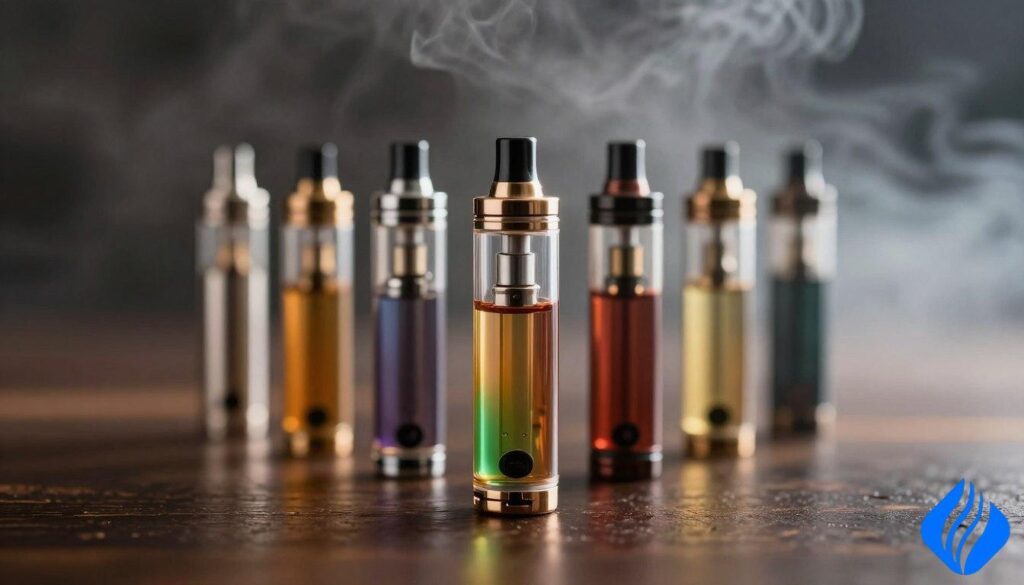
Visual and texture checks
Color often shifts from light amber toward deeper amber or brown over time. This is a common sign of oxidation and mild aging.
Stop and inspect if oil looks near-black, very dark brown, or shows odd cloudiness. Those are red flags for severe degradation or contamination.
Consistency and clarity
Mild thickening is normal as cannabinoids and terpenes change. Slight viscosity increase alone does not mean the cartridge is unsafe.
Cloudiness, sludge, or strange crystallization suggests contamination or separation that merits disposal. Separation layers that remix easily may only be inconvenient.
Smell and taste cues
Muted terpenes and a fainter flavor are typical with time and exposure. These are quality losses, not immediate hazards.
Musty, moldy, or foul odors are contamination signals. If smell or taste seem off, do not test further—discard per local rules.
Hardware red flags
Leaks, damaged seals, and clogged airflow can mimic product failure and raise contamination risk. Leaking oil can corrode device contacts and reduce quality.
- Hold the cartridge to light. Check color and clarity.
- Tip gently to watch movement and consistency.
- Smell at the mouthpiece for freshness vs foul notes.
- If visual and smell checks pass, take one small test puff. Stop at any harsh or odd taste.
| Indicator | Normal Aging | Red Flag — Discard | Why it matters |
|---|---|---|---|
| Color | Light → deeper amber/brown | Very dark brown/near-black | Dark color can mean excessive oxidation or burned components |
| Consistency | Slight thickening | Sludgy, cloudy, or abnormal crystals | Cloudiness may indicate contamination or separation |
| Smell / Taste | Muted terpenes, reduced flavor | Musty, moldy, or foul odor/taste | Odors are the most protective sensory check |
| Hardware | Minor residue, normal mouthpiece wear | Leaks, broken seals, clogged airflow | Leaks introduce air and contaminants, harming quality and safety |
Conservative action plan: If contamination markers appear, do not try to fix the cartridge. Dispose of the cartridge according to local regulations and replace it. Proper storage and avoiding heat, light, and excess exposure slow these changes and preserve quality.
What Makes Carts Expire Faster: Heat, Light, Air, and Humidity
External stressors like heat, light, air, and humidity speed chemical change in cartridges far faster than simple calendar time. We explain the mechanisms so you can limit damage in everyday situations.
Oxidation after the first hit
Once a cartridge is opened, oxygen exposure starts chemical shifts in the oil. Cannabinoids and terpenes react with air and slowly break down, lowering potency and flattening flavor.
Short storage between sessions reduces contact time and slows this oxidation process.
Sunlight and UV impact
Direct sunlight and UV light speed terpene loss and degrade cannabinoids. A cart left on a sunny dashboard will lose taste and potency faster than one kept in the dark.
Heat spikes and temperature swings
Heat spikes—like a few hours in a hot car—can age oil dramatically. Rapid temperature changes also stress seals and worsen leaks.
Stable, cool storage is far less damaging than frequent hot-cold cycles.
Moisture and contamination risk
High humidity or wet environments do not age oil directly. They do raise the chance of microbial contamination. Moisture at the mouthpiece or a cracked seal is the real safety hazard.
- Mechanism summary: Oxygen = oxidation; UV = terpene and cannabinoid breakdown; heat spikes = accelerated aging; moisture = contamination risk.
- Quick risk ranking: hot car + sunlight + partially used cart = fastest path to poor quality.
How to Store Vape Cartridges for Maximum Shelf Life
Even modest habits—upright placement and cool storage—slow oxidation and protect quality. Follow simple, realistic steps for proper storage in a US home to keep cannabis oil stable and preserve flavor over time.
What “cool” means at home:
Store upright, cool, and dark — practical temperature guidance
Keep cartridges in a cool spot around 60–70°F. Closets, drawers, or a bedroom shelf beat windowsills and cars. These areas limit heat and light exposure and reduce oxidation.
Keep original packaging and seal between sessions
Retain the original packaging for added light protection and the batch/date reference. Store carts upright to limit oil sitting against seals and to reduce leak risk.
Disconnect batteries and cap or reseal the mouthpiece between sessions. This reduces oxygen exposure and accidental heating from devices left on.
Why refrigeration or freezing is usually counterproductive
Cold thickens oil and increases clogging risk. When a cart warms, condensation can form. Moisture at seals invites contamination and harms quality more than mild room heat.
Quick after-use routine
- Place the cart upright in its box or a drawer.
- Wipe the mouthpiece and contacts to prevent lint and corrosion.
- Keep cartridges away from direct sunlight and heat sources.
| Action | Why | Practical tip |
|---|---|---|
| Upright storage | Reduces leaks and seal stress | Stand cart in original box on a shelf |
| Cool, dark spot | Slows oxidation and terpene loss | Use a closet or bedside drawer (60–70°F) |
| Avoid fridge/freezer | Prevents condensation and thickening | Do not store in cold appliances |
| Seal and disconnect | Limits oxygen and accidental heating | Cap mouthpiece and remove battery between uses |
Hands-on Testing Insights: Flavor, Throat Hit, and Vapor Over Time
D. We ran extended-use trials to record how taste, throat hit, and vapor respond over thousands of draws.
We present our hands-on testing results in plain terms. Early sessions show clear terpene notes and a smooth throat hit. Vapor feels consistent and full.
Throat hit shifts
Fresh oil usually yields a milder, clearer hit. As oil ages, hits often grow harsher even when measured potency drops.
Vapor consistency and clogging
Vapor output stays steady at first. Over time, minor clogging produces tight draws and intermittent plumes. Users describe this as a reduced airflow or a slightly “spitty” pull.
Flavor after heavy use (including 5000 puffs)
After long runs—including tests up to 5000 puffs—flavor commonly flattens and can take on a faint toasty note. This often coincides with battery sag or higher heat late in the cycle.
| Test Area | Early Use | Late Use (thousands of puffs) |
|---|---|---|
| Flavor / Taste | Vibrant terpene profile | Muted, flatter, slightly toasty |
| Throat Hit | Smooth, clear | Stronger, rougher |
| Vapor / Consistency | Stable, full plumes | Intermittent, reduced airflow |
| Primary confounders | Stable battery, proper airflow | High voltage, chain-hitting, coil residue |
We distinguish oil aging from hardware limits. Often a harsh hit is not contamination but overheating, poor airflow, or coil buildup. Section 9 will examine those device factors and practical fixes.
When “Burnt” Doesn’t Mean Expired: Voltage, Coils, and Device Settings
Many users mistake scorched flavor for expired oil when the root cause is hardware or settings. We focus on clear, safe checks that preserve quality and avoid unnecessary disposal.
Common causes of harsh hits
Overheating scorches oil at the coil instead of vaporizing it. High temperature and long draws raise local heat quickly.
Restricted airflow concentrates heat and produces harsher notes. A clogged path forces the coil to run hotter.
Practical fix checks before you toss a cart
- Lower the device voltage to the 3.3–4.0V band and test at the lower end first.
- Take shorter draws and allow the coil to cool between pulls.
- Try primer puffs (short, gentle draws) or brief, controlled warming to clear mild clogs.
- Confirm airflow is clear and seals are intact; leaks with off-odor or cloudiness require disposal.
“A burnt taste often reflects power and airflow factors, not product spoilage.”
| Symptom | Likely Cause | Action |
|---|---|---|
| Harsh, toasted flavor | High voltage / long draws | Lower voltage; short draws; cool time |
| Tight draw, sudden rough hit | Clog or residue | Primer puffs; gentle warming; clear airflow |
| Leak + musty smell | Contamination / seal failure | Discard and replace; follow local disposal rules |
Disposable Vape Specs That Affect Freshness and Flavor Consistency
Small technical choices—battery size, coil design, charging port—drive how long flavor stays true. We focus on measurable specs that predict real-world performance for adult users in the United States.
Battery capacity and power stability
mAh matters. Higher capacity (e.g., 500–1500 mAh) keeps voltage steady longer. Stable power limits sudden temperature swings at the coil and reduces late-run harshness in a vape.
Liquid volume and nicotine strength
Look for ml markings (0.5–2.0 ml common) and nicotine labels: 2% vs 5% nicotine salt. Higher nicotine raises perceived throat hit. That hit can mimic stale taste near a unit’s end.
Coil type and heating behavior
Mesh vs. dual mesh: mesh gives even heating; dual mesh increases surface area and keeps flavor consistent across thousands of puffs. Even heat distribution preserves terpenes in the oil and reduces burnt notes.
Charging port and long-run output
USB-C rechargeables keep voltage available over time. Rechargeable products avoid the “half-dead battery” distortion common in non-rechargeable disposables.
| Spec | Typical Range | Effect on Flavor | Practical Note |
|---|---|---|---|
| Battery (mAh) | 300–1500 | Higher mAh = steadier heat, less harsh end-run | Prefer 500+ for long runs |
| Liquid (ml) | 0.5–2.0 | Bigger tanks stretch freshness over time | Match ml to your use rate |
| Nicotine | 2% / 5% salts | Stronger nic = bigger throat hit, may feel “stale” sooner | Choose strength for comfort, not perceived freshness |
| Coil | Mesh / Dual mesh | Dual mesh = more even vapor, steadier flavor | Look for dual mesh on high-consistency products |
| Charging | None / USB-C | USB-C prevents power sag over time | Rechargeable units better for long-term consistency |
In short, check mAh, ml, nicotine strength, coil type, and charging port when comparing products. Many perceived age issues stem from power and coil behavior, not the oil itself.
Puffs per Dollar and Flavor Consistency Comparison
Cost per usable puff and mid-run taste stability tell us more about value than headline puff numbers. We measure two things: Puffs per Dollar (realistic usable puffs divided into price) and Flavor Consistency (how steady taste and throat hit remain over time).
Main product vs. Geek Bar
Specs checklist: battery (mAh), e-liquid (ml), nic %, coil, and USB-C. Geek Bar often targets high advertised puff counts with modest mAh and single mesh coils. That can mean early flavor fade when battery sags.
Main product vs. Lost Mary
Lost Mary tends toward stronger throat hit and faster mid-run flavor fade. Our product balances nic strength and dual mesh heating to keep taste steadier through mid-use.
Main product vs. Raz
Raz focuses on plume size and sustained output. Raz units may maintain vapor but show coil residue later. Rechargeable units with USB-C keep voltage steadier and extend usable life.
Estimating Puffs per Dollar
- Use realistic draw length, not advertised maxima.
- Subtract last puffs when flavor collapses.
- Divide usable puff count by price for true cost-per-puff.
Bottom line: More puffs are not better if flavor collapses early. Value is usable, quality puffs over time.
Safe Use Checks: Empty, Recharging, and Authenticity Verification
Before you continue using a product, run quick checks for emptiness, safe recharging, and authenticity. These steps protect quality and limit risk from heat, faulty batteries, or counterfeits.
How to know if it’s empty
Check for obvious signs first. A truly empty unit shows no vapor even with a charged battery. Look at viewing windows for a low or absent oil level.
Other indicators: blinking lights, a sudden change in taste, or draws that fail after airflow clearing. If the mouthpiece tastes burnt and simple fixes don’t help, treat the cartridge as spent.
How to recharge safely with USB-C
Use a reputable charger and a stable surface. Avoid charging on soft materials or near flammable fabrics. Stop charging if the unit gets unusually warm.
- Plug into a certified wall adapter.
- Monitor temperature; discontinue at high heat.
- Do not leave charging unattended for long periods.
Overheating can permanently harm flavor and mimic expiration. Heat and uncontrolled temperature swings are common factors that reduce performance.
Is it authentic?
Verify the QR code before use. Scan the code or visit: Sokvape.
If codes are missing, altered, or return no record, do not use the product. Contact the retailer and request a verified replacement. Counterfeits can compromise safety and oil quality.
Quick rule: If authenticity cannot be confirmed, discard or return the unit rather than risk unknown defects.
How to know it’s empty, how to recharge safely, is it authentic — follow these checks in sequence to protect performance and prolong life.
Nicotine warning: This product contains nicotine. Nicotine is an addictive chemical.
Where to Shop Related Products on SOKVAPE</h2>
Choosing where you buy matters for freshness, packaging, and documented dates. We guide readers to reputable categories and brand pages so you can match specs and preserve quality at home.
Browse newer, sealed options
For fresher, sealed choices see our Disposable Vapes. Sealed units reduce oxygen exposure and often show clearer production dates. That improves expected shelf life when you follow proper storage.
Check value-focused picks
Visit Hot Sale for cost-conscious options. Evaluate true value by usable puffs, flavor consistency, and battery specs rather than headline price.
Explore brand pages for specs
Compare coil and battery choices on RandM and Bang. Different models affect how steady a cart stays across months of use and how the oil heats.
| Category | Why buy sealed | Link | Practical tip |
|---|---|---|---|
| Disposable Vapes | Less oxygen, clear date labels | Shop | Keep original packaging for batch info |
| Hot Sale | Value picks with spec notes | Shop | Compare puffs per dollar and flavor life |
| Brand Pages | Spec-driven comparisons (coil, mAh) | RandM / Bang | Match model to your draw style |
Adults 21+ only: Buy from verified sources and confirm authenticity before use.
Conclusion
Our closing point: most quality loss is gradual and recognizable, not an immediate safety hazard. Reduced potency, faded flavor, and minor texture changes are common signs of aging; obvious contamination means stop and discard.
Unopened cartridges can sit on the shelf for up to a year to two years depending on formulation. Live-resin style cannabis oil will lose aroma faster. After first use, oxygen exposure and repeated heating speed decline over months.
Follow three core checks: smell (musty or foul = red flag), clarity (cloudiness = red flag), and hardware (leaks or broken seals = red flag). For best results, use cool, dark, upright storage and avoid direct heat or light that drive oxidation.
Treat printed dates as context, not the sole rule for expiration. Match product size to your pace so you finish within the best-quality window and preserve the intended effects and user experience.
 English
  German
  Dutch
Dutch  Danish
  Czech
Czech  Italian
  Slovenian
  French
  Hungarian
  Spanish
  Polish