

Question: Could inhaling aerosol from a vape expose someone with celiac disease to gluten?
Direct Answer: Most evidence shows the risk is very low — core e-liquid ingredients such as propylene glycol (PG), vegetable glycerin (VG) and nicotine do not typically contain gluten, and intact gluten proteins are unlikely to transfer into inhaled aerosol.
The senior safety consultant at SokVape frames this as a safety-first FAQ, not promotion. This guide focuses on U.S. market products, ingredient sourcing, and cross-contact risks in manufacturing.
Why the concern persists: people with celiac or intolerance react to tiny food traces, so they ask whether vaping creates a new exposure pathway.
Brief preview: the science centers on aerosol physics and protein size, while the main real-world variables are flavoring sources and factory filling practices.
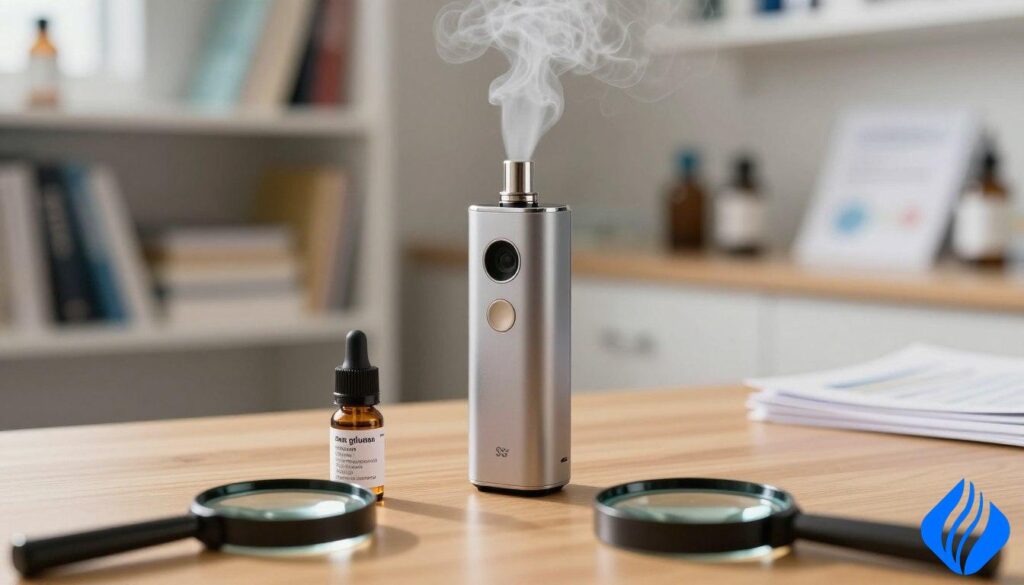
For more detailed supplier-focused information, see this short explainer from Pod Salt on e-liquid sourcing and testing: e-liquid gluten guidance.
Key Takeaways
- Base ingredients (PG/VG and nicotine) are generally free of gluten proteins.
- Intact gluten is a large protein and unlikely to vaporize into inhaled aerosol.
- Main risks come from flavoring sources and manufacturing cross-contact.
- Look for transparent quality controls and supplier statements when concerned.
- Approach exposure risk cautiously; respiratory and toxicology harms remain separate concerns.
Key Takeaways and Quick Reference for Gluten Concerns
Quick summary: This quick-reference summarizes the practical risk for people concerned about gluten exposure from inhaled aerosol.
Key Takeaways
For most U.S. consumers, products are unlikely to contain gluten in a clinically meaningful way. Core base ingredients (PG/VG) and nicotine rarely include intact gluten proteins.
Caution: uncertainty rises with unknown flavoring sources or mixed manufacturing lines. People with celiac disease should treat unknown sourcing as higher risk than those with non‑celiac sensitivity.
Quick Reference Table: Gluten Risk by Component
| Component | Typical Risk | Product Type | Action |
|---|---|---|---|
| VG / PG | Low | All (refillable, pods, disposables) | No action needed unless supplier unclear |
| Nicotine | Low | All | Check supplier statement |
| Flavorings | Variable | Pods, disposables, vape juices | Contact manufacturer / prefer labeled products |
| Device hardware / shared lines | Low–Moderate | Refillable tanks | Seek allergen statements; avoid shared refill stations |
Who should be most cautious
People with celiac disease face autoimmune risk from tiny exposures. They should prioritize documented sourcing, batch testing, or explicit allergen statements.
Those with non‑celiac gluten sensitivity may tolerate more uncertainty but should stop use if symptoms appear the same day. For flavor allergy concerns, see this note on being allergic to certain vape flavours.
Same-day checklist:
- Stop use if symptoms begin.
- Switch to a clearly labeled product for the day.
- Contact the manufacturer if symptoms persist.
Next sections: ingredients → mechanisms → quality control → conclusion with safety reminders.
Do vapes have gluten?
Most mainstream U.S. products for inhalation are not formulated with cereal proteins. This is the direct answer for most people: commercial vape juices and many electronic cigarettes do not intentionally contain gluten.
Why gluten is uncommon in e-liquids and disposable devices
E-liquid chemistry centers on solvents (propylene glycol and vegetable glycerin), nicotine, and volatile flavor compounds. These ingredients serve vapor production and taste. Grain proteins serve no functional role in this chemistry.
Where exposure concerns usually come from
Risk typically stems from unclear flavor sourcing, processing aids used for natural extracts, or shared filling lines. Counterfeit or unverified products raise the largest practical risk.
| Source | Typical Risk | Why | Action |
|---|---|---|---|
| Base solvents (PG/VG) | Low | Manufacturer-grade, not grain-derived | No specific action |
| Nicotine | Low | Usually purified; supplier statement helps | Check supplier info |
| Flavorings / extracts | Variable | Natural extracts may use carriers | Request allergen statements |
| Counterfeit devices | Moderate–High | Unknown ingredient controls | Avoid; choose reputable brands |
Note: Disposable and pod systems can be harder to verify. For details on disposable verification see do disposable vapes have gluten.
Clinical guidance: people with celiac should seek products with clear sourcing or testing to reduce uncertainty.
What gluten is and why it triggers reactions in celiac disease
Gluten is a set of storage proteins, commonly described as the gliadin and glutenin fractions found in wheat, barley, and rye. These are plant proteins used by the seed for growth, not simple sugars or starches.
Gluten proteins in wheat, barley, and rye
Wheat contains the highest concentrations, with barley and rye carrying related protein families. The clinically relevant issue is exposure to intact protein fragments, not general carbohydrate content.
The “why”: immune activation and intestinal damage
In celiac disease, gluten peptides are recognized by the immune system in genetically susceptible people. That recognition triggers inflammation that can damage the small intestine lining and its villi.
This autoimmune process reduces nutrient absorption and can cause systemic symptoms. For that reason, strict avoidance of dietary sources is the standard medical recommendation for people with celiac disease.
Non‑celiac intolerance differs: symptoms may be real but do not show the same autoimmune villous injury. Risk management and clinical follow-up therefore differ between the two conditions.
“Because celiac harm depends on immune recognition of intact proteins, the key question is whether meaningful protein can be present and delivered via inhaled aerosol.”
Clinical note: people with celiac disease should maintain their prescribed diet and consult their clinician if they suspect repeated exposure from any product.
What’s in vape juice and are those ingredients gluten-free?
Understanding what is inside a typical vape liquid clarifies where allergen risk could appear. A standard e-liquid contains three primary ingredient groups: base solvents, nicotine (optional), and flavorings. This section explains which categories are intrinsically low risk and which depend on sourcing.
Propylene glycol (PG)
Propylene glycol is a common pharmaceutical and food‑grade solvent used to carry flavor. The molecule itself is not a grain protein and is generally considered free of common cereal proteins. Verification rests on supplier documentation rather than the chemical identity.
Vegetable glycerin (VG)
Vegetable glycerin is a plant‑derived humectant that creates visible vapor. VG is not a gluten protein; however, the word “vegetable” covers many crops, so highly sensitive consumers should confirm botanical sourcing with the manufacturer.
Nicotine
Nicotine is typically extracted from tobacco or synthesized. It is not a gluten protein and is not a usual allergen route. Note that nicotine‑free products can still contain complex flavorings that drive most variability in risk.
Flavorings and a safety note
Flavor concentrates are the most plausible pathway for contamination because some natural extracts use carriers or complex supply chains. Still, reputable suppliers usually avoid cereal protein inputs.
Diacetyl is a separate safety concern: a buttery flavor compound linked to respiratory harm in occupational settings. It is a toxicology issue, not an allergen concern, and highlights why transparency matters.
- Ask for an allergen or ingredient statement.
- Confirm whether any inputs derive from wheat, barley, or rye.
- Ask if flavor concentrates share filling lines with food‑grade materials.
Practical point: the critical question is not only what is listed, but which components can become aerosol and reach the respiratory tract.
Could vaping cause a gluten reaction? What the science suggests
Aerosol science and protein chemistry together explain why inhaled cereal proteins are unlikely to travel from a liquid into the lung.
The “why”: large proteins rarely aerosolize
Proteins such as wheat prolamins are large molecules. Heating vape juice creates tiny droplets of PG/VG and volatile flavor compounds. Large protein fragments do not readily volatilize into those droplets, so transfer into inhaled aerosol is biologically unlikely.
Cross-contact during manufacturing
Contamination risk is different: shared mixing tanks or filling lines can leave trace residues. For people with celiac disease, even tiny cross-contact can matter. Reputable manufacturers use cleaning validation and allergen controls to reduce this risk.
Symptoms, stop-use guidance, and escalation
GI upset or fatigue after using a specific product that recurs merits caution. Stop use of the suspect device and keep batch details.
“Unlikely does not mean impossible—trace contamination is the practical risk vector.”
| Mechanism | Likelihood | Practical action |
|---|---|---|
| Protein aerosolization | Low | Minimal concern for most products |
| Manufacturing cross-contact | Variable | Request allergen statements |
| Adverse respiratory signs | Low–Moderate | Seek urgent care for wheeze or severe breathlessness |
- Seek clinical advice if symptoms persist beyond a day or two.
- Preserve the product and batch information before contacting the manufacturer.
How to choose gluten-free vaping products with better quality control
Quality control matters: a verified supply chain lowers the chance of cross-contact in inhaled products.

Label reading: what a “gluten-free” claim actually signals
“Gluten-free” on packaging is a useful signal but not proof of supplier audits or cleaning validation. Treat labels as a starting point and look for more documentation.
Checklist for packaging and product pages
- Full ingredient list or clear statement that lists carriers and extract sources.
- Allergen declarations and batch/lot numbers for traceability.
- Authentication codes or retail verification for pods and disposables.
When to contact manufacturers
If someone has celiac disease or persistent symptoms, request written confirmation about flavor carriers, shared equipment, and cleaning protocols. Keep batch details when reporting issues.
Third-party testing and authenticity
Certificates of analysis and independent lab results increase confidence; they show process control but do not guarantee absolute absence of cross-contact.
Practical tip: prefer reputable brands with clear distribution channels; names like Geek Bar and Raz often offer stronger authenticity checks.
Travel and venue rules (2026): TSA requires that vaping devices and spare batteries travel in carry-on luggage; use is prohibited on aircraft. Many venues, such as Disney parks, restrict use to designated areas—check current rules before travel.
Bottom line: verified sourcing + testing + authenticity checks reduce uncertainty more than marketing alone. For more supplier-focused details, see this vape juice gluten guide.
Conclusion
For most users, the probability of inhaling intact cereal proteins from a vape product is remote when suppliers apply proper controls.
Why: core solvents and nicotine are not grain proteins, and large protein fragments rarely transfer into aerosol. Manufacturing cross‑contact remains the most plausible route for trace exposure.
Safety guidance: prefer verified brands, request allergen or batch statements, and stop use if symptoms recur the same day. Keep product names and lot numbers for any report to the manufacturer.
Harm‑reduction note: vaping is not risk‑free and differs from cigarettes in broader risk profiles; the gluten question is a narrow aspect of product safety.
Medical Disclaimer: This guide provides general information and is not medical advice. People with celiac disease or persistent symptoms should consult a clinician.
 English
  German
  Dutch
Dutch  Danish
  Czech
Czech  Italian
  Slovenian
  French
  Hungarian
  Spanish
  Polish