

Do vapes make your breath smell is the question many adult vapers ask when they notice dry mouth or odd after-odors.
We open with a clear fact: modern kit advances like dual mesh coils and smart screens change vapor heat and flavor delivery, but they do not eliminate mouth-environment effects linked to halitosis.
Vaping aerosols sit in the mouth and throat. That can reduce saliva and invite odor-causing bacteria. Nicotine also narrows blood flow and raises gum-risk over time.
In this guide we will cover evidence, hands-on testing observations, and practical oral-hygiene steps. We will compare disposables by mAh, ml, nicotine %, coil type, USB‑C, plus puffs-per-dollar and flavor consistency.
We frame this as an adult (21+) harm-reduction discussion. If changes persist with bleeding gums or sores, seek professional care. For how dentists spot vaping signs, see our linked clinical summary: dental vaping signs.
Key Takeaways
- Vape-related odor is usually a mouth-environment issue: dryness plus bacteria.
- Nicotine and PG/flavorings can reduce saliva and raise cavity and gum risk.
- Simple steps—hydration, targeted brushing, saliva support—help within time.
- Switching devices may reduce harsh hits but won’t replace oral care.
- Persistent bad breath with bleeding or sores needs dental evaluation.
- We will compare device specs that affect real-world performance and puffs-per-dollar.
What causes bad breath and why vaping can make it worse
Halitosis begins at the microbial level. Bacteria feed on trapped food and plaque. They release volatile compounds that smell stale, sour, or sulfur-like. This is the core mechanism behind many oral odors.
How saliva and mouth hygiene protect against odor
Saliva washes the mouth and helps neutralize acids. When saliva drops, bacteria and plaque build up faster on the tongue, teeth, and along the gumline.
Dry mouth and user behaviors that speed odor buildup
Inhaled aerosol and extended mouth breathing during vaping reduce perceived moisture. Chain sessions and high nicotine use further lower saliva flow. The result is a sticky coating that lets bacteria thrive.
Propylene glycol, flavorings, and oral environment shifts
Propylene glycol and other glycol-based flavor compounds can be drying. Some chemicals in e-liquid alter the mouth environment and favor bacterial activity over natural cleansing.
“Reduced saliva is the single biggest short-term change that lets odor-causing microbes gain the upper hand.”
- Audit hydration, frequency of vaping, and whether sessions follow coffee or alcohol.
- Brush the tongue and floss to reduce trapped food and plaque.
- Note tooth sensitivity or persistent coating—these signal more than temporary dryness.
| Cause | Effect in the mouth | Practical check |
|---|---|---|
| Bacterial growth | Stale and sulfur-like compounds | Scrape tongue; odor persists after brushing |
| Reduced saliva | Faster plaque buildup and dry coating | Note frequency of dry mouth after sessions |
| Propylene glycol / flavor glycol | Drying of oral environment; increased bacterial activity | Try shorter sessions; hydrate between puffs |
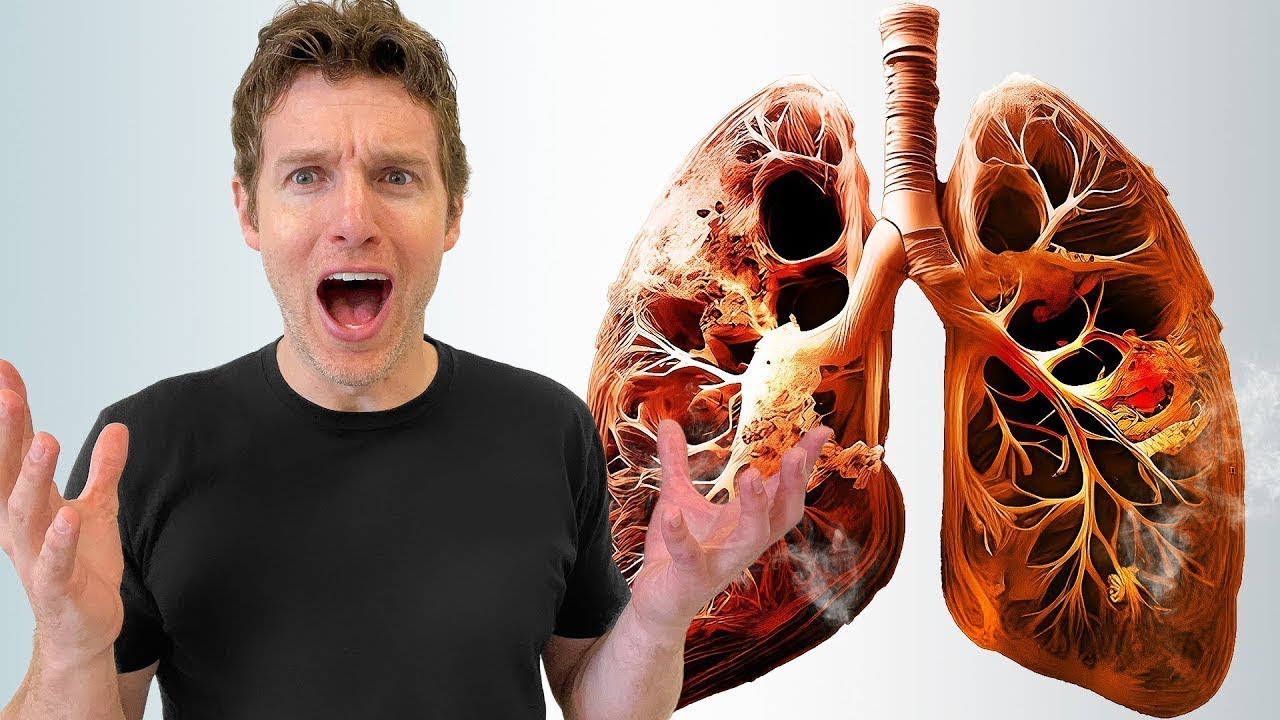
Do vapes make your breath smell? What the evidence suggests
Clinical guidance and lab studies link aerosol exposure to changes in oral moisture and microbial balance. Repeated aerosol contact can dry the mouth and irritate soft tissues. That change favors odor-causing bacteria over normal flora.
Vaping aerosols and irritation
Aerosol particles sit in the mouth and throat. Over time this reduces saliva and raises risk for cavities and gum problems.
Nicotine and blood flow
Nicotine constricts blood vessels. Reduced blood to the gums lowers tissue repair. That raises inflammation and the chance of gum disease.
Warning signs to watch
- Persistent bad breath despite brushing — possible infection or decay.
- Bleeding or swollen gums, tooth sensitivity, or mouth sores.
- Loose teeth, receding gum line, or discoloration.
“If symptoms persist after improved hygiene, seek a dentist to rule out disease.”
Quitting timeline and recovery
After quitting vaping, saliva often recovers and inflammation falls over weeks to months. Time varies by nicotine exposure, past smoking, and baseline oral health.
| Issue | Why it happens | When to see a dentist |
|---|---|---|
| Dry mouth | Aerosol + PG reduce saliva | If dryness persists >2 weeks |
| Bleeding gums | Nicotine + plaque-driven inflammation | Any recurring bleeding on brushing |
| Persistent bad breath | Bacterial overgrowth or infection | After 1–2 weeks of improved care |
Hands-on testing insights: throat hit, vapor, and flavor after heavy use
Our hands-on testing focused on how sustained use shifts throat feel, vapor load, and flavor over time.
Throat hit and mouthfeel. A smooth hit usually signals stable wicking and controlled coil temperatures. A strong/harsh hit often means higher heat, stressed coil, or higher nicotine strength. Harshness can lead to more mouth breathing and greater oral dryness.
Vapor production and aftertaste. Higher vapor output feels fuller but can leave a coating in the mouth. Sweeteners and cooling agents tend to cling. That residue may alter perceived freshness and can affect teeth if residues accumulate.
Flavor consistency after 5000 puffs. At the 5000‑puff mark many devices show first signs of change: sweetness mutes, top notes fade, and a dry or peppery edge can appear. Users often shorten puffs or chain sessions when taste shifts, which increases dryness over time.
“If a device tastes burnt or unusually harsh, stop use and inspect or replace it to limit exposure to off-flavors.”
- We tracked throat hit, vapor density, and flavor stability under heavy use.
- Performance shifts can correlate with increased oral dryness and lingering odor risk.
- Controlling dryness and plaque is more effective than chasing stronger flavors to mask off-notes.
How to keep your breath fresh while vaping
A practical routine can cut odor risk by restoring moisture and removing bacterial reservoirs. We recommend a short, repeatable protocol that prioritizes saliva, plaque control, and gum protection over masking techniques.
Hydration and saliva support
Drink water steadily during the day and sip between vaping sessions. Saliva is the mouth’s primary defense. Sugar-free gum with xylitol can boost flow and curb bacteria. Limit alcohol and excess caffeine if dry mouth is severe.
Brushing and flossing routine
Brush twice daily with fluoride toothpaste. Floss once a day and clean the tongue to remove trapped plaque and bacteria. Consistency beats intensity—short, regular care reduces long-term risk to teeth and enamel.
Protecting teeth and gums
Avoid brushing immediately after acidic food or drinks. Use a soft brush and watch for sensitivity; that may signal enamel erosion. Treat bleeding as a warning sign—not normal—since nicotine can mask gum issues.
When to see a dentist
- Persistent bad breath despite good oral hygiene
- Bleeding or swollen gums, recurring sores, or new sensitivity
- Loose teeth or signs of infection
If any of the above appear, seek professional care. For users with dental appliances, check specific guidance such as vape with Invisalign. Simple habits can improve results in days, but true gum disease or decay needs dental treatment.
Choosing a vape that’s less likely to wreck your mouth: what to look for
A careful device choice is risk management: specs influence heat, vapor, and oral impact. We recommend checking core fields before purchase to reduce harsh or burnt hits that increase dryness and irritation.
Nicotine strength and perceived harshness
2% vs 5% nic salt: 5% often feels harsher and can prompt shorter, more frequent puffs. That pacing raises exposure to nicotine’s vasoconstrictive effects on gum tissue. Choosing the lowest effective nicotine level lowers cumulative risk to teeth and gums.
Coil type and heat control
Mesh provides even heat. Dual mesh increases surface area and consistency but can produce more vapor and a stronger drying sensation. Better wicking and balanced airflow cut burnt notes.
Volume, battery, and charge
Higher ml capacity can encourage chain sessions. Stable mAh output keeps vapor consistent and avoids weak‑then‑burnt pulls near depletion. Reliable USB‑C charging supports steady recharges and safer habits.
| Spec | Typical value | Practical impact |
|---|---|---|
| mAh | 500–1500 | Consistent power avoids flavor fade/burn |
| ml | 10–20 | Large volume may raise chain use risk |
| Nic % | 2% / 5% | Higher % = stronger throat hit, more gum exposure |
| Coil | Mesh / Dual mesh | Dual mesh = steadier heat, more vapor |
| Port | USB‑C | Stable charging reduces off‑flavors |
“Better-performing products reduce burnt notes but cannot replace daily oral care.”
Product comparison for value and consistency: main device vs Geek Bar vs Lost Mary vs Raz
To judge value we benchmark the main device versus Geek Bar, Lost Mary, and Raz using clear, measurable specs. We focus on metrics that affect cost, flavor life, and oral outcomes for adult users. Verify live listings before purchase because variants exist.
Core technical specs to compare
We compare: battery capacity (mAh), e-liquid volume (ml), nicotine % (nic salts), coil type (mesh vs dual mesh), and USB‑C charging. These specs predict heat control, vapor load, and mid-life flavor stability.
Puffs-per-dollar: calculation method
Calculate cost per puff as price ÷ realistic puff range. We prefer a realistic range because advertised puffs assume short draws. Puff length, chain use, and coil efficiency alter real counts.
Flavor consistency and breath impact
We judge consistency on sweetness stability, cooling agent persistence, and absence of harsh or burnt notes over time. Heavy sweeteners can leave a coating on teeth and tongue. Cooling agents mask odor but do not reduce bacterial load. Harsh off-notes often trigger more frequent draws and greater oral dryness.
“Value is not only dollars; steady flavor can reduce over-puffing and limit dry-mouth risks.”
| Device | Battery (mAh) | E-liquid (ml) | Nicotine % | Coil type | USB‑C |
|---|---|---|---|---|---|
| Main device (article focus) | Typical 650–1200 | 10–20 | 2% / 5% | Mesh / Dual mesh | Often yes |
| Geek Bar | Typical 450–1000 | 10–16 | 2% / 5% | Mesh | Varies |
| Lost Mary | Typical 600–1200 | 10–20 | 2% / 5% | Dual mesh | Often yes |
| Raz | Typical 500–1100 | 10–18 | 2% / 5% | Mesh | Varies |
Buyer guidance: prioritize devices that hold flavor through mid-life. That reduces the urge to chain sessions and lowers risk to gum and tooth health. Adults switching from smoking may prefer higher nicotine briefly, but note the tradeoff with irritation and slower saliva recovery.
Buying and using disposables safely: authenticity checks and recharge guidance
We present a short safety checklist for buying and charging disposable devices to reduce harsh off-flavors, overheating, and increased risk to gum and oral tissues.
How to know if it’s empty
FAQ — How to know if it’s empty? Reliable signs are a clear flavor drop-off, thinner vapor, and a harsher throat hit. Some units blink or flash when near depletion.
Stop at the first burnt or metallic note. Pushing through an empty reservoir leads to harsher aerosol that can increase dryness and worsen bad breath by prompting more frequent draws.
How to recharge safely
FAQ — How to recharge safely? Use a quality USB‑C cable and a certified charger. Avoid overnight charging and do not charge on pillows or soft beds.
Keep the device on a hard, ventilated surface. If it becomes warm, unplug immediately. Stable charging prevents weak‑then‑overheated pulls that create off‑flavors and extra irritation.
Is it authentic?
FAQ — Is it authentic? Verify the package QR code via the brand check flow on Sokvape. Confirming authenticity lowers the chance of inconsistent ingredients, faulty coils, or harsh performance.
Use the verification page and follow prompts at Sokvape for QR checks and product details.
Where to shop
For verified inventory, consider browsing reputable sections: Disposable Vapes, Hot Sale, or brand filters such as RandM and Bang. For usage guidance see how to use a disposable vape.
“Counterfeit or poorly maintained disposables can produce harsher aerosol and off‑flavors that increase irritation and oral dryness.”
Health and safety note: Nicotine is an addictive chemical. These products are intended for adults of legal age (21+ in the U.S.) and are not for youth, pregnant individuals, or non‑users. If persistent bad breath, bleeding gums, sores, or signs of infection appear, pause use and seek dental care.
Conclusion
In short, clinical data and hands-on testing point to dryness-driven odor risk more than flavor alone. Frequent vaping reduces saliva and shifts oral bacteria. Over time this raises the chance of bad breath and gum disease.
High-ROI steps include steady hydration, saliva support (sugar-free xylitol gum), consistent brushing and tongue cleaning, and regular dental visits. These actions treat the source rather than mask symptoms.
Smoother devices that avoid burnt hits can cut irritation, but they do not remove core oral-health risks tied to nicotine and chemicals. Improvements may show quickly for mild issues; deeper damage needs dental care and time.
Nicotine warning: Nicotine is addictive and for adults 21+ only. If persistent bad breath, bleeding gums, sensitivity, or sores appear, seek a dentist promptly.
 English
  German
  Dutch
Dutch  Danish
  Czech
Czech  Italian
  Slovenian
  French
  Hungarian
  Spanish
  Polish