

Has fentanyl made it to vapes is the exact question many U.S. adult vapers are asking right now. We open this piece as a data-led safety review, not a panic alert. Our goal is clear: practical risk reduction and reliable information for readers in the United States.
We will cover documented seizures and confirmed reports versus social-media rumor. We also explain what we can and cannot verify with hands-on testing. That includes bench checks and spec verification: mAh, ml, 2%/5% nic salt, mesh and dual-mesh coils, and USB‑C charging.
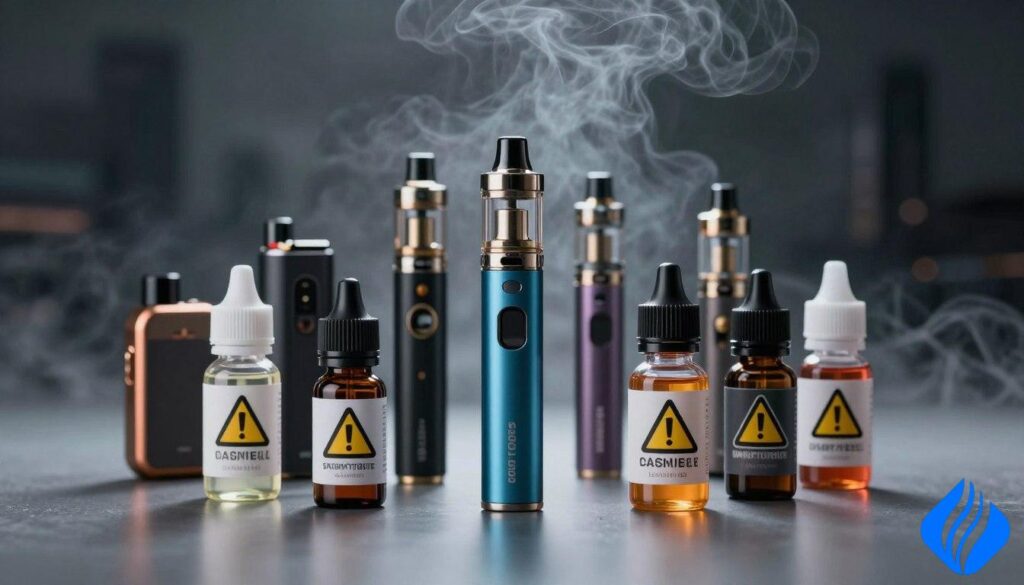
We preview two parallel issues: potential contamination or tampering risk, and baseline nicotine and aerosol health concerns from authentic products. Fentanyl is a synthetic opioid and cannot be reliably seen, smelled, or tasted. Vaping delivers inhaled substances rapidly through the lungs into the bloodstream, which changes exposure risk.
We will compare popular brands (Geek Bar, Lost Mary, Raz) and demonstrate authenticity checks such as QR verification. Expect technical terms like nic salts and mesh coils, explained plainly for adult readers (21+).
Key Takeaways
- We address contamination claims using documented reports and seizures.
- Hands-on benchmarks focus on battery (mAh), capacity (ml), and coil tech.
- Fentanyl exposure cannot be detected by smell or taste; risk matters.
- Compare authentic brand specs and use QR checks for verification.
- Goal: reduce risk through smarter sourcing and clear technical checks.
What’s Driving the “Fentanyl-Laced Vape” Headlines in the United States
Recent campus confiscations and local alerts have pushed this issue into the national news cycle. A Douglas County high school report flagged vape pens seized alongside marijuana, MDMA, and fentanyl. Rapid reposting on social platforms turned that single event into widespread concern.

Public health communicators note many anecdotal claims about fentanyl in marijuana products fail lab verification. Agencies stress the risk is real in the illicit drug supply, but viral accounts often lack chain-of-custody proof.
Law enforcement statements typically describe seizures and tests separately. A public alert may report a broader seizure that included multiple substances rather than a confirmed lab result from a specific device.
“We must separate verified lab findings from rapid social media reports.”
Effects differ for parents, educators, and adult consumers. Sourcing from regulated nicotine retail reduces exposure risk. The broader system response combines education, monitoring, and targeted enforcement.
- Why headlines surged: school incidents + fast sharing.
- What statements confirm: seizure details vs. lab confirmation by law enforcement.
- Decision frame: risks climb when products are swapped or bought off informal markets.
We will next examine the evidence, how inhaled exposure works, and emergency steps such as calling 911 and naloxone if opioid exposure is suspected after use.
Has fentanyl made it to vapes: what the evidence shows vs. what’s unverified
We separate verified lab evidence from viral reports. Documented cases require chain-of-custody and lab confirmation of fentanyl in a cartridge or device. Reports from probation officers and school resource officers sometimes note that opioid traces were found during seizures.
Most credible accounts cluster around street-sourced THC cartridges and refilled hardware. Sealed, brand-authenticated nicotine products rarely appear in confirmed lab reports.
Many viral claims about marijuana products fail fact-checking. Anecdotes get reshared without test results. A single person’s symptoms after use can come from nicotine, other drugs, solvents, or panic—not proof of opioid exposure.
- Documented: lab-confirmed presence in a device or cartridge.
- Unverified: reposted sightings, hearsay, or non-lab statements.
Counterfeit means cloned packaging, fake QR labels, or mismatched hardware. Tampered means refilled pods, opened disposables, or swapped mouthpieces. Each raises chain-of-custody and risk questions.
“If inhalation of an opioid occurs, onset can be rapid; response planning matters more than guessing contents.”
How Fentanyl Exposure Works When Inhaled and Why the Risk Can Turn Fatal Fast
Small amounts absorbed through the lungs can trigger rapid opioid toxicity. We explain the physiology plainly and outline urgent steps for recognition and response.
Potency basics
Fentanyl is far more potent than many pain opioids. Public sources cite roughly 50× the strength of heroin and about 50–100× that of morphine.
This means an effective dose is extremely small. That reshapes the risks from any contaminated inhaled product, regardless of its claimed form.
Overdose mechanics
These drugs bind opioid receptors in the brain. That slows the respiratory system.
When breathing slows or stops, oxygen falls and organ injury can follow. Progression can be minutes. CDC data note 150+ daily deaths from synthetic opioid overdoses in the U.S.
Who’s most at risk
- Teens and first-time users.
- Any person without opioid tolerance.
- People mixing substances or using unknown drug products.
“Treat suspected opioid inhalation as a medical emergency. Rapid response saves lives.”
| Feature | Relative potency | Onset when inhaled |
|---|---|---|
| Heroin | Baseline | Minutes |
| Fentanyl | ~50× heroin; 50–100× morphine | Very rapid — often minutes |
| Morphine | Baseline | Minutes to longer |
We cannot diagnose exposure from symptoms alone. Still, law enforcement and public health advise acting quickly: call 911 and use naloxone if available. For context and documented alerts, see our review of fentanyl-laced vape reports.
Nicotine Vaping Health Risks That Still Matter, Even Without Contamination
Even absent contamination, nicotine in modern disposable devices produces fast, measurable effects. We focus on adult harm reduction and clear mechanics so readers can make informed choices.
How nicotine acts on the body
Inhaled nicotine moves rapidly from lungs into the bloodstream. It triggers the adrenal glands to release epinephrine, raising heart rate, blood pressure, and respiration.
Dependence and reward pathways
Nicotine also boosts dopamine in brain reward circuits. That reinforcement trains repeated use and can produce dependence, especially with frequent puffing.
- Common strengths: Many U.S. disposables use 2% or 5% nic salt. Higher delivery increases dependency risk for new users.
- Delivery matters: These products can deliver more nicotine per puff than cigarettes, changing exposure patterns.
- Polysubstance reality: Nicotine devices are sometimes used alongside other drugs, which complicates symptoms and raises overall risk.
Key point: An authenticated product is not harmless. Focus on sourcing, lower strengths, and reduced frequency if the goal is harm reduction for adult people. Attention to baseline health risks should remain alongside any contamination alerts.
Hands-on testing: disposable performance and what “normal” feels like
We ran controlled bench checks to define normal draw, vapor output, and flavor evolution under repeatable use. Tests used a steady cadence and standard charging habits so results are comparable across products.
Throat hit and draw
MTL-style pulls normally feel smooth when coils are saturated. Unusually harsh hits often point at wicking failures, low liquid, or overheating. Those are practical red flags for device condition, not proof of contamination.
Vapor production benchmarks
Steady output in early life is typical. Sharp drops suggest airflow blockage, battery sag, or coil wear. Sudden heat spikes indicate poor regulation or coil failure and merit stopping use.
Flavor after 5000 puffs
After long lifespans, top notes mute and sweetness flattens. A peppery or burnt tone usually means a dry coil. If a product tastes burned, stop and dispose of the product safely.
Limits of sensory testing
Performance checks do not replace lab analysis. Smell, taste, and draw cannot detect many contaminants. A device can feel normal and still pose a real risk. Use pattern recognition for safety decisions: stop use, verify authenticity, and seek help if acute symptoms occur.
“Performance testing helps spot device faults, but it is not a substitute for chemical verification.”
Product spec reality check and competitor comparison for safer buying decisions
Smart purchases start with five technical checks that reveal product honesty and performance. We present a concise buyer checklist so readers can validate products before purchase. Transparency lowers the odds of counterfeit or tampered devices in the broader market.
Core data to verify before purchase
- Battery capacity (mAh) — impacts lifespan and power stability.
- E-liquid volume (ml) — correlates with claimed puffs.
- Nicotine strength — 2% or 5% nic salt listings are essential.
- Coil type — mesh vs dual mesh affects flavor and end-of-life.
- Charging port — USB‑C improves charging safety and consistency.
Competitor framework: value and flavor
| Model | Puffs per Dollar | Flavor Consistency |
|---|---|---|
| Main product | Good | Strong |
| Geek Bar | Fair | Good |
| Lost Mary / Raz | Good | Fair |
How coil design shapes real outcomes
Mesh coils heat evenly and give smooth top-end flavor. Dual mesh improves saturation and holds flavor later into device life. That reduces burnt hits near end of life.
Better spec disclosure boosts traceability and an indirect health benefit. It does not eliminate fentanyl risk from illicit supply chains, but it helps users make clearer, safer choices when buying. For consistent listings, compare categories on Disposable Vapes and Hot Sale.
Explore brand pages for side-by-side specs: RandM and Bang. We recommend checking declared mAh, ml, nic strength, coil type, and USB‑C before purchase.
Safety checks and authenticity steps to reduce risk of counterfeit or tampered vapes
Verification and safe handling cut risk at purchase and during use. We give a concise checklist adults can apply now. These steps lower the chance of buying a counterfeit, spotting end‑of‑life faults, and responding if an adverse event occurs.
How to know if it’s empty
End‑of‑life signs: weak vapor, repeated dry or harsh hits, and clear flavor collapse after extended use.
Blinking lights, sudden airflow drop, or a burnt taste are practical red flags. Stop use rather than trying to “recover” a burnt coil.
How to recharge safely with USB‑C
Use reputable cables and certified chargers. Avoid charging unattended or on soft surfaces. If the device gets hot, stop charging immediately.
Limit charge sessions and inspect cables for frays. Battery stress raises malfunction risks even when liquid seems fine.
Is it authentic? QR checks and packaging cues
Verify packaging, seals, and serial labels. Scan the QR code and check the result via Sokvape for authenticity confirmation.
Distrust redirects, mismatched branding, or “already checked” flags. Buying from transparent retailers and using code verification reduces system-level supply opacity.
Emergency response basics
If opioid exposure is suspected after use: call 911 immediately. Administer naloxone (Narcan) if available and trained to do so. Minutes matter with opioid overdose.
“Treat any sudden respiratory distress after inhalation as a medical emergency.”
Quick FAQ
- How to know if it’s empty? Weak vapor, harsh draws, flavor loss, blinking lights—stop use.
- How to recharge safely? Use quality USB‑C cables, avoid unattended charging, and stop if the device heats up.
- Is it authentic? Scan the QR and verify via the sokvape link above; distrust mismatched packaging or strange redirects.
Note on public alerts: Law enforcement reports and school seizures inform risk monitoring but do not replace on‑the‑ground verification and readiness.
Nicotine warning: This product contains nicotine. Nicotine is an addictive chemical.
Conclusion
We end by weighing verified reports, practical checks, and emergency actions for responsible consumers.
Confirmed cases show fentanyl has been found in some illicit cartridges and related devices. The highest risk lies in counterfeit, tampered, or informal-market items rather than sealed, verified retail product.
For adult people who choose to use nicotine, prioritize authenticity checks, clear specs, and consistent sourcing. Treat “authentic” as more traceable, not harmless.
If opioid exposure is suspected after use, call 911 and administer naloxone if trained. Rapid action saves lives because opioid toxicity can progress very fast.
Public alerts and enforcement matter. At the consumer level, verify, compare, and avoid informal purchases. Responsible use means better sourcing, faster verification, and prompt response when symptoms appear.
 English
  German
  Dutch
Dutch  Danish
  Czech
Czech  Italian
  Slovenian
  French
  Hungarian
  Spanish
  Polish