

how do vapes explode is a question we answer with data and care. Most incidents trace to a failing battery cell, a short path, or heat buildup. We start with the battery-driven failure chain and explain what truly causes an explosion in consumer devices.
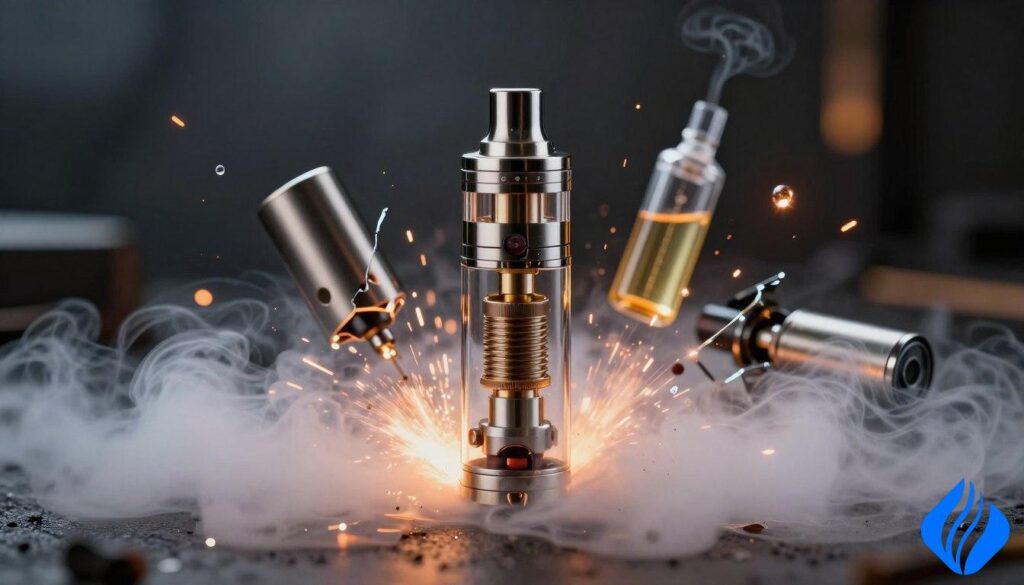
Visualizing the battery failure chain: Internal shorts and heat buildup can trigger thermal runaway, leading to the ignition shown above. Understanding these mechanics is key to [preventing vape explosions].We write as industry experts. We note that most adult users never face a catastrophic event, yet outcomes can be severe. This is a safety-first, evidence-led guide for responsible vaping and device selection.
Key safety idea: battery stress + a short path + heat can escalate fast. Real-world prevention focuses on charging habits, storage, temperature, and avoiding unsafe coil or device modifications like improper mesh swaps.
Nicotine warning: Nicotine is an addictive chemical. This content is for adults 21+ in the United States and is for informational purposes only; we do not provide medical advice.
Later sections will show hands-on testing, puffs per dollar, battery mAh, coil type (mesh/dual mesh), USB-C behavior, and product comparisons with internal links to SokVape categories for supply and cost reliability.
Key Takeaways
- Most incidents start with battery failure, not a mystery device fault.
- Charging habits and storage are practical steps users can control.
- We focus on measurable specs: mAh, coil type, and USB-C charging.
- The guide links safety checks to smarter shopping and supply choices.
- This article is for adult readers 21+ and emphasizes harm reduction.
Why Vape Explosions Still Happen in the United States
Emergency-department estimates anchor our view of device-related injuries. Between 2015 and 2017, researchers reported about 2,035 e-cigarette explosion and burn cases treated in US emergency departments. That signal is real but likely undercounts true incidence because surveillance and device reporting vary.
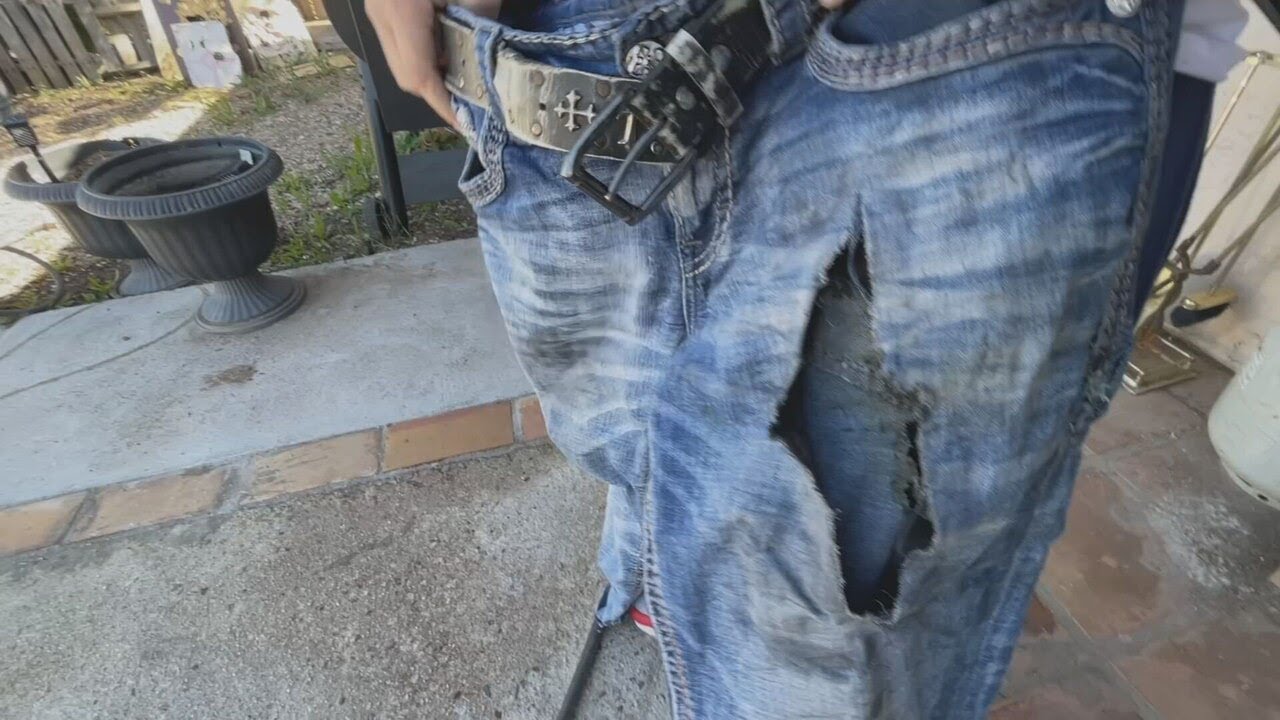
Typical injury patterns follow a consistent map. Clinicians report groin and thigh burns from pocket carry most often. One burn-center cohort found about 69% in those areas. Hands are common when people grab or drop a device. Face injuries happen when a device fails near the mouth.
The injuries are worsened by a two-hit mechanism: a battery event produces heat and flame plus shrapnel-like fragments, then clothing can ignite and deepen burns. Many wounds are partial-thickness; a notable share need debridement and grafting.
Why events feel random
Risk builds quietly. Cumulative battery stress, damaged wraps, charger mismatch, and pocket metal contact can push a device to failure with little warning. For example, a pocketed vape exposed to body heat and keys can trigger a sudden event that users perceive as “out of nowhere.”
Prevention centers on reducing shorts, overheating, and charging errors. If we address these issues, we can lower the number of explosion cases even when product quality varies.
how do vapes explode: The Battery Failure Chain Reaction Explained
A short circuit can begin a rapid, self-amplifying heating event inside a lithium cell. In practice this means heat rises, internal resistance falls, and the cell can enter thermal runaway. Temperatures may reach ~500°C, enough to vent hot gas and ignite nearby material.
Lithium-ion thermal runaway
“Thermal runaway is a self-accelerating failure where heat from an internal fault causes chemical decomposition and violent venting.”
This sequence is: short → rapid heating → venting/flame → ignition of surroundings. That chain explains why a single battery issue can cause an explosion or major fire.
Internal vs. external batteries
Internal batteries are common in disposables and pen-style devices. They are sealed, so failures can vent violently inside the case.
External batteries are used in high-power mods. Loose spares and incorrect installation increase risk but allow easier replacement and inspection.
Common ignition pathways
- Metal bridging in the pocket — keys or coins can short terminals.
- Overcharging or a wrong charger that stresses the battery management system.
- Manufacturing defects or electrolyte breakdown under heat.
| Trigger | Typical device | Primary risk | Control |
|---|---|---|---|
| Metal contact (keys) | Pen & disposable | Short → venting | Use cases, keep pockets clear |
| Wrong charger/overcharge | Mods & internal | Battery stress → failure | Use OEM charger |
| Damaged cell | All devices | Thermal runaway → fire | Replace damaged batteries |
Chain reaction checklist: short source (metal/damage) → heat spike → vent/flame → surrounding ignition. We treat this as an engineering failure, not luck. Recognizing precursors lowers user risk and prevents severe cases.
The Biggest Real-World Triggers: Habits, Heat, and Modifications
Everyday choices can steadily raise battery stress and turn routine use into a safety gap. We translate failure mechanics into habits that matter.
Chain sessions and heat-soak
Long, repeated puffs trap warmth inside a small enclosure. Chain vaping moves heat from coil to battery and raises baseline temperature.
Wattage and power settings
High power increases device stress. Raising wattage heats the coil and the battery, shortening margins for safe operation.
Rebuildables, DIY wiring and mods
Custom coils and loose wiring on mods can create hard shorts. Improper builds defeat protections and increase short-circuit risk.
Age, missing protections, and contamination
Devices older by several years may lack short protection. Leaking e-liquid on terminals causes dirty terminal contact and local heating. Regular cleaning and inspection reduce issues.
| Trigger | User action | What to change |
|---|---|---|
| Heat-soak from long sessions | Chain vaping | Pause between sessions |
| High wattage | Cloud-chasing | Lower power, monitor temp |
| DIY wiring | Rebuildables on mods | Use tested builds, check insulators |
| Contamination | Leaking liquid on contacts | Clean contacts, replace worn parts |
Practical note: For charging and cooldown guidance, see our short guide on charge times. Small behavior changes cut real-world risks.
How to Prevent Vape Battery Fires and Explosions
Preventing battery-related fires starts with practical, repeatable habits that every user can follow. We present a concise prevention checklist and clear red flags to stop use immediately.
Safe charging habits
Charge on a clean, nonflammable surface. Do not charge unattended and avoid charging immediately after a session. If the device feels warm after charging, let it cool before further charge or use.
Charger best practices
Match the manufacturer recommendations for charger output and cable. Avoid unknown high-output bricks and stop using a charger that makes the battery hot or charges inconsistently.
Storage and transport
Keep loose batteries in a protective case and never carry cells in a pocket with metal. Do not leave devices or batteries in hot cars. For mods with external cells, transport spares in dedicated cases.
Red flags and immediate actions
- Swelling, unusual heat, hissing, or chemical odor — stop using the device.
- Deformation, odd sounds, or inconsistent firing — isolate and discard per manufacturer guidance.
When injuries occur
Deep burns can require specialized burn-center care for depth assessment, infection control, and possible grafting. In the United States, seek emergency evaluation for significant injuries.
“Small steps—correct charger, safe storage, and attention to warmth—cut real risk.”
Hands-On Testing and Product Comparison: Puffs per Dollar and Flavor Consistency
We ran controlled sessions to track vapor output, throat hit, and cost efficiency over thousands of puffs. Below are concise findings and a specs snapshot for shoppers focused on value and safety.
RandM Tornado 10000 — main pick
Core specs (verify on product page):
- Battery: 1200 mAh
- E-liquid: 25 ml
- Nicotine: 2% / 5% nic salts
- Coil: Mesh coil
- Charging: USB-C
Who it fits: adults who want long run time, steady flavor, and a stable device that reduces workaround charging.
Competitor snapshots and cost per puff (est.)
| Model | Battery / ml | Coil | Estimated $/puff* |
|---|---|---|---|
| RandM Tornado 10000 | 1200 mAh / 25 ml | Mesh | $0.0025 |
| Geek Bar | 1000 mAh / 20 ml | Dual mesh | $0.0030 |
| Lost Mary | 950 mAh / 18 ml | Mesh | $0.0035 |
*Assumes typical retail pricing and manufacturer puff ratings; verify on listings before purchase.
Raz lineup (optional cross-check)
Raz models shift throat hit via tighter airflow or larger mesh area. That changes perceived strength and vapor density. Choose based on preferred experience.
Hands-on at ~5000 puffs
Our tests showed mesh coils kept flavor clarity longer. Sweet elements muted before cooling notes. Dual-mesh gave stronger vapor early but sometimes showed faster flavor flattening.
Charging and safety notes
USB-C reliability: charge on a flat, nonflammable surface. Avoid charging while the unit is warm and stop if it gets abnormally hot.
Where to shop: browse Disposable Vapes, Hot Sale, and RandM pages on SokVape for specs and authentication before buying.
“Value matters, but stable charging and consistent output cut real risk.”
Everyday User Checks Without Guesswork: Empty, Recharge, and Authenticity
Simple visual and sensory checks remove guesswork for everyday users. Small, repeatable checks tell you when a vape is done and when a battery needs attention.
How to know if it’s empty?
Look for a sustained vapor drop, flavor fade, or burnt notes. Reduced cooling on the inhale is another cue.
If an indicator light is present, follow its low-battery pattern. Do not keep pulling on a dead unit; that can overheat the coil and cause an issue.
How to recharge safely with USB-C?
Place the unit on a hard, nonflammable surface. Supervise charging and avoid soft bedding. If the device is warm from recent use, allow cooldown time before you charge.
Normal warm feels like a hand-held warmth. Stop charging if the unit becomes abnormally hot or hisses.
Is it authentic?
Scan the QR code on packaging and confirm via the brand verification flow. Cross-check the retailer on Sokvape for official listings.
Counterfeit units can have poor battery management and insulation, which raises risks. Always follow manufacturer guidance for charge and storage.
| Check | Signal | Action |
|---|---|---|
| Vapor/Flavor | Sustained drop / burn | Stop use; replace |
| Heat | Warm vs abnormal hot | Cooldown then charge; abort if hot |
| Authenticity | QR verification | Confirm on sokvape.com |
Conclusion
The core cause in most incidents is a battery entering thermal runaway after a short or overload. That chain — short → rapid heating → venting → ignition — explains why explosions are battery-driven events that can cause serious burns and shrapnel-like trauma. Emergency-room and burn-center data confirm thousands of treated cases and deeper injuries needing specialist care; see the burn-center data.
Protective checklist: charge on a hard surface, let the unit cool after use, avoid heat and metal contact in pockets, store spare cells in a protective case, and stop use at signs of swelling, hissing, or odor. Choose steady, well-built products and verify specs (mAh, ml, coil type, USB-C) before purchase.
Compare value by Puffs per Dollar and Flavor Consistency, not only puff claims. For guidance on safe handling and using disposable pens, consult the manufacturer’s steps like using disposable pens. Nicotine is an addictive chemical. Keep nicotine away from children and pets and seek urgent care for significant injuries.
 English
  German
  Dutch
Dutch  Danish
  Czech
Czech  Italian
  Slovenian
  French
  Hungarian
  Spanish
  Polish