

Dual mesh coils and smart screens have reshaped heating control in modern dry herb vaporizers. We explain how does a dry herb vape work in clear, hands-on terms and set expectations for operation, temperature, and maintenance.
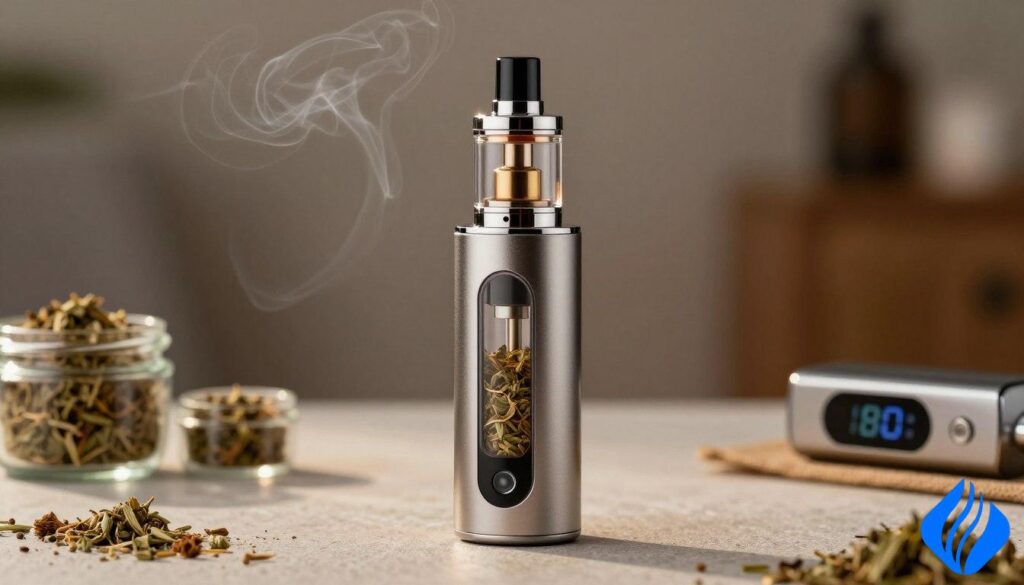
A dry herb vaporizer heats ground cannabis in a chamber to release active compounds without burning. That means users inhale vapor, not smoke. We define key parts: chamber, heater type (conduction, convection, hybrid), battery and airflow.
We will benchmark nicotine disposables (BANG KING, Randm Tornado, Bang) on Puffs per Dollar and Flavor Consistency in a separate comparison note. Our recommendations come from hands-on testing: draw resistance, vapor density, and flavor over long cycles.
Scope: adult (21+) informational use, basic operation, temperature control, and safe battery practices. We stress authenticity checks and charging safety for any inhalation device.
For step-by-step tips and beginner guidance, see our linked primer on starting with dried botanicals: vaporizer basics.
Key Takeaways
- Vaporizers heat ground cannabis to make vapor, not smoke.
- Good performance means stable temp, steady airflow, and clean vapor paths.
- We benchmark disposables separately on Puffs per Dollar and Flavor Consistency.
- Hands-on notes focus on draw resistance, vapor density, and flavor longevity.
- Battery care and part authenticity are critical for safety and reliability.
What a Dry Herb Vaporizer Is and What It’s Designed to Do
We define a dry herb vaporizer as a device that extracts cannabinoids and terpenes from cured plant material by applying controlled heat rather than flame. The goal is to release vaporized active ingredients while avoiding combustion and most ash.
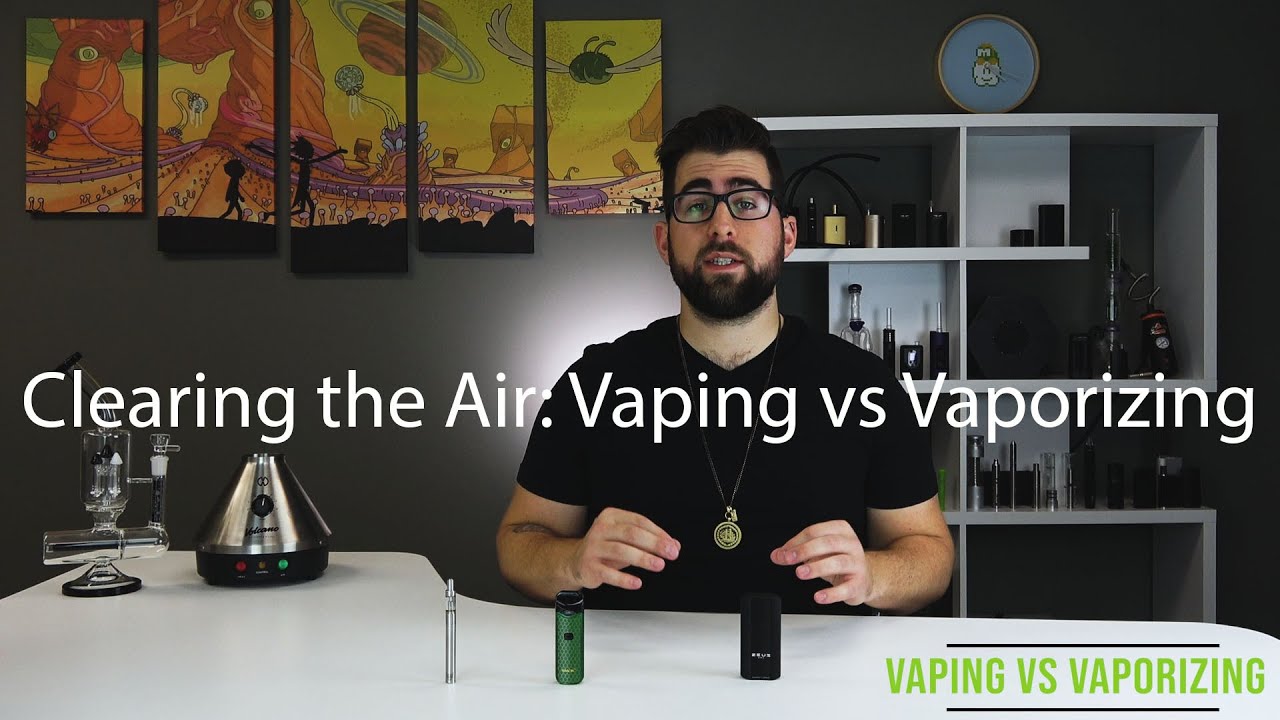
Vaporization differs from smoking in temperature and byproducts. Combustion can reach very high temperatures—reported near 900°C—and produces smoke and more unwanted compounds. Vaporizers typically operate under ~200–220°C, which helps preserve delicate terpenes and reduces exposure to combustion-related carcinogens.
What you can vaporize
Primary material is cannabis flower (weed). Many units also accept other dried botanical herbs when they are properly cured and free of additives. We recommend against moist or treated ingredients, since these reduce extraction efficiency.
- Core parts: chamber, heating system, mouthpiece, airflow path.
- User benefits: more flavor-forward sessions, less ash, different throat feel versus smoking.
- Practical note: vaporizers still produce odor; temperature, airflow, and session length affect smell and experience.
For a comparison to different product classes, see our note on nicotine disposables as a different product class and related device types like the ball vape primer.
How does a dry herb vape work from start to inhale
A reliable session begins with even grind and careful packing, then moves through controlled heating to create vapor. We break the process into steps so readers can repeat results.
Grinding and loading for even airflow
Use a medium grind to balance surface area with airflow. Too fine will choke the chamber. Too coarse will give weak extraction.
Pack lightly. Leave small voids so air moves through the packed bed. Even airflow is the foundation of consistent extraction.
Heating element and temperature control
The heating element is an electric coil or ceramic block regulated by sensors. It raises the chamber to your set temperature and compensates under draw.
Most units target roughly 350°F–430°F. The device maintains that range while the session proceeds.
From compounds to vapor
As cannabinoids and terpenes reach vaporization points, they transition into vapor. The vapor travels through the path to the mouthpiece.
Expect thicker vapor as the chamber warms, then a taper as active compounds deplete.
Draw technique and session feel
From our hands-on testing, slow, continuous draws pull heat evenly across the load. That produces smoother, fuller flavor.
Strong, abrupt pulls can cool the chamber and thin vapor. Adjust pace to trade density for airflow resistance.
“Airflow + temperature + time determine the extraction; tweak any one and the session changes.”
- Grind → load → set temp → heat-up → inhale.
- Monitor vapor density and flavor to know when the material is spent.
- Small adjustments to draw speed or temperature change the overall experience.
Conduction vs. convection vs. hybrid heating explained
Heating architecture shapes session speed, flavor clarity, and how often you must stir or reload.
Conduction uses direct contact between the heating surface and material. It heats fast and can produce quick effects. That speed can cause uneven extraction in the chamber, so some models ask users to stir or repack mid-session.
Convection moves hot air through the load. Think of it like a small fan oven. It delivers steadier extraction and often purer flavor. Convection models usually need less stirring and give more consistent results across draws.
Hybrid systems combine contact heat with hot-air flow. Designers aim to match fast ramp-up with even extraction. Good hybrids balance efficiency, flavor, and session consistency.
- What to evaluate: temperature control stability, recovery between inhales, and whether the device requires stirring.
- Design matters: airflow path, chamber material, and sensor placement influence real-world performance as much as the heating label.
Temperature control basics: dialing in flavor, effects, and vapor
Temperature sets the extraction profile. Small adjustments shift flavor, intensity, and vapor behavior. Good control creates predictable release of key active ingredients instead of burning plant matter.
Typical ranges and what changes as heat rises
Most users operate between 360°F–410°F (182°C–210°C). Many portable units cap near ~200–220°C.
At lower temperatures you keep more delicate terpenes and brighter flavor. As temperatures climb, vapor production and perceived intensity grow. That often reduces subtle notes and can taste harsher.
Compound-focused guidance
THC starts to vaporize around 315°F (157°C). Real-world extraction also depends on airflow, grind, and pack density. Targeting specific degrees helps liberate desired compounds without pushing into combustion.
Session strategy: step up, don’t jump
Start at the low end for flavor. Over time, raise the set point in small steps. This lets the chamber equilibrate and prevents overdraw or overheating to force vapor.
If vapor seems thin, check grind and pack, and adjust draw speed before increasing temperature. The practical benefit is better control over flavor and session feel compared with smoking, while user technique remains decisive.
Vaporization vs. combustion: what changes in the experience
Controlled heating pulls cannabinoids and terpenes into vapor rather than producing flame-driven byproducts. That difference is the core of the user experience. Vaporizers aim to release desirable compounds while avoiding ignition of plant matter.
Why smoke contains more unwanted byproducts
Combustion is literal burning. At high temperatures, plant fibers break down into many new chemicals.
Smoke commonly contains tars and other products not present in vapor. Some of these are identified as carcinogens in laboratory studies. That is why smoking often feels harsher and produces ash.
How lower temperatures help preserve active compounds
Lower temperatures let volatile molecules vaporize without reaching destructive heat levels. That preserves delicate flavors and some active compounds.
Vaporizers set to modest ranges can release cannabinoids and terpenes that high-heat combustion may degrade. The benefit is often better flavor and less of a “burnt” note.
“Vapor is typically cooler and cleaner than smoke, but device quality and packing technique determine real-world results.”
- Benefits: less ash, reduced burnt taste, and often smoother inhalation.
- Reality check: poor airflow or overpacked chambers can create hot draws that mimic combustion.
- Responsible use: adults only; confirm local laws and prioritize authentic, safe devices.
How to use a dry herb vaporizer step by step
Preparation sets the tone: choose well-cured dry herb and aim for an even, medium grind. Moisture matters; overly wet material reduces extraction and can clog the chamber.
Prep
Check the material for mold or additives. Grind to a medium consistency. Pack lightly to preserve airflow; avoid overpacking or underpacking for consistent heat transfer.
Heat-up
Set the temperature between 360°F–410°F (182°C–210°C). Wait until the device shows it’s ready. Allow the chamber and airway to reach set point for the first draw.
Inhale
Use slow, steady draws. That keeps the heater stable and gives fuller vapor. Fast, sharp pulls cool the system and thin output.
Adjust
If you want more flavor, lower the temperature. For thicker vapor, raise it in small steps. Gradually stepping up prevents burnt notes and preserves terpenes.
“Thin vapor often signals low temperature, fast draws, or poor packing; harsh vapor usually means too high temperature or overly dry herb.”
| Issue | Likely Cause | Quick Fix |
|---|---|---|
| Thin vapor | Low temperature / loose draw | Increase temp 5–10°F; slow down draw |
| Harsh hit | High temperature / dry material | Lower temp; add slightly moister herb or shorter draws |
| Poor airflow | Overpacked chamber | Lighten pack; clean screen or pathway |
Routine care: clean the chamber and mouthpiece after use to sustain performance. For more beginner guidance, see our vaporizer basics.
Maintenance, battery life, and common challenges to expect
Routine cleaning and sensible charging are the best defenses against performance decline. Keep the chamber, mouthpiece, and screens clear to preserve airflow and flavor.
Cleaning for steady performance
We recommend light cleaning after every few sessions. Use isopropyl on cotton swabs for the chamber and a soft brush for screens.
Regular care reduces residue that clogs airflow and changes temperature response.
Managing uneven extraction with conduction models
Conduction heating often needs stirring or reloads mid-session. Pack density and chamber size affect results.
Tip: pause, stir, and resume for more even flavor and vapor production.
Battery realities and safe recharge norms
Portable models trade power for convenience. Higher temperature settings and long sessions drain the battery faster.
- Use the correct cable and the supplied charger.
- Avoid unattended charging and damaged ports.
- Stop using units that run hot or show swelling.
“If you compare product classes, disposable units are rated by puffs and e-liquid metrics—not chamber temps or stirring needs.”
| Product | Battery (mAh) | E-liquid (ml) | Nicotine | Coil | Port |
|---|---|---|---|---|---|
| Geek Bar | 550 | 2.0 | 5% | Mesh | USB‑C |
| Lost Mary | 650 | 2.0 | 5% | Dual mesh | USB‑C |
| Raz | 700 | 3.0 | 5% | Dual mesh | USB‑C |
Our competitor benchmarks show disposables score by Puffs per Dollar and Flavor Consistency. Hands-on tests: throat hit varies from smooth (Geek Bar) to stronger (Raz). Flavor often mellows near ~5000 puffs; sweetness and menthol fade while coil taste can rise.
For disposable options and current listings, see Disposable Vapes and Hot Sale.
Conclusion
Portable units trade combustion for control, using set temperatures to vaporize desirable molecules. In practice, a dry herb vaporizer heats ground botanical material in the chamber so users inhale vapor, not smoke.
For consistent results, start with a medium grind, avoid overpacking, take slow draws, and raise settings in small steps. Conduction units may need stirring. Convection offers steadier extraction. Hybrids aim to balance speed with even output.
Maintenance matters. Clean regularly to keep airflow stable and prevent stale flavor. Residue buildup is a common cause of fading performance.
Note for disposable shoppers: prioritize Puffs per Dollar and flavor consistency. Verify specs (mAh, ml, coil type, USB‑C) on product pages and trusted listings such as the site above: Sokvape.
User FAQ: Empty signs — weaker flavor, thin vapor, blinking LED, or low e-liquid window; for herb sessions, spent material turns evenly brown and flavor fades. Recharge safely — use quality USB‑C cables, avoid unsupported fast chargers, do not charge on flammable surfaces, and stop if the unit gets unusually hot. Authenticity — check packaging QR or code and verify on the linked site; avoid tampered seals.
WARNING: This product contains nicotine. Nicotine is an addictive chemical. We link internally to guides and product pages for deeper details and responsible use. Stay informed and purchase from verified sellers.
 English
  German
  Dutch
Dutch  Danish
  Czech
Czech  Italian
  Slovenian
  French
  Hungarian
  Spanish
  Polish