

Fact: modern kits use Dual Mesh coils and smart screens to extend run time and improve flavor consistency. In this guide we map the electrical path (battery → contacts → coil) and the airflow path (air inlet → atomizer → chimney → mouthpiece).
We explain 510-thread setups vs disposables and preview key specs: 350–1500+mAh packs, 0.5–1 ml tanks, USB-C charging, ~1.5Ω coils, and 2.8–3.8V ranges. Performance ties to correct voltage, priming thick oils, and clean connections.
We will include hands-on notes on throat hit, vapor output, and flavor after long-term testing. Competitor comparisons (Geek Bar, Lost Mary, Raz) focus on puffs per dollar and flavor consistency. Safety checks, QR verification, and a clear nicotine warning will follow later.
Key Takeaways
- Scope: 510-thread systems and where disposables differ.
- Paths: electrical circuit and airflow basics for reliable performance.
- Specs to watch: mAh, ml, USB-C, resistance, and voltage ranges.
- Testing focus: throat hit, vapor production, and puffs per dollar.
- Safety: correct voltage, priming, clean contacts, and QR checks.
What a Vape Cartridge Is and What the “Diagram” Shows
We separate the system into two clear roles so beginners can read any technical sketch fast. A cartridge is the oil vessel and atomizer. The battery is the power source that sends controlled voltage to the coil.
Cartridge vs. battery: roles in the vapor process
Cartridges hold oil and contain the atomizer (coil plus ceramic core). The atomizer converts electrical energy into heat that vaporizes oil.
Battery specs matter. Look at mAh, charging type, voltage range, and internal resistance. These determine runtime, heat control, and flavor stability.
Airflow and the vapor path
Air enters through inlets and travels up the center tube or chimney. The coil heats oil in the atomizer; airflow then carries vapor to the mouthpiece.
These are two separate paths: electricity creates heat, and airflow moves vapor. They meet at the coil region.
Why 510 threading became the standard
The 510 connection gives a reliable mechanical mount and an electrical return via the threaded shell plus a center positive pin. It enables cross-brand compatibility across the industry.
- Note: Some devices use button activation; others use auto-draw. The physics inside the cartridge remain the same.
- Troubleshoot hint: No vapor usually means the circuit isn’t completing or the oil isn’t reaching the heater.
For a simple hands-on primer on disposable pens and attachment, see our disposable vape pen guide.
How does a vape cartridge work diagram: Step-by-Step Mechanics
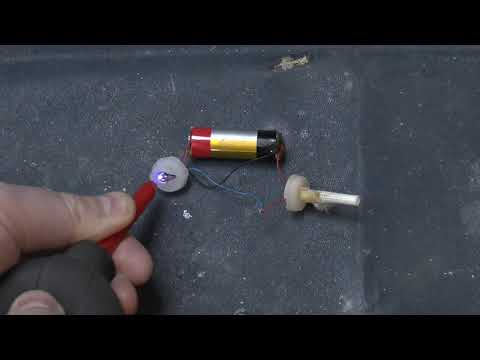
Power enters the cartridge through the threaded contact and reaches the center post, completing the circuit. The center post is the positive contact; the threaded shell or body is the negative return. Oil residue can interrupt either contact and stop current flow.
Connection points that complete the circuit
Center post (positive contact) and threading/body (negative return) form the electrical loop. Clean contacts ensure steady voltage to the heating element.
Button vs auto-draw activation
Pressing the button closes the circuit for a timed burst. Auto-draw uses a sensor that detects inhalation and applies power automatically. Timing affects heat build-up and flavor.
Oil delivery to the heater
Ceramic absorption pulls oil through microscopic pores to the coil and reduces leaks and dry hits. Wick-fed designs use cotton or silica to move oil and may struggle with thick oils at low voltage.
From heat to clouds
The coil’s temperature depends on resistance and applied voltage. Higher heat and slower airflow increase density but can degrade flavor. Short, gentle draws favor taste; longer pulls produce larger clouds.
| Part | Role | Typical Spec | User Tip |
|---|---|---|---|
| Center post | Positive electrical contact | Gold-plated/316L base | Keep clean from oil residue |
| Coil / element | Heats oil into vapor | ~1.5Ω; 2.8–3.8V range | Start low on voltage and increase |
| Ceramic vs wick | Oil delivery method | Ceramic pores or cotton/silica | Ceramic suits thicker oils |
Inside the Cartridge: Parts, Materials, and Why They Matter
Knowing each component helps spot quality issues before they affect taste or safety. We break the unit into visible parts and hidden systems so readers can judge build quality at a glance.
Mouthpiece, chimney, window, and airflow path
The mouthpiece channels vapor to the user. The chimney or center tube guides that vapor while keeping oil away from the lips.
The tank window shows oil level. Air enters near the base, passes the heated zone, and carries vapor up to the mouthpiece.
Ceramic core tech and leak resistance
Ceramic cores use nano and microscopic pores to hold thick oil close to the heater. That porous reservoir meters oil delivery and cuts dry hits.
Compared with open-wick types, porous ceramic keeps liquid in place during movement and temperature change. This reduces leaks and preserves flavor over time.
Metal choice and safety notes
316L stainless steel is common for the center post and base. It resists corrosion and is used in medical gear, which supports safety and longevity.
Window materials matter too: glass resists staining from high-terpene oils while some high-temp polymers may discolor. Manufacturing quality and fit affect consistency more than labels.
“Construction and materials are the single biggest predictors of clean flavor and fewer maintenance issues.”
- Key parts: mouthpiece, chimney/center tube, tank window, atomizer (ceramic core), and base/threading.
- User outcome: better flavor, fewer clogs, and improved leak resistance with high-quality materials.
Core Technical Specs to Check Before You Buy
We recommend checking core specs so you get the runtime and output you expect. Match capacity, output range, and coil type to your use pattern.
Quick buyer checklist
- Capacity: 510 batteries usually run from 350 mAh (compact carry) to 900–1500+ mAh (all‑day use).
- Charging: Prefer USB‑C for durability and faster charging. Micro‑USB and screw‑on adapters are still common but less robust.
- Cartridge size: 0.5 ml for variety and frequent oil turnover; 1 ml for heavier users who want fewer swaps.
- Resistance & output: Expect ~1.5Ω carts. Typical flavor-first ranges sit at 2.8–3.8V (≈5.5–10W). Higher voltage boosts clouds but may reduce flavor.
- Nicotine level: 2% vs 5% nicotine salt—higher strength gives stronger throat hit and satisfaction per puff.
- Coil architecture: Mesh spreads heat evenly; dual mesh improves distribution and sustain but can use e-liquid faster at higher power.
Spec tradeoffs, in short
More battery capacity means longer runs and fewer recharges. Higher voltage or power raises vapor and clouds but can shorten flavor life.
We advise choosing specs that match daily routines rather than chasing maximum output.
How to Use a 510 Cartridge the Right Way for Better Flavor and Fewer Burnt Hits
Getting the initial setup right saves time and preserves flavor across the lifespan of the cart. We give a concise, practical flow to avoid burnt hits and maintain consistency.
First setup and attachment
Charge the battery fully, then attach the cart slowly. Finger-tight is enough; avoid cross-threading and overtightening.
Why: overtightening damages threads and creates poor electrical contact that causes uneven heat.
Prime for thick oil
After filling, wait about 30 minutes for the ceramic to saturate. Dense oil needs soak time to prevent dry hits even when the tank looks full.
Voltage and preheat best practices
Start low on voltage and take a short test pull. Raise voltage only if vapor is too light. Use preheat to loosen cool oil, but do not run it repeatedly; repeated preheats can dull flavor.
Hit pacing and routine care
Allow short gaps between pulls so oil can re-supply the heater. Chain pulls can outpace the porous core and cause a burnt taste.
- Quick first-use flow: charge → attach finger-tight → confirm airflow → wait 30 minutes if filled.
- Device tip: check settings and use the button or auto-draw sensibly to protect flavor.
“Proper priming and modest heat settings are the single best ways to extend flavor life.”
Hands-On Testing Insights: Throat Hit, Vapor Production, and Flavor After 5000 Puffs
We recorded performance changes across long runs to spot repeatable patterns users can verify. This summary is data-minded and objective. It reflects device settings, oil type, and user behavior across ~5000 puffs.
Throat hit profile
Lower power and mid nicotine concentration yield a smoother throat hit. Strength grows as power and nicotine concentration rise.
Nicotine salt formulas feel stronger per puff than freebase at the same milligram level.
Vapor production trends
Low-watt setups favor taste and produce modest vapor. Higher power and voltage push denser clouds but often mute fragile top notes.
Flavor consistency after 5000 puffs
Bright, volatile notes fade first. Residue builds on the heater and can narrow airflow, which dulls the profile over time.
Common performance changes and practical steps
- Cool oil may cause intermittent clogging; warm the unit in your hand and take slower pulls.
- Chain puffing speeds residue buildup and raises burnt-taste risk.
- Stay in the lower-to-mid voltage range for best balance of flavor consistency and vapor.
“Real-world patterns show small settings changes preserve taste longer than chasing maximum clouds.”
Value Comparison: Puffs per Dollar and Flavor Consistency vs. Geek Bar, Lost Mary, and Raz
Value comparisons start with total cost and realistic puff counts over months, not just first impressions.
Benchmark: we use a reusable 510 battery paired with a refillable or replaceable cartridge. Typical control specs: 350–900 mAh batteries with USB‑C charging and 0.5–1 ml cartridge sizes.
Main competitor snapshot
Geek Bar, Lost Mary, and Raz are factory‑tuned disposables. They often ship with mesh or Dual mesh heaters and fixed ml capacity. Upfront cost is low and user effort is minimal.
Puffs-per-dollar math
Include these inputs: upfront device price, ml usage, replacement cartridge cost, and battery reuse. Refillable setups reuse the battery, cutting long‑term cost.
| Option | Typical ml | Battery | Value note |
|---|---|---|---|
| 510 + refillable cart | 0.5–1 ml | Reusable 350–900 mAh, USB‑C | Lower long‑term cost; battery amortized |
| Geek Bar / Lost Mary / Raz | Prefilled (varies) | Integrated (single use) | Convenient; higher lifetime spend |
Coil architecture and flavor consistency
Mesh coil evens heat for stable taste. Dual mesh sustains output at higher power but can consume ml faster. Ceramic cores meter thick oil and reduce dry hits, which preserves flavor over long runs.
- Decision framework: Choose refillable 510 setups for long‑term value and control.
- When to pick disposables: choose Geek Bar, Lost Mary, or Raz for one‑time convenience and predictable factory tuning.
Real puffs vary by draw length, power setting, and liquid viscosity; treat puffs‑per‑dollar as an estimate, not an absolute.
Troubleshooting the Most Common Cartridge Problems
A quick symptom checklist often reveals whether the issue is contact, oil, or threading. Start with simple checks to save time and avoid needless replacements.
Burnt taste
Likely causes: insufficient soak time, voltage set too high, or the cart is empty at the intake.
Fix: Wait ~30 minutes after filling, lower voltage, and confirm oil reaches the heater before use.
Loose fit or wobble
Likely causes: cross-threading, oil on threads, or a magnetic adapter that allows play.
Fix: Clean threads and the connection with a dry cloth, realign by hand, and avoid overtightening. Replace adapters if wobble persists.
No vapor or flashing battery
Likely cause: poor electrical contact or dirty posts.
Fix: Power down, clean contacts with isopropyl on a q‑tip, let fully dry, then test. If flashing continues, try another cart or charge the battery.
Clogs and thick oil behavior
Thick oil can block airflow when cold.
Fix: Warm the unit in your hands, take gentle draws, and avoid hard pulls that push liquid into the airway. Patience preserves flavor.
When to replace the battery
Replace the battery if threads are visibly damaged, repeated cross-threading occurs, or every cart sits misaligned. Continued force risks further hardware damage.
| Symptom | Likely cause | Quick fix | Safety note |
|---|---|---|---|
| Burnt taste | Dry or high voltage | Wait 30 min, lower voltage | Don’t chain puff; protect flavor |
| Loose cart | Cross-threading or oil | Clean threads, realign, replace adapter | Avoid overtightening to prevent stripped threading |
| No vapor / flashing | Poor contact | Clean posts with isopropyl, dry fully | Power off before cleaning |
| Clogs | Cold, thick oil | Warm unit, gentle draws | Do not force hard pulls |
“Start with visual checks and light fixes. Most issues trace to oil, contact, or fit — not complex failures.”
How to Tell If Your Cart Is Empty, Recharge Safely, and Verify Authenticity
FAQ
Q: How can I tell if it’s empty?
To tell when a cartridge is spent, start with a simple visual inspection of the tank window. Transparent enclosures show oil level clearly.
Listen and taste for signs too: a sudden burnt flavor or no vapor on pulls usually means the ceramic core is dry or the intake is starved. Check intake openings for trapped liquid or blockages before discarding.
Prefer USB-C chargers when available. Use reputable cables and a certified adapter. Charge on a flat, non‑flammable surface and avoid leaving batteries unattended for long periods.
If your charging setup uses a screw‑on adapter, detach the cartridge first. For devices with a built‑in charging port, many users still remove the tank to reduce stress or leak risk during charging.
Tip: Most modern batteries include overcharge protection, but monitored charging is best practice for overall safety.
Q: Is this product authentic?
Check the QR code on packaging and verify it with the brand link or verification page. If the code is missing, damaged, or redirects to unrelated pages, treat the unit with caution. Use reputable retailers to reduce counterfeit risk.
For additional guidance on spotting fake products, see this verification resource: authenticity checks.
This product contains nicotine. Nicotine is an addictive chemical.
Why this matters: Visual checks save time. Safe charging protects batteries and devices. QR verification lowers counterfeit exposure but does not replace buying from trusted sellers.
Where to Shop and What to Browse Next on SOKVAPE
We guide readers to product pages and comparison points that matter when choosing between simplicity and long-term value. Below are practical places to start and what to check on each listing.
Explore Disposables for convenience-first options
Check the Disposable Vapes collection for ready-to-use devices. Look at listed coil type (mesh or dual mesh), nicotine strength (2% vs 5% nic salts), and whether the unit uses USB-C charging.
Disposable Vapes is useful when you value no-maintenance and predictable factory tuning.
Compare deals and rotating inventory in Hot Sale
Use Hot Sale to compare prices across similar models. Don’t gauge value by sticker price alone.
- Compute puffs per dollar using ml, stated puff estimates, and device cost.
- Match specs like coil architecture and charge port before buying.
Hot Sale helps find short-term discounts and seasonal bundles.
Browse by brand when you know your preferences
If you prefer specific makers, filter by brand pages such as RandM and Bang. Compare listed specs and coil tech across models before committing.
Tip: check whether listings show nicotine level, e-liquid volume (ml), and whether the product favors flavor or clouds.
Quick shopping checklist
- Nicotine strength — 2% or 5% nic salts.
- E-liquid volume — 0.5 ml vs 1 ml affects swaps and turnover.
- Charging type — prefer USB-C for durability.
- Performance tuning — flavor-first or cloud-first (mesh vs dual mesh).
Verify authenticity—look for clear labeling, QR codes, and reputable sellers. Avoid listings that seem suspiciously cheap; long-run flavor stability matters more than first impressions.
Conclusion
This final summary reduces the system to one clear power–heat–air chain for quick recall. Battery power flows through the 510 contact to the coil. Oil reaches the heater via ceramic pores or wick. Vapor rises through the center tube and mouthpiece.
Key specs to weigh: 350–1500+ mAh battery, USB‑C charging, 0.5 vs 1 ml capacity, ~1.5Ω resistance, and a 2.8–3.8V flavor‑forward range. Lower voltage preserves taste; proper priming and clean contacts stop burnt hits.
Hands-on testing shows smoother throat hits at low power and denser vapor at higher power, with gradual flavor fade over long use. For shopping and first‑use tips see our disposable pen guide, and for component‑level safety data consult this research report.
Safety note: verify authenticity, charge responsibly, and maintain settings for reliable, repeatable results every time.
 English
  German
  Dutch
Dutch  Danish
  Czech
Czech  Italian
  Slovenian
  French
  Hungarian
  Spanish
  Polish