

how long does vape rash last is a common question among adult vapers after noticing skin irritation near the face, neck, or hands. We open with a clear fact: mild device- or liquid-related reactions often clear within hours to a few days once exposure stops.
We will help readers estimate a realistic timeline, identify likely triggers, and decide when home care suffices versus urgent care. We explain immediate versus delayed patterns and what each suggests about allergy, irritation, or eczema flare.
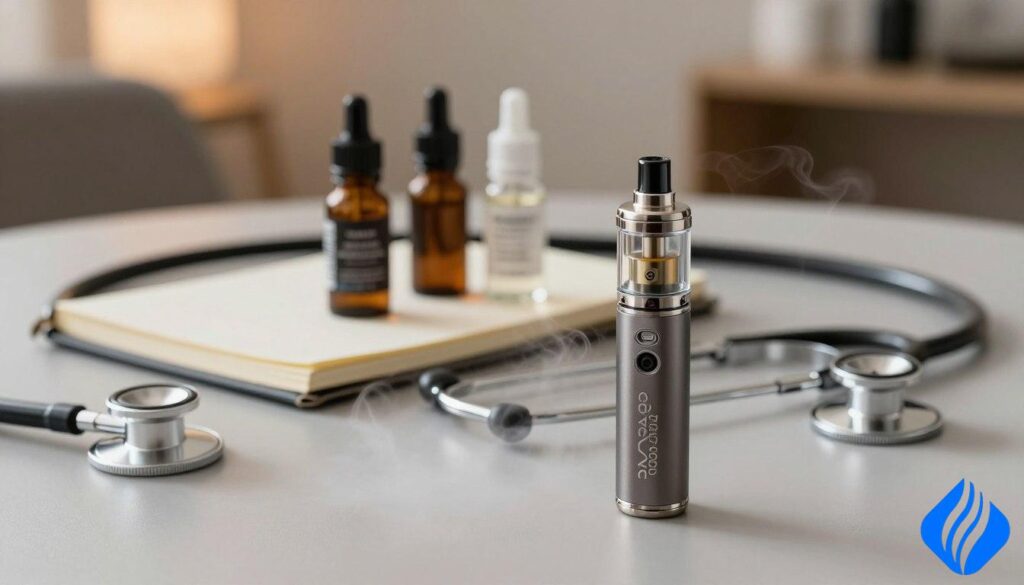
Safety first. If symptoms include trouble breathing, facial swelling, dizziness, or rapid heartbeat, seek emergency care. We note nicotine salts, mesh coils, and flavoring agents as possible contributors to exposure risk. Later sections will cover testing, home care, and a product-quality checklist.
We aim for a repeatable, evidence-forward approach. This guide is for adults 21+. A brief nicotine warning appears here: avoid continued exposure if you suspect sensitivity; consult a clinician for persistent signs.
Key Takeaways
- Mild reactions often resolve in hours to days after stopping the trigger.
- Immediate reactions differ from delayed ones and point to different causes.
- Stop exposure, check ingredients, and try simple home measures first.
- Seek urgent care for breathing trouble, swelling, or systemic symptoms.
- Product quality and authenticity affect exposure risk—learn verification steps later.
- For more on allergic patterns and testing, see our linked resource: allergic reaction details.
What “vape rash” is and why it can happen to adult vapers
Not every skin reaction is the same; determining the mechanism matters for treatment and prevention.
Allergic reaction
An allergic reaction is an immune system overresponse to an ingredient in e-liquid. Common triggers include propylene glycol (PG), vegetable glycerin (VG), flavorings, and sometimes nicotine. People with prior allergy history are at higher risk.
Irritation versus eczema flare-up
Irritation is non‑immune. It comes from chemical or physical contact and often clears once exposure stops.
An eczema flare involves skin barrier breakdown. Those with a history of eczema may see worse or recurring symptoms when exposed repeatedly.
Why timing matters
- Immediate reactions appear soon after exposure and suggest allergy or strong irritation.
- Delayed signs can show hours later, making the true cause harder to trace.
- Repeated exposure trains the pattern: mild contact can become persistent if use continues.
We recommend a stop-and-observe approach and ingredient checks before assuming a single diagnosis.
Common vape rash symptoms and what it can look like on skin
We outline the typical signs so you can spot them fast and act appropriately.

Redness, itching, bumps and hive-like patches
Most reported symptoms include redness, itching, small raised bumps, and transient hives that may feel warm or tender.
Texture matters more than color. Raised welts, tiny papules, or scaling often tell the story better than tone alone.
Where it most often appears
The face and neck commonly show signs from aerosol exposure. The hands are affected when liquid or residues touch the skin.
Direct e-liquid contact can create localized “hot spots” that trace leaks or where you wiped the device.
When it might be something else
Eczema flares usually look drier and scale. Hives form sudden, itchy, transient welts. Contact dermatitis most often matches the exact area of exposure.
We caution against self-labeling: soaps, fragrances, metals, and detergents can cause similar patterns. Seek medical advice if the reaction spreads, blisters, or is accompanied by systemic signs.
| Sign | Typical texture | Common location | Notes |
|---|---|---|---|
| Redness | Flat or slightly raised | Face, neck | May fade with avoidance |
| Itching / small bumps | Papules or fine bumps | Hands, around mouth | Often from direct contact |
| Hive-like patches | Raised, migratory | Any exposed skin | Transient; consider antihistamine if severe |
How long does vape rash last for most people?
how long does vape rash last is often brief in simple contact or irritation. In many mild cases, signs begin to fade within hours and clear over a few days once exposure stops.
Typical timelines:
- Irritation: relief in hours to 48 hours after stopping the trigger.
- Allergic contact dermatitis: may persist several days and require topical treatment.
- Repeated exposure: symptoms can linger or worsen until the source is removed.
What lengthens recovery
Ongoing contact, severe immune response, or a weakened skin barrier slows healing. People with eczema or dry skin often need extra time.
Simple way to track improvement
- Take a daily photo at the same time.
- Rate itch on a 0–10 scale.
- Note any new spots or spread.
When to seek care
Contact your clinician if signs persist beyond several days after stopping exposure, the area spreads, or you see pus, fever, or increasing discomfort. These are health flags that suggest other issues.
| Pattern | Usual duration | When to see a clinician |
|---|---|---|
| Simple irritation | Hours to 2 days | Doesn’t improve after 48–72 hours |
| Allergic contact | Several days to a week | Worsening spread or intense itch |
| Eczema flare | Days to weeks | Persistent flares despite avoidance |
The most common triggers inside e-liquids and aerosol
Ingredient profiles in e-liquids and the aerosol they produce are the most frequent sources of skin and systemic reactions. We focus on the carriers, flavor mixes, and nicotine as primary suspects. Small droplets of condensate can transfer to lips, fingers, and devices.
Propylene glycol and contact dermatitis risk
Propylene glycol (PG) is a common carrier. It can dry and irritate skin in sensitive users. Contact dermatitis linked to propylene glycol is documented in some cases.
Vegetable glycerin, flavorings, additives, and preservatives
Vegetable glycerin (VG) often feels gentler, but impurities or blends can still cause reactions. Flavorings, additives, and preservatives vary by batch and act as frequent unknown triggers in many e-liquids.
Nicotine sensitivity: skin redness and systemic signals
Nicotine can cause localized redness where liquid touches skin. It may also produce nausea, dizziness, or a rapid heartbeat in sensitive adults. Reduce exposure and seek clinical advice if systemic signs appear.
| Trigger | Typical effect | Notes |
|---|---|---|
| Propylene glycol | Dryness, contact dermatitis | Linked to skin irritation in susceptible people |
| Vegetable glycerin | Less drying but possible reactions | Reactions often due to impurities or co-ingredients |
| Flavorings / additives | Itch, redness, unpredictable | Formulations vary widely across e-liquids |
| Nicotine | Redness, nausea, dizziness | Systemic signs require reduced exposure |
We recommend testing a simpler formulation (higher VG, fewer flavorings) if liquids are suspected. This step can reduce recurrence while you review device-related factors in the next section.
Device-related causes: materials, coils, and residue that can irritate skin
Device materials and surface residue often explain localized skin problems that liquid chemistry alone cannot. We review how parts and buildup create repeated exposure and what to inspect first.
Metals, coils, and nickel reactions
Some people react to metals in and near coils. Nickel-related reactions are a known source of contact dermatitis. If the rash tracks where you touch the unit, metals are a prime suspect.
Where exposure happens
Fingers on the mouthpiece, the palm on the body, and lips on condensed residue are common spots. When the signs center on the hands, device-contact dermatitis is more likely than aerosol-only effects.
Residue buildup and basic cleaning
Leaked liquid, dust, and pocket lint form a mixed film that raises irritation. Regular cleaning lowers that risk and makes diagnosis easier.
- Disassemble parts designed to come apart.
- Wipe surfaces with a damp cloth; avoid harsh solvents.
- Let components dry fully before reassembly.
| Issue | Typical spot | Simple fix |
|---|---|---|
| Metal exposure | Fingertips, mouthpiece | Inspect coils; use covers |
| Residue film | Body, mouthpiece | Clean and dry weekly |
| Device wear | Grip areas | Replace worn parts |
How to confirm vaping is the cause without guessing
The simplest way to move from guesswork to evidence is to stop exposure and collect data.
We recommend a brief stop-and-observe period. Pause use of the suspected device or liquid and watch for new lesions to stop and for itch or redness to fall.
What to log
- Start/stop times for symptoms and product use.
- Device model, liquid brand and flavor, and PG/VG ratio.
- Nicotine strength, any leaks, and exact body locations affected.
Check ingredient labels
If a high PG ratio appears with repeated signs, trial a higher-VG formula later under control. Track one variable at a time. The single-change rule reduces false leads.
When to ask about patch testing
Suggest patch testing to your clinician if dermatitis is persistent or recurrent. Patch panels can identify propylene glycol sensitivity or metal reactions (nickel). This prevents months of trial-and-error and addresses other possible issues.
| Step | What to record | Why it matters | Next action |
|---|---|---|---|
| Stop-and-observe | Symptom trend, new spots | Timing helps link product to reaction | Hold product for 48–72 hours |
| Label check | PG/VG, flavorings, nicotine | Narrow likely ingredients and allergens | Try higher-VG trial if PG suspect |
| Single-change rule | Which variable you altered | Allows clear attribution of improvement | Change only one item per week |
| Clinical testing | Patch test results | Confirms propylene glycol or metal sensitivity | Follow dermatologist guidance |
How to treat vape rash at home safely
Remove the trigger and protect exposed skin as the immediate priority before adding treatments. Stop use of the suspected device or liquid and watch for early improvement. This creates a clear test of cause and effect.
Gentle skincare basics
Cleanse with lukewarm water and a mild, fragrance-free cleanser. Pat the area dry; do not rub.
Apply a fragrance-free moisturizer to support the skin barrier. Keep the routine simple and repeat twice daily while symptoms persist.
Over-the-counter options commonly used
For mild inflammation, consider 1% hydrocortisone applied as directed for short courses. Use calamine for soothing itch and weeping spots. Oral antihistamines can reduce hive-like itch and improve sleep when symptoms cause significant discomfort.
Safety note: Avoid steroid creams on broken or infected skin. Stop use and seek medical advice if irritation or spread worsens.
Hands-first hygiene and exposure control
Wash hands after handling devices or liquids. Clean any leaked fluid from surfaces and launder fabrics that contacted the liquid.
When leaks are frequent, wear disposable gloves during refills and replace worn parts. Avoid touching eyes or face after contact with residues.
Signs of improvement: fewer new spots, lower itch scores, reduced redness spread, and less sleep disruption from discomfort. If symptoms do not improve within a few days after stopping exposure, consult a clinician.
| Action | What to use | When to stop or seek care |
|---|---|---|
| Immediate removal | Hold device/liquid | No improvement after 48–72 hours |
| Skin care | Mild cleanser + fragrance-free moisturizer | Worsening itch or breakdown of skin |
| OTC options | 1% hydrocortisone, calamine, oral antihistamines | Increased redness, signs of infection, systemic symptoms |
| Exposure control | Hand washing, gloves, launder contaminated fabrics | Repeated contact despite precautions |
When to seek urgent care and what severe reactions can look like
Recognizing emergency signs quickly can be lifesaving when skin and breathing change after product use. We treat breathing problems as the primary concern and act without delay.
“If breathing is difficult or swelling appears near the mouth or throat, call emergency services immediately.”
Anaphylaxis warning signs
- Trouble breathing or noisy breathing.
- Swelling of lips, tongue, or face.
- Dizziness or fainting; sudden drop in blood pressure.
- Rapid heartbeat or widespread hives with systemic symptoms.
If any of these occur: stop exposure, call 911, and use prescribed epinephrine if available. These signs are medical emergencies, not wait‑and‑see problems.
Respiratory irritation and pre-existing conditions
Coughing, wheeze, chest tightness, or worsening asthma/COPD merit prompt evaluation. Vaping can irritate airways and raise the overall risk for flare-ups in vulnerable adults.
We note that nicotine overexposure or sensitivity may cause dizziness, nausea, and skin flushing alongside systemic effects. If symptoms persist or worsen, stop use and seek urgent medical attention.
Prevention plan for sensitive skin: how to reduce your odds of a repeat rash
We lay out a concise prevention plan aimed at adults with sensitive skin or a history of eczema. The goal is to lower repeated exposure and protect the skin barrier while you test changes in product or routine.
Switching formulations: higher-VG trial
Try a higher vegetable glycerin (VG) blend if you suspect propylene glycol (PG) is drying or irritating. Use a single change at a time and log results for several days.
Opt for plain formulations with fewer flavoring agents during the trial to isolate the effect of glycol ratio.
Avoid strong fragrance profiles and known irritants
Choose simple e-liquid options with minimal additives. Strong flavors often contain more potential irritants and raise sensitivity risk.
Frequency, indoor exposure, and environmental triggers
Reduce vaping frequency and avoid indoor aerosol where possible. Repeated exposure increases cumulative contact and can worsen eczema.
Note that prior smoking and ongoing nicotine use may slow healing and increase inflammation.
Protective handling and spill control
Wear disposable gloves during refills and clean spills immediately. Keep vape juice off the face and hands to prevent localized contact dermatitis.
Wipe condensation from the device after each use and launder fabrics that contacted liquid.
Body-map tracking to find the source
Track where flares recur on the body. Hand-centered signs point to contact from refills or handling. Face and neck patterns suggest aerosol exposure.
| Prevention step | Why it helps | Quick action |
|---|---|---|
| Higher-VG trial | Less drying than PG | Use plain VG blend for one week |
| Low-fragrance e-liquid | Fewer irritants | Choose simple flavor or unflavored |
| Gloves & spill control | Stops direct contact | Wear gloves when filling |
| Indoor exposure limit | Reduces cumulative aerosol contact | Avoid indoor use; ventilate rooms |
“Track changes carefully; one variable at a time reveals true sensitivity.”
Product quality matters: avoiding unregulated vapes and checking authenticity
Product quality directly affects skin outcomes. Unknown formulations and poor manufacturing control increase exposure to unexpected ingredients and raise irritation risk. Sourcing matters for consumer safety and overall health.
Why illegal or unregulated goods raise risk
Unregulated items may contain contaminants, mislabeled concentrations, or unsafe additives. These surprises make allergic or irritant reactions more likely.
Premium hardware cannot prevent an immune response. Good devices help performance, but verified liquid sourcing reduces formulation surprises.
Quick authenticity check
Locate the QR code on the package. Scan it and follow the manufacturer’s verification path. Verify via the provided link: Sokvape for confirmation of origin.
- Quality control matters: unknown formulations increase chance of exposure to irritants.
- Hardware limits: devices do not negate allergy potential.
- Simple workflow: scan QR → confirm via verification link → compare batch info.
For curated, controlled listings, browse Disposable Vapes and Hot Sale. If a pattern tracks a brand or batch, stop use regardless of price.
| Check | Why it helps | Action |
|---|---|---|
| QR verification | Confirms origin | Scan and verify link |
| Brand batch | Finds repeats | Discontinue if linked to symptoms |
| Retail source | Consistent standards | Buy from curated catalogs |
Hands-on testing notes: device performance factors that can affect comfort
We ran side-by-side checks to spot the device traits that shape comfort and residue risk. This focuses on throat hit, vapor density, flavor life, and charging behavior.
Throat hit and vapor production
Comfort means a smooth draw, mild throat impact, and stable vapor temperature. A smooth draw reduces scratchiness and can ease irritation for sensitive skin.
Strong draws tend to raise throat irritation and may boost condensate on lips and hands, increasing contact exposure.
Flavor consistency after heavy use
At the 5,000‑puff checkpoint watch for dulling, sweetness drift, or burnt notes. Declining flavor consistency often signals coil saturation or residue buildup.
Increased residue can raise skin contact and raise nicotine transfer, which may cause dizziness or nausea in sensitive adults.
Core technical checklist before purchase
- Battery capacity (mAh)
- E-liquid volume (ml)
- Nicotine strength (typically 2% or 5% nic salt)
- Coil type (Mesh vs. Dual Mesh)
- Charging port (USB-C)
Competitor comparison framework
We compare the main product against Geek Bar, Lost Mary, and Raz using identical usage assumptions. Key metrics: advertised puffs, price, and observed flavor stability.
| Metric | Main unit | Geek Bar | Lost Mary | Raz |
|---|---|---|---|---|
| Puffs per Dollar | Advertised puffs ÷ price | High value in some SKUs | Moderate to high depending on batch | Competitive mid-range |
| Flavor Consistency | Stable → check post‑5000 puffs | Usually steady early; mid-life dip reported | Good initial burst; some sweetness shift | Variable; dependent on coil type |
| Residue / Leak risk | Depends on sealing and maintenance | Occasional condensate noted | Better seals on some runs | Mixed reports; inspect before buy |
Value metrics that matter
Puffs per Dollar = advertised puffs divided by price. Use it to compare cost efficiency.
Flavor Consistency measures stability across early, mid, and late life, including post‑5000 puffs.
Safe USB-C recharging basics
Use the correct cable and avoid overnight charging on flammable surfaces. Stop charging if the unit gets hot.
Do not charge a device with visible leakage; charging a compromised unit raises overheating and leak risks.
For spec checks and brand cross-references, view RandM and Bang on our site: RandM and Bang. For charger guidance see our recharge guide: charging basics.
Conclusion
Here we close with concise actions to stop exposure, spot risky products, and seek help when needed.
Most mild skin rashes ease within hours to a few days after removing the trigger. Primary culprits include propylene glycol, flavorings/additives, nicotine sensitivity, metals or residue on devices, and repeated direct contact.
Watch timing and location on the body. Redness, itch, or hive‑like welts that keep appearing after use point to ongoing exposure. Any breathing trouble or systemic symptoms requires immediate care.
User FAQ: To know if it’s empty, look for a clear drop in vapor, muted flavor, or a burnt taste and stop use. Recharge only with the approved USB‑C cable on a nonflammable surface; do not charge if visible leakage exists. To verify authenticity, scan the QR code and confirm via Sokvape.
We recommend prevention for eczema‑prone people: support the barrier, choose simple e‑liquids, clean devices, and treat recurrent dermatitis as a sign to reassess products and handling. Nicotine is addictive; this guidance is for adults 21+ in the United States. If you are pregnant or have heart or lung disease, consult a clinician before exposure.
For product checks and comparisons, see Disposable Vapes, Hot Sale, RandM, and Bang.
 English
  German
  Dutch
Dutch  Danish
  Czech
Czech  Italian
  Slovenian
  French
  Hungarian
  Spanish
  Polish