

Direct answer: Delay any inhaled nicotine for at least 24–48 hours and preferably 72 hours to reduce vasoconstriction, bonding failure, and infection risk.
The senior safety consultant at SokVape explains that exposure to heat, suction, and chemicals can impair early healing in the mouth. Nicotine causes vasoconstriction, which lowers blood flow and raises the chance of infection and seal failure after a dental procedure.
Risk varies by material and depth of the filling. Small restorations heal faster; deep or large work and gum irritation need more protection. The safest plan is risk management, not permission, and the patient’s dentist guidance overrides general advice.
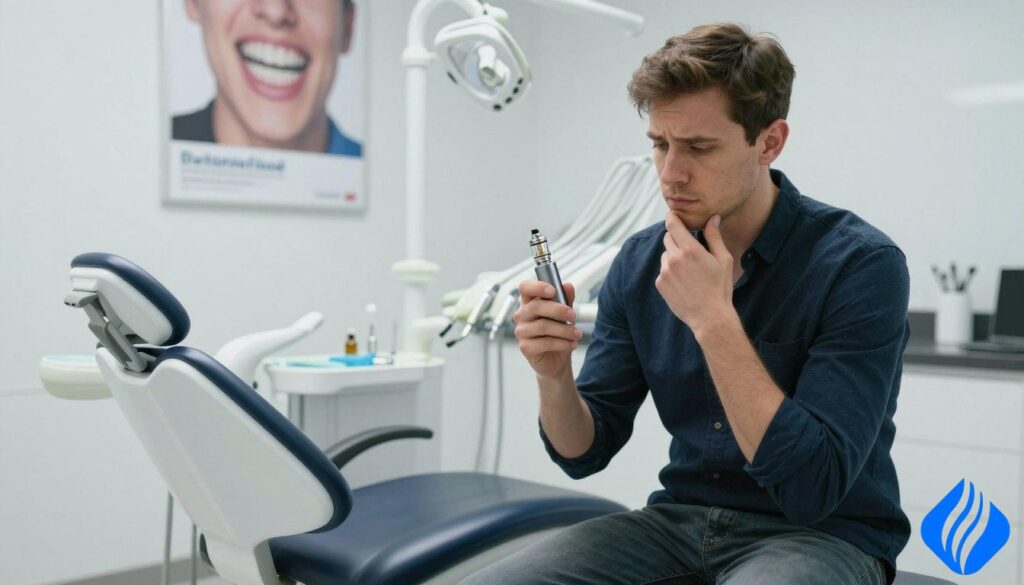
Key Takeaways
- Vaping raises infection and seal-failure risk in the first 24–72 hours.
- Nicotine-induced vasoconstriction can delay tissue recovery and increase sensitivity.
- Timeline depends on filling material and procedure depth.
- Use nicotine patches or lozenges as safer short-term options for cravings.
- Call the dentist for worsening pain, loose material, or visible damage.
- For more detail, consult this clinical reference: post-filling guidance.
Key Takeaways
Default guidance: Pause inhaled nicotine for at least 24–48 hours; 72 hours is the safer target for many patients to support early healing stability.
Nicotine and blood flow
Why nicotine matters: Nicotine causes vasoconstriction → reduced blood flow to gum tissues → fewer oxygen and nutrient deliveries → slower healing process → higher infection risk in irritated areas.
Vapor effects on tissues
Heat and chemical exposure can inflame soft tissues and raise sensitivity. Dry mouth from aerosol use reduces saliva’s buffering and cleansing action, increasing bacterial activity at fresh margins and elevating infection risk.
Mechanical stress and seal integrity
Strong suction and repetitive inhales stress tender tissues and can disrupt the early seal at the tooth–restoration interface. This is most relevant when sensitivity is present on day one through day three.
Immediate harm-reduction options
- Use nicotine patches, gum, or lozenges during the critical 24–72 hour window to reduce mouth exposure to heat and suction.
- If pain, swelling, foul taste, or a changed bite occur after early inhalation, contact a dentist promptly as these are warning signs of complication.
- See the dental safety guide for further reference and practical tips.
| Issue | Primary effect | Action (first 72 days) |
|---|---|---|
| Nicotine | Reduced blood flow, slowed healing | Avoid inhaled forms; use patch/gum/lozenge |
| Heat & chemicals | Tissue inflammation, increased sensitivity | Hold inhaled aerosols for 48–72 days |
| Suction mechanics | Stress on seal, risk of marginal disruption | Limit strong draws and heavy inhalation |
Quick Reference Table: Wait Time After a Dental Filling vs. Vaping Risk
Use this conservative quick guide for uncomplicated restorations. Extend recovery time if there is pain, swelling, numbness, or gum trauma.

Recovery time ranges by material
Protect the tooth and surrounding tissues during the first 24–72 hours. The table below maps minimum and safer target hours by material.
| Filling material | Minimum wait (least hours) | Safer target | Activity guidance |
|---|---|---|---|
| Composite | 24 hours | 48–72 hours | Vape: heat/suction risk; Smoking: adds tar/CO; Nicotine replacement: lower impact |
| Amalgam | 24–48 hours | 72+ hours | Vape: may stress seal early; Smoking: higher systemic risk; Patches/lozenges preferred |
| Glass ionomer | 48 hours | 72 hours | Vape: avoid heat/dryness; Smoking: increases inflammation; Use nicotine gum/patch |
| Temporary | 48 hours | 72 hours | Vape: high risk for dislodgement; Smoking: adds contaminants; Nicotine replacement safer |
Quick checkpoint: If the bite feels off or the tooth hurts with pressure, treat it as a functional risk and delay inhaled products until a clinician evaluates the restoration.
“Pause inhaled nicotine for at least 24–48 hours; 72 hours offers better protection for many patients.”
Footnote: These ranges apply to uncomplicated dental filling recovery. Deeper cavities, gum damage, or lingering numbness may require longer protection and dentist guidance.
How long should i wait to vape after a filling
Direct, conservative answer: Most dentists advise a minimum pause of 24–48 hours, and many recommend treating 72 hours as the safer target for seal stability and tissue healing.
Minimum waiting time most dentists recommend: at least 24-48 hours
Pause inhaled nicotine for at least 24–48 hours. This minimizes early vasoconstriction and lowers the immediate risk of bond failure or infection.
Why the 24-72 hour window matters most for healing and filling integrity
Early inflammation control and micro-repair occur during this period. Heat, suction, and dryness can disrupt the forming seal and delay healing.
Conservatively extending the time to 72 hours gives the restoration more stable contact with tooth structure and saliva.
When your dentist may advise waiting up to a week
Expect a longer, long wait if the restoration was deep, large, or if gum bleeding, persistent pain, or signs of infection appear. A history of slow recovery also justifies extended protection.
What to do if your mouth is still numb from anesthetic
Do not inhale products while numb. Impaired sensation raises the risk of burns, biting the treated area, and masking complications. Resume only after normal feeling and comfort return.
“If chewing hurts, cold sensitivity worsens, or the bite feels high, postpone inhaled nicotine and contact your dentist for an assessment.”
Practical harm-reduction: When cleared, take short, gentle puffs, stay hydrated, and stop immediately if discomfort or new complications emerge.
What happens in your mouth after a filling and why vaping can interfere
The first 48–72 hours after restorative work are critical for the bonding chemistry and tissue repair. The filling must form a stable seal at the margin while nearby tissues begin the healing process.
Bonding and setting
The filling bonds to enamel and dentin using resin or glass ionomer chemistry. Early mechanical stress or suction can open microscopic gaps, causing microleakage, sensitivity, or recurrent decay.
Blood flow and tissue repair
Nicotine causes vasoconstriction that lowers local blood delivery. Reduced blood limits oxygen and immune support, slowing the healing process and raising infection risk near the treated area.
Dry mouth and bacteria
Aerosols can reduce saliva and produce dry mouth. Less saliva means acids and bacteria linger at the margins, increasing tooth decay risk around the filling.
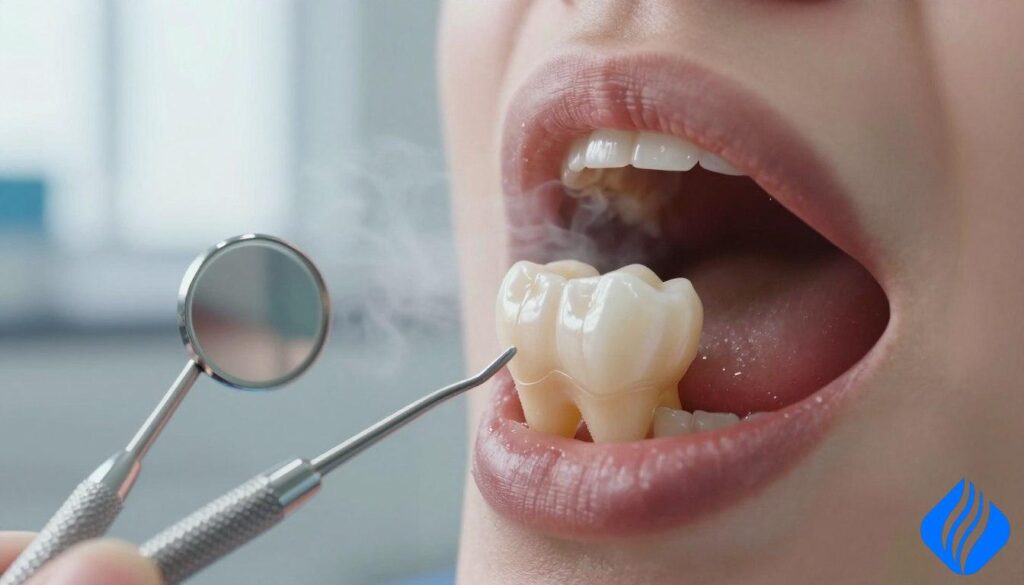
Heat, chemicals and suction mechanics
Warm vapor may irritate nerve endings and worsen sensitivity, especially with deep restorations. Aerosol chemicals can inflame mucosa and slow recovery.
Strong draws create negative pressure that stresses fragile seals. Note: true dry socket is mainly an extraction complication where a clot is lost, not a routine risk after this type of restorative work.
Practical protection: stay hydrated, avoid hot or cold triggers, and minimize mechanical stress on the treated tooth during early healing.
Vaping vs. smoking after fillings: risk comparison for oral health
Cigarette combustion and aerosol exposure pose distinct threats to oral recovery and restoration lifespan.
Cigarette smoke: tar, carbon monoxide, and staining effects
Smoking delivers nicotine plus tar and carbon monoxide. These byproducts worsen gum inflammation and can slow healing after dental work.
Staining: Tar and nicotine discolor both teeth and restorations. Fresh materials may show uneven staining and need earlier replacement.
Vapor exposure: irritation potential even without combustion
Vaping avoids combustion but still exposes tissues to chemicals and heat. Vapor can dry the mouth, irritate mucosa, and raise sensitivity near margins.
Longevity concerns and clinical signals
Smokers often need more dental care; studies note up to a 2.5× increase in restorations per year and higher oral disease rates. This pattern signals faster wear and more complications.
- Compare exposure profiles: smoking adds damaging combustion byproducts; vaping brings aerosol chemicals and dryness.
- Gum physiology: nicotine causes vasoconstriction and reduces resilience at restoration margins.
- Risk control: meticulous oral hygiene and timely dentist follow‑up help but do not cancel biological harms.
Practical takeaway: Avoid both smoking and vaping during early recovery; if abstinence is impossible, use non‑oral nicotine options and see your dentist for guidance.
Ingredients and device factors that matter for healing
Ingredient choice and device settings directly affect early tissue response at a restored tooth.
Nicotine strength and local circulation
Higher nicotine doses increase vasoconstriction and reduce blood flow to nearby gum tissue. Reduced circulation can slow repair and raise infection risk around a vape filling.
PG/VG balance and moisture
Propylene glycol (PG) gives more throat hit and may add a dry sensation. Vegetable glycerin (VG) creates thicker clouds.
Both solvents can alter mouth moisture and promote dry mouth, which lowers natural cleansing and raises bacterial activity.
Diacetyl, flavorings, acids and sweeteners
Diacetyl is a buttery flavor compound scrutinized for inhalation risks; reputable makers manage it via supplier checks and testing.
Acidic or sugary flavorings can leave residue and change local pH. Combined with reduced saliva, this can increase decay risk, so careful oral hygiene matters.
Device settings, suction and technique
Lower temperature, higher airflow, and shorter draws reduce heat exposure and suction stress on a fresh margin. These steps cut mechanical irritation if one resumes limited use.
Quality assurance and cravings management
Counterfeit or contaminated products add chemical uncertainty. Choosing authentic, top-tier disposables such as Geek Bar and Raz from verified sellers lowers that risk without endorsing brands.
If cravings are strong during the first days, nicotine patches, gum, or lozenges avoid direct aerosol exposure and support healing.
| Factor | Impact on healing | Practical control |
|---|---|---|
| Nicotine strength | Raises vasoconstriction; lowers blood flow | Use lower mg or temporary NRT (patch/gum) |
| PG/VG | Alters moisture; may cause dry mouth | Choose balanced blends; stay hydrated |
| Flavor acids/sweeteners | Can change pH and leave residue | Rinse after use; maintain oral hygiene |
| Device temp/airflow | Controls heat and suction stress | Lower temp, open airflow, short puffs |
“When returning to use, prioritize lower dose liquids, mild settings, and verified products while protecting early healing.”
Conclusion
Conclusion
Early healing after restorative work is fragile; simple steps limit additional stress on the restoration.
The safety default for most uncomplicated dental filling cases is a minimum pause of 24–48 hours, with 72 hours offering stronger protection for seal stability and tissue healing. Nicotine reduces local blood flow, while heat and dryness from aerosol exposure raise sensitivity and the risk of infection at the margins.
If pain worsens, swelling appears, the bite feels high, or sensitivity escalates within the first day, extend the delay and contact your dentist for prompt advice. Maintain hydration, gentle oral hygiene, and avoid extreme temperatures to support recovery.
Ongoing smoking or vaping increases long‑term oral health burdens and can shorten restoration lifespan; reducing exposure benefits teeth and overall health. For more detail, see this dental safety guide.
Medical Disclaimer: This information is educational only and not dental or medical advice. Follow your licensed dentist’s instructions and seek immediate care for severe pain, swelling, fever, pus, a loose or fallen filling, or worsening complications. In emergencies, call 911 or local emergency services.
 English
  German
  Dutch
Dutch  Danish
  Czech
Czech  Italian
  Slovenian
  French
  Hungarian
  Spanish
  Polish