

Are there any healthy vapes remains a top search for adults weighing harm reduction options. We start with a clear answer: no product is truly risk-free when inhaled into the lungs.
We assess what “less risky” means for US adults 21+. That includes lower nicotine, ingredient transparency, and hardware protections like temperature control and overcharge cutoff.
Our review method blends specs and hands-on testing. We record puff counts and battery efficiency, test throat hit, vapor output, and flavor stability after ~5,000 puffs. We compare puffs-per-dollar and long-run consistency against brands like Geek Bar, Lost Mary, and Raz.
We will repeat key non-negotiables: avoid mystery ingredients, skip diacetyl and vitamin E acetate, and favor devices with clear safety features. This guide targets adult smokers seeking harm reduction, and adult vapers lowering nicotine—not new users.
Key Takeaways
- No truly healthy option: inhaled vapor carries baseline risks.
- Less risky choices focus on lower nicotine and clear ingredients.
- We test puff count, battery efficiency, and flavor after 5,000 puffs.
- Compare puffs-per-dollar and flavor consistency across brands.
- Safety first: avoid risky additives and prefer built-in protections.
- Who this is for: US adults 21+ seeking harm reduction, not new users.
No, There Aren’t “Healthy” Vapes—But Some Are Less Risky in the US Right Now
Scaling down risk starts with honest facts about what inhaling aerosol does to the body. Inhaled aerosol can irritate airways and affect the lungs. Even clean marketing does not change that basic exposure.
Why inhaling vapor still carries lung and heart risks
Nicotine raises heart rate and narrows blood vessels. That adds strain during use.
Nicotine also fuels addiction. For that reason, strength matters. We note nicotine vapes can be more addictive than low‑nic options.
Where harm reduction fits for smokers vs. non-smokers
For adult smokers, switching fully from cigarettes can lower harm. For non-smokers, uptake adds avoidable risk with no benefit.
Lower‑risk selection focuses on fewer unknowns. Avoid high nicotine and harsh additives. Favor clear labels and tested liquids.
- Inhalation difference: aerosol exposure irritates airways more than air.
- Heart & addiction: nicotine increases addiction and cardiac strain.
- Practical “less risky”: fewer questionable chemicals, lower nicotine, consistent heating.
- Counterfeit risk: fake devices can cause battery failure and unverified liquids.
| Factor | What to check | Why it matters | Example signal |
|---|---|---|---|
| Ingredients | Clear lab reports | Reduces unknown harmful chemicals | Third‑party COA |
| Nicotine level | Labelled mg/ml or % | Lower addiction and cardiac load | 0% or 2% options |
| Hardware | Overheat & short protection | Prevents burns and malfunctions | USB‑C, auto shutoff |
| Brand authenticity | QR and packaging checks | Avoids counterfeit battery/liquid risks | Manufacturer verification |
Popcorn lung concerns tied to diacetyl. Many reputable firms exclude it, but users should verify labels and lab reports.
Next, we explain which ingredients and protections move the needle in 2026: clean formulas, mesh heating, and built‑in safety.
What Makes a Vape “Safer” in 2026: Ingredients, Hardware, and Built-In Protections
Our evaluation starts with what users can verify: labeled contents and built‑in protections on the device.
Clean‑label e‑liquid basics: look for VG (vegetable glycerin), PG (propylene glycol), flavoring, and clearly labeled nicotine strength. If a bottle or pod lists only “flavors” or “aromatics,” treat that as a red flag.

What to exclude and why
Avoid specific additives tied to lung injury. Diacetyl and vitamin E acetate are non‑starters.
Also watch for poor manufacturing that can introduce heavy metals from cheap metals in coils or housing.
Device protections and heating design
Prioritize devices with overcharge protection, short‑circuit protection, auto shut‑off, and leak resistance. These built‑in safety features cut preventable incidents.
Mesh or dual‑mesh coils give even heating. Stable power delivery reduces hot spots and harmful byproducts.
| Checklist | What to verify | Why it matters |
|---|---|---|
| Clean formula | VG, PG, flavor, nicotine label | Limits unknown inhalants |
| Forbidden additives | No diacetyl; no vitamin E acetate | Linked to severe lung harm |
| Hardware quality | Overcharge, short protection, leak resistance | Reduces battery/liquid incidents |
| Coil/heating | Mesh or dual mesh | Even heating lowers byproducts |
Hands-On Testing Notes: Throat Hit, Vapor Production, and Flavor After 5,000 Puffs
Our team used repeatable trials to measure throat impact, vapor consistency, and flavor drift up to 5,000 puffs. We logged draw effort, output, and taste every 500 puffs. This gave clear markers for performance changes.
Smooth vs. strong throat sensation by nicotine
0% nicotine felt smooth and light. It lacked the scratch that nicotine brings.
2% nic salt added a noticeable throat pull without harsh bite.
5% nic salt delivered the strongest hit and most nicotine-forward experience.
Vapor density and airflow stability
MTL draws focused flavor and boosted perceived throat. RDL draws raised vapor volume and often softened the bite.
Consistent vapor output signaled even heating and good wicking. Irregular output hinted at stress in the coil or airflow path.
What shifts after ~5,000 puffs
Sweetness can flatten. Menthol or cooling agents may drift, sometimes sharpening or dulling.
Coils often mute top notes first. Fruit brightness drops before base tones fade.
Quote: “Stable airflow and mesh heating kept flavors truer for longer; devices that forced hard draws tended to get hotter and produce harsher byproducts.”
How we judged flavor consistency
We used side-by-side samplings at set intervals. We noted sweetness, cooling intensity, and any burnt or dry-hit onset.
Good in our tests meant steady airflow, even heating, and minimal flavor drift before expected end-of-life.
| Metric | What we measured | Why it matters |
|---|---|---|
| Throat | Perceived bite by strength | Shows nicotine impact and user comfort |
| Vapor | Density and stability over time | Indicates heating and wicking consistency |
| Flavors | Sweetness, cooling, and top notes | Measures taste fidelity through long runs |
| Safety signal | Forceful draws or intermittent harshness | May increase heating and harmful byproducts |
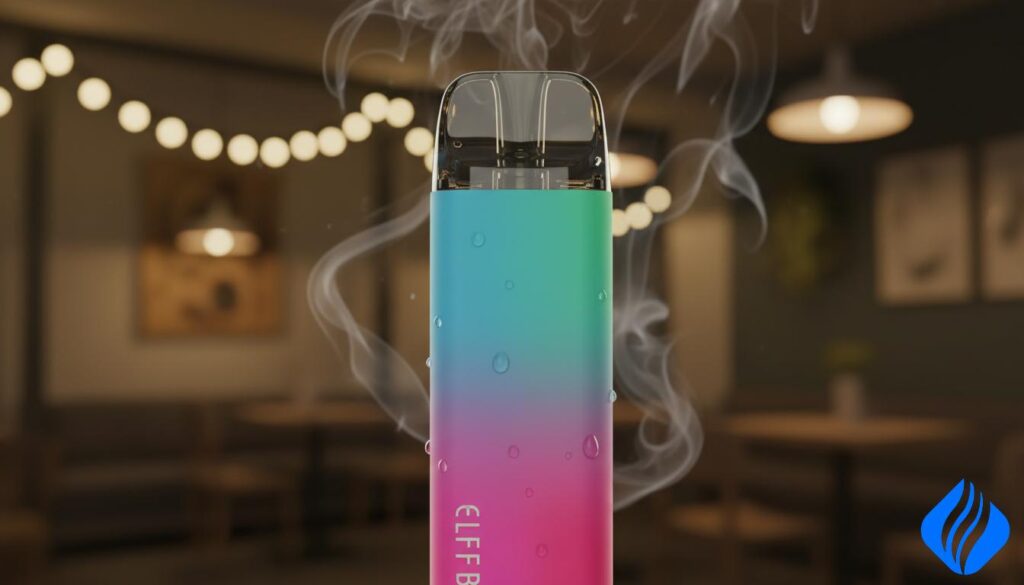
Main Pick for “Cleaner” Disposable Value: Elf Bar BC5000 (0%, 2%, 5%) Review
We evaluated the Elf Bar BC5000 for consistent performance and practical value in common use. This model stands out in the $15–$20 US price band as a controlled, rechargeable disposable option.
Core technical specs
- Battery: 650 mAh rechargeable (USB‑C)
- Liquid: 13 ml e‑liquid; ~5,000 puffs typical
- Coil: QUAQ mesh coil for even heating
- Nicotine options: 0 mg, 20 mg (2%), 50 mg (5%) nic salt
- Build: leak‑resistant, aluminum shell for daily portability
Hands-on notes
Throat hit: 0 mg reads smooth and flavor-forward. 2% balances throat sensation and comfort. 5% gives the sharpest bite and higher dependency risk.
Vapor & flavor after ~5,000 puffs: Draw-activated output stayed steady. Sweet top notes dimmed first; cooling agents drifted but coil muting was gradual rather than abrupt.
Practical safety: The sealed shell limits leaks and reduces pocket mess, a notable safety plus for buyers comparing similar products. We position the BC5000 as our main value pick for users seeking controlled choices among disposable vapes, while noting it is not a health product.
Competitor Comparison: Geek Bar vs. Lost Mary vs. Raz vs. Elf Bar on Puffs per Dollar
Not all advertised puff counts match real use, so we tested performance under normal draws to measure true cost per puff.
How we calculated puffs per dollar
We used a practical formula: estimated usable puffs ÷ retail price. Usable puffs reflect normal draw length, flavor life, and coil consistency — not marketing maxima.
Example math: Elf Bar BC5000 ≈ 5,000 usable puffs ÷ $17 (typical) = ~294 puffs per dollar. We applied the same approach to Geek Bar, Lost Mary, and Raz using realistic decline rates.
Value takeaways for US shoppers
- Puffs-per-dollar matters, but so does consistency. A high count is worthless if flavor dies early.
- Elf Bar often sets the baseline for value. Geek Bar, Lost Mary, and Raz vary by coil type and airflow, which changes how long taste holds up.
- Prioritize 0% or low‑nic options and buy from reputable sources to reduce counterfeit and battery risk.
| Brand | Typical price (US) | Realistic usable puffs | Puffs per dollar |
|---|---|---|---|
| Elf Bar BC5000 | $15–$20 | ~5,000 | ~250–333 |
| Geek Bar (avg) | $12–$18 | ~3,000–4,000 | ~167–333 |
| Lost Mary | $10–$16 | ~2,500–3,500 | ~156–350 |
Shopping tip: browse Disposable Vapes and Hot Sale pages for current pricing. Cheap, unknown sellers can cost more in the long run if devices fail or taste burnt early.
Flavor Consistency Face-Off: Which Brand Tastes the Same Past 5,000 Puffs?
Consistent taste over long runs ties directly to how a product manages heat, wicking, and airflow. We measure consistency as how close “puff 1” matches “puff 5,000,” not just first impressions.
Mesh vs. dual mesh: practical heating differences
Mesh spreads heat across a wider area. That reduces hot spots and helps steady wicking.
Dual mesh doubles that benefit. It gives more even temperature control and fewer abrupt drops in taste.
What our hands-on runs revealed
Cooling blends held up longer. Menthol and ice masked early coil fade and kept perceived throat smooth.
Candy and sweet mixes faded faster. Sweetness perception drops first, so fruity notes lost peak brightness earlier.
“Even heating and stable power lowered harsh output and limited formation of unwanted byproducts.”
- Airflow matters: tighter or inconsistent flow raises vapor temperature and can increase irritation.
- Heating stability: fewer hot spots mean less breakdown of flavor compounds and lower byproducts risk.
- Practical brand note: Elf Bar showed a wider usable taste window versus Geek Bar and Lost Mary in our trials, largely due to coil and seal quality.
Buyer takeaway: If you prioritize long-run taste, pick devices with mesh or dual mesh designs, stable airflow, and strong leak control. That choice improves consistency and reduces the chance of harsh byproducts as a unit ages.
Long-Run Device Spotlight: SMOK Spaceman SP40000 Zero-Nic (When You Want Maximum Runtime)
When runtime becomes primary, monitoring and control take on new importance. The SMOK Spaceman SP40000 Zero‑Nic positions itself as a long‑run, zero‑nicotine option for adults who want maximum puffs without nicotine exposure.
Core technical specs
- Battery: 1000 mAh rechargeable (USB‑C)
- Liquid: 20 ml e‑liquid; up to 40,000 puffs
- Coil: dual mesh coils for even heating
- Power: adjustable wattage — 10W / 16W / 20W / 26W
- Display: large screen with puff count, battery, e‑liquid level, and power setting
- Price (US): $14–$20
How controls improve use and safety
The screen helps prevent surprise dry puffs by showing e‑liquid and battery status. That reduces abrupt harsh hits and cutoffs.
Adjustable wattage is a consistency tool. Lower settings cut heat intensity and extend coil life. Higher settings raise vapor output but speed coil fatigue and can increase harsh byproducts.
| Feature | Benefit | Why it matters |
|---|---|---|
| Dual mesh | Even heating | Preserves flavor longer |
| Screen readouts | Real‑time monitoring | Reduces dry puffs and surprises |
| Adjustable wattage | User control | Balance output vs. coil wear |
Practical note: Compared with typical ~5,000‑puff devices, the SP40000 changes the value equation only if flavor and build quality hold up deep into the lifecycle. Zero‑nic removes one major exposure, but inhaled aerosol still carries risk, so ingredient transparency and device quality remain essential.
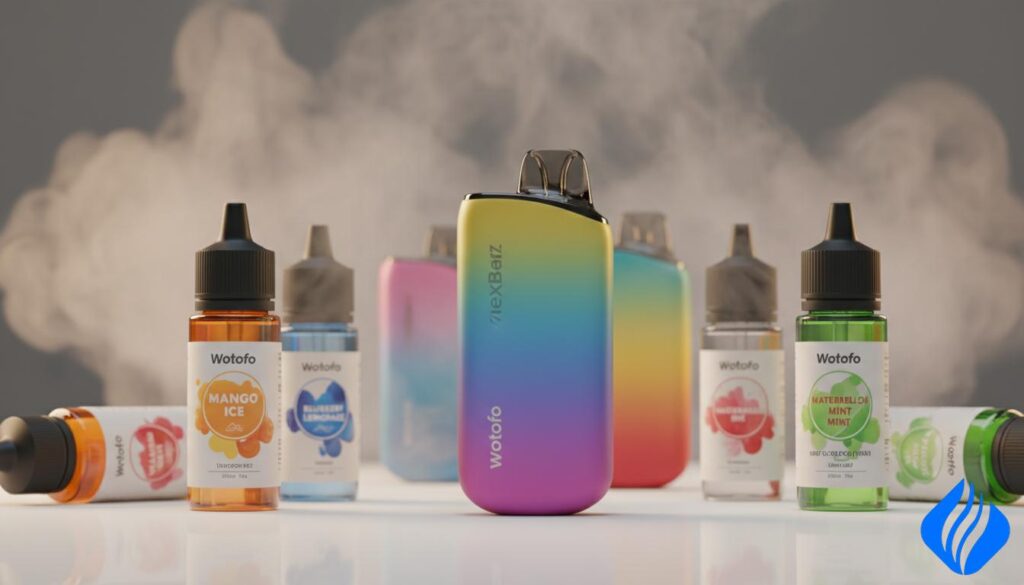
Step-Down Nicotine Option: Wotofo nexBar 7K (2% and 5%) and What It Gets Right
For smokers seeking a controlled step-down, the nexBar 7K blends long life with adjustable draw and clear indicators. We view it as a bridge product for adult users who want more control than typical high‑strength disposables.
Core specs:
- 14 ml e-liquid, ~7,000 puffs
- Mesh coil for even heating
- USB‑C charging, battery indicator, e‑liquid level light
- Adjustable airflow to tune throat hit
- Protections: 10s over‑time cutoff, short‑circuit, low voltage
- Nicotine options: 20 mg (2%) and 50 mg (5%); price ≈ $20.99
When 2% makes more sense: For users aiming to reduce dependence, the 20 mg option lowers intake and supports tapering. The 50 mg choice keeps stronger nicotine delivery and can slow reduction goals.
Adjustable airflow lets users dial throat sensation. Tighter flow increases perceived strength; wider flow softens the draw. The status lights and protections reduce dry hits and electrical faults—signals of better build quality.
Practical view: The nexBar 7K is not a health product. It does offer deliberate options for adults moving off cigarettes. As a harm‑reduction tool, choosing 2% over 5% can make structured reduction more attainable.
Zero-Nic “Wellness” Vapes and Additive Claims: What We Know and What’s Not Proven
Many brands promote vitamin and herbal inhalants with wellness messaging, yet inhalation safety data lags far behind the hype.
Vitamin, melatonin, and herbal inhalants: marketing outpaces research
Wellness products commonly add vitamin blends, melatonin, caffeine, or botanicals and target users seeking functional effects.
We can state only one clear point: inhalation studies for most vitamins and botanicals are limited. Dose delivery varies by device and draw. Claims often exceed what data supports.
Why simpler formulas usually mean fewer unknowns
Simpler e-liquids — VG/PG, clear flavoring, and optional 0‑mg — typically present fewer unknown compounds and fewer thermal breakdown risks.
Zero nicotine removes one major risk driver, but it does not eliminate airway irritation or the possible formation of harmful chemicals when additives heat.
“If you favor fewer variables, pick transparent labels and third‑party testing over wellness buzz.”
- Verify labels and lab reports.
- Avoid vague “proprietary blends.”
- Watch for inconsistent dose and unexpected byproduct risks.
For practical steps and a buying checklist, consult our guide and related safety notes like is Clenzy vape safe.
How to Pick a Lower-Risk Vape for Your Lungs: A Buyer’s Checklist
Reduce avoidable exposure by choosing verified formulas and solid device protections. We lay out a short, scannable checklist aimed at lung-focused harm reduction. This is guidance, not a safety guarantee.
Nicotine choice
Choose 0% when possible. If not, step down to lower strengths to cut addiction and cardiovascular strain. Lower nicotine reduces throat bite and long‑term intake.
Lab testing and labeling
Prioritize transparent ingredients and third‑party testing. Look for VG/PG ratios, explicit nicotine content, and a Certificate of Analysis. Avoid vague “aromatics” or unspecified additives like diacetyl or vitamin E acetate.
Avoid fakes and unregulated devices
Counterfeit hardware can increase battery failure and exposure to heavy metals. Buy from verified retailers and check QR validation or manufacturer verification.
Charging and built-in protections
Prefer USB‑C and documented built-in safety features. Overcharge, short‑circuit, and auto shut‑off reduce preventable incidents linked to poor batteries and chargers.
Prevent burnt hits
Choose devices with mesh coils and steady airflow. That lowers hot spots and helps avoid dry puffs. Replace or retire units that show flavor burn or intermittent harshness.
“We recommend verified labels and tested hardware first; flavor and price come second when lung risk matters.”
| Focus | What to verify | Why it matters |
|---|---|---|
| Nicotine | 0% or lower mg/ml | Reduces dependence and cardiac strain |
| Ingredients | COA, VG/PG, no unknown additives | Limits unexpected thermal byproducts |
| Hardware | USB‑C, overcharge & short protection | Prevents battery incidents |
For buying filters and verified options, see our recommended sources like safest vape guide.
Shopping on Sokvape: Where to Find Verified Options and Better Deals
Start shopping with verification in mind: trusted retailers cut counterfeit risk. We focus on verification, value, and technical comparison so buyers make informed choices, not impulse buys.
Browse Disposable Vapes for low‑nic and 0% choices
Use the Disposable Vapes collection to filter by nicotine strength and capacity. Visit Disposable Vapes to compare flavors, puff counts, and stated protections.
Check Hot Sale for puffs-per-dollar value
The Hot Sale page lists rotating deals that affect real cost per puff. Use it to compare price shifts and spot bulk discounts that improve value without sacrificing verification.
Explore RandM and Bang to compare coil types and capacities
For technical shoppers, inspect brand pages. Review coil design (mesh vs dual mesh), ml capacity, and mAh ratings on RandM and Bang product pages. These details help predict flavor longevity and runtime.
What to verify on product pages: nicotine strength (0%, 2%, 5%), USB‑C charging, stated protections, and lab reports when present. Buying from verified listings reduces mismatch risk and improves after‑sale support.
“Prioritize verified sourcing and technical specs over hype; it cuts counterfeit odds and improves long‑term value.”
| Where | What to compare | Why it matters |
|---|---|---|
| Disposable Vapes | Nicotine, puff count, format | Find 0% or low‑nic options and true puffs per dollar |
| Hot Sale | Price vs usable puffs | Spot temporary deals that lower cost per puff |
| RandM / Bang | Coil type, ml, battery mAh | Predict flavor life and runtime |
We provide navigation to verified products and brand pages so US adults can compare devices and options with confidence. This helps avoid common post‑purchase errors like misreading indicators or skipping authenticity checks.
Practical Use Questions People Ask Before Buying
Knowing when a device is empty, how to charge it safely, and how to verify authenticity cuts risk. We answer three common pre‑purchase points so buyers can make informed choices.
How to know if it’s empty
Look for a clear flavor drop and thinner vapor. A weaker draw often signals near‑end life.
On screened units, check low e‑liquid icons or warning lights. If flavor fades but the unit still fires, the battery may be low rather than the pod empty.
How to recharge safely
Use USB‑C with a reputable cable and power source. Charge on hard, cool surfaces and disconnect when full.
Stop charging if the unit runs hot, charging becomes intermittent, or vapor turns harsh. Those are overheating warning signs that threaten user safety.
Is it authentic?
Counterfeit gear raises exposure risk through unknown liquids and poor battery protections. Verify the device QR code and follow official checks via https://www.google.com/url?sa=E&source=gmail&q=sokvape.com before use.
If packaging looks off or the QR fails, treat it as a red flag and do not use the product.
“Safer use blends verified product selection with careful handling.”
Conclusion
The bottom line: no product removes inhalation risks, so choices should cut avoidable exposures.
We found that vaping can lower harm for adults who quit cigarettes if used as a complete cigarette alternative and nicotine is stepped down. For others, starting adds needless risk. Favor simple ingredients, avoid diacetyl and vitamin E acetate, and reject vague labels that hide unknown chemicals.
Our practical picks: the Elf Bar BC5000 set a value baseline for real puffs per dollar and flavor consistency. Compare Geek Bar, Lost Mary, and Raz on usable puffs and taste life, not marketing claims.
Device build matters. Choose units with USB‑C and documented built-in safety features — overcharge, short-circuit, auto shut-off, and leak resistance — to cut preventable exposure to heavy metals and harsh byproducts.
For more context on risks and policy guidance, see is vaping safer than smoking.
Nicotine warning: this product category may contain nicotine. Nicotine is addictive. Adults 21+ only. If pregnant, or living with heart or lung conditions, avoid nicotine and consult a clinician about cessation.
 English
  German
  Dutch
Dutch  Danish
  Czech
Czech  Italian
  Slovenian
  French
  Hungarian
  Spanish
  Polish