

Modern coil tech and nicotine salts have changed nicotine delivery. UCSF expert Pamela Ling notes that some disposables can hold nicotine comparable to three cartons, or about 600 cigarettes. We open this guide with that fact and set clear expectations.
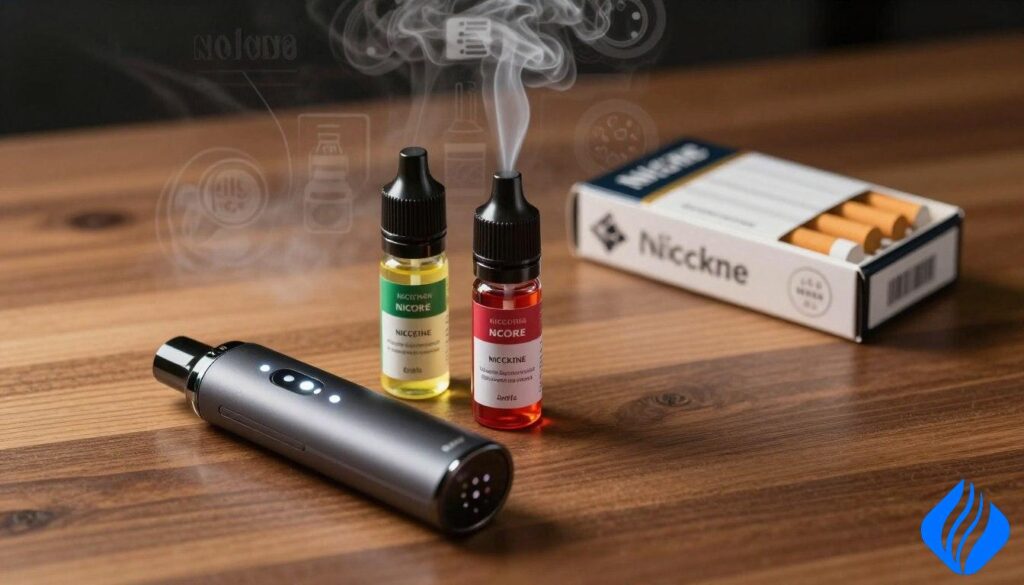
We will compare two paths: puff-count estimates and milligram-based nicotine intake. We define puff count equivalence versus nicotine intake equivalence, and explain why they differ.
Our checklist will cover battery mAh, e-liquid ml, 2%/5% nicotine salt, coil type, and USB‑C. We also preview competitor comparisons: Geek Bar, Lost Mary, and Raz, plus hands-on testing and spec sheets.
Nicotine warning: This article discusses nicotine exposure. Nicotine is an addictive chemical. Keep all nicotine products away from children and pets. Use only if 21+ in the United States.
Key Takeaways
- We separate puff-count and mg-based equivalence for clarity.
- Device power, nicotine strength, and inhale style change estimates.
- Some disposables can contain nicotine similar to ~600 cigarettes.
- Spec checklist and competitor comparisons follow in the guide.
- We take a harm-reduction tone without claiming safety.
Why “cigarette equivalent” isn’t a simple number in today’s vaping world
Recent device and formula shifts have altered how much nicotine users absorb per puff. That change makes a single conversion impossible.
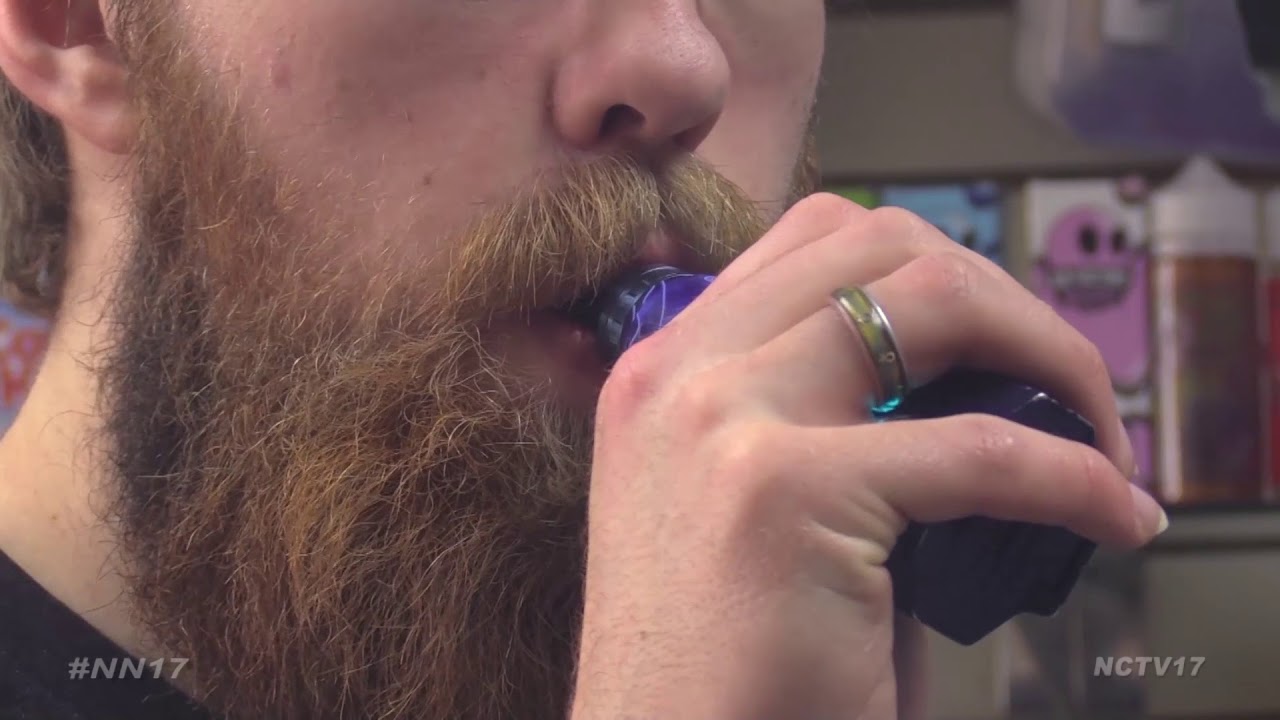
Puffs aren’t nicotine
Puffs record behavior. Nicotine measures exposure. Different devices, coil types, and inhale style change the link between them.
What experts say about potency and dependence
UCSF researcher Pamela Ling notes that nicotine salts reduce harshness. That permits higher concentrations and faster delivery. Some disposables can hold nicotine comparable with hundreds of cigarettes, raising dependence risk.
2023 context: youth and flavored disposables
In 2023, over 1.6 million U.S. middle and high school students reported vaping. Nearly 90% used flavored products. Regulators and clinicians focus on product potency and appeal because these factors affect uptake and daily intake.
Practical framing: We will next show a simple puff-count method and a milligram-based nicotine math method, and explain when each is the right way to estimate intake over a day. For a quick reference, see our puff-to-cigarette conversion guide here.
| Measure | What it tracks | Why it misleads |
|---|---|---|
| Puffs | User behavior | Varies by device, strength, and technique |
| Nicotine content | Liquid concentration | Does not equal absorption |
| Absorbed nicotine | Physiological exposure | Depends on delivery and user physiology |
how many cigarettes is a vape equal to using puff count math
For quick counting, many users treat ten to fifteen puffs as a rough stand-in for one cigarette. This gives a simple, behavior-focused way to compare devices without lab testing.
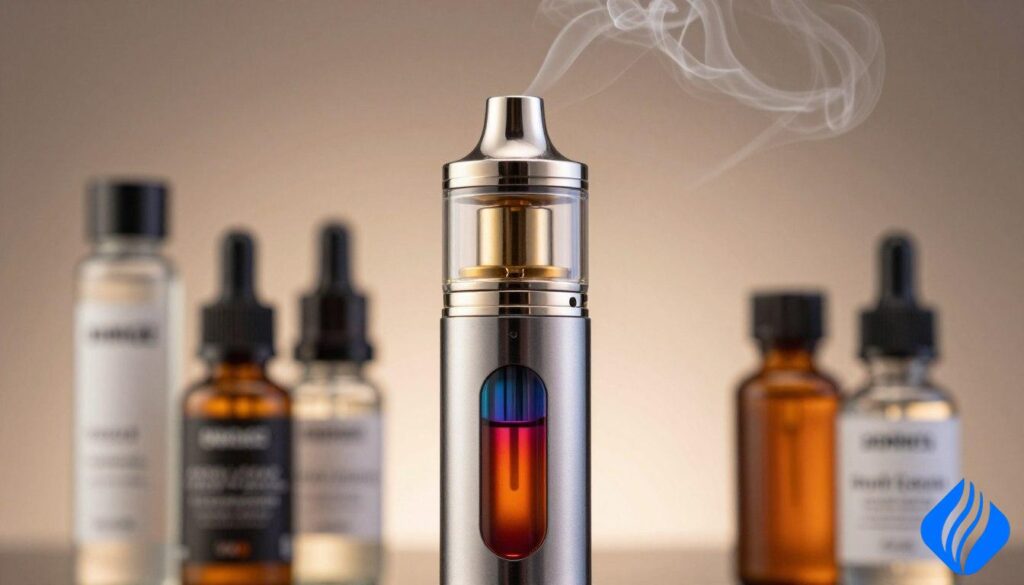
Baseline and quick formula
The baseline: 10–15 puffs ≈ one cigarette. Use this for fast estimates. It does not measure absorbed nicotine, only usage behavior.
Simple math:
- cigarette-equivalent = total puffs ÷ 10 to ÷ 15
- For packs, divide the cigarette number by 20.
Common disposable puff counts converted
| Device puffs | Approx. cigarettes (range) | Approx. packs (20 per pack) | Notes |
|---|---|---|---|
| 2,000 puffs | 133–200 | 6.5–10 | Typical high-cap disposables |
| 3,000 puffs | 200–300 | 10–15 | Example calculation below |
| 5,000 puffs | 333–500 | 16.5–25 | Thousands of puffs make daily tracking hard |
Concrete example and limits
Example: 3,000 puffs ÷ 10 = 300 cigarettes. 3,000 ÷ 15 = 200 cigarettes. That gives a range: 200–300 cigarettes ≈ 10–15 packs.
When this method works: Devices with steady output and higher nicotine salts can make each puff feel closer to cigarette hits.
When it fails: Low-power devices, low nicotine strength, or long direct-to-lung pulls change absorption. Then puff count is a poor proxy.
In the U.S., many disposable vapes offer thousands of puffs. That can make casual use add up across a day. Use puff math for quick comparisons, and use nicotine math for exposure estimates.
How to compare nicotine intake by strength, e-liquid volume, and absorption
We start by anchoring estimates to the nicotine actually absorbed by smokers.
Baseline: many smokers absorb about 1–1.5 mg of nicotine per cigarette. That physiological dose gives us a useful reference for real intake, not label numbers.

Translating label strength into rough intake
Common labels read as percentages. 2% nicotine salt ≈ 20 mg/ml. 5% ≈ 50 mg/ml. Label concentration is content, not absorbed dose.
Estimate math example: a pack pattern often yields ~20–30 mg absorbed per day. At 20 mg/ml, that could require ~1–1.5 ml of juice depending on device efficiency. At 50 mg/ml, the same absorbed range can come from ~0.4–0.8 ml.
Why salts feel smoother
Nicotine salts use organic acids that cut throat harshness. That smoother feel can increase puffing and raise overall intake even when vapor feels mild.
“Small volumes of high-strength liquid can deliver meaningful nicotine in short time.”
We note uncertainty: metabolism, puff length, and device output change absorption. For calculation tools, see our quick guide to calculate nicotine equivalence.
Disposable vape device specs that change your “cigarette equivalent” estimate
Battery, coil, and juice specs determine whether puffs deliver steady doses or erratic spikes. We review which fields in a device spec sheet actually affect nicotine delivery and daily intake.
Battery capacity and power delivery
mAh affects output stability. Higher capacity keeps power steadier across days, reducing weak hits that push users into longer, more frequent draws.
Low mAh can cause falling pressure and inconsistent aerosol, which changes perceived strength and may increase intake as users chase satisfaction.
E-liquid volume and nicotine content
ml sets the ceiling for total nicotine content. More juice plus higher labeled strength (2% versus 5%) means more available nicotine in one disposable device.
This is about total content, not absorbed dose. Still, greater volume raises the range of possible intake over the device life.
Coil type and aerosol production
Mesh coil heats evenly and gives stable flavor and vapor per puff. Dual mesh often raises aerosol output and maintains consistency longer.
That matters because aerosol volume per puff correlates with nicotine delivery. Different coil designs change how much nicotine each draw can carry.
Charging port basics and safety
USB‑C supports reliable charging and steadier power profiles. That reduces risky quick-charging behavior and helps preserve consistent delivery.
We still advise using the correct cable, avoiding unattended charging, and following manufacturer guidance.
- Key takeaway: Device specs are not marketing trivia. They shape vapor output, nicotine delivery, and how consistent each puff feels over time.
| Spec | Typical range / value | Impact on delivery |
|---|---|---|
| mAh | 300–950+ | Power stability across days; affects hit strength |
| ml (juice) | 2–20+ | Total nicotine content; limits lifetime dose |
| Nicotine strength | 2% (20 mg/ml) / 5% (50 mg/ml) | Speed of craving relief; risk of overshoot |
| Coil type | Mesh / Dual mesh | Aerosol volume per puff; flavor stability |
| Charging | USB‑C common | Reliable recharging; steadier performance |
Main product vs Geek Bar vs Lost Mary vs Raz: puffs per dollar and flavor consistency
A clear apples-to-apples checklist helps buyers weigh value, nicotine strength, and flavor life.
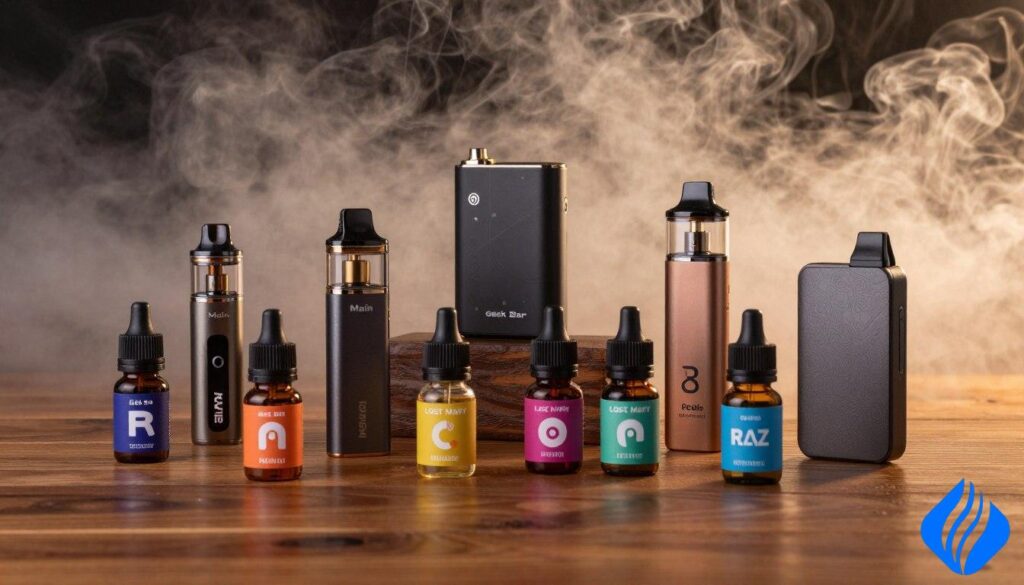
Side-by-side spec checklist
- Battery (mAh) — power stability across the day.
- E-liquid (ml) — total available nicotine.
- Nicotine strength — 2% vs 5% salt and expected impact per puff.
- Coil type — mesh versus dual mesh and aerosol per hit.
- Charging — USB‑C for steady output.
Puffs per Dollar
We define Puffs per Dollar as usable puffs ÷ retail price. Use usable puffs, not claimed numbers. Power loss near end of life often cuts real output.
Flavor Consistency
Check whether taste holds from the first hit through mid-device. Watch for cooling agent spikes, sweetness fade, and muted notes as coils age. Consistent flavor often means steadier nicotine delivery.
For quick browsing compare models in our Disposable Vapes and Hot Sale categories. Repeat buyers may prefer brand hubs like RandM and Bang.
Hands-on testing insights: throat hit, vapor production, and flavor after 5000 puffs
We ran controlled, repeatable tests across multiple modern disposables to observe throat feel, aerosol output, and flavor drift through roughly 5,000 puffs. Testing used consistent puff length, identical storage, and standard charging. Findings are observational and device-dependent.
Smooth versus strong throat feel
2% nicotine strength typically produces a milder throat sensation. It feels forgiving during frequent vaping and often reduces short-term irritation.
5% nicotine strength can remain surprisingly smooth because nicotine salts blunt harshness, yet the physiological dose is higher. Airflow and cooling agents determine whether the hit reads as soft or tight.
Vapor production by coil and power
Mesh and dual mesh coils deliver different aerosol per puff. Dual mesh plus higher power raises aerosol volume and can increase nicotine delivery per draw.
That means two devices with identical puff counts can give different exposure if aerosol output differs.
Flavor evolution after 5000 puffs
Across tests we saw a pattern: sweetness fades first. Cooling agents lose sharpness next, and complex fruit or dessert notes mute last.
As flavor drops, users may compensate with longer or deeper puffs, which raises nicotine intake without raising puff count. Use taste and throat cues to reassess intake rather than chasing original flavor levels.
“Small volumes of high-strength liquid can deliver meaningful nicotine in short time.”
| Measure | Observed change by 5,000 puffs | Practical impact |
|---|---|---|
| Throat feel (2% vs 5%) | 2% milder; 5% variable (smooth or tight) | Perceived satisfaction can differ; stronger doses may feel subdued |
| Aerosol output | Mesh = steady; Dual mesh/higher power = larger clouds | Higher aerosol per puff can increase nicotine intake |
| Flavor | Sweetness fades; cooling dulls; notes mute | Users may take longer draws, raising exposure |
Example protocol: test across multiple days, record perceived throat hit at puffs 1, 50, 500, 2,500, and 5,000; log battery voltage and compare mid-device flavor to first-50-puff baseline.
Practical takeaway: Treat throat hit and flavor drift as signals. Slow down and reassess when sensation changes rather than increasing puff frequency.
Conclusion
For users, the key point is that estimates vary by device, liquid, and behavior. We offer two practical anchors: ~10–15 puffs per cigarette for quick counts, and ~1–1.5 mg nicotine absorbed per cigarette for physiology-based comparison.
Modern disposables can hold very high nicotine content, so one device may represent many cigarettes depending on ml and %. Track intake rather than chasing flavor or fixed time cues.
Daily checklist: know your % strength, estimate ml used, monitor cravings, and prefer the lowest effective strength.
FAQ: Signs an item is empty: reduced vapor, burnt or flat flavor, blinking lights, no airflow. For safe recharge use reputable low‑output USB‑C adapters, avoid unattended charging, stop if the device gets hot, and never use damaged cables. To check authenticity scan the product QR code and verify via https://www.google.com/url?sa=E&source=gmail&q=sokvape.com or buy from trusted storefronts like our Disposable Vapes and Hot Sale pages.
Nicotine is an addictive chemical. If you do not use it, do not start. Keep products secure and away from minors.
 English
  German
  Dutch
Dutch  Danish
  Czech
Czech  Italian
  Slovenian
  French
  Hungarian
  Spanish
  Polish