

Question: Can a simple puff count tell you the nicotine dose in real terms?
Direct Answer: No — puff count alone does not reliably indicate nicotine intake; nicotine strength, device output, and inhalation pattern determine blood absorption and risk such as vasoconstriction.
SokVape’s senior safety consultant frames this topic as a safety question with three clarity points. Equivalence may mean puff tally, nicotine dose, or relief from cravings — those are not interchangeable outcomes.
The practical baseline: many smoked sticks finish in roughly 10–15 puffs, and users typically absorb about 1–2 mg nicotine per stick. By contrast, e‑liquid strength and device power change nicotine per puff dramatically.
This article will estimate intake using mg/ml, an assumed 200 puffs per mL rule, and the cigarette absorption benchmark. The focus stays on harm reduction, quality assurance, and why authentic devices yield more predictable delivery.
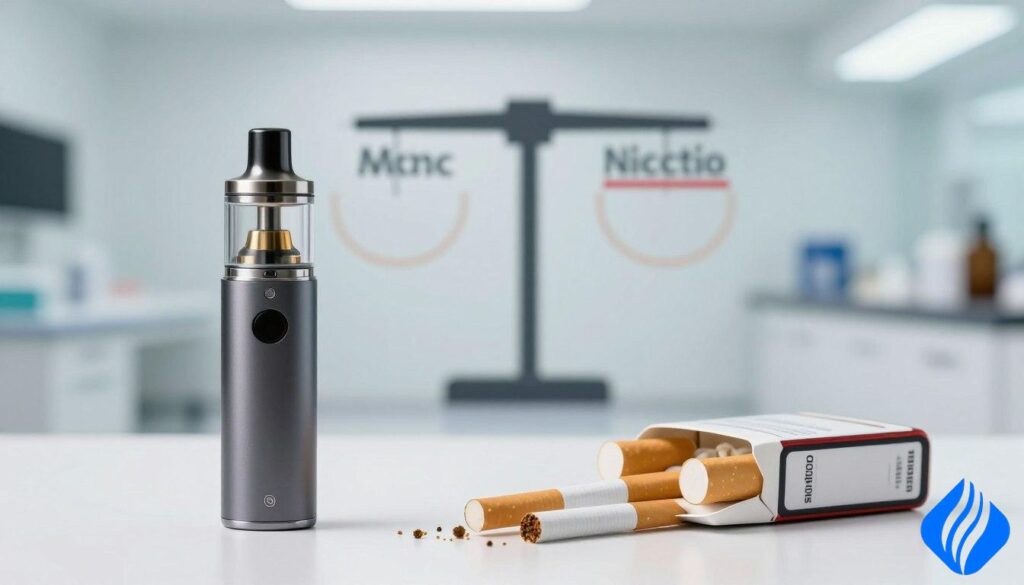
Key Takeaways
- Equivalence can refer to puffs, absorbed nicotine, or craving relief — choose the metric that matters.
- Nicotine dose, not puff count, drives dependence and clinical risk.
- Typical cigarette absorption is ~1–2 mg; puff counts vary by user behavior.
- Estimations use nicotine strength, device efficiency, and ~200 puffs per mL as a working model.
- Prioritize harm reduction: authentic devices and quality control improve predictability and safety.
Key Takeaways
Below is a concise safety-first summary that clarifies why puff count alone is an unreliable measure of nicotine exposure.
“Puff counts are a rough proxy; nicotine absorption and delivery efficiency determine real exposure.”
Most smoked sticks: puffs versus absorption
Typical smoked sticks finish in about 10–15 puffs. Clinical benchmarks show smokers absorb roughly 1–2 mg nicotine per unit despite higher nicotine content in the leaf.
Vape delivery varies widely
Nicotine intake from vaping depends on strength, device efficiency, and puff duration. Identical puff counts can yield very different nicotine delivery.
Nicotine salts and overuse risk
High-strength nicotine salt products (for example, 5% / 50 mg/ml) provide a smoother throat feel. That can lead to faster, higher intake before the user senses limits.
Quality and harm reduction
Use authentic, quality-controlled devices for more consistent output. Counterfeit disposables often vary in labeled nicotine content and delivery.
- Practical: treat puff counts as only one metric.
- Clinical: 1–2 mg absorbed per smoked unit is a useful benchmark.
- Quality: prefer widely vetted brands (Geek Bar, Raz) while remembering dependence risk remains.
For more detail on equivalence models and worked examples, see this nicotine equivalence guide.
Quick Reference Table: Vape Puffs, Nicotine Strength, and Cigarette Equivalents
Below is a compact reference that separates puff-count equivalence from nicotine-based estimates. Assumptions: ~10–15 puffs per smoked unit and ~1–2 mg nicotine absorbed per smoked unit. Modeled using ~200 puffs per mL.
Estimated puffs to approximate one smoked unit (modeled)
| Nicotine strength (mg/ml) | Estimated puffs to match ~1 mg absorbed | Range note (device & user variability) |
|---|---|---|
| 3 mg/ml | 50–85 puffs | Lower per-puff output; range reflects 150–250 puffs/mL variability |
| 6 mg/ml | 25–45 puffs | Typical pod strengths; inhale style alters intake |
| 12 mg/ml | 12–22 puffs | Often used by transitioning smokers |
| 18–20 mg/ml | 8–15 puffs | Nicotine salts may increase absorption speed |
| 50 mg/ml | 3–6 puffs | High-salt disposables; rapid intake risk |
High-puff disposables: puff-count equivalence (puff-count only)
| Total puffs | Cigarette equivalents (puffs ÷ 10–15) | Pack equivalents (20 smoked units) |
|---|---|---|
| 500 | 33–50 cigarettes | 1.6–2.5 packs |
| 1000 | 67–100 cigarettes | 3.3–5 packs |
| 2000 | 133–200 cigarettes | 6.6–10 packs |
| 3000–4000 | 200–400 cigarettes | 10–20 packs |
Note: These figures are modeled estimates. Coil temperature, airflow, and aerosol volume change nicotine per puff substantially.
Safe use tip: Treat the table as a planning ceiling. Start lower, monitor for dizziness, nausea, or palpitations, and reduce intake if symptoms appear.
How many hits of a vape equal a cigarette?
Direct answer: By puff count alone, using ~10–15 puffs is a practical starting point because it mirrors the average smoked unit.
The puff-count comparison
Counting puffs helps people set a baseline. Ten to fifteen inhalations matches typical smoked behavior and gives a simple plan for switching.
Why puff number can mislead
Vaping pulls are often longer (4–6 seconds) than smoked pulls (2–3 seconds). Some devices vaporize more liquid per puff, so the nicotine delivery per inhalation can be higher.
When “one puff equals one puff” breaks down
High-output disposables, nicotine salts, direct-to-lung inhalation, and chain use change absorption. Two people taking 15 puffs can have very different nicotine intake and symptoms.
Example: User A uses a low-power pod at low mg/ml; User B uses a high-strength disposable. Both take 15 puffs; User B is likely to absorb more nicotine and feel stronger effects.
Safety note: Prioritize nicotine equivalence over exact puff matching. For guidance on switching safely, see this puff comparison resource and this beginner’s guide.
| Metric | Practical note | Risk signal |
|---|---|---|
| 10–15 puffs | Starting baseline for one smoked unit | None if device power and strength match |
| Longer pulls | More liquid vaporized per puff | Faster nicotine effects |
| High-strength salts | Smoother throat, quicker uptake | Dizziness, nausea, palpitations |
How to estimate nicotine intake from vaping vs smoking
Start with three measurable inputs: nicotine concentration (mg/ml), estimated puffs per milliliter, and the clinical benchmark for absorbed nicotine per smoked unit.
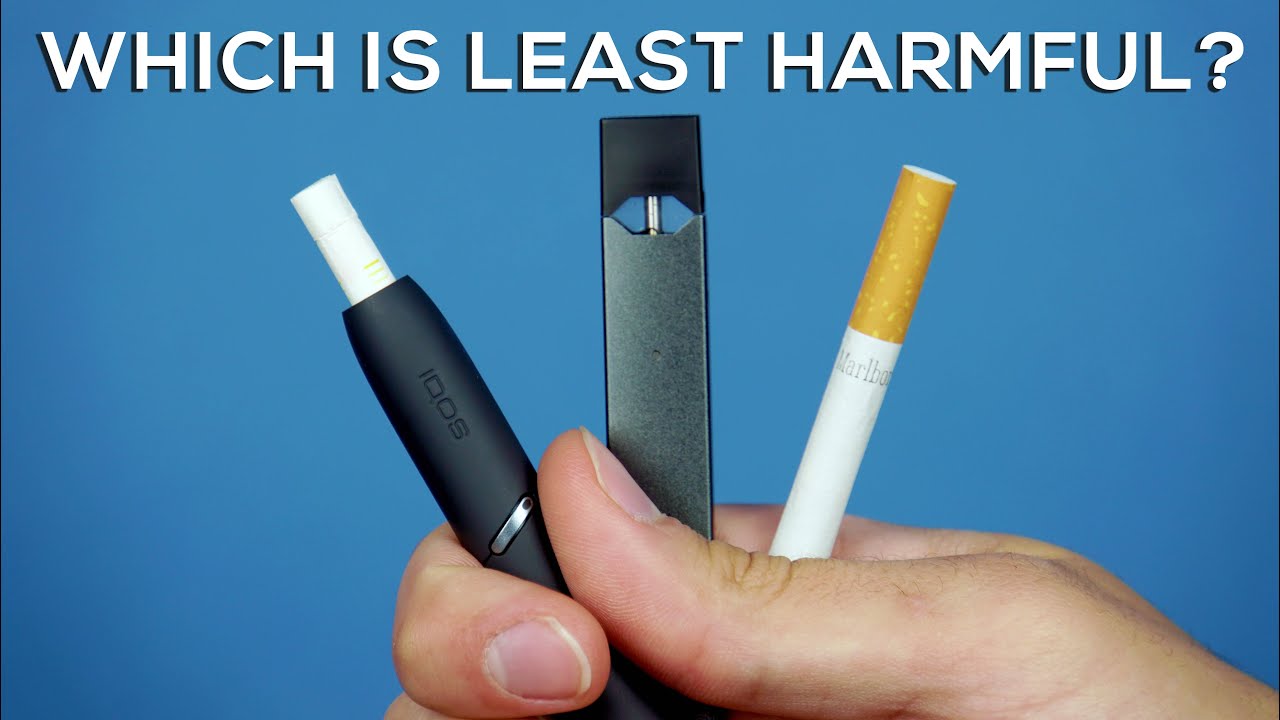
Step-by-step method
- Divide mg/ml by puffs per mL (use ~200) to get nicotine available per puff.
- Compare that per-puff figure to the 1–2 mg absorbed per smoked unit to estimate puffs needed.
- Apply a safety factor: assume lower absorption from aerosol; reassess after 10–15 minutes.
Worked examples
Examples: using ~200 puffs/mL and targeting ~1 mg absorbed:
- 3 mg/ml ≈ 0.015 mg per puff → ~67 puffs
- 6 mg/ml ≈ 0.030 mg per puff → ~34 puffs
- 12 mg/ml ≈ 0.060 mg per puff → ~17 puffs
- 18–20 mg/ml ≈ 0.09–0.10 mg per puff → ~11–10 puffs
- 50 mg/ml ≈ 0.25 mg per puff → ~4 puffs
Nicotine salts vs freebase
Nicotine salts often feel smoother and can be absorbed faster than freebase. That increases perceived delivery and raises overuse risk at high strengths.
“Estimate conservatively and pause after a few inhalations; physiological effects can lag behind behavior.”
| Metric | Calculation | Practical note |
|---|---|---|
| Per-puff nicotine | (mg/ml) ÷ 200 | Shows available nicotine before absorption loss |
| Puffs per smoked unit | (1 mg absorbed) ÷ (per-puff mg) | Translates concentration to behavioral guidance |
| Pack equivalent (nicotine) | 20 cigarettes × 1–2 mg = 20–40 mg absorbed | Different from puff-count equivalents (200–300 puffs ≈ one pack) |
For a deeper ratio model and worked scenarios, consult this vape-to-cigarette ratio resource.
Why vape-to-cigarette equivalence varies by device, liquid, and user behavior
Device design, liquid formula, and user routines together determine nicotine exposure more than any single metric. These factors change aerosol volume, throat feel, and actual delivery per inhalation.
Device power and efficiency
Higher-power devices and efficient coils vaporize more liquid each draw. Pod systems and many disposables aim for efficient nicotine delivery, while sub-ohm setups produce large aerosol volumes that change exposure patterns.
Inhalation style
Mouth-to-lung tends to mimic smoking cadence and gives steadier uptake. Direct-to-lung increases aerosol per puff and can raise nicotine absorbed per session.
Puff duration and frequency
Longer pulls (often 4–6 seconds) and repeated draws can multiply intake. Without a built-in end like a smoked stick, use can spread through the day and increase cumulative nicotine.
Practical tip: track milliliters used per day rather than counting puffs; mL-based tracking better reflects real intake when devices and puff lengths vary.
For device guidance on portability and consistent flavor, review the pod e‑cigarette for daily use.
What’s in the aerosol matters: nicotine, PG/VG, and diacetyl
Aerosol chemistry shapes both what users taste and what their bodies absorb. The inhaled mix influences throat feel, vapor volume, and the delivered nicotine dose.
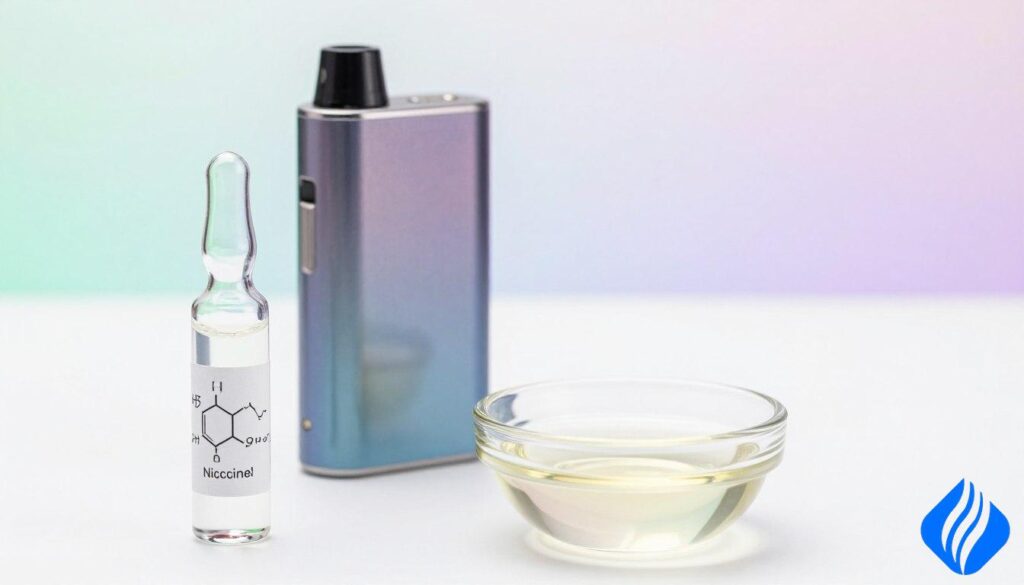
PG versus VG: sensory and delivery effects
Propylene glycol (PG) carries flavor well and creates a sharper throat sensation. That sensation can mimic smoking and influence short, frequent draws.
Vegetable glycerin (VG) is thicker and produces denser clouds. Denser aerosol can encourage longer pulls and higher total intake.
Diacetyl and related diketones
Diacetyl and similar diketones are linked to respiratory toxicity in occupational inhalation studies. For inhaled products, their presence has prompted scrutiny and safety testing.
Reduce avoidable risk by choosing liquids with verified lab reports and clear ingredient lists. Reputable manufacturers test for diketones and publish results.
Fewer chemicals than cigarettes does not mean harmless
Vapes and cigarettes differ in toxicant profiles; many combustion byproducts are lower in aerosol. Still, inhaled chemicals remain and can harm the respiratory system and other organs.
“Formulation affects both the sensory cue and the total amount nicotine a person may consume.”
- Exposure point: nicotine content drives dependence risk; PG/VG ratios shape inhalation behavior.
- Behavior link: smoother blends may enable longer sessions and raise cumulative intake.
- Quality tip: buy authentic, lab-tested products to reduce mislabeled content and contaminants.
How to switch from cigarettes to vaping without overdoing nicotine
A safe transition ties nicotine strength to daily intake and clear behavioral limits.
Match starting nicotine strength to smoking pattern. Light smokers normally use lower nicotine strengths. Heavier smokers may need higher strengths (18–50 mg/ml) initially to avoid withdrawal. Choose the lowest strength that prevents craving without prompting constant draws.
Set a measurable daily target
Track mL per day rather than guessing puffs. High-puff devices remove natural stopping cues and can hide intake. A daily mL or puffs cap prevents creeping nicotine intake.
Watch the first 24–72 hours
The first 24–72 hours are a critical window. Users calibrate cravings then and can chain-use to chase relief. Pause, reassess strength, and reduce session length if consumption climbs.
Signs of excess nicotine and immediate steps
- Nausea, dizziness, headache, palpitations—stop vaping immediately.
- Hydrate, move to fresh air, rest, and avoid more nicotine.
- If symptoms persist or include chest pain, fainting, or severe vomiting, seek medical care.
Quality assurance and safer purchasing
Buy from reputable retailers and verify authenticity codes. Avoid unusually cheap disposables; counterfeits often mislabel nicotine strength and output. Reliable devices give more predictable nicotine intake.
Practical note: per 2026 TSA guidance, carry devices and spare lithium batteries in carry-on; liquids follow 3-1-1 limits. Many venues such as Disney allow use only in designated areas—compliance avoids confiscation and unplanned nicotine disruption.
Brand authenticity (safety-focused): widely vetted options like Geek Bar and Raz are often chosen for consistent manufacturing and traceable packaging.
| User profile | Suggested starting strength | Daily tracking metric | Risk control |
|---|---|---|---|
| Light smoker | 3–6 mg/ml | mL/day or 50–100 puffs | Lower strengths, short sessions |
| Moderate smoker | 6–12 mg/ml | mL/day or 30–60 puffs | Monitor symptoms, pause during first 72 hours |
| Heavy smoker | 18–50 mg/ml | mL/day; conservative puff cap | Prefer trusted devices; reassess after 48–72 hours |
For practical puff guidance, consult this concise puff comparison guide.
Conclusion
Note, the safest practical takeaway: use 10–15 puffs as an orientation point but prioritize nicotine dose and delivery when planning a switch.
Vape devices and liquids change aerosol volume and absorption, so identical puff counts can yield different nicotine intake. High-strength nicotine salts may approach cigarette-like delivery and raise overdose risk with many puffs.
Use the quick reference table and track mL per day rather than relying solely on counts. Adjust based on symptoms: dizziness, nausea, or palpitations signal you should stop and reassess.
Quality assurance: buy authentic, lab-tested products from reputable sources. Counterfeit disposables add unpredictability and increase health implications.
Medical disclaimer: This article provides general information and not medical advice. For personalized care, consult a licensed clinician.
 English
  German
  Dutch
Dutch  Danish
  Czech
Czech  Italian
  Slovenian
  French
  Hungarian
  Spanish
  Polish