

how to make circles with vape is a repeatable skill grounded in airflow, coil choice, and steady breath control. We start with a clear fact: Dual mesh coils and stable power output produce thicker rings that hold shape longer.
We write this article for adult vapers (21+) in the United States. Our goal is practical. We set expectations for time and practice needed to get consistent rings.
In short, we will cover ring technique, gear specs (mAh, ml, nic%, coil, USB‑C), and a hands-on test after 5000 puffs. We will compare puffs per dollar and flavor consistency across brands. We will note Sokvape supply reliability and cost-saving logic for bulk buyers.
Practice tips include: form an “O” mouth shape, use gentle throat pops, and avoid strong outward blows. High‑VG liquids and steady vapor output make rings clearer. Hydration and moderate sessions reduce throat irritation from nicotine.
Key Takeaways
- We teach repeatable ring techniques and a realistic learning timeline for beginners.
- Gear matters: airflow, mesh vs dual mesh coils, and power stability shape results.
- Hands-on testing (5000 puffs) assesses throat hit, vapor production, and flavor fade.
- We evaluate cost efficiency using puffs per dollar and flavor consistency.
- Practice in wind-free indoor spaces and prioritize safety and hydration.
What vape circles are and why smoke rings work
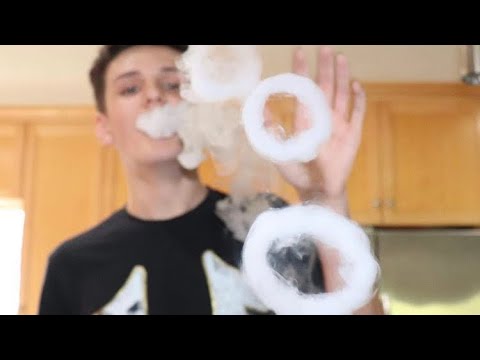
We explain the core physics behind visible smoke rings. The phenomenon is a rotating loop of vapor that holds form when flow at its boundary stays smooth.
Vapor vortex basics
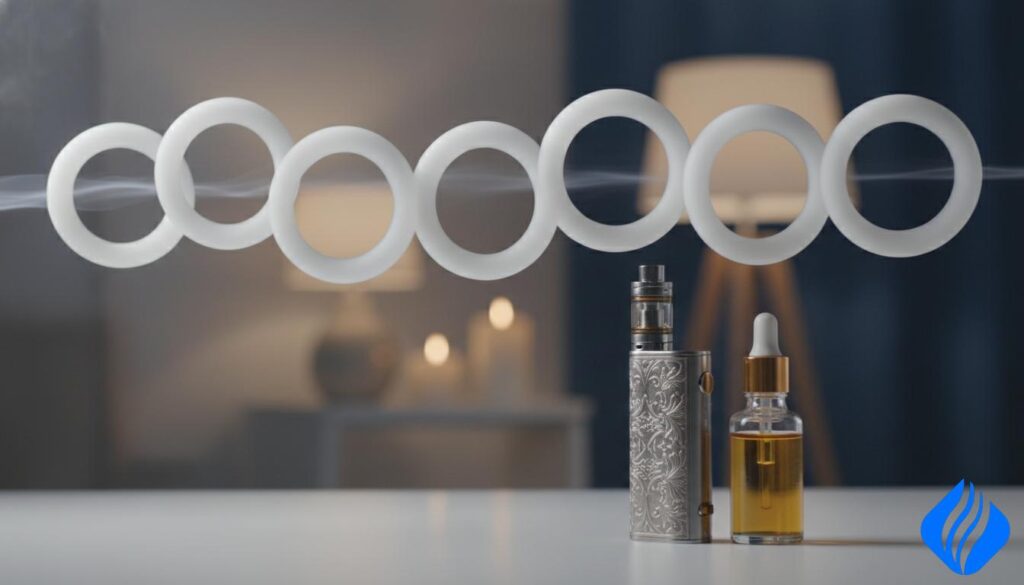
Vapor vortices are donut-shaped flows. A short pressure pulse from the throat creates a spinning boundary. That rotation locks the vapor into a coherent ring. Sufficient vapor density and a sharp edge keep the ring tight.
Best practice environment for US homes
Indoor practice works best. Turn off ceiling fans and HVAC. Close windows to reduce drafts.
- Short bursts: produce vortices. Long hard exhales cause turbulence and break rings.
- Stable air: lets rings travel farther and hang longer; unstable air fragments them into clouds.
- Setup: small room, fan off, posture steady, exhale lane about 2–4 feet ahead.
| Condition | Effect on rings | Practical step |
|---|---|---|
| Calm indoor air | Rings travel farther, hold shape | Turn off fans and vents |
| HVAC draft | Shear distorts ring edge | Close vents; pick another room |
| Outdoor wind | Immediate breakup of movement | Practice indoors only |
Gear and e-liquid setup for thick, ring-ready clouds
A practical gear checklist helps produce thick, stable clouds that hold shape during practice.
High-VG e-liquid increases vapor density and softens throat feel. Aim for a baseline of 70/30 VG/PG. Higher VG (70–80% or even 100% in some rebuild setups) gives denser vapor and sharper ring edges when wicking keeps up. Lower nicotine reduces coughs and makes timing drills smoother.
Airflow and drip tip matter. Open airflow raises volume but can reduce control. Slightly tightened airflow often gives steadier rings for beginners. A wider bore drip tip boosts cloud output and helps form a consistent lip seal.
Coil and power basics: sub-ohm coils in the 0.4–0.6Ω range produce more vapor. Adequate wattage yields warmer, thicker vapor that is easier to shape. Stay within device limits and monitor heat to avoid dry hits.
- Posture: upright head and neck for repeatable throat pulses.
- Disposable note: since most disposables lock coil and wattage, later sections tie specs (mAh/ml/nic%/coil/USB‑C) to ring performance.
How to make circles with vape using the classic “O + throat pop” method
We divide the classic move into four variables: where vapor sits, lip geometry, glottis pulse, and timing cadence. Train each variable separately to isolate effects.
Inhale and throat placement
Take a dense pull and keep vapor in the throat and mouth area rather than deep lung draw. Throat-held vapor exits denser and is easier to shape.
Lip shape and tongue position
Form a relaxed forward O. The lips must be soft; tension makes edges wobble.
Place the tongue slightly back and low. This keeps the airway open and reduces turbulence at the exit.
Glottis pulse and burst control
Use a brief glottal contraction — a tiny internal pop — to push a short, measured burst. Aim to push small amount of air rather than a long exhale.
Do not blow hard. Excess lung pressure fragments the ring and creates irregular shapes when blowing smoke rings.
Beginner timing drills
- Mirror work — 5 minutes of holding the O and steady mouth posture.
- Single-burst attempts — 10 minutes, one pulse every 10–15 seconds. Rest between reps.
- Progression rule — change only one variable per session (lip opening OR burst force OR inhale volume).
| Variable | What to control | Beginner target |
|---|---|---|
| Throat placement | Keep vapor in mouth/throat | Dense oral pull; no deep lung inhale |
| Lip geometry | Relaxed forward O | Small steady opening, avoid tension |
| Glottis pulse | Short, soft burst | Quiet pop; same size each rep |
| Timing | Cadence and rest | One pulse every 10–15s; 10–15 reps/session |
For supplemental drills and visual cues, we link a focused guide on ghost vape technique that complements throat control practice.
Beginner-friendly ring methods that feel easier than throat pops
Short, repeatable pulses can teach lip stability before glottis control becomes consistent.
Load a modest amount of vapor into the mouth and hold a small O. Gently tap the cheek with the heel of the hand or finger in quick, even beats. Each tap gives a controlled pressure pulse that forms mini rings in sequence.
This trick builds timing and lip consistency without demanding perfect throat action. Expect smaller rings and shorter hang time, but steady visual feedback speeds learning.
Tongue-push method
Form a shallow U with the tongue and keep lips in the same small opening. Push small, quick forward movements of the tongue to release brief bursts. The motion sends compact rings out without a loud pop.
This technique is an alternative way to practice burst cadence. Rings will be small and travel less, yet the method reduces the urge to blow hard and breaks bad habits.
- Training value: Both tricks are legitimate drills that build muscle memory for lip stability and timing.
- Practice tip: Film in slow motion to check lip shape and pulse timing.
- Limitations: Smaller diameter, reduced hang time, and shorter travel compared with a strong glottal pop.
- Safety: If throat irritation rises, pause, hydrate, and consider lower nicotine strength.
We recommend alternating these drills with classic throat exercises once basic timing is stable. That combination shortens the learning curve while keeping practice safe and repeatable.
Advanced smoke ring control for bigger rings, faster travel, and longer hang time
At an advanced level, small mouth and jaw movements change ring rotation, speed, and stability. We focus on mechanical adjustments and visible outcomes without overpromising results.
Adding backspin with tongue and jaw movement for tighter rings
Backspin stabilizes a ring by increasing rotation at the edge. Push the tongue forward with a slight downward tilt as the ring leaves the lips.
Immediately raise the lower jaw in a quick snap. This adds spin without extra airflow and helps the ring resist breakup.
Changing ring size by adjusting lip opening and burst force
Wider lips produce larger rings. A firmer burst increases speed and thickness but can thin edges.
Change only one variable per attempt. This isolates the effect on ring size and shape.
Making rings travel farther with jaw-jut timing
For distance, time a rapid jaw jut forward at the final moment of release. That forward motion “shoots” the ring without blasting it apart.
A slight inward curl of the lips after the pulse can increase speed. Curling too early will shrink the ring; timing is critical.
Next-level tricks after rings: tornado and French inhale progressions
Progress through levels: single consistent rings → backspin rings → distance rings → target practice. Once stable, add tornados and French inhale drills.
- Sequence tip: ring forms → tongue nudges forward (angled down) → quick lower jaw lift for spin.
- Practice rule: stay indoors, no wind; short sessions and breaks for comfort.
- Safety: avoid chain attempts. More reps increase exposure; rest between sets.
Hands-on testing notes: throat hit, vapor production, and flavor after 5000 puffs
We ran controlled sessions that logged throat feel, vapor density, and flavor decay through roughly 5000 puffs. Our hands-on testing focuses on three outcomes that matter for rings: throat comfort, stable vapor output, and lasting flavor content.
Smooth vs. strong throat hit
In practice, 2% nic salt gave a smoother session and fewer interruptions. 5% produced a sharper throat sensation and more coughing for some users. Strong throat hits break timing and slow skill progress.
Vapor density and ring clarity
Devices that preserved warm, dense vapor and thick vapor across the battery life delivered the best rings and ring clarity. Inconsistent output produced alternating tight and wispy results.
Flavor consistency after long use
Sweet top notes faded first. Coil residue and slowed wicking flattened profiles near 5000 puffs. As flavor dropped, vapor density often fell too, which degraded circles and rings.
Practical tip: for a steady vaping experience, choose setups that prioritize consistent vapor output and a manageable nicotine level over maximum strength.
Disposable specs that matter for ring practice (and where to browse)
When evaluating disposables for ring practice, focus on specs that affect output consistency and throat comfort. We want repeatable vapor, steady power, and manageable throat hit so training stays productive.
- Battery capacity (mAh) — higher mAh and USB‑C recharge support keep output steady.
- E-liquid volume (ml) — larger ml means more practice without flavor fade.
- Nicotine strength — compare 2% vs 5% nic salt for throat comfort and session length.
- Coil type — mesh vs dual mesh affects vapor uniformity and cloud consistency.
- Airflow design — predictable resistance helps form reliable rings and smooth clouds.
Where we suggest browsing
For consistent listings, check the Disposable Vapes section on Sokvape and current deals in Hot Sale. Brand shortcuts like RandM and Bang often highlight cloud‑focused families and clear spec sheets.
| Spec | Why it matters | Practical note |
|---|---|---|
| mAh / USB‑C | Stable output | Prefer recharge for long practice |
| ml | Longer sessions | Large ml avoids early flavor drop |
| 2% vs 5% nic | Throat hit control | 2% often better for steady drills |
| Mesh / dual mesh coil | Vapor uniformity | Dual mesh can give steadier clouds |
Next step: capture these specs and we will run the value math for puffs per dollar and flavor consistency in the comparison section.
Product comparison for ring practice: puffs per dollar and flavor consistency
For serious ring training, reliable vapor and honest pricing beat flashy spec sheets. We set RandM as our main pick based on listings that emphasize mesh or dual mesh coils, USB‑C recharge, and steady output.
Below we compare core specs that affect rings: battery capacity (mAh), e-liquid volume (ml), nicotine options (2% / 5%), and coil type (mesh coil or Dual mesh).
Main pick vs Geek Bar: coil style, throat hit, and ring stability
RandM (main pick) uses mesh or dual mesh for uniform vapor. Geek Bar often uses single mesh and higher nicotine options that increase throat hit.
Result: RandM keeps rings tighter across a charge cycle. For a focused Geek Bar overview, see our Geek Bar review.
Main pick vs Lost Mary: airflow behavior and flavor consistency
Lost Mary designs tend toward more open airflow. That yields bigger clouds but can reduce control for precise rings.
Flavor consistency favors the RandM in long sessions. When top notes fade, vapor density drops and rings lose shape.
Main pick vs Raz: vapor output consistency and value math
Raz often advertises high puff counts. In practice, RandM’s steady vapor output delivers more usable puffs for ring drills.
We stress value over raw numbers: consistent vapor beats a high advertised count that fades early.
How to estimate “puffs per dollar”
Formula: (Advertised puff count) ÷ (Price in USD) = estimated puffs per dollar.
Reality check: Puff length and flavor fade change usable puffs. For ring practice we prioritize consistent vapor and manageable nicotine over peak puffs per dollar.
| Model | mAh | ml | Nicotine | Coil | USB‑C |
|---|---|---|---|---|---|
| RandM (main pick) | Varies (higher) | Large | 2% / 5% | Mesh / Dual mesh | Yes |
| Geek Bar | Medium | Medium | 2% / 5% | Mesh | No / Some models Yes |
| Lost Mary | Medium | Medium | 2% / 5% | Mesh | Some models |
“Consistent vapor output improves ring stability; nicotine strength alters throat feel.”
Conclusion
This conclusion ties technique, gear, and testing data into a concise training plan for repeatable rings.
Summary: Keep a stable O of the lips, hold dense vapor in the mouth and throat, and use short controlled glottal pulses. Practice indoors in calm air. Start with cheek‑tap or tongue push drills, then progress to throat pops and backspin for distance.
Gear matters more than raw puff claims. Prioritize high‑VG e‑liquid, steady output, and predictable airflow. Our testing favored smoother nicotine levels (often 2% vs 5%) for longer practice and clearer clouds.
Shop smart: log specs (mAh / ml / nic% / mesh vs dual mesh / USB‑C) and compare puffs per dollar and flavor consistency. Browse Disposable Vapes, Hot Sale, RandM, and Bang.
User FAQ
How to know if it’s empty? Thin vapor, muted or burnt taste, blinking device, or no visible output. Stop use if burnt taste appears.
How to recharge safely? Use the correct USB‑C cable/port if supported. Charge on a stable surface. Avoid damaged cables, overnight charging, and overheating.
Is it authentic? Check the QR code/authentication label on packaging and verify via the brand flow (verify at sokvape.com or scanning the code).
Nicotine warning: Nicotine is an addictive chemical. Products containing nicotine are intended for adults 21+. Avoid use if pregnant or nursing. Keep products away from children and pets.
 English
  German
  Dutch
Dutch  Danish
  Czech
Czech  Italian
  Slovenian
  French
  Hungarian
  Spanish
  Polish