

Fact: Modern Dual Mesh Coils and smart-screen controls have cut flavor loss and extended coil life, yet a dry, acrid hit still signals a common fault. For users asking how to make your vape not taste burnt, we offer a clear, technical guide for adult vapers (21+) in the United States.
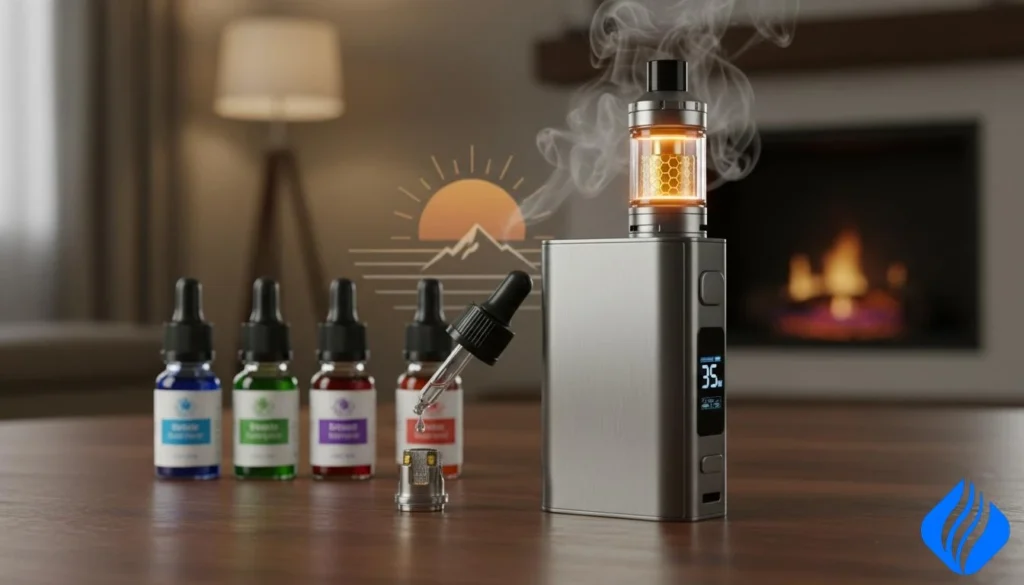
We explain the usual reasons for a burnt taste: the coil heating the cotton wick rather than e-liquid. First, we fix technique and liquid-level issues. Then we cover coil care, e-liquid matching, and when to stop troubleshooting and replace parts.
Expect practical fixes like letting e-liquid soak 5–10 minutes, topping up, lowering wattage, and priming coils. We preview hands-on tests (puffs, battery mAh, e-liquid ml, nic salt percentages, mesh vs dual mesh, USB‑C) and shopper comparisons for puffs per dollar.
Visit our repair guide for stepwise diagnostics and the QR-code authenticity check from sokvape.com.
Key Takeaways
- Dry, acrid hit means the wick is undersaturated; stop use and diagnose.
- Let liquid soak 5–10 minutes; take a few unpowered pulls before firing.
- Start at low wattage, ramp up slowly within the coil’s range.
- High-VG liquids and mesh coils need longer priming.
- If flavor remains harsh after basic steps, replace the coil or device.
- We will include puff-count testing and puffs-per-dollar comparisons later.
Why your vape tastes burnt and what’s actually burning
A sharp, chemical hit usually signals that the wick is being scorched rather than vaporizing liquid. The atomizer relies on three parts: the coil heats, the cotton wick feeds, and the e-liquid cools and flavors the vapor. Remove adequate liquid and the coil vaporizes wick fibers.
Dry hits occur when capillary action fails. The coil temperature spikes and scorches the wick. That produces the classic burnt sensation.
- Tanks: run below wick ports and leave the cotton exposed.
- Pods: can hide dry corners even when they look partly full.
- Disposables: may fail to re-wet fast enough under heavy use.
Chain vaping compounds the problem. Rapid pulls stop re-saturation; pause ~15 seconds between hits to let liquid travel back into the wick. Extreme heat thins juice and causes uneven soaking. Cold thickens juice and slows wicking.
Diagnostic cues help. A burnt taste only during fast use points to overheating. A burnt taste at low levels points to starvation. If the first puff is already charred, poor saturation or a defect is likely. Once cotton is truly scorched, replacement of the coil, pod, or disposable is usually required. Learn more about why a vape tastes burnt.
how to make your vape not taste burnt with quick fixes you can do right now
Small fixes often stop a harsh, acrid hit fast. We list clear steps that work for tanks, pods, and disposables. Follow them in order and check results after each action.
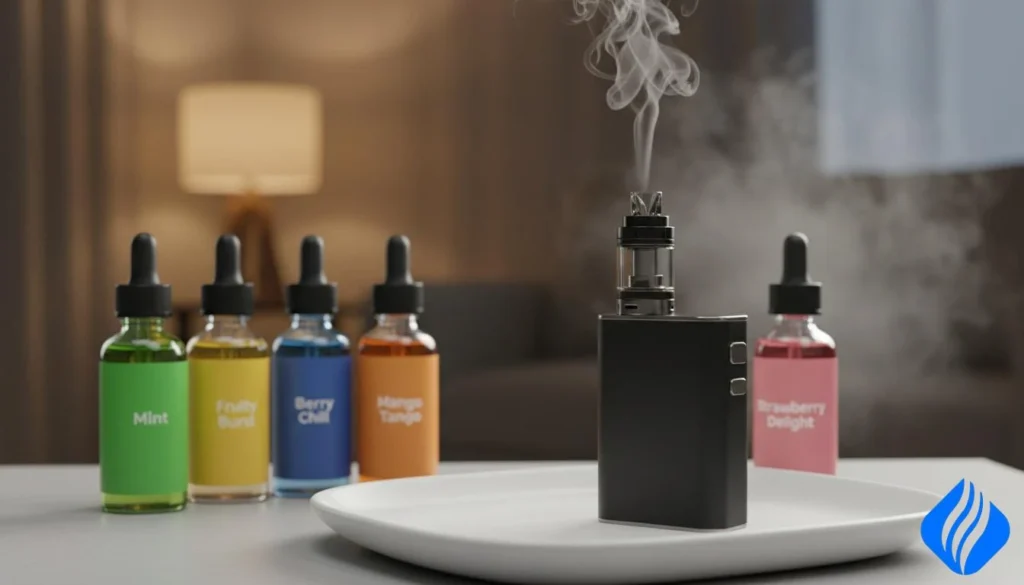
Let the liquid soak: the 5–10 minute rule
After a refill or coil swap, wait 5–10 minutes. Give the cotton time to saturate. For high-VG juice, allow the full ten minutes.
Shorter puffs and a pause
Take gentler draws. Pause at least ~15 seconds between hits so the wick can re-wet. This reduces chain heating and lowers the chance of a burnt hit.
Top off and respect wattage
Refill before wick ports are exposed. Check the coil’s printed range and lower the wattage or power if flavor turns dry. As a guideline: >1.0Ω ≈ 10–16W;
Clean mouthpiece and airflow
Clear residue from the tip and airflow path. Blocked channels amplify harsh notes and make juice taste off.
- Rapid checklist: check level, slow cadence, lower power, then replace if harshness persists.
Coil and wick care that prevents burnt taste long-term
A simple maintenance habit will save coil life and stop scorch problems before they start. We focus on repeatable steps that fit tanks, pods, and kits.
When to replace coils: typical lifespan and warning signs
Life expectancy for many users is ~1–2 weeks, sometimes up to a month depending on use and liquid. Watch for these end-of-life cues:
- Persistent acrid hit even at correct power.
- Muted flavor and darker e-liquid.
- Reduced vapor and a harsher throat feel.
How to prime a new coil properly
Prime every new coil before firing. Add a few drops into the center and one drop on each visible wicking port.
Assemble the tank or pod, fill to the proper level, then take a few gentle pulls without power until the cotton draws liquid. Wait 5–10 minutes for full saturation.
Choosing resistance and wattage discipline
Match resistance to your draw style. Higher-ohm coils suit MTL (tighter, lower power). Sub-ohm suits DTL (airier, higher power) and needs faster wicking.
Always start at the low end of the recommended wattage and step up slowly. Higher ohms reach vaporization with less power; excessive wattage scorches cotton.
Practical reset habits
When swapping coils we recommend this routine: prime, fill, wait, then begin at the lowest listed wattage. Confirm device compatibility—wrong coils in the wrong kit force poor wicking and repeat problems.
E-liquid choices that protect flavor and stop burnt hits
Liquid viscosity and nicotine form determine whether a coil stays fed or runs dry. Pick a juice that matches your device’s wicking ports and power range. Small-port pods need thinner blends. Sub-ohm kits thrive on thicker, high-VG vape juice.

VG/PG basics and failure modes
VG = thicker, more vapor, smoother feel. PG = thinner, better flavor carry, sharper throat hit. Thicker liquid moves slower through small wicks.
- Too thick: small ports can’t feed fast enough; the coil runs dry and scorches the wick.
- Too thin: can flood low-resistance coils or vaporize too fast at high power, creating a harsh, hot draw.
Match liquid to device and nicotine expectations
Pods and many disposable vape models prefer 50/50 blends and nicotine salts for steady feeding and mild throat. Sub‑ohm tanks need higher VG for consistent vapor at elevated wattage.
In the United States, common disposable nicotine options are 2% (20 mg/mL) or 5% (50 mg/mL) nic salt. Choose strength by tolerance and usage frequency. A stronger nicotine level raises throat impact and can feel harsher if coil heat is high.
Prevention rule: when you change juice ratio or nicotine form, reset power lower and slow your puff cadence. That helps the wick resaturate and preserves clean flavor.
Disposable vape troubleshooting plus hands-on testing insights
B A quick shift in flavor and vapor can reveal whether a unit is starving or simply overheating.
How to tell it’s empty without an FAQ: a sharp flavor drop, thinner vapor, and a persistent harsh edge even with gentle pulls are reliable signs. If a short rest briefly improves flavor, the device is likely overheating or under-wicking. If harshness persists, the unit is near-empty or the wick is damaged.
Hands-on testing notes
Early puffs are fuller with crisp flavor. After ~5000 puffs many disposables show slower re-saturation and more frequent dry hits.
Throat hit varies by nicotine level and coil heat. Higher output or stronger salt can feel scratchy when saturation lags. Vapor production falls as liquid falls and residue builds.
Rechargeable disposables and USB‑C safety
Use a standard USB power source. Avoid fast‑charge bricks unless manufacturer approval exists. Do not charge unattended and stop if the device becomes hot.
Revive techniques that sometimes help
- Rest upright for several minutes.
- Take smaller puffs and pause between hits.
- Gently tilt or rotate to redistribute liquid.
- Clean the mouthpiece to restore airflow.
| Symptom | Likely cause | Quick check |
|---|---|---|
| Brief improvement after rest | Overheating / under-wicking | Pause 30–60 sec, take gentle draws |
| Persistent harsh edge | Near-empty or wick damage | Try revive steps; replace if unchanged |
| Thin vapor, muted flavor | Depleted liquid / residue | Note puff length; compare earlier performance |
Product spec spotlight and comparisons for puffs per dollar and flavor consistency
Practical numbers—battery, ml, coil type—predict real-world puff performance better than marketing claims.
Before buying, check these non-negotiable specs on the product page: battery capacity (mAh), e-liquid volume (ml), coil type (Mesh vs Dual Mesh), nicotine strength (2% or 5% nic salt), and whether it includes USB‑C.
Main comparison and puffs per dollar method
We calculate baseline puffs per dollar as (advertised puffs ÷ price). Adjust downward for long draws. This gives a fairer view when comparing the main product with Geek Bar, Lost Mary, and Raz.
“Match battery mAh and ml. If power outstrips wicking, flavor falls late-life.”
| Product | Battery (mAh) | E-liquid (ml) | Coil | Advertised puffs |
|---|---|---|---|---|
| Main product (check page) | 1000 | 20 | Dual Mesh | 8000 |
| Geek Bar | 650 | 16 | Mesh | 6000 |
| Lost Mary | 900 | 18 | Dual Mesh | 7000 |
| Raz | 700 | 15 | Mesh | 5000 |
Flavor consistency: mesh and dual mesh coils hold steady heat and often sustain taste later into life. Still, low liquid level or weak mAh causes dry, sharp notes.
For shopping, see Disposable Vapes, Hot Sale, and quick replacement pages RandM and Bang.
Always verify the package QR code and check it on sokvape.com before use. For extra buyer reviews consult our testing page at device reviews.
Conclusion</H2:
A clear end‑point: most harsh hits trace back to a simple diagnostic chain. Check saturation first, then heat, liquid match, and coil life. This order solves most cases of a burnt taste.
Quick recap: let a new fill soak 5–10 minutes, pause ~15 seconds between pulls, keep the tank or pod topped up, and stay inside the coil’s recommended wattage. Replace worn coils—often every 1–2 weeks—if problems persist.
User FAQ (short answers):
How to know if it’s empty? Flavor drops, vapor weakens, and a persistent harsh edge stays after gentle puffs; resting won’t help when the wick is damaged.
Recharge safely? Only recharge designed devices. Use a standard USB power source and the supplied/known-good USB‑C cable. Avoid unsupported fast chargers and never charge unattended.
Is it authentic? Scan the package QR code and verify it on sokvape.com. For more detail see our note on why a vape tastes burnt.
For replacements and responsible purchases, visit disposable vapes and hot sale collections. Nicotine warning: This product contains nicotine. Nicotine is an addictive chemical. For adults 21+ only.
 English
  German
  Dutch
Dutch  Danish
  Czech
Czech  Italian
  Slovenian
  French
  Hungarian
  Spanish
  Polish