

Direct answer: We will walk you through the safe, step‑by‑step process for connecting a compatible battery, powering it correctly, and taking a calm, effective first draw.
As the experts at SokVape who have tested hundreds of devices, we know new users face common frustrations. Coughing, confusing buttons, and leaks waste time and ruin flavor.
Our approach is clear and safety‑first. We explain device types, charging, breath technique, and basic troubleshooting. Expect notes on MTL versus DTL depth and guidance for nicotine and cannabis oils.
What we promise: fewer clogs, less harsh hits, more consistent dosing, and better flavor over time. We speak plainly, with tested best practices and battery health tips.
Key Takeaways
- We provide step‑by‑step setup and first‑pull guidance.
- Safety and battery care are central to our advice.
- Start slow; carts can feel stronger than flower.
- We cover device types and basic troubleshooting.
- Follow these steps for better flavor and dose control.
Quick answer: how to use a vape cartridge safely and correctly
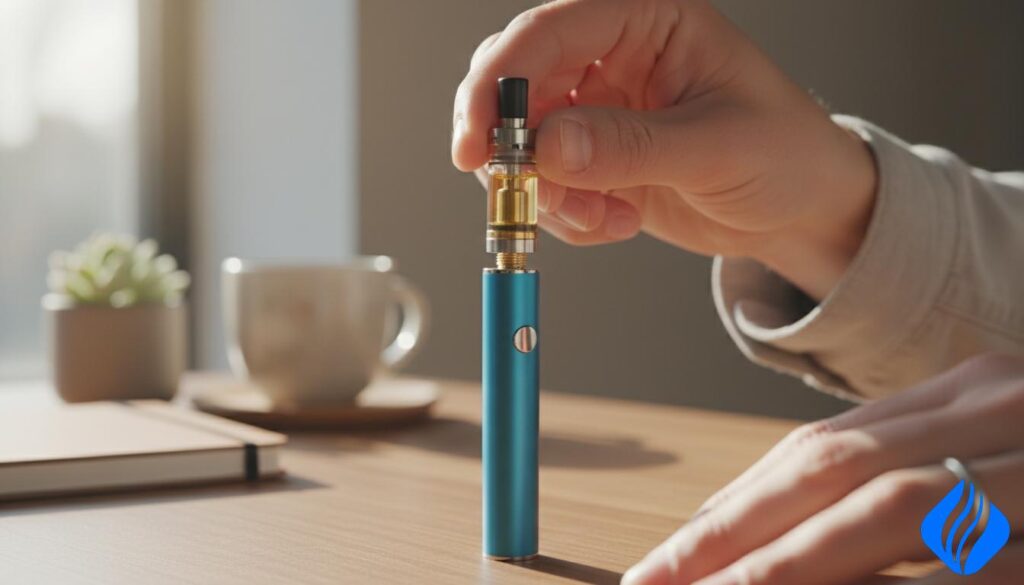
This quick primer gets you set up and drawing with confidence and safety. Charge the battery fully, screw the cart on until snug (don’t over‑tighten), then power the device and take a gentle, slow inhale.
Start with 1–2 short pulls. Wait between draws to gauge effects. If hits feel harsh, lower the voltage. If vapor is weak, raise power slightly.
Micro safety note: avoid long pulls, don’t chain‑hit, and stop if the oil tastes burnt.
Activation styles: draw‑activated fires when you inhale. Button‑activated needs you to press while drawing. This applies across most vape carts and disposable pens.
- Checklist: battery charged
- cart seated snugly
- airflow clear
- voltage set low‑to‑mid for first pulls
| Step | Action | Why |
|---|---|---|
| 1 | Charge battery | Prevents weak hits and device faults |
| 2 | Attach cart snugly | Reduces leaks and poor contact |
| 3 | Power on / inhale gently | Protects flavor and prevents clogs |
| 4 | Adjust voltage | Balance flavor vs vapor and avoid burning |
Know your cart and battery before you start
Before powering up, identify the parts in your hand so setup is simple and safe.
We help you spot which of three common types you have in under a minute. Is it a 510-thread unit, an all-in-one disposable, or a closed-system pod? Each requires a different setup and troubleshooting path.
510-thread units: the common standard
The 510 thread is the universal screw connection used by many dispensaries. That thread makes these cartridges broadly compatible with most pens and third‑party batteries. If you see metal threads at the base, you likely have a 510 model.
All-in-one disposables
Disposables are single pieces. There’s no separate cartridge to attach. Most are draw‑activated, rechargeable or not, and get discarded or recycled when empty.
Closed-system pods and activation styles
Closed systems like PAX Era and Rove require brand-specific batteries. They trade cross-compatibility for features such as tighter temp control.
Airflow matters: holes near the top can need button-activated batteries, while bottom-airflow designs usually work with both button and draw sensors.
- Before you buy: confirm connection type, activation method, and whether your dispensary stocks matching refills.
Set up your vape pen and cartridge for first use
Start by preparing your pen and cart with simple checks that prevent leaks and faulty connections.
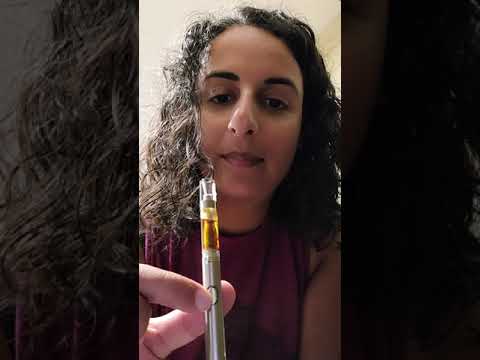
- Charge the battery with a reputable USB source. Watch indicator lights and unplug when full.
- Inspect the cartridge and keep it upright. Confirm the mouthpiece sits straight and oil hasn’t leaked.
- Attach the cart to the 510 thread until finger-tight. Don’t over-tighten; protect pins and airflow.
- Power on if needed: press 5 times quickly on most button devices.
- Start low on adjustable settings for the first pulls to safeguard flavor and avoid harsh hits.
Quick brand controls and firing tips
Raz: Press 5 times to power on/off. Press and hold while inhaling on button-fired models.
Off Stamp: Press 5 times to power on/off. Press and hold to fire; step settings up slowly.
Foger: Press 5 times to power on/off. Press and hold to fire; keep the mouthpiece clean.
First pull and power adjustments
Place lips lightly on the mouthpiece and take a gentle 1–3 second draw. Pause between pulls and assess effects.
If flavor is muted or tastes burnt, lower the voltage. If vapor is thin, raise power in small steps. Avoid chain-hits.
“Protect the connection and start gentle — it keeps hits consistent and reduces leaks.”
How to inhale: MTL vs DTL vaping styles
Picking an inhale style shapes flavor, throat feel, and overall comfort on every draw. We outline the two main ways so you can pick the best fit for your pen and oil.
What MTL (Mouth-to-Lung) feels like
MTL is a tighter draw. Draw into the mouth first, then inhale into the lungs. It is smoother for beginners and suits higher-potency oils. Cooler, slower pulls help keep terpenes bright and reduce coughing.
What DTL (Direct-to-Lung) feels like
DTL is an open, lung-first inhale. It produces higher vapor density and bigger clouds. If voltage is high or airflow is wide, DTL can feel harsh on carts and cause irritation.
Comparison
| Style | Airflow | Vapor density | Throat hit | Ideal voltage |
|---|---|---|---|---|
| MTL | Restricted | Low–Moderate | Smoother | Low |
| DTL | Open | High | Stronger | Mid–High |
Airflow control tips
Slight restriction often boosts flavor but increases warmth. Too tight can clog the wick. Too open can trigger coughing or harsh effects. If you cough, switch from DTL to MTL, shorten pulls, and lower voltage.
“Start gentle and adjust; technique keeps hits consistent and preserves terpenes.”
What’s inside the cartridge: oil types, potency, and what to expect
What’s inside matters: oil type and potency shape flavor, feel, and dosing. We explain common extracts and why concentrates can deliver stronger results than plant material.
Potency and expectations
Concentrates often reach over 80% THC, while typical flower sits around ~17-18% THC. That gap means smaller doses can produce bigger effects.
Start slowly and wait between draws to gauge impact.
Distillate, live resin, live rosin
Distillate is highly refined cannabinoid oil. It gives consistent potency; terpenes are often added back for flavor.
Live resin preserves fresh plant terpenes for fuller aroma. Live rosin is solventless and prized for purity, though it can be thicker and suit lower heat.
Other common extracts
Expect formats like CO2 oil, THCa diamonds, and HTFSE. These vary in viscosity and flavor intensity and can affect clogging risk.
Nicotine note for non-cannabis oils
For nicotine products, nicotine salt feels smoother at higher strength. Freebase gives a sharper throat hit and often pairs with MTL draws.
Read packaging for cannabinoid and terpene panels, and pick oils that match your goals for flavor versus potency.
| Type | Flavor | Typical trait |
|---|---|---|
| Distillate | Neutral (added terpenes) | Consistent potency |
| Live resin | Rich terpenes | Fuller aroma |
| Live rosin | Natural terpenes | Solventless, thicker |
Filling, refilling, and storage (only if your cartridge is designed for it)
Proper refilling preserves flavor and prevents clogging. Only refill if the product is marked refillable. Single-use units can crack or leak if forced open. We recommend gentle handling and clear steps.
Fill a refillable cartridge without clogging the chimney
- Wash hands and work over a paper towel. Keep the cart upright.
- Remove or unscrew the mouthpiece per design instructions.
- Use a blunt-tip syringe. Dispense oil slowly into the side fill port, not the center chimney.
- Stop at capacity. Common sizes include 0.5 ml, 1.0 ml, and 2.0 ml.
- Re-seat the mouthpiece firmly without cross-threading.
Wait time and priming
Let the filled cart sit upright for about 30 minutes. Thick oil needs time to saturate the ceramic wick.
Start at a low voltage for the first few pulls to avoid scorching the partially primed wick.
Refillable vs single-use: when to stop
Refillable carts can be topped until flavor or vapor drops, or clogging becomes frequent. Stop refilling when quality declines.
“Refill carefully and store upright; small habits prevent most leaks.”
| Action | Why | Tip |
|---|---|---|
| Fill via side port | Prevents chimney clogs and leaks | Use blunt-tip syringe slowly |
| Wait 30 minutes | Allows oil to saturate wick | Keep upright and still |
| Store properly | Maintains oil quality and reduces leaks | Cool, dark place; detach battery |
Safety First: battery care, charging habits, and counterfeit product risks
Battery health and product authenticity keep every session safe and predictable. We prioritize simple habits that protect devices and people.
Safety First
Keep batteries cool. Avoid direct sun and hot cars. Store items upright and separate from the battery when traveling. Unplug chargers when full and don’t leave charging unattended.
Avoid overcharging and overheating
Heat stresses lithium cells and shortens life. It also degrades oil flavor and can cause harsh hits or leaks.
Unplug when full, avoid fast chargers unless specified, and don’t charge overnight.
Use original USB-C cables and trusted chargers
Use the original cable or a certified equivalent. Damaged ports and cheap adapters raise electrical risk and can harm batteries.
Buy tested products from licensed sources
The market valued at $5.9B in 2024 is growing fast, and counterfeit items appear more often as demand rises. Unregulated products may contain unknown additives.
Buy from licensed dispensaries for lab-tested cannabis products and clear batch labels.
| Risk | Why | Action |
|---|---|---|
| Overheating | Damages cells and oil | Keep cool, unplug when charged |
| Counterfeit products | Unknown ingredients, no testing | Buy from licensed dispensaries |
| Poor charging gear | Electrical faults, port damage | Use original USB-C or certified charger |
Disclaimer: For adult (21+) use only.
Why is this happening? Common vape cartridge problems and fixes
Most performance problems trace back to airflow, power, or basic cleanliness. We stay calm and walk through fixes that are safe and effective.
Coughing on first use
- Switch from DTL to MTL for a tighter, smoother draw.
- Lower voltage and keep pulls short (1–2 seconds).
- Space your draws: take one pull, wait, then reassess.
Burnt taste
- Stop pulling immediately — don’t keep hitting a burnt mouthpiece.
- Lower power and avoid long, hot inhales.
- Prime the coil: let the cart sit upright after filling so the wick soaks.
Clogging or leaking
- Use gentle draws to prevent oil from forcing into the coil assembly.
- Store upright and keep units cool to limit thinning and leaks.
- Clean the mouthpiece with a cotton swab to clear condensed oil.
Device not firing
- Charge the battery and confirm indicator lights.
- Wipe contacts and reattach the cart snug, not over-tight.
- Try the unlock pattern (press 5 times) or check your model’s click code.
Weak vapor
- Check airflow for blockages at the mouthpiece or intake holes.
- Consider oil viscosity — thick oil may need slightly higher setting; raise power gradually.
- Take steady, gentle inhales rather than long, hot pulls for better output.
Most issues are fixable with technique, power tweaks, and basic cleaning — no panic, no unsafe improvising.
Conclusion
We close with a short checklist that keeps sessions safe, consistent, and flavorful.
Pick the right type of device and confirm 510 compatibility when applicable. Charge safely, attach snug, then start low on power and take gentle pulls.
Technique matters. MTL gives a smoother experience and preserves terpenes. DTL calls for wider airflow and careful heat control to protect flavor and avoid harsh effects.
Choose oils by goal: distillate for consistent dosing, live resin or live rosin for terpene-forward flavor. Store units upright in a cool, dark place, detach batteries, and avoid heat that causes leaks.
Buy tested products from licensed dispensaries. If performance changes, consult the troubleshooting checklist. For adult (21+) use only.
 English
  German
  Dutch
Dutch  Danish
  Czech
Czech  Italian
  Slovenian
  French
  Hungarian
  Spanish
  Polish