

Direct answer: Zero vaping means taking a small puff, pulling the vapor into the lungs, holding briefly, then exhaling slowly to leave little or no visible cloud.
As the experts at SokVape who have tested hundreds of devices, we know many users face confusing buttons and coughing from big clouds. We offer a clear, safety-first guide that walks you through the basic breath-control technique.
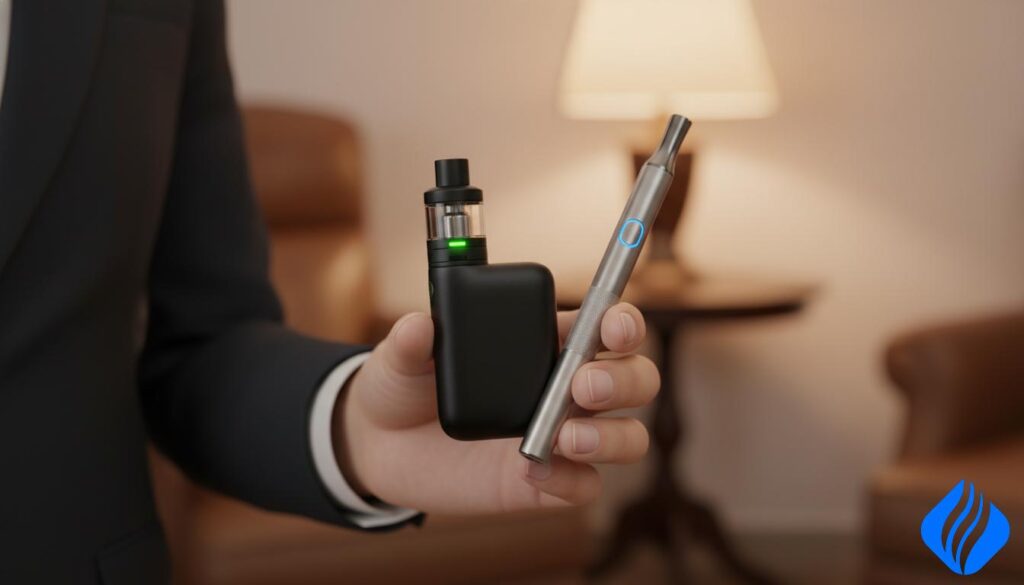
Expect modest results: “zero” usually means little to no visible exhale, not no nicotine. Results vary by device, airflow, e-liquid, and user experience. We will cover device setup, MTL vs DTL, simple breathing drills, and discreet/ stealth tips. Safety is central; dizziness and nicotine effects can occur, so we show safer practice steps and signs to stop.
Key Takeaways
- Zero vaping minimizes visible vapor through breath control and device settings.
- Small puffs, full inhale, brief hold, slow exhale are core actions.
- Device, airflow, and e-liquid affect results.
- Practice safely; watch for nicotine effects and dizziness.
- Our step-by-step tutorial includes setup, breathing methods, and troubleshooting.
What zero vaping is and how it works
Direct answer: Zero vaping is a controlled inhale–hold–exhale pattern designed to cut visible vapor on the exhale. The goal is little or no visible plume while keeping inhalation safe and steady.
Direct mini-answer for less visible exhale
The quick steps are simple: small puff → deep inhale → hold → slow exhale. This pattern increases lung absorption and gives vapor a moment to condense, so less is expelled.
Zeroing vs. ghosting vs. stealth vaping
Zeroing is the most aggressive reduction method and aims for almost no exhale. Ghosting leaves a faint wisp. Stealth vaping combines low-cloud technique with concealment tactics like hand position or directing breath; it is not a guarantee you won’t be noticed.
Why people use this method around others
Adults often use this way for discretion, privacy, and social courtesy. It reduces lingering clouds and friction with others. We do not encourage use where local rules ban vaping; always follow venue policies.
| Method | Typical Result | Key Feature |
|---|---|---|
| Zeroing | Minimal or no visible exhale | Inhale, short hold, slow exhale |
| Ghosting | Thin, wispy trail | Smaller puffs, less retention |
| Stealth vaping | Reduced attention but not invisible | Concealment + low-cloud technique |
Before you try it, set yourself up for zero vape success
We recommend starting with gear and settings that favor discretion. Small, low-watt systems give a better baseline for practice. Pick compact units that limit visible output and feel predictable.
Choose the right device and e-liquid
Compact device types such as pods and many disposable vape formats produce less vapor than cloud-focused mods. Look for a tight draw and low maximum power.
Nicotine salt blends often feel smoother at higher strengths and suit short puffs. Freebase nicotine may need lower strength or shorter inhalations to avoid harshness.
Tune airflow and power for lower vapor density
Reduce airflow slightly and cut wattage where possible. Lower heat and less air reduce vapor density and overall production.
Minimize common tells
- Cover or dim LEDs to avoid drawing attention.
- Keep hand movements compact; avoid dramatic gestures.
- Choose low-odor e-liquids and mute noisy devices.
| Factor | Stealth-Friendly Option | Effect on Vapor |
|---|---|---|
| Device type | Pod / disposable vape | Lower visible vapor |
| E-liquid | Nicotine salt, higher PG | Smoother, less cloud |
| Settings | Lower power + reduced airflow | Lower density and production |
How to zero vape with the classic breath-control method
A calm, measured breath sequence gives you a much lower-profile exhale. Below are three practical numbered guides and a timing chart you can use during practice.

Step-by-step: classic small puff, deep inhale, hold, exhale slowly
- 1) take a small puff — keep volume low so less vapor enters the mouth.
- 2) inhale deeply into the lungs — pull the vapor fully past the throat.
- 3) hold for a short moment to let particles condense.
- 4) exhale slowly with a gentle flow; avoid forceful blasts.
Why it works: small puffs cut total vapor, lung retention shrinks the plume, and a slow outflow keeps visible vapor down.
Step-by-step: the double-inhale method to push vapor into the lungs
- Take a controlled puff into the mouth.
- Quickly inhale one or two short breaths of fresh air to push the vapor into the lungs.
- hold briefly, then exhale slowly.
If vapor leaks during this move, shorten the puff and reset with normal breathing before trying again.
Step-by-step: exhale through nose vs. mouth (and when to use each)
- Nose exhale: diffuses a smaller stream; use if sinus comfort is fine.
- Mouth exhale: use pursed lips and aim slightly downward to limit visible vapor.
- Choose the way that feels natural and avoids coughing or irritation.
Timing guide: safe hold ranges in seconds
Beginners: 3–5 seconds. Intermediate: 6–10 seconds. Advanced: up to 12–15 seconds only if comfortable.
“Stop immediately if you feel dizzy, nauseous, or head-rushy.”
Practice slowly. Short, steady breaths beat long, forced hits every time.
Stealth upgrades that help you produce even less visible vapor
Small technique upgrades can cut visible clouds when classic breath control needs a boost. We offer optional, courteous moves that pair with your basic routine.
Step-by-step: the shirt trick
- Position a thin fabric or napkin over your mouth area.
- Take a small puff and draw the vapor into the mouth.
- Exhale slowly into the fabric; keep airflow gentle.
- Manage scent by not soaking clothing; swap fabric if damp.
Step-by-step: the swallow trick
- Take a small puff and hold briefly.
- Sip a small amount of water; swallow once while holding.
- Exhale through the nose in a steady, soft stream to reduce leftover vapor.
- Stop if you feel lightheaded or cough.
Environmental aids and short-puff coaching
Use a fan or open window and aim your breath into moving air. These steps speed dissipation but do not make vaping invisible.
- Take short puffs and pause between hits to avoid chain-puffs and coughing.
- Watch the nicotine amount in your liquid; short pulls can still deliver strong effects.
- Practice quietly and respect others nearby.
“Keep safety first: pace your puffs and stop if you feel dizzy.”
Device basics for disposables and pod systems
Understanding basic controls on compact units makes practicing low-profile draws much safer. We cover common behaviors, simple checks, and gentle adjustments that cut visible output while keeping safety front and center.
Power, lock modes, and draw-activated behavior
Many small devices are draw-activated (auto-fire). Others use a button. Learn which style your unit uses so you can avoid accidental activation in pockets or bags.
Lock/unlock: draw-activated units often have a short press sequence or five clicks on button models. When in doubt, consult the manual and keep the device locked when not in use.
Adjusting airflow for lower visible output
Adjustable disposables sometimes include a tiny slider or ring. Closing the airflow tightens the draw and usually reduces vapor volume.
Tighter draw + shorter puffs = easier breath control and fewer visible clouds. Open the control slowly if you need more comfort; larger openings raise output and visibility.
Quick troubleshooting checklist
- Confirm the device is charged.
- Remove any plastic airflow stickers or caps.
- Check mouthpiece and ports for lint or blockage.
- Verify it is not locked.
Practical handling tips: keep the mouthpiece clean, store units upright, and avoid loose lint near ports. Read your device manual first and stop use if something feels wrong.
Safety note: lock your device when not in use to prevent accidental firing and leaks.
Button-press quick guides for popular brands used for stealth vaping
Note: Button sequences can vary with model and year. Confirm your exact device manual before changing modes or lock states.
Raz: common click patterns and indicator meanings
- Press 5 times to power on/off (most common).
- Press 3 times to cycle modes if supported (Normal → Boost → Eco).
- Press 2 times to toggle LED effects on many units.
Typical confirmations: steady green means charged, red blink signals low battery, and quick blue flashes indicate mode change. Look for short vibration or a subtle screen icon as extra confirmation. We recommend testing with low power first when practicing stealth vaping.
Off Stamp: sequences, mode checks, and discreet firing cues
- Press 5 times to power on/off.
- Press 3 times to cycle modes (Normal / Boost).
- Short single press often fires the unit; avoid long holds that raise heat and cloud.
Confirming a successful hit: a soft LED blink, tiny screen icon, or faint coil sound usually appears. Keep presses subtle for discretion.
Foger: power cycling, preheat, and preventing accidental activation
- Press 5 times to toggle power.
- Press 3 times to switch modes where available.
- Press-and-hold for a 2–3 second preheat if the model supports it.
Lock the unit before pocketing. Cover LEDs with your hand and avoid long holds that make hotter, more visible output. These small steps help with stealth vaping and protect your products.
“Verify sequences for each model; manuals are the final authority on button behavior.”
| Brand | Common Power Sequence | Confirmation Cue |
|---|---|---|
| Raz | Press 5× on/off; 3× modes | LED color, vibration, icon |
| Off Stamp | Press 5× on/off; 3× mode cycle | LED blink, faint sound, screen icon |
| Foger | Press 5× on/off; press-and-hold preheat | LED pulse, mild vibration |
If it doesn’t fire: confirm unlocked state, check charge, ensure not in cutoff protection, and clear any airflow block. Practice button sequences quietly until you are confident.
MTL vs DTL: the inhaling style that changes your vapor output
Choosing the right inhale style changes how much visible vapor you produce.
MTL (Mouth-to-Lung) inhaling means drawing vapor into the mouth first, then moving it into the lungs. The draw is tighter. Devices with limited airflow and lower power suit this method. MTL cuts overall cloud size and helps with discreet use.
DTL (Direct-to-Lung) inhaling sends vapor straight into the lungs. It uses more airflow and deeper pulls. That raises vapor production and makes larger clouds, which is harder to hide.
Vapor density depends on coil heat, device power, VG/PG ratio, and airflow. Technique helps a lot, but high-output gear can override it. Watch your settings when aiming for lower visibility.
| Factor | MTL | DTL | Zero vaping technique |
|---|---|---|---|
| Airflow | Tight | Open | Moderate, slightly closed |
| Puff length | Short | Long | Short with brief hold |
| Vapor volume | Low | High | Low |
| Visibility for others | Low | High | Minimal |
| Best device type | Pods, compact kits | Sub-ohm mods | Low-power pods + technique |
Practical tip: start with an MTL-style short puff, then inhale, hold briefly, and exhale slowly. This way gives the lowest visible output when practicing discreet vaping.
Safety First: reduce risk while practicing zero vaping
Before practicing low-profile technique, take a few safety checks. We want your learning to be effective and low-risk. Short, clear rules protect both device and body.
Safety First: use reputable chargers, avoid overcharging, don’t charge unattended, inspect batteries and casings for damage, and use only original USB‑C cables or manufacturer-approved equivalents.
Know the side effects
Holding vapor for extra seconds can heighten perceived nicotine impact. That may cause lightheadedness or a head rush in some users.
Common signals of trouble include dizziness, nausea, headache, sweating, a racing heart, or persistent coughing. Stop immediately and return to normal breathing if you notice any of these.
Safe practice checklist
- Pause between hits; avoid chain sessions.
- Hydrate and rest if you feel off.
- Lower nicotine strength or shorten holds if symptoms recur.
We provide this as educational guidance, not medical advice. If symptoms persist, seek professional care. Laws and policies vary by place, so follow local rules.
For adult (21+) use only.
Why is this happening? Troubleshooting zero vaping problems
Minor symptoms like coughing or a burned flavor often point to simple, fixable causes. Below we list common issues and quick checks you can run in under a minute.
Coughing during first use
Likely causes: high nicotine, harsh throat hit, or too large an amount per puff.
Fast fixes: take short puffs, slow your inhale, lower nicotine strength if symptoms repeat. Pause and breathe normally if you feel dizzy.
Burnt taste
What it means: a dry or overheated coil. Stop immediately if you taste burning.
Quick steps: refill and prime coils on refillable pods, wait a minute for saturation, replace the coil if the flavor persists.
Device not firing
Check charge level, unlock sequence, and that the pod or coil is seated. Clear lint or blockage at the airflow path. Confirm the unit is not in a safety cutoff.
Still seeing a cloud
Reduce puff size and slightly increase hold time. Aim your exhale direction downward or into moving air. Small adjustments in amount and timing often cut visible output.
Practice these checks slowly. Device output and liquid limits will cap how discreet your results can be. Stop if symptoms persist and seek help if needed.
Conclusion
Conclusion
We recap the simplest, repeatable formula: smaller inputs, deeper inhales, brief holds, and a controlled exhale. This technique reduces visible vapor but results depend on device output and liquid choice.
For most people, an MTL-friendly setup, reduced airflow and lower power plus short puffs gives the best path for discreet, steady progress. Practice in a well-ventilated area and tune settings slowly.
Safety remains central. Don’t extend holds, watch for nicotine effects, and follow battery care and charging guidance. Be considerate and obey venue rules; discretion is not a substitute for compliance.
Adults only. We encourage responsible, informed choices and suggest revisiting troubleshooting if coughing, a burnt taste, or firing faults occur.
 English
  German
  Dutch
Dutch  Danish
  Czech
Czech  Italian
  Slovenian
  French
  Hungarian
  Spanish
  Polish