

Is a vape pen a felony in texas is the question many adults ask when product choice and legal risk collide.
This page is for adults 21+. Nicotine is an addictive chemical.
We define how Texans separate nicotine disposables from THC cartridges. Nicotine devices with listed specs (mAh, ml, 2%/5% nic salt, mesh/dual mesh, USB‑C) carry consumer rules. THC oil or concentrate found in a cartridge can be treated as a controlled substance and may trigger felony charges depending on amount under Texas law.
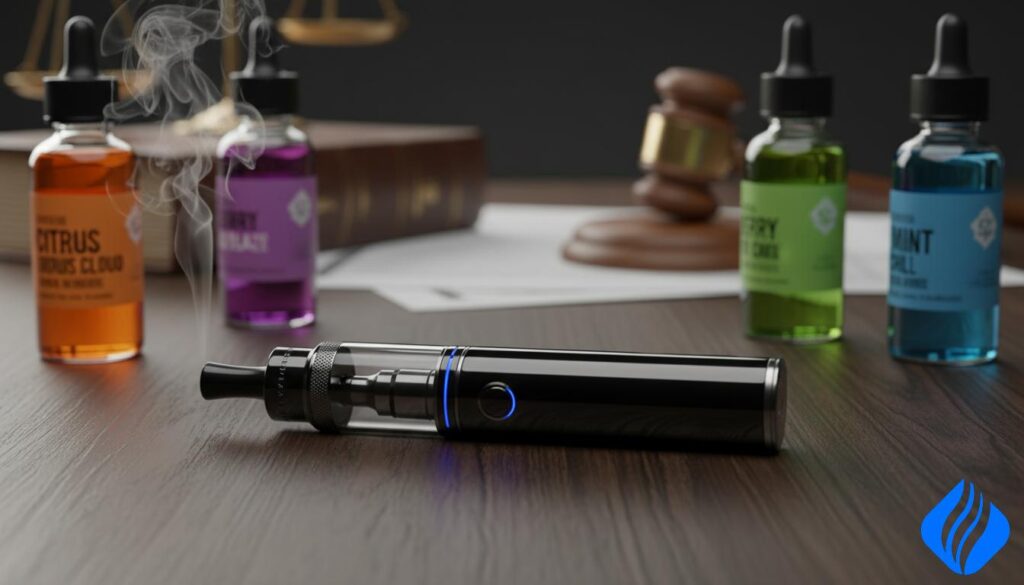
We will include hands-on testing notes and side‑by‑side comparisons to Geek Bar, Lost Mary, and Raz. Our lens: Puffs per Dollar and Flavor Consistency. We also point readers to compliance‑focused categories on https://www.sokvape.com/ such as Disposable Vapes and Hot Sale for legal nicotine product options.
Scope: Informational content only. We urge anyone facing charges to consult a qualified Texas attorney. Later sections cite the Texas Health and Safety Code and Penalty Group rules so readers understand enforcement standards.
Key Takeaways
- Nicotine disposables differ from THC cartridges; legal treatment varies.
- THC oil or concentrate found in a cartridge can lead to felony exposure under state laws.
- We test devices for puffs, battery life, and flavor consistency versus top brands.
- Adults 21+ only; nicotine carries addiction risk.
- Shop compliant nicotine products via sokvape.com Disposable Vapes and Hot Sale categories.
Texas vape pen laws in present-day enforcement: nicotine vs. THC concentrates
In practice, what sits inside a cartridge determines whether officials view an item as a consumer device or a controlled substance.
We note that “vape pen” functions as a catch-all. It can mean a refillable nicotine device, a disposable nicotine unit, or a battery for a THC cartridge. Texas enforcement focuses on the contents.
Why terms matter under law
Nicotine disposables commonly show technical baselines consumers can check:
- Battery: 650–850 mAh
- E-liquid: 12–18 ml
- Nicotine strength: 2% or 5% nic salt
- Coil: mesh or dual mesh
- Charging: USB‑C
By contrast, THC vape devices (dab pens) carry oils or concentrates. Texas treats those oils as controlled substances rather than marijuana flower. Concentrates are higher potency and often prioritized for prosecution.
Mini comparison — legal nicotine disposables
| Model | Puffs/Price (Puffs per Dollar) | Flavor Consistency (0–10) |
|---|---|---|
| Main disposable (benchmark) | 3000 puffs / $15 → 200 | 8 |
| Geek Bar | 2000 puffs / $12 → 167 | 7 |
| Lost Mary / Raz | 2500 puffs / $14 → 179 | 7.5 |
Hands-on testing of mesh-coil disposables shows smoother throat hit, steady vapor, and stable flavor through mid-life. After ~5000 puffs some profiles flatten; sweeteners fade and cooling agents can stand out.
For compliant nicotine options, browse Disposable Vapes.
Is a vape pen a felony in texas?
Legal risk turns on what fluid fills a cartridge, not on the outer shell or battery. We answer this precisely: the device rarely creates an offense. The substance inside does.
When a cartridge becomes a controlled-substance case under Texas law
THC concentrates and oils found in cartridges are treated as controlled substances under Texas Health and Safety Code 481.103. Prosecutors charge possession of a Penalty Group substance rather than simple marijuana possession.

Penalty Group 2 classification for concentrates and extracts
Extracts such as oils, resins, wax, and distillate fall under Penalty Group 2. That classification provides the statutory hook for felony charges and sentencing ranges.
Why even small amounts can trigger felony charges
Cartridge oil weighs in grams. State thresholds are low. Even tiny quantities can push a case into state jail or higher levels.
“Labeling that says ‘hemp’ does not guarantee exemption; lab results matter in criminal cases.”
Brief safety note: Don’t assume CBD or hemp labeling is accurate. Independent lab testing and chain of custody often decide courtroom outcomes.
Penalties for possession of a THC vape pen in Texas by amount
We summarize how weight determines criminal exposure. Texas law focuses on the measured grams of concentrated THC, not on how many devices appear at the scene.
- Less than 1 gram: state jail felony; 180 days to 2 years confinement; fine up to $10,000.
- 1 gram to <4 grams: third-degree offense; 2 to 10 years; fine up to $10,000.
- 4 grams to <400 grams: second-degree offense; 2 to 20 years; fine up to $10,000.
- 400 grams or more: first-degree offense; 5 to 99 years or life; fine up to $50,000.
These ranges show why the amount matters. A single cartridge can contain enough concentrate to reach higher tiers. Prosecutors rely on lab weight when advancing charges for THC possession.
Practical cautions: Evidence handling, lab methods, and chain of custody affect outcomes. Convictions carry collateral harms beyond jail time — employment, housing, and travel can be impacted. We recommend prompt legal consultation when facing possession allegations or questions about penalty exposure.
What can make a THC vape case worse: distribution, school zones, and paraphernalia
Location, quantity, and accompanying evidence can escalate a basic possession case into a far more serious matter.
Sale or distribution allegations convert routine possession into major drug charges when the state claims intent to sell. Weight often sets the felony level under the relevant penalty group rules. Multiple cartridges, bulk packaging, messages that reference transactions, or large amounts of cash are red flags prosecutors use to infer distribution.
Enhanced consequences near school grounds raise stakes further. Presence on or within school property commonly triggers statutory enhancements and makes plea negotiations harder. Courts treat location-based factors seriously when assessing sentencing exposure.
Paraphernalia and device components
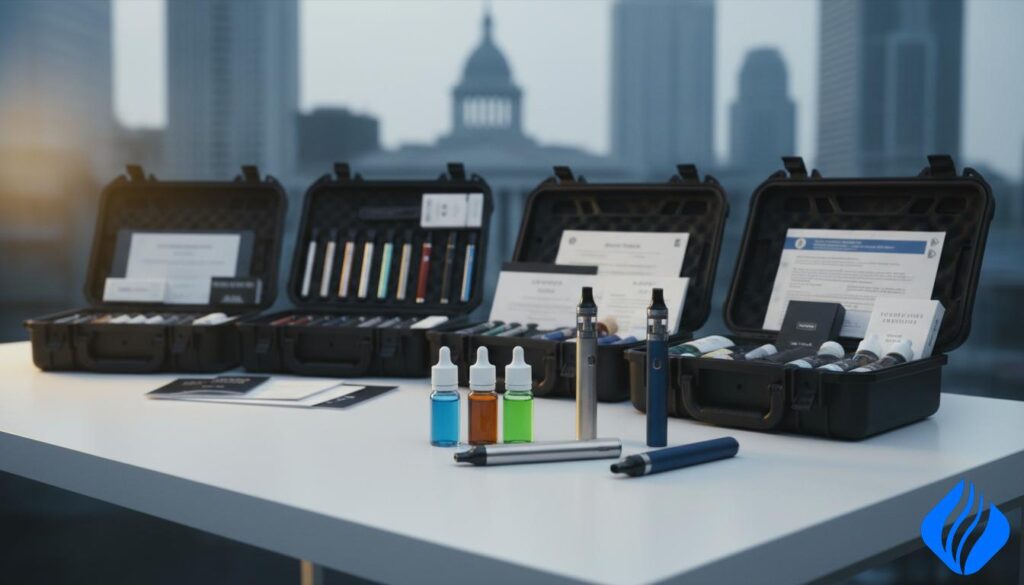
Paraphernalia charges can accompany controlled-substance counts. Prosecutors list cartridges, batteries, heating elements, and multiple pens as items used for consumption or distribution.
Paraphernalia is often a misdemeanor, but it can increase overall consequences when paired with concentrate allegations. In real cases, these charges travel together and require a coordinated criminal defense strategy.
“Document lawful ownership and purchase records whenever possible; receipts and packaging may clarify intent and product type.”
We recommend keeping proof of legal nicotine purchases to reduce confusion between lawful devices and illicit concentrates. For adults shopping compliant nicotine brands, see RandM as an example of legal options.
Immediate legal advice: If distribution or enhanced charges arise, consult an attorney or criminal defense counsel without delay. Early counsel can challenge inferences about intent, address paraphernalia counts, and protect rights during investigation.
Common defenses in a THC vape pen case under Texas law
Questions about custody, testing, and knowledge commonly shape defense strategies.
We focus on procedural, forensic, and factual lines of attack that can weaken the state’s case.
Illegal search and seizure
Defense efforts often begin by examining whether officers had lawful grounds to stop, detain, or search.
If police lacked probable cause or a proper warrant, suppressed evidence may follow.
Lack of knowledge and shared-space claims
When multiple people occupy a car or home, the state must link a person to knowing control or possession.
“Not mine” theories challenge that link and the element of awareness required under the law.
Lab testing, substance ID, and chain of custody
Chemical classification matters. Proper lab reports must show whether tested materials are illegal concentrates or lawful hemp derivatives.
Gaps in labeling, storage, or paperwork can create reasonable doubt about the integrity of the evidence.
Medical necessity limits
Texas’ Compassionate Use Program is narrow. Qualifying conditions and product rules restrict reliance on medical defense.
We stress that program approval rarely covers high‑THC cartridges without specific documentation.
“Do not rely on marketing labels; independent lab results determine legal classification.”
Rights during contact remain critical: remain silent, request counsel, and avoid consent to searches without advice.
An experienced criminal defense attorney or defense attorney reviews reports, footage, and lab paperwork to test the state’s proof.
| Defense | What state must prove | Common result if successful |
|---|---|---|
| Illegal search | Valid warrant or probable cause | Evidence suppression or case dismissal |
| Lack of knowledge | Knowing control over substances | Reduced charges or acquittal on possession |
| Lab/chain gaps | Accurate ID and unbroken custody | Reasonable doubt; weakened prosecution |
Transparency note: Outcomes vary by county and facts. Early review by experienced criminal defense counsel matters most.
What to do if you’re arrested or investigated for a THC vape pen in Texas
If police stop or question you about a cartridge device, how you act in the first minutes shapes the record.
Protecting your rights during police contact
- Stay calm. Keep hands visible and follow basic lawful requests for ID.
- Invoke the right to remain silent. Say, “I choose to remain silent and I want an attorney.”
- Do not consent to searches. Ask, “Am I free to leave?” Consent can waive suppression options later.
- Document details: officer names, badge numbers, time, and location.
Why early legal counsel matters
An attorney can move quickly to preserve bodycam and dashcam footage, request lab results, and challenge custody or testing. Early consultation often affects bond, interview strategy, and timing for formal motions.
Practical roadside playbook
- Stay calm; provide required ID only.
- Avoid explanations about cartridges or product contents.
- Politely assert silence and request counsel.
- Contact criminal defense counsel immediately for guidance on next steps.
Potential outcomes and time horizons
With prompt review by counsel, cases may be dismissed for evidence gaps, reduced to lesser charges, diverted where eligible, or resolved by plea. Timing matters: early action improves chances for favorable resolution and minimizes jail exposure.
THC cartridges attorney guidance can help when felony charges or distribution allegations arise.
“Remain silent, request counsel, and do not consent to searches — early legal action preserves options.”
Consumer FAQ (safety-first, nicotine devices only)
| Question | Short answer | Key tips |
|---|---|---|
| How to know if it’s empty? | Vapor output falls and flavor turns muted or dry. | We observed that after ~5000 puffs flavors lose top notes; stop if it tastes burnt or LED blinks. |
| How to recharge safely? | Use the supplied cable and moderate power. | Charge via USB‑C with a known-good charger, avoid fast-charging bricks, never charge damaged units, and don’t leave charging unattended. |
| Is it authentic? | Buy from reputable sellers and verify packaging QR codes. | Scan the QR code and check the brand site; for guidance see https://www.google.com/url?sa=E&source=gmail&q=sokvape.com when packaging provides that check. |
Do not discuss the incident online, by text, or with coworkers. Prosecutors can use those messages. Seek a prompt consultation with an experienced lawyer for an early case strategy.
For adults shopping lawful nicotine options, consider our compliance resources: Hot Sale and Disposable Vapes.
Conclusion
This final note links legal risk, testing data, and consumer safety for adult users.
Legal takeaway: THC concentrates in cartridge devices often fall under Penalty Group 2. Even small measured amounts can elevate possession to a state jail or higher offense. Penalties scale by weight and may amount to years behind bars when thresholds are met.
Practical risks: Distribution claims, school‑zone enhancements, and paraphernalia stacking raise consequences. Successful defense commonly rests on search legality, lab identification, and chain‑of‑custody challenges.
Hands‑on testing wrap‑up: For legal nicotine disposables we tested, mesh and dual‑mesh coils deliver smoother throat hit and steady vapor. Puffs per Dollar favors the main disposable benchmark; Geek Bar and Raz/Lost Mary score slightly lower on that metric but remain competitive on flavor consistency. After ~5000 puffs, sweet notes fade while menthol or cooling agents persist.
Consumer guidance: Label claims do not replace lab proof. Protect your rights early and consult qualified criminal defense counsel if charged. For adults seeking compliant nicotine options, see Disposable Vapes, Hot Sale, or brand listings like Bang.
Nicotine warning: Nicotine is an addictive chemical. Products are for adults 21+ only.
 English
  German
  Dutch
Dutch  Danish
  Czech
Czech  Italian
  Slovenian
  French
  Hungarian
  Spanish
  Polish