

Direct Question: Could inhaling botanical aerosols from a nicotine-free aromatic inhaler cause lung harm?
Direct Answer: Short-term irritation and airway inflammation can occur; long-term risks remain uncertain and more study is needed.
Clinical framing: In respiratory risk terms, absolute safety is rare for any inhaled aerosol. A practical view compares relative risk versus smoking and versus clean air.
The product under review is a nicotine-free, wellness-oriented inhalation device that uses plant extracts and natural aromas. Nicotine absence lowers addiction risk but does not eliminate potential airway effects.

Lungs perform best with clean air. Heated botanical aerosols can irritate airway tissue, change mucus function, and provoke coughing or inflammation in sensitive people. Thermal chemistry and device overheating may form volatile organic compounds that raise concern.
This review, written from a senior safety consultant viewpoint at SokVape, will assess ingredients, heating chemistry, short-term reports, unknown long-term effects, and device safety. It targets U.S. adults weighing this product against nicotine vapes or cigarettes.
This introduction is informational only and not medical advice. The strongest safety move remains reducing inhalation exposure and returning to clean air, especially for never-users. For broader context and retailer claims, see an analysis at a detailed retailer review.
Key Takeaways
- Nicotine-free products cut addiction risk but may still irritate lungs.
- Any heated aerosol can alter airway lining and trigger inflammation.
- Thermal breakdown of botanical compounds can create VOCs of concern.
- Short-term effects like cough and throat discomfort are reported.
- Long-term safety data are limited; caution is warranted.
Key Takeaways
This compact safety snapshot distills clinical concerns and practical guidance about a nicotine-free aromatic inhaler aimed at wellness users.
Nicotine and addiction potential
No nicotine means lower addiction risk compared with nicotine products. However, producing an aerosol still exposes the airway to heated compounds that can irritate lung tissue.
“Safer than smoking” — what that actually means
Safer than combustion refers to avoiding tar, carbon monoxide, and smoke toxins. It does not mean the product is inert for healthy lungs.
Why throat irritation occurs
Most complaints match effects from propylene glycol and vegetable glycerine bases. PG is hygroscopic and can draw moisture from mucous membranes, causing throat dryness, scratchiness, or cough.
Who should use extra caution
- People with asthma, chronic bronchitis, or allergic airway disease should exercise caution.
- Pregnancy and other airway vulnerabilities warrant avoiding botanical aerosols when possible.
Long-term effects and practical bottom line
Long-term effects of heated botanicals remain under study; limited short-term data do not equal proven long-term safety.
Action point: If chest tightness, wheeze, or rising shortness of breath occur, stop use and seek medical evaluation. For broader context, see a reporting piece from health experts.
Quick Reference Table: Ripple vs Nicotine Vapes vs Cigarettes
Use clean air as the baseline for lowest respiratory exposure. The table below compares exposure categories and practical fit for users considering these products.
| Nicotine-free aromatic inhaler | Standard nicotine vapes | Combustible cigarettes | |
|---|---|---|---|
| Nicotine / addiction potential | None; lower addiction risk | Contains nicotine; clear dependence potential | Contains nicotine; high dependence risk |
| Combustion byproducts (tar/CO) | None | None | High — tar, carbon monoxide, combustion toxins |
| Aerosol irritants (PG/VG, flavors) | Present — botanical aromas and carrier aerosol | Present — carriers plus added flavor chemicals | Present — smoke particulates and irritant gases |
| Long-term inhalation uncertainty | Limited data; unknown long-term risk | Growing data; some chronic concerns remain | Well-documented long-term harms |
| Best-fit scenario | Ex-smokers seeking behavioral replacement | Smokers using nicotine reduction strategies | Not recommended; highest health burden |
| Respiratory sensitivity | May trigger asthma/allergy; avoid if reactive | May trigger asthma/allergy; caution advised | Likely to worsen airway disease |
Exposure snapshot and practical note
Interpretive note: Lower harm than cigarettes does not equal harmless.
Frequency and intensity of use determine dose-driven lung exposure. For never-users, the clinical recommendation remains to avoid starting any inhaled product and favor non-inhaled coping tools.
“Clean air offers the clearest respiratory benefit; any aerosol inhalation carries non-zero risk.”
- Key takeaway: Compare exposure types, not marketing claims.
- Clinical tip: People with airway disease should prioritize alternatives that avoid inhalation.
What Ripple Vape Is and Who It’s For
This handheld aromatherapy inhaler delivers heated botanical blends without nicotine, targeting adults who want behavioral relief rather than pharmacologic therapy.
How it’s marketed
Manufacturers present the device as a plant-based diffuser and a wellness-focused product. Marketing often uses words like “organic” and “aromatherapy,” which can imply supplement-like safety.
Note: wellness positioning does not equal medical evidence or regulatory approval.
Common formats and puff claims
Retail listings show disposable units and small pod systems. Many ads list a “puff count” as a convenience metric.
Puff counts tell only how many draws a unit may deliver. They do not measure dose, chemical exposure, or long-term risk.
Who should consider this product
Adults transitioning away from nicotine may use this device as a non-nicotine behavioral substitute. It is not a medical therapy for addiction or anxiety.
Why non-smokers are advised not to start
Clinicians caution that never-users who begin inhalation risk normalizing frequent airway exposure. Habit formation can occur even without nicotine, and regular puffing raises cumulative exposure to aerosol irritants.
“Any routine that increases inhalation frequency changes dose and may raise respiratory risk over time.”
For a detailed retailer analysis and risk context, see this analysis of product risks.
Ingredients and Aerosol Chemistry: What You’re Actually Inhaling
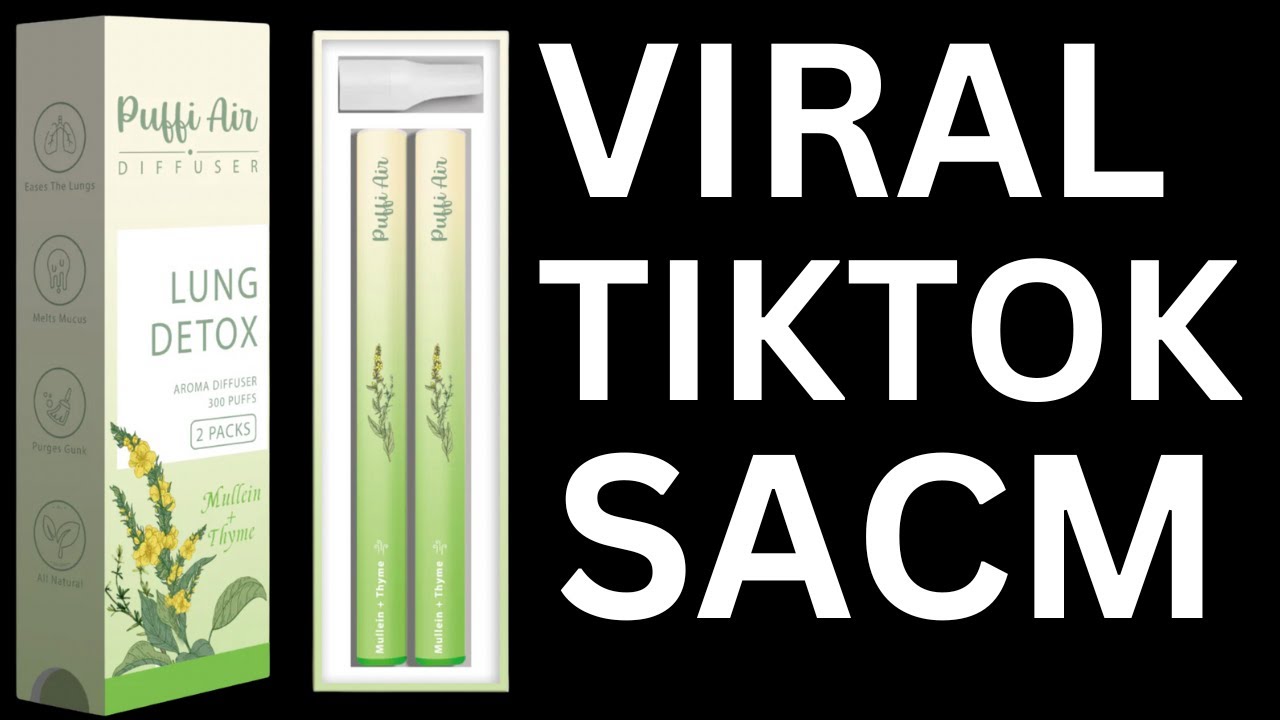
A focused chemistry view helps explain common reactions after use. Ingredients include carrier liquids and plant-derived additives that form the inhaled aerosol.
PG and VG roles
Propylene glycol carries flavor and gives a sharper throat hit. Vegetable glycerine makes denser clouds. Both act as carriers and can irritate depending on dose and user sensitivity.
Why dryness and throat irritation occur
PG is hygroscopic and can pull moisture from mucous membranes. That lowers lubrication in the throat and can trigger cough or scratchiness.
Plant extracts, aromas, and thermal breakdown
Natural plant extracts and aromas may still sensitize airways. Heating these compounds during inhaling heated delivery can produce new byproducts, including volatile organic compounds (VOCs).
Diacetyl and essential-oil concerns
Diacetyl has a documented occupational link to bronchiolitis. A “no diacetyl” label lowers that specific risk but does not remove other hazards.
“Even oil-free aromas can create harmful byproducts when heated; ingredient transparency matters.”
- Practical cues: avoid burnt taste and stop if throat or breathing worsens.
- Prefer products with clear testing and full ingredient lists to reduce unknown exposures.
Is Ripple Vape Safe? What “Safe” Means in Respiratory Risk Terms
For clinicians, safe means the risk is acceptably low for an individual compared with alternatives, not zero exposure. Any inhaled aerosol can disturb airway lining fluid and mucociliary clearance. That creates a non-zero risk to lungs, especially with repeated use.
Clean air baseline
Clean air remains the healthiest baseline. Removing combustion and nicotine reduces major harms seen with cigarettes, but heated botanical aerosols still deliver carriers and aroma compounds that can irritate airways.
Short-term effects
Reported effects include dry mouth, cough, and throat irritation. These match expected responses to carrier liquids (PG/VG) and airway sensory nerve activation that prompts a protective cough reflex.
Long-term effects and evidence limits
Long-term effects inhaling botanical aerosols remain unclear. Products evolve faster than longitudinal studies, and outcomes like chronic bronchitis or airway remodeling require years of follow-up.
| Factor | Clinical implication | Practical note |
|---|---|---|
| Combustion exposure | Absent; lowers tar and CO harms | Not equivalent to zero respiratory impact |
| Aerosol irritants | Present; dose-dependent airway stress | Frequency and temperature raise exposure |
| Short-term symptoms | Dry throat, cough, irritation | Stop if symptoms worsen |
| Long-term certainty | Limited evidence; unknown chronic risk | Prefer products with transparent testing |
“Lower harm than smoking does not equal harmless; never-users gain no health benefit from starting inhalation exposure.”
Is Ripple Vape Safe for Your Lungs if You Have Asthma or Allergies?
Sensitive airways can misread mild irritants as threats, triggering cough and tightness. People with asthma or allergic disease have airway smooth muscle and sensory nerves that react more strongly. That biology explains why inhalation of botanical aerosols may cause bronchospasm or cough even without nicotine.
Airway hyperreactivity: why botanical aerosols can trigger cough or bronchospasm
Airway hyperreactivity means nerves and muscle in the airway over-respond to irritants. Aromatic compounds and small aerosol particles can act as chemical triggers or mechanical irritants. Inflamed mucosa amplifies that response, raising the risk of tightening and cough.
When to stop immediately and seek care
Stop now if any of these occur after inhalation:
- Wheeze or audible breathing changes
- Chest tightness or rapid escalation of shortness of breath
- Dizziness, fainting, or persistent coughing fits
If symptoms occur, use a prescribed rescue inhaler per clinician direction. Seek urgent care if breathing does not improve quickly or if severe signs appear.
| Concern | Action | Clinical note |
|---|---|---|
| New or worsening wheeze | Stop inhalation; use rescue inhaler; seek care if persistent | May indicate bronchospasm needing treatment |
| Chest tightness / rapidly worse shortness of breath | Activate emergency plan; call 911 if severe | Escalation can be sudden in reactive airways |
| Mild throat irritation only | Stop use; monitor symptoms; consult clinician if unresolved | Often improves when exposure ends |
“Health experts advise caution or avoidance of inhalation products for people with asthma or allergies; non-inhaled alternatives reduce respiratory risk.”
Does Ripple Help You Quit Smoking or Is It Just a Wellness Vape?
Behavioral tools that mimic smoking gestures sometimes lower urge intensity without delivering nicotine. Many users report fewer cigarette cues when they substitute a non-nicotine inhaler for moments of craving.
Behavioral substitution: why hand-to-mouth relief reduces cues
Smoking is reinforced by ritual: hand-to-mouth motion, inhalation, throat sensation. Replacing those cues can blunt acute cravings and the learned triggers that prompt a cigarette.
Limits: not an FDA-approved cessation therapy
Important: this product is not FDA-authorized to treat nicotine addiction. For heavier smokers, a non-nicotine device does not address the pharmacologic dependence that drives withdrawal symptoms.
Safer quit pathways: evidence-based options
Clinical guidance favors FDA-authorized nicotine replacement therapies and prescriber medications plus counseling for the best quit smoking outcomes.
- Nicotine patch, gum, or lozenge for steady nicotine relief.
- Prescription medications and clinician-led counseling for moderate–high dependence.
- Behavioral support or quitlines to boost success rates.
“For some adults, this wellness product can act as a transitional tool; the goal should remain reduced inhalation exposure and proven cessation methods.”
Practical tip: match strategy to dependence level. Light social smokers may benefit from behavioral substitution alone. Pack-per-day smokers should seek medical advice and combine pharmacologic tools for reliable results.
Regulation and Quality Control in the United States
Products like ripple are marketed as wellness inhalers and are not FDA-approved as medicines or cessation devices. FDA approval applies to drugs and medical devices that undergo formal review for safety, efficacy, and manufacturing controls for a specific medical use.

Why category matters
Category determines oversight. A wellness diffuser faces less premarket review than a tobacco product or a medical device. That difference affects labeling rules, ingredient disclosure, and required testing.
Consumer risk and variability
Weaker oversight can mean more variability in formulation and batch-to-batch consistency. Without mandated tests, buyers may see unclear ingredient lists or no independent lab reports.
Due-diligence checklist
- Full ingredient list including carrier liquids and additives.
- Third-party batch testing for emissions and contaminants.
- Lot or batch identifiers and traceable manufacturing info.
- Clear manufacturer contact and downloadable reports.
“A clean label without documentation does not guarantee product safety.”
For U.S. consumers, prioritize transparency and documented quality when evaluating vaping products and devices that claim health benefits. Product safety relies on evidence, not marketing.
Device Safety: Battery, Heating Element, and Storage Risks
Understanding device hazards focuses on two areas: thermal chemistry from the heating element and the physical risks of lithium cells. Both affect product safety and user exposure when inhaling heated aerosols.
Why higher temperatures change aerosol chemistry
Higher coil temperatures speed thermal breakdown of carrier liquids and aromas. That process raises the chance of forming volatile byproducts and a harsher throat hit.
Users may notice a burnt taste or sudden harshness. Those signs indicate increased chemical byproducts from inhaling heated mixtures.
Battery integrity and common failure pathways
Failures usually stem from physical damage, heat exposure, water ingress, or improper charging. Sealed disposables lower handling steps but still depend on build quality.
Warning signs to stop using a device include an unusually hot body, hissing, swelling, smoke, or diminished airflow. If any occur, discard the item per local hazardous-waste guidance.
Practical prevention and storage guidance
- Avoid leaving devices in hot cars or direct sunlight; high ambient heat stresses cells.
- Do not carry loose units with keys or coins that can crush the casing or short contacts.
- Use only manufacturer-approved chargers when applicable and stop charging if the device feels hot.
- Store at room temperature, away from children and pets. Discard damaged or leaking products promptly.
Important note: Being nicotine-free does not alter electrical hazards. Battery risk and heating chemistry remain independent of liquid formulation, including ripple products.
| Area | Issue | Action |
|---|---|---|
| Heating element | Higher coil temp increases VOCs and harshness | Stop use if burnt taste; prefer lower-power settings or well-built pods |
| Battery | Heat, impact, water, improper charging can cause failure | Follow charging rules; discard swollen units; avoid hot storage |
| Storage | Sun/heat and crushing raise failure risk | Keep at room temp, childproof location, separate from metal objects |
| Product quality | Variable build quality affects incidents | Choose transparent brands and check batch testing for product safety |
“Stop using any device that becomes hot, smells burned, or shows physical damage; these are clear signals of elevated risk.”
Travel and Public-Use Rules in the US
Travel rules for personal inhalation products now center on lithium battery risk and venue policies. Federal guidance updated in 2026 clarifies packing and on-board behavior for vapes and similar items.
2026 TSA guidance: carry-on requirement and why
Practical rule: lithium-battery powered vapes must travel in carry-on luggage, not checked bags. Cabin crews can respond faster to a thermal event than crews accessing the cargo hold.
Airport and flight restrictions
No use on aircraft: active vaping is banned during flight regardless of nicotine content. Federal and airline rules prohibit inhalation behavior in cabins and terminals when posted.
Venue policies and Disney guidance
Major venues, including Disney parks, limit vaping to designated smoking/vaping areas. Guests should check park maps and signage and plan breaks around those zones.
“Carry devices in a sealed bag, protect batteries from metal, and never attempt stealth vaping in terminals or parks.”
- Pack items in a protective case and avoid loose batteries.
- Keep units away from keys or coins to prevent accidental activation.
- Prefer non-inhaled alternatives during travel days to reduce compliance risk.
Choosing Safer Alternatives and Avoiding Counterfeits
Practical sourcing matters. A clear purchase path—trusted retailer, batch testing, and visible lot numbers—reduces uncertainty about what users inhale.
Authenticity checks and why fakes increase risk
Counterfeits often contain unknown liquids, contaminated ingredients, or poor batteries. These flaws raise toxicant exposure and device failure hazards.
- Buy from reputable vendors and check seller reviews.
- Inspect packaging for tamper seals, lot numbers, and readable labels.
- Avoid unusually low prices and request batch test reports when available.
When nicotine use continues
For those who still choose nicotine, selecting established brands such as Geek Bar or Raz reduces counterfeit exposure through stronger supply-chain visibility. That choice does not remove inhalation-related health risk.
Best overall alternative
Step down use and return to clean air. Reduce frequency, use FDA-authorized nicotine replacement if needed, and try sugar-free gum, toothpicks, breathing exercises, or counseling for oral fixation and cravings.
“Authenticity lowers product safety uncertainty, but it does not guarantee low respiratory risk.”
Conclusion
The closing view balances relative harm reduction with lingering uncertainty about heated botanical aerosols.
This product typically reduces harms tied to smoking by avoiding combustion and nicotine, yet it still exposes the lungs to aerosolized PG/VG and aroma compounds. Long-term effects remain limited by short follow‑up data, so ongoing caution is reasonable.
People with asthma, allergies, or pregnancy should avoid inhalation of these blends and stop if wheeze, chest tightness, or rising shortness of breath occur. For those quitting smoking, behavioral substitution may help but does not replace FDA‑approved therapies.
Quality matters: prefer transparent ingredients, independent testing, and secure device handling. For an independent analysis of health risks, see this analysis of product risks.
Medical disclaimer: This content provides information, not medical advice. Consult a clinician for personal guidance.
 English
  German
  Dutch
Dutch  Danish
  Czech
Czech  Italian
  Slovenian
  French
  Hungarian
  Spanish
  Polish