

What are the 4 types of vapes remains a top search for adult smokers seeking a switch. We open with clear, technical context: a vape is a battery-powered device that heats e-liquid via a coil to produce inhalable vapor.
We will map the main device families—cig-a-likes and vape pens, pod systems, disposables, and mods—so readers can match nicotine habits, budget, and portability.
Our evaluation focuses on measurable specs: battery mAh, e-liquid ml, nicotine strength, coil tech (mesh vs dual mesh), and charging type like USB-C. We pair those with hands-on notes: throat hit, vapor output, and flavor after long puff counts.
We also introduce two scorecards used through this guide: Puffs per Dollar and Flavor Consistency. Later sections cover authenticity checks, QR verification, and a nicotine warning for safe use.
Key Takeaways
- We define a vape as an electronic cigarette-style device that vaporizes e-liquid.
- Four main device families cover most user needs and upgrade paths.
- Specs like mAh, ml, coil type, and USB-C matter for real performance.
- Hands-on metrics include throat hit, vapor volume, and flavor at high puff counts.
- Puffs per Dollar and Flavor Consistency help compare true cost and taste stability.
- Authenticity checks, including QR verification, are part of safe buying.
Quick Buyer’s Guide to Different Types Vapes for U.S. Shoppers
We provide a concise checklist so shoppers can compare devices by specs that matter in real use. Start by noting three shared parts: a battery, an atomizer/coil, and a reservoir for e-liquid (tank or pod).
How these parts work
The battery supplies power. The coil heats a wick and vaporizes e-liquid. Pods and tanks hold fluid; pod systems often use nic salts at 2% or 5%.
MTL vs DL: pick by draw and nicotine
MTL (mouth-to-lung) mimics cigarette feel and pairs well with higher nicotine. DL (direct-lung) gives larger vapor production and favors lower nicotine strengths.
What to prioritize
- Budget: upfront cost vs ongoing pod/coil spend.
- Size: pocketable pens or larger mods.
- Easy use: draw-activated pods vs button menus.
- Maintenance: replace coils, keep tanks clean.
Watch for mAh, ml, mesh vs dual mesh, and USB-C charging. These specs drive Puffs per Dollar and flavor consistency over time.
What are the 4 types of vapes?
We classify the market into four clear device families to simplify buying decisions.
Cig-a-likes & vape pens. These mimic a cigarette draw. They suit smokers seeking a low-friction switch. Expect tighter draw, simple controls, and high portability.
Pod systems. Pods come closed (prefilled) or open (refillable). Many pod vapes pair with nic salt e-liquid for a smoother hit at higher nicotine. Pods balance convenience and cost well.
Disposable devices. Prefilled and often draw-activated, disposable vapes need no maintenance. They offer easy use but typically cost more per puff over time.
Mods & box mods. These are for vapers who want control. Adjustable power, airflow, and sub-ohm tanks let users chase larger clouds and tailored flavor. They require more upkeep and knowledge.

| Category | Use case | Nicotine fit | Maintenance |
|---|---|---|---|
| Cig-a-likes / Pens | Transition from cigarettes | High-strength salts possible | Low — replace pods/cartridges |
| Pod systems | Daily convenience and balance | Designed for nic salts | Medium — refill or swap pods |
| Disposable vapes | Occasional or travel use | Often prefilled with salts | None — discard when empty |
| Mods / Box mods | Power, clouds, customization | Works with freebase or salts | High — coils, tanks, settings |
Disposable Vapes: Convenience, Big Puff Counts, and What Specs Matter
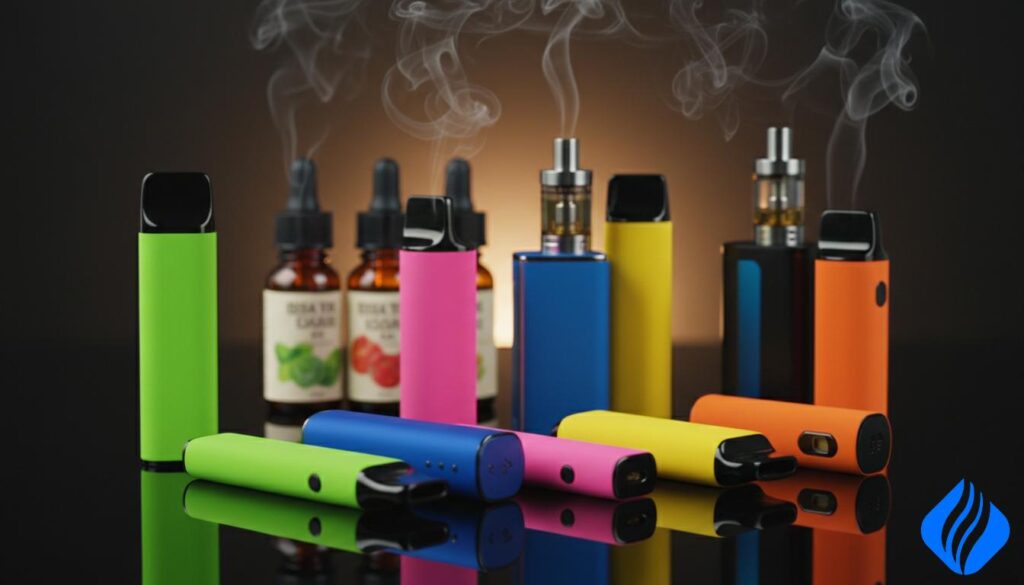
When convenience drives choice, disposable units deliver ready-to-use performance with clear specs. We focus on the measures that predict real-world use rather than marketing puff claims.
Core specs to compare
- Battery (mAh): higher mAh keeps coil power steady across life.
- E-liquid (ml): sets the total vapor available; larger ml supports longer life.
- Nicotine strength: 2% or 5% nic salt affects throat hit and satisfaction.
- Coil design: mesh for clear flavor; dual mesh for denser vapor if battery matches demand.
- USB-C: adds recharge options and safety versus older ports.
Hands-on testing
We test draw activation, throat hit, and vapor density across three life phases: early (~200 puffs), mid, and after 5000 puffs.
Top performers show stable flavor with no burnt taste near end-of-life. Devices that drop wattage too early often sweeten or taste muted by 3,000–5,000 puffs.
Puffs per Dollar
Estimate cost per puff: divide retail price by a realistic puff count (not box claim). Example: $20 / 2,000 puffs = $0.01 per puff. Adjust for longer draws or higher airflow that consume more e-liquid.
Competitor comparison
| Model | Early flavor | Midlife consistency | End-life at 5k | Value |
|---|---|---|---|---|
| Main pick | High | Stable | Minor fade | Good |
| Geek Bar | High | Moderate | Notable fade | Fair |
| Lost Mary | Strong | Good | Moderate fade | Good |
| Raz | Good | Variable | Burnt risk | Poor–Fair |
Ready to compare inventory? Browse Disposable Vapes or check current deals in Hot Sale.
Safety note: disposables contain lithium cells. Follow local U.S. recycling rules; do not toss in household trash where prohibited.
Pod Vapes: The Easiest Step Up From Disposables
For many adult vapers, pods balance ease and long-term cost better than single-use units.
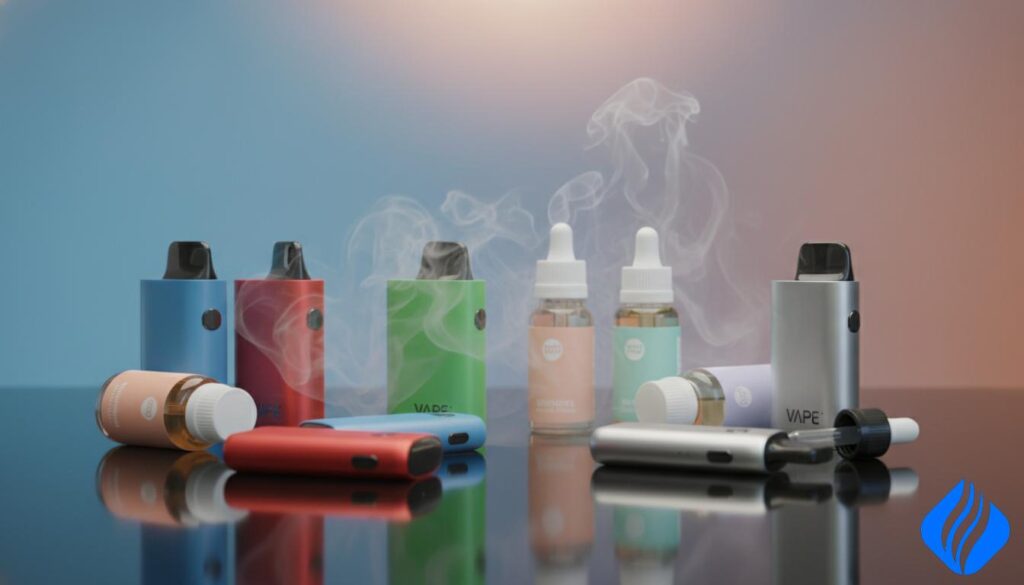
Closed pods are prefilled and swap quickly. They cut mess and decision fatigue. Refillable pods accept bottled e-liquid. They lower cost per ml but need careful filling to avoid leaks.
Nicotine salts and smoother hits
Nicotine salts let low-power pods deliver higher nicotine with less harshness. That makes many pod systems feel smoother than similar freebase setups.
Battery, charging, and safety
Most pod devices use internal batteries. Recharge cadence depends on mAh and use pattern. USB-C matters: it charges faster and is more durable than older micro-USB ports.
Flavor consistency reality check
Pod taste varies by pod tolerance, coil wicking, and airflow design. Pick a trusted system to reduce variability and preserve flavor over pod life.
| Feature | Closed pod | Refillable pod |
|---|---|---|
| Convenience | High — swap and go | Medium — refill required |
| Cost per puff | Higher | Lower with bulk e-liquid |
| Flavor options | Limited to prefill | Wide — choose bottles |
| Leak risk | Low | Moderate if mishandled |
Reliability checklist: secure pod fit, steady draw activation, easy pod availability, and predictable coil life. Estimate monthly spend by dividing pod cost by realistic puffs, then add device amortization. For more on device families and buying tips, see our short guide and a pod-focused overview at pod systems guide and a practical buyer page at pod e-cigarette overview.
Vape Pens and Cig-a-likes: Beginner-Friendly, Lightweight, and Familiar
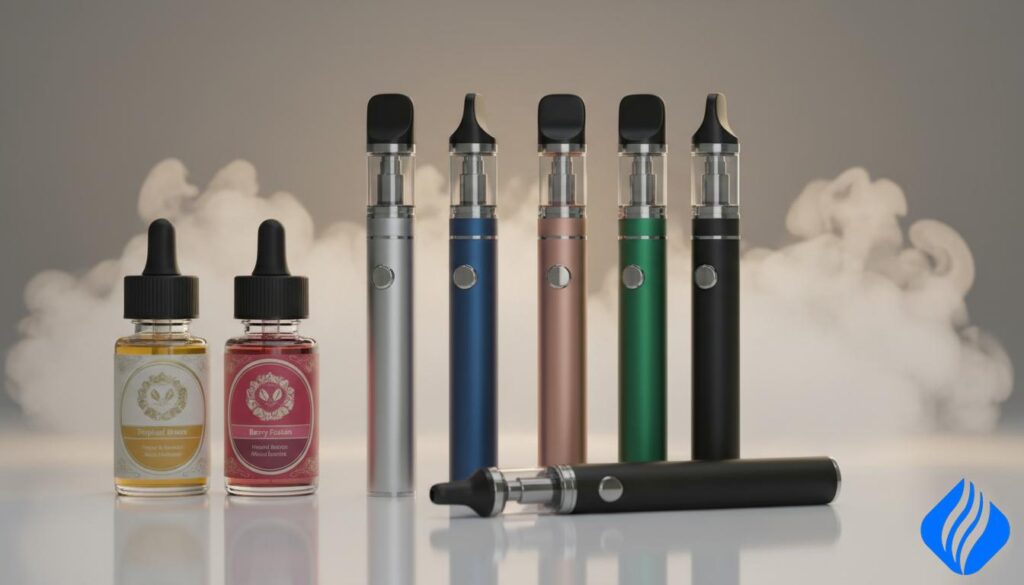
We recommend these formats for adults seeking a simple, familiar path away from cigarettes. They offer a mouth-to-lung draw that feels close to a cigarette and low complexity for immediate, easy use.
Activation differences
Button-activated pens give consistent hits and slightly more vapor. They often include simple LED indicators and modest airflow tuning.
Draw-activated cig-a-likes prioritize instant simplicity. Pull to fire and go—no menu training required.
Performance and battery expectations
These options usually deliver a cooler inhale and lower cloud volume than pods or mods. Expect shorter battery life in smaller cig-a-likes, while many pens extend use with larger internal cells.
Smaller batteries mean more frequent charging or replacements. That practical limit matters for commuters and long days away from power.
Practical features and portability
We note modest features: basic indicators, simple airflow, and refill or cartridge swaps. The goal is predictability over customization.
- Who they fit: smokers seeking a familiar feel with minimal setup.
- Trade-offs: less vapor, cooler hits, shorter life on small units.
- Size: highly pocketable for travel and discreet use.
Mods and Box Mods: Maximum Control for Power, Temperature, and Clouds
Mods and box units put control first. We recommend them for experienced adult users who want to tune warmth, airflow, and vapor output. These setups change how flavor and throat hit behave under load.
Regulated versus unregulated
Regulated mods include circuit protections for short circuit, overcharge, and thermal events. They allow precise wattage or temperature limits. That makes them safer for most users.
Unregulated devices lack these safeguards. They offer raw power but require deep technical knowledge. We do not recommend unregulated units for beginners.
Coils and tanks
Clearomizer-style tanks stay simple and suit moderate power. Sub-ohm tanks target higher vapor and use lower-resistance coils. Coil choice alters flavor intensity, wicking speed, and replacement cadence.
Power, airflow, temperature
Wattage and voltage set coil heat-up. Airflow changes vapor temperature and throat feel. Temperature control can stabilize hits and reduce dry-hit risk when used with compatible coil wire.
E-liquid pairing
For high-output mods, we suggest lower-strength freebase nicotine and higher VG blends for denser clouds. Nicotine salts suit low-power pods. Match coil spec, liquid viscosity, and device range to avoid burnt taste and wasted e-liquid.
| Aspect | Regulated mod | Unregulated mod |
|---|---|---|
| Safety features | Short-circuit, over/under voltage, thermal protection | None — user-managed |
| Best tank | Sub-ohm or clearomizer per power | Sub-ohm preferred for cloud production |
| Nicotine fit | Low-strength freebase | Low-strength freebase |
| VG/PG | High VG for clouds, balanced PG for flavor | High VG to maximize vapor |
Real-World Comparisons That Matter: Puffs per Dollar and Flavor Consistency
We build a simple, repeatable comparison approach so shoppers can judge cost and taste over real use rather than marketing claims.
Specs checklist you can copy
Format: a compact table with columns for mAh, ml, nicotine strength (2% / 5% nic salt), coil (mesh vs dual mesh), USB-C, plus outcome columns for Flavor Consistency and Puffs per Dollar.
How we score flavor over time
Our hands-on method is auditable. We rate flavor and throat hit during the first ~200 puffs, then again near ~5000 puffs. We note sweetness loss, cooling spikes, or new off-notes.
Disposable showdown: main pick vs Geek Bar vs Lost Mary
| Model | Throat hit | Vapor production | Flavor at 5k | Puffs per Dollar |
|---|---|---|---|---|
| Main pick | Smooth | High | Minor fade | Good |
| Geek Bar | Balanced | Moderate | Noticeable fade | Fair |
| Lost Mary | Strong | High | Moderate fade | Good |
Value test and a practical rule
Normalize value by ml and recharge ability. A rechargeable big-puff device can beat a standard disposable on cost per puff when it sustains flavor through most of its rated life.
Decision rule: if an adult vaper finishes multiple disposables per week, switching to a rechargeable pod or system usually improves Puffs per Dollar despite higher upfront cost.
For brand-aware shoppers, explore RandM and Bang lines on our partner site to compare real inventory and pricing: RandM and Bang.
Conclusion
Final advice: here is a short, practical wrap-up to help you choose a device and avoid buyer regret.
Pick by how much control you want, how you inhale, and how much maintenance you can handle. Regulated mods give safety protections. Disposables and pod formats trade control for convenience.
Quick buy rules: judge by Puffs per Dollar and Flavor Consistency. Those two metrics cut through puff claims and reveal long‑term value.
User FAQ: signs of empty include reduced vapor, muted flavor, blinking lights, or pull with no output. Recharge safely: use the correct cable (USB‑C when provided), avoid unattended or overnight charging, stop if hot, and discard damaged cords. To check authenticity, scan package QR and confirm via Contact Us.
Nicotine warning: this product contains nicotine. Nicotine is addictive. For adult use only (21+). Tobacco harm reduction requires informed, cautious use by vapers.
 English
  German
  Dutch
Dutch  Danish
  Czech
Czech  Italian
  Slovenian
  French
  Hungarian
  Spanish
  Polish