

We open this 2026 update for adult consumers (21+) to clarify a confusing regulatory scene. A nationwide disposable vape ban does not exist; instead, a patchwork of rules and directory models shapes access to vapes and vape products.
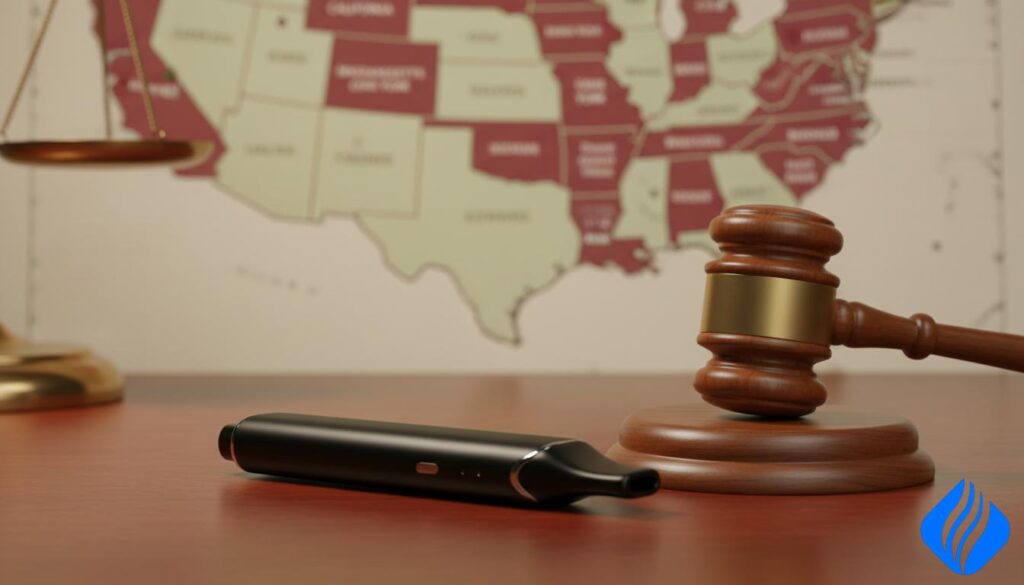
Enforcement varies rapidly. Some states focus on flavored product limits, others require listing in a state directory, and a few add licensing or fines for sellers. Many popular disposables lack FDA authorization, which affects legality even where local enforcement is light.
We emphasize one baseline: Federal T21 sets the minimum sale age nationwide. Knowing local laws and regulations helps you avoid illegal purchases, gray-market items, and costly mistakes.
Key Takeaways
- Rules differ by state; treat this as a time-sensitive 2026 update, not a static list.
- Federal T21 remains the enforceable age limit even when state text seems different.
- Directory requirements, licensing, and flavor limits can function like a ban for some products.
- Many disposables lack FDA authorization; that affects legal sales across jurisdictions.
- We aim to protect consumers from illegal sellers and unsafe products through clear guidance.
Where vape bans stand in the United States right now
Regulatory changes now shape a patchwork market that looks very different by ZIP code. There is no nationwide disposable vape ban, yet an expanding set of state-level restrictions makes availability unpredictable.
We see several pathways by which limits spread: flavor rules, product registries, shipping curbs, environmental policies, and youth‑protection measures. Those tools can function like a ban in practice.
Enforcement differs because federal authorization and state enforcement are separate issues. Many popular disposable products still lack FDA authorization but remain sold where enforcement is light or policy focuses elsewhere.
- Effect on sales: Retailers may pull brands quickly when risk of illegal sell rises.
- Consumer impact: Sudden “sold out” notices, disappearing flavors, and shifting inventories are common.
- Industry note: The patchwork approach alters the national market and how companies route sales.
What states are banning vapes and what “banning” actually means
Local rules can either remove products from shelves or simply make them hard to ship. We use simple categories so you can see how a ban affects buying, selling, and delivery.
Definition: A ban can stop a product from being sold at retail, prevent online sales, block shipments, or bar products from being marketed in a given state. Each outcome feels different to the buyer.
- Full vs partial disposable restrictions: Full bans remove single‑use models outright. Partial rules target youth‑appealing designs and often remove the most popular disposables.
- Flavor limits: Many flavor bans only allow options except tobacco or menthol. That still eliminates most fruit and dessert flavors consumers seek.
- Online sales and shipping limits: A ban online or strict carrier rule can make home delivery impossible even if in‑store sales continue.
- Directory/registry states: Products must appear on an approved list tied to FDA authorization or PMTA status, shrinking available product selection and raising illegal sell risk for retailers.
We know this patchwork is confusing. For a state-by-state list and links, see our reference on vaping bans. Next, we apply these definitions to NC, KY, and UT.
Federal rules shaping every state: T21, FDA authorization, and PMTA reality
At the federal level, a few decisive rules shape access to nicotine products across the country. Federal T21 sets the minimum sales age at 21; retailers must treat 21 as the legal floor even when local text seems different.
Authorization matters next. An FDA Marketing Granted Order (PMTA granted) makes a product authorized. Products labeled PMTA-pending are under review but have no granted marketing order. Unauthorized items lack FDA approval and carry legal and safety risk.
As of December 2025, only a limited set of companies hold authorization for certain e-cigarettes and tobacco products. That narrow pool means most popular disposable vapes remain vulnerable to removal and create uneven enforcement nationwide.
- Practical rule: Authorized products face less risk of legal action.
- Consumer risk: Unauthorized goods increase the odds of counterfeit or unsafe nicotine items.
- Public health: Departments of health cite youth prevention and limited research when pushing strict rules.
North Carolina vape restrictions under HB 900 and the DOR Directory
From July 1, 2025, North Carolina requires Directory listing before a product can be sold. HB 900 (Session Law 2024-31) shifts the state to a Department of Revenue (DOR) Directory model. Only products on that list—FDA‑authorized or PMTA‑pending—may lawfully be offered at retail.
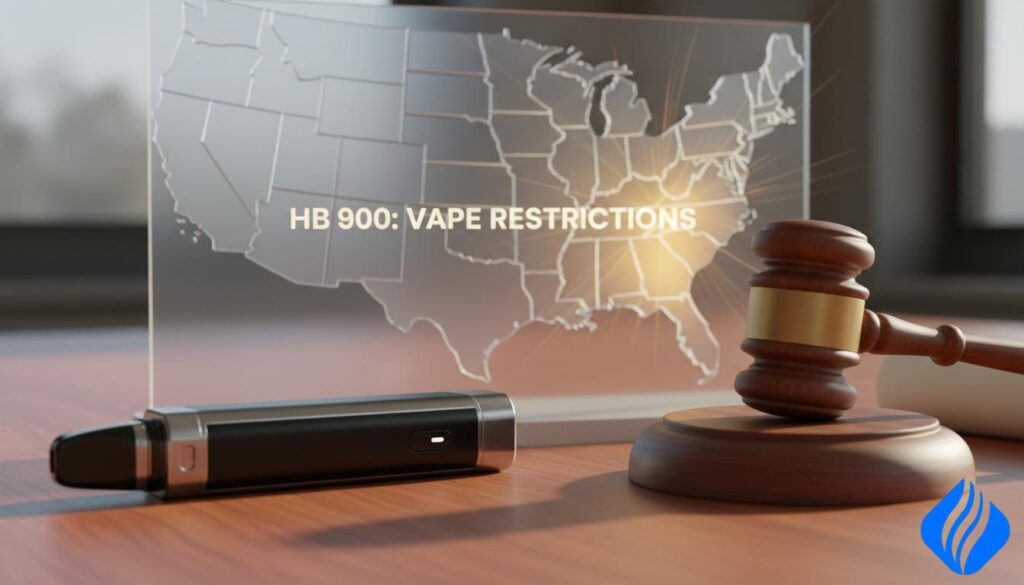
In plain terms: non-Directory items become illegal to sell in NC. That includes many popular disposable vapes that lack an entry on the Directory. Retailers face fast compliance pressure and must review inventory now.
Brands consumers ask about
Brand popularity does not guarantee listing. Raz and Elf Bar may lose shelf presence if their products aren’t on the DOR Directory. We urge shoppers to expect sudden shortages or product swaps even when a label looks familiar.
Age rule and compliance risk
North Carolina’s law text may reference 18, but Federal T21 still sets the enforceable sale age at 21 for nicotine tobacco products. Retailers who sell non-Directory items risk illegal sell allegations and enforcement actions.
For details and the official list, consult the DOR Directory FAQ. We know this feels abrupt; these changes protect legal sales and public safety while creating short‑term confusion at checkout.
Kentucky SB 100 update for 2026: licensing and fines for unauthorized sales
Beginning January 1, 2026, Kentucky requires every retail outlet that sells nicotine products to hold a state license. This law shifts enforcement toward a license-based model that ties legal sale eligibility to approved retailers.
Why licensing matters: licensed retailers are more likely to stock authorized products and follow state regulations. That reduces the chance of an illegal sell and protects buyers from unvetted inventory.
Retailer licensing requirement effective Jan 1, 2026
SB 100 makes retailer registration mandatory. Retail channels without a license cannot lawfully offer vaping products in Kentucky.
Penalties and enforcement risk for selling unauthorized vaping products
Selling unauthorized products can trigger heavy fines and enforcement actions. The law targets illegal sell behavior, not popularity. Retailers risk steep penalties for noncompliance.
- Practical effect: fewer brands on shelves and tighter ID checks at checkout.
- Enforcement: fines serve as the main deterrent for unauthorized sale.
- Consumer tip: buy from licensed retail stores to lower risk of wasted purchases and protect public health.
Utah’s flavored vape restrictions and active state registry
Utah now limits adult options at specialty shops by allowing only a narrow set of tobacco-derived choices.
Flavored vapes banned except tobacco and menthol at specialty stores
SB 61 / HB 0432 bans flavored vapes in specialty retail, leaving except tobacco and menthol as the only permitted profiles. Most sweet, fruit, and dessert vapes disappear from legal shelves.
This affects in‑store sales directly. Adult shoppers may find familiar brands absent even when products look identical elsewhere.
How the Utah registry affects what products can be sold
The state registry lists approved vaping products permitted for sale. If a product is not listed, retailers must remove it or risk an illegal sell allegation.
“The registry narrows legal availability to help prevent youth access and protect public health.”
- Practical effect: inventory shrinks to tobacco and menthol options at specialty outlets.
- Compliance risk: well-known products can become illegal without registry entry.
- Consumer tip: confirm product eligibility before purchase and save receipts from reputable retailers.
We know these changes feel restrictive. The law frames them as youth prevention and a public health measure. Tighter legal channels also reduce counterfeit risk and protect adult users from mislabeled nicotine strength.
More 2026 state changes to watch: Alabama, Virginia, and California
Late‑2025 and early‑2026 updates could reshape product availability in major retail channels overnight.
Alabama: HB 445 — hemp consumables and higher penalties
Effective Jan 1, 2026. HB 445 forces licensing for consumable hemp products. Selling without a license risks escalating sanctions. A third offense can reach a Class C felony. Smokable hemp is explicitly illegal.
Virginia: non‑FDA‑authorized disposables
Effective Dec 31, 2025. The new measure blocks non‑FDA‑authorized disposable vapes from lawful sale. Many popular disposable vapes may disappear from shelves and online sales channels.
California: the Unflavored Tobacco List
Effective Jan 1, 2026. California limits legal retail options to tobacco‑profile products on a state list. That effectively removes most non‑tobacco flavors from mainstream outlets.
“States frame these shifts as youth protection and public health measures while changing adult access fast.”
| Jurisdiction | Key change | Practical effect |
|---|---|---|
| Alabama | HB 445: licensing; smokable hemp illegal; felony on 3rd offense | Retailers tighten sourcing; higher compliance costs; risk of criminal penalties |
| Virginia | Ban on non‑FDA‑authorized disposable vapes (Dec 31, 2025) | Many disposable vapes removed from retail and online sales |
| California | Unflavored Tobacco List (Jan 1, 2026) | Only tobacco‑profile products remain widely legal; flavors largely gone |
We advise adult buyers to verify product eligibility, keep receipts from reputable sellers, and expect sudden SKU changes. Retailers should audit inventory, confirm licenses, and prepare for tighter online sales controls to avoid illegal sell exposure.
Conclusion
Local laws and market moves can remove familiar products overnight. We urge adults (21+) to verify rules before buying and to favor licensed retailers and clear receipts.
“Banned” can mean a flavor restriction, directory-only listing, limits on disposables, or blocked online sales. New York illustrates a strict model with flavor limits and online purchase barriers that shape access.
Follow Federal T21 as the baseline: lawful sales require age 21+. Check your local rules, confirm retailer policies, and expect more changes in 2026. Staying informed reduces counterfeit and illegal product risk and supports safer e-cigarettes and nicotine purchases.
 English
  German
  Dutch
Dutch  Danish
  Czech
Czech  Italian
  Slovenian
  French
  Hungarian
  Spanish
  Polish