

We track how 2026 regulation is reshaping sales for adult vapers (21+). A “ban” in this country rarely means one federal rule. Instead, it often means state registries, flavor limits, licensing and fast enforcement that remove products from shelves.
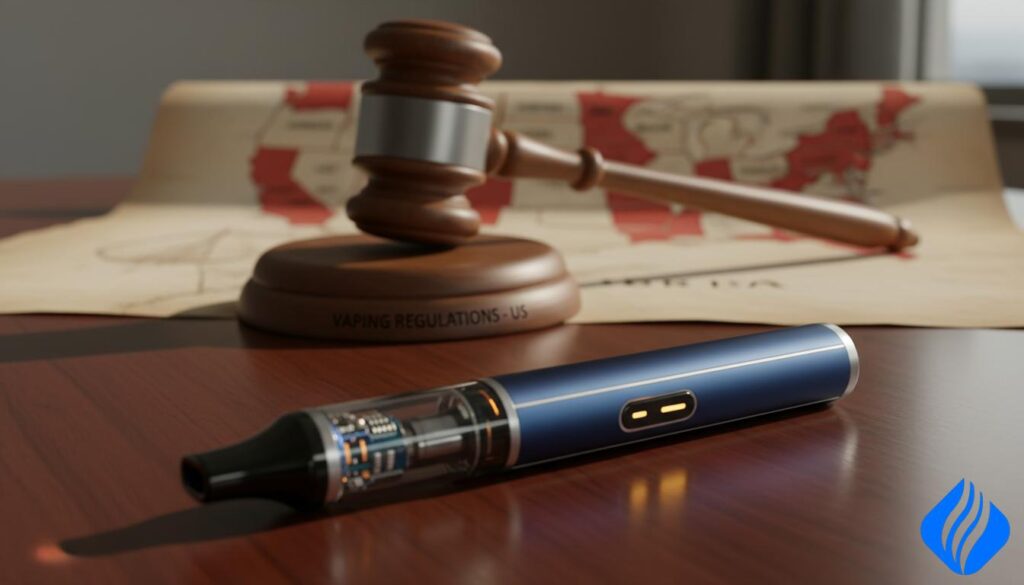
Many changes now come from state-level directories and authorization ties, layered on top of federal T21 and FDA decisions. The FDA has cleared a narrow list of products, and most popular disposable brands lack that authorization.
We will explain why controls happen, what to watch for in 2026, and how dates and registry updates can flip legality overnight. For local context, see an example of registry enforcement and retailer impacts in Nebraska via this state registry report.
Key Takeaways
- State rules now drive many restrictions; federal baseline still matters.
- Authorization and registry listing often determine retail legality.
- Disposables face frequent enforcement and sell-through risks.
- Check state directories and retailer licenses before buying.
- We provide dates and compliance triggers, not legal advice.
What’s Driving the New Wave of Vape Bans and Restrictions in the United States
A: Federal reviews set the baseline, but states now shape on-the-ground access by listing which items can stay on shelves.
FDA enforcement focuses on “unauthorized” items that lack PMTA approval. PMTA approval equals federal marketing authorization; as of Dec 2025 only 39 e-cigarettes have authorization, and four disposables (NJOY DAILY) are included. When a product lacks authorization, agencies may seize shipments—over 628,000 units were reported seized in early 2025.
PMTA-pending status matters because some states let products under review be sold, while others allow only fully authorized items. That split creates very different outcomes for identical devices across states.
Policy focus centers on flavored and single-use devices. Lawmakers cite youth access and marketing cues when framing bans. Some states use simple directories: if a product is not listed, retailers must not sell it.
- Result: A patchwork of tobacco control laws makes availability vary by city and state.
- Consumer impact: product availability can change overnight, especially for flavored and disposable vaping products.
For research on youth trends that inform policy, see this peer-reviewed analysis.
What Vapes Are Getting Banned in the US in 2026: The Biggest Changes to Watch
In 2026, practical limits on single-use products, flavors, and online ordering are reshaping availability rapidly.
Three pathways drive most market changes: strict rules for disposables, flavor standards that often restrict sale to tobacco or menthol, and tighter online sales and shipping controls.
State product directories and registries
Many states now use product lists. If a device is not listed, retailers must stop selling it. Delistings can happen fast and often include popular names like Raz, Elf Bar, Lost Mary, and Geek Bar when FDA authorization is missing.
Grace periods, sell-through windows, and enforcement
Rules commonly set an effective date plus a clearance window. New Jersey let shops sell existing disposable stock until Feb 1, 2026 after an Aug 1 import restriction. Mississippi used a 60-day grace period before Dec 1 enforcement, with fines reported per product per day.
Practical checklist
- Check your state product directory and retailer compliance plans.
- Confirm whether online sales or orders are allowed where you live.
- Remember that brand visibility does not guarantee legal sale; authorization and listings matter.
For ongoing state updates, see our guide to state vape laws — state vape laws.
State-by-State 2026 Updates That Could Make Your Vape Illegal Overnight
We track key 2026 deadlines that change retail legality fast. A growing number of states tie sale permissions to active product lists and licensing dates.
North Carolina — HB 900 and the Department of Revenue Directory
Effective: directory legality as of July 2025.
The NC model lets the Department of Revenue list which items may be sold. Only FDA-authorized or PMTA-pending products qualify. Note: federal T21 keeps purchase age at 21 despite older state text.
Kentucky — SB 100: new retailer licensing
Effective: Jan 1, 2026.
Retailers must hold a state license to sell regulated items. Licenses and heavy fines for unauthorized products push shops to restrict inventory quickly.
Utah — SB 61 / HB 0432: flavor limits and an active registry
Effective: 2026 enforcement with an active registry.
Utah allows tobacco and menthol at specialty stores only. Consumers should check the state registry for products that remain legal.
| State | Key Rule | Effective Date | Practical Trigger |
|---|---|---|---|
| North Carolina | Directory required; PMTA/FDA status | July 2025 | Product must be listed to sell |
| Kentucky | Retailer license required | Jan 1, 2026 | License checks and fines |
| Utah | Flavored ban; registry; tobacco/menthol only | 2026 | Registry updates control sales |
| Alabama | Hemp vape licensing; felonies on repeat offenses | Jan 1, 2026 | Third offense = Class C felony |
Alabama, Virginia, California — other 2026 triggers
Alabama’s HB 445 (Jan 1, 2026) requires hemp licensing and bars smokable hemp; repeat violations carry felony risk.
Virginia began banning non-FDA-authorized disposable products on Dec 31, 2025, leading to tightened 2026 enforcement and fewer disposable options at retail.
California’s Unflavored Tobacco List starts Jan 1, 2026. Except tobacco sales mean most flavored products are off shelves unless they meet the narrower tobacco-only standard.
Border reality: traveling across states or ordering online can expose adults to very different laws and access rules. Check official state department pages and product directories before you buy.
Flavored Vape Bans vs. “Tobacco/Menthol Only” Rules: How States Are Structuring Flavor Restrictions
States take three distinct approaches to flavors, and those choices directly shape retail availability and consumer options.
Total flavor bans that remove fruit, candy, mint, and often menthol from sales
California leads a model that eliminates most characterizing flavors. Fruit, candy and mint often vanish from mainstream shelves and menthol is frequently included.
Flavor bans with menthol exemptions and how specialty stores are treated differently
Other states allow tobacco and menthol at specialty retailers. Utah uses a registry to limit sale to defined tobacco products and menthol profiles while restricting general retail channels.
Product-specific bans targeting disposables marketed to youth
Some laws focus on single-use devices that appeal to youth. Florida-style rules remove sweet-flavor disposables even when refillable products remain legal.
- Retailers: sale flavored enforcement often depends on packaging, naming, and marketing, not taste alone.
- Consumers: check state lists before buying; adults who use flavors to quit combustible tobacco may face sudden limits.
We recognize the policy balance: many states justify these moves on youth prevention and health, while offering narrow adult access to tobacco or menthol alternatives under strict restrictions.
Online Sales, Retailer Licensing, and Product Seizures: What Enforcement Looks Like Right Now
We see enforcement stacked into three fast-moving actions: shipping blocks, licensing audits, and registry inspections that change available stock within days.
Where online sales are restricted and why shipping rules are tightening
Carriers and states limit deliveries to certain addresses. New York enforces an online sale ban on all vape products, forcing adults to buy in person.
Even when items appear for sale online, shipping limits and verification steps can stop legal delivery.
Retail licensing and fines that escalate quickly
Kentucky’s Jan 1, 2026 license rule shows how audits remove risky inventory fast. Retailers face heavy fines and license loss.
Mississippi reports fines of $500–$1,500 per product per day, so shops often pull products before consumers know rules changed.
How directories and inspections affect shelves week to week
State directories (North Carolina, Utah, Mississippi) can delist products overnight. Federal seizures add pressure; over 628,000 unauthorized e-cigarettes were seized on Jan 10, 2025.
“Check state registries and keep receipts; wide availability does not equal legal sale.”
Our guidance: confirm a product is listed for your state, save proof of purchase, and consult department health pages for current enforcement updates.
Federal T21 and FDA Authorization: The National Rules Still Shaping Vape Sales
We start with the federal floor: the minimum purchase age for nicotine products is 21 nationwide (T21). This rule applies even when a state code lists a lower age, and it directly affects retail verification and sales processes.
How FDA authorization and PMTA status work
FDA-authorized means a product won marketing approval after PMTA review. Authorization determines whether some state directories will list a product for legal sale.
PMTA-pending matters in directory states like North Carolina and Utah. Some states accept products under review; others permit only fully authorized items. That split changes access overnight.
Which products qualify and why disposables often don’t
As of December 2025, the FDA has authorized 39 e-cigarettes from four firms. Only four authorized disposables exist (NJOY DAILY tobacco and menthol variants). Most popular disposables lack authorization, so enforcement actions and delistings often remove them from shelves.
“The federal floor—T21 plus FDA authorization—shapes how states regulate sales and which products retailers risk carrying.”
- Takeaway: prioritize products with clear authorization to reduce retail and legal risk.
- Check state directories before purchase for current listing and sale guidance.
Conclusion
Retail access in 2026 hinges on authorization, registry status, and fast enforcement timelines. Check your state directory or registry first; popularity does not equal legality. Many limits act at the state level, so sell-through windows (for example, New Jersey’s Feb 1, 2026 deadline) and steep fines (Mississippi reports $500–$1,500 per product per day) drive sudden changes.
Plan purchases with compliance in mind: prioritize products with clear authorization, confirm retailer licenses, and avoid reliance on brand recognition. Disposables and flavored vapes face the most frequent targeting.
Remember federal T21 as the national baseline. We recommend monitoring official state postings for updates and treating product lists as the most reliable source for legal sale and safe choice.
 English
  German
  Dutch
Dutch  Danish
  Czech
Czech  Italian
  Slovenian
  French
  Hungarian
  Spanish
  Polish