

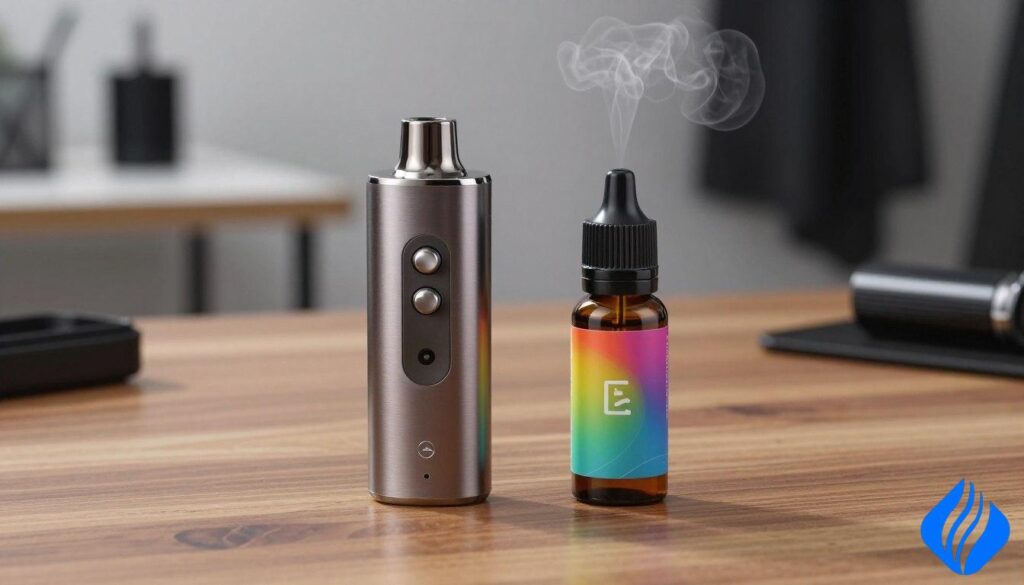
how do you zero a vape is the phrase that frames this technical guide. We set expectations for a long-form, practical manual for adult vapers in the United States. This introduction maps what follows: definitions, safety, testing data, and product specs.
Zeroing refers to reducing visible vapor on the exhale through breath control, short puffs, and device choice. We will define realistic limits. Readers learn what is possible and what is not.
We commit to technical transparency. Later sections include hands-on testing after 5,000 puffs, specs (mAh, ml, % nic salt, coil type, USB‑C), and comparisons with BANG KING 45000 puffs, Bang Tornado 40000, and Randm Tornado 9000. We flag safety: longer retention can raise nicotine intake. Stop if dizzy or coughing.
Key Takeaways
- We define practical goals: minimize visible vapor, not achieve invisibility.
- Technique combines short puffing, timed holds, and slow angled exhale.
- Device and liquid choice affect results; mesh coils and nic salts matter.
- Safety first: pacing prevents excess nicotine absorption.
- Later sections cover advanced methods, troubleshooting, and product specs.
- Testing metrics include puffs per dollar and flavor consistency comparisons.
What “Zeroing” a Vape Means and When It Works Best
This section clarifies what aiming for near‑invisible exhale entails. We define terms and set realistic limits so readers understand practical outcomes and safety considerations.
Definitions and distinctions
Zero vape here means targeting no visible vapor on exhale. Ghosting refers to a faint, wispy cloud on release. Stealth vaping covers broader steps: concealing the device, dimming LEDs, and reducing output.
Why visible vapor appears
Visible vapor rises with larger puffs, high‑VG liquids, and higher power. Denser aerosol and larger droplets stay suspended and form a cloud. Near‑zero exhale works by reducing droplet output and diluting remaining aerosol with fresh air.
Etiquette, legal framing, and risks
In the United States vaping is typically banned where smoking is banned. We advise using designated areas and prioritizing comfort for other people. Relying on stealth to avoid attention is not a substitute for compliance.
| Factor | Effect on visible vapor | Practical choice |
|---|---|---|
| Draw size | Higher output = more vapor | Smaller puffs, tight draw |
| Liquid blend | High VG increases cloud | Higher PG reduces visible vapor |
| Device power | High wattage creates denser aerosol | Low‑watt, MTL devices preferred |
Risk note: Longer breath holds can raise nicotine absorption and cause dizziness. Reduce puff size and pause if symptoms occur.
How do you zero a vape step by step without coughing
We outline a step-by-step method that prioritizes comfort and discretion. Follow each short action slowly and stop if you feel lightheaded or irritated.
Take a small, controlled puff
Step 1: Draw a small-to-medium puff. A smaller puff lowers aerosol mass and reduces throat tickle. This lowers the chance of coughing and produces less visible vapor.
Move vapor from mouth to lungs
Step 2: Hold the vapor briefly in the mouth, then take a deep inhale so the aerosol reaches the lungs. This mouth-to-lungs transition moves droplets where they dissipate faster.
Timed breath-hold and gentle exhale
Step 3: Hold for about 3 seconds initially. Work up toward 8–10 seconds only if comfortable. Then exhale slowly with pursed lips and angle the flow downward.
Exhale through mouth versus nose and the double-inhale
Exhaling through the mouth sends less odor and can hide clouds when angled down. The nose can reveal scent but may cut visible vapor in cool air.
Double-inhale method: Puff, immediately inhale fresh air once to dilute aerosol, then exhale slowly. This repeatable method yields less visible vapor without longer holds.
Safety tip: Reduce draw intensity, hydrate, lower device power, and stop if coughing starts. Practice the steps until they feel natural.
Advanced zero vaping techniques to reduce visible vapor even more
When basic control still leaves a faint plume, refined techniques help further. These methods are optional and intended for experienced users. We stress safety and measured practice before attempting any advanced drill.
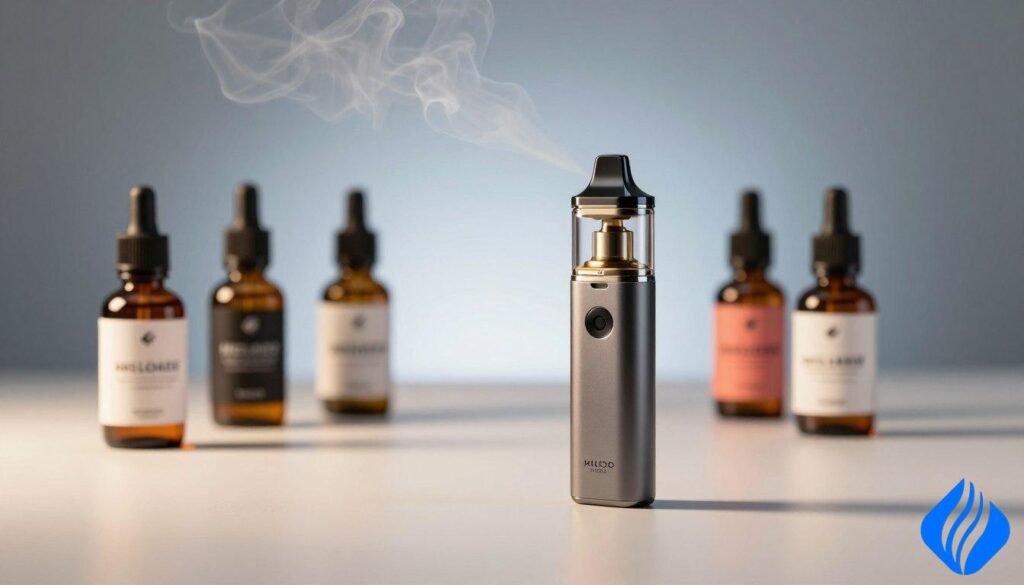
Ghost inhale fundamentals and a clean execution drill
Ghost inhale: take a controlled puff, release a micro-burst, then immediately draw the aerosol back into the lungs. Drill: puff → micro-release (0.5–1s) → re-inhale → minimal exhale. Repeat slowly until timing is consistent.
Snap inhale for fast re-absorption
The snap inhale is a timing skill. After a tiny release, sharply inhale once to re-absorb remaining aerosol. Keep force low; aggressive snaps irritate the throat and worsen the vaping experience.
French inhale and when it backfires
French inhale: let vapor flow from mouth and draw through the nose. It can look controlled but often increases visible output in cold or bright light. Use sparingly and test in private.
Second inhale to thin the cloud
The second inhale is a dilution technique. After the initial puff, inhale fresh air immediately to thin aerosol density. This lowers visible output without longer breath holds.
Palm approach and concealment control
Use grip and hand placement to obscure LEDs and motion. Keep lips pursed and angle exhale downward. Small, deliberate movements attract less notice than abrupt hiding gestures.
Common mistakes that make vapor “show”
- Large puffs and long pulls.
- High‑VG liquids and inconsistent settings.
- Forceful exhale or upward release into still air.
Practice advice: use a mirror to evaluate visible output, standardize time and amount, and track which technique plus device settings give repeatable results. For further technical guidance, see our detailed guide on zeroing techniques.
Choosing the right vape device and e-liquid for zeroing
Selecting the right hardware and e-liquid sets the foundation for discreet performance. We prioritize tools that deliver controlled output and consistent satisfaction.
Compact pod systems vs high‑power setups
Compact pod systems use low wattage and tighter airflow. They produce lighter vapor that disperses quickly. This makes them better for discreet use.
Sub‑ohm tanks are optimized for large clouds. Their airflow and coil resistance favor maximum production. Even perfect technique often leaves visible vapor.
Juice selection and nicotine tradeoffs
Higher PG ratios (70/30, 80/20 PG/VG) reduce visible output. Higher VG thickens aerosol and increases visibility.
Nicotine strength affects puff size. 2% and 5% nic salt formulas can let users take smaller draws. Caution: stronger nicotine raises throat hit and dizziness risk if used repeatedly.
Quick spec checklist for discreet products
- Battery: mAh (lower watt devices suffice)
- Capacity: e‑liquid ml
- Nicotine: 2% / 5% nic salt options
- Coil: mesh vs dual mesh (mesh often gives efficient flavor at low output)
- Charging: USB‑C convenience
“Better for minimal output means predictable control, not maximum flavor or airflow.”
| Type | Output | Best for |
|---|---|---|
| Pod system | Low | Stealth, small puffs |
| Sub‑ohm | High | Clouds, direct‑to‑lung |
| Mesh coil | Moderate | Flavor with smaller hits |
Hands-on testing insights: throat hit, vapor output, and flavor after 5000 puffs
Our team ran methodical trials to track throat sensation, visible aerosol, and taste at the 5,000‑puff mark. We measured throat feel, vapor production, and flavor stability across pod and mesh designs. Testing conditions were consistent: steady room temperature, standard rest between sessions, and repeated measures at set intervals.
Throat hit results
Smooth versus strong
Throat hit ranged from smooth to sharp. Smooth results tied to lower nicotine salts, tighter airflow, and clean coils. Strong results linked to high nicotine, open airflow, or coil degradation over time.
Vapor production by puff style
Short pulls vs deep draws
Short puffs produced far less visible vapor. Deep pulls raised vapor production noticeably and increased visible output. Spacing puffs reduced heat buildup and helped maintain lower vapor.
What fades first and why
Top notes and sweeteners faded first. Causes include coil residue, sweetener caramelization, and changes in wicking saturation. As flavor weakens, users often take larger puffs to chase taste, which increases vapor and defeats control.
- Testing notes: short puffs + cooling time = more consistent vapor and flavor.
- Practical tip: reduce puff duration and avoid chain sessions to preserve output control.
Product comparisons for stealth-friendly disposables: specs, puffs per dollar, flavor consistency
We focus on real metrics—battery, e-liquid volume, nicotine, and coil tech—to judge discreet product value. Our main pick criteria: stable low-to-moderate vapor output, predictable airflow, consistent flavor, and USB‑C rechargeability.
- Battery capacity (mAh)
- E-liquid volume (ml)
- Nicotine strength (2% or 5% nic salt)
- Coil type (mesh coil vs dual mesh)
- Charging port (USB‑C)
Value comparisons: Geek Bar vs our main pick on puffs per dollar. Compute advertised puffs ÷ price, then adjust for real‑world puff length and output. Geek Bar often lists high puff counts, but longer puffs raise vapor and reduce stealth.
Flavor and control: Lost Mary compares on flavor consistency. Dual mesh can sustain taste longer, yet mesh coil often gives efficient flavor at low output—important for stealth vaping.
“Choose a device with even heating and tight airflow. Technique still defines visible vapor.”
| Model type | Battery (mAh) | E-liquid (ml) | Nicotine / Coil |
|---|---|---|---|
| Main pick (compact) | 600–1200 | 8–16 | 2% or 5% nic salt / mesh coil, USB‑C |
| Geek Bar (comparator) | 500–950 | 6–12 | 2% or 5% nic salt / dual mesh (varies) |
| Lost Mary / Raz | 600–1000 | 8–14 | 2% or 5% nic salt / mesh or dual mesh |
For throat hit and vapor control, Raz often favors stronger throat feel and slightly higher output. That makes smaller puffs and steady technique essential to keep visible vapor low.
Shop category hubs for exact specs: Disposable Vapes and Hot Sale. For discreet brand starts, check RandM and Bang. Verify specific listings and read detailed comparisons such as the STLTH review at product reviews.
Troubleshooting, recharging, and authenticity checks
Troubleshooting and validation keep discreet performance reliable in everyday use. Below we list quick diagnostics and a short FAQ so readers can fix issues that raise vapor and spoil technique.
How to know if it’s empty?
Signs to watch: sudden flavor drop, tighter or looser airflow, weak vapor output, and blinking LEDs. If the draw feels harsher, the device may be near empty and can cough on use.
Why this matters: almost-empty units burn hotter and give harsher hits. That causes coughing and larger exhaled aerosol, which defeats discreet technique.
How to recharge safely?
Use a reputable USB‑C cable and a trusted power source. Charge on a nonflammable surface and monitor the unit for heat. Stop charging when the indicator shows full.
Do not continue charging just to finish one more session. If the device gets hot or charging behavior is abnormal, unplug and let it cool. Proper charging preserves battery life and reduces overheating risk.
Is it authentic?
Check the QR code on the package and verify via sokvape.com. Scan the code and follow the on-screen verification link (for example, the provided reference: Sokvape.
Authenticity protects safety and consistent output. Counterfeit units may have unpredictable airflow or coil faults that increase vapor and ruin control.
| Symptom | Likely cause | Quick fix |
|---|---|---|
| Flavor drop | Low e‑liquid or coil wear | Refill/replace or stop use |
| Weak output | Low battery or clogged airway | Recharge and clear airway |
| Blinking LED | Low battery or error | Verify manual, recharge, check authenticity |
Note: Regular checks save time and keep discreet technique effective. Verify authenticity before relying on any device for controlled, low‑output use.
Conclusion
We offer a concise wrap-up that links repeatable method to responsible use.
Core steps for near‑zero results: small puff, deep inhale, short hold, then slow angled exhale. Try the double‑inhale when needed to thin output. Standardize puff length and track hold time so the technique becomes consistent.
Limitations: this method reduces visible vapor but does not remove odor or bypass rules. Stealth vaping must never replace legal compliance or courtesy in U.S. public spaces.
Device and liquid choice matter. Favor low‑watt pod systems and higher PG blends for steadier, lower output. Compare specs on our zeroing techniques page, then browse Disposable Vapes and Hot Sale listings to verify mAh, ml, nicotine strength, coil, and USB‑C details.
Nicotine warning: nicotine is addictive and can be toxic if ingested. Not for youth, pregnant or breastfeeding individuals, or those with certain medical conditions. Consult a clinician if unsure and keep products away from children and pets.
Practice with caution, avoid chain sessions, and prioritize harm reduction and the comfort of others.
 English
  German
  Dutch
Dutch  Danish
  Czech
Czech  Italian
  Slovenian
  French
  Hungarian
  Spanish
  Polish