

Dual mesh coils and smart screens have shifted device performance — and they matter to compliance. The phrase what vapes are illegal in Alabama frames the legal changes that took effect June 1 under Act 2025-403 / HB8.
We write for adults 21+. This is a technical, plain-English explainer of the new framework enforced by the Alabama ABC Board. We will define how a product can be banned from convenience stores yet sold in licensed specialty shops under permit rules.
Nicotine is an addictive chemical. Products that contain nicotine are for adults 21+, not for pregnant or breastfeeding people. Keep devices and e-liquids away from children and pets.
We preview hands-on testing and spec comparisons — battery mAh, e-liquid ml, 2%/5% nic salt, mesh/dual mesh, USB‑C — plus an FAQ on empty devices, safe recharging, and QR-code authenticity checks. Our goal is to reduce consumer risk while explaining the public health intent behind these regulations.
Key Takeaways
- The June 1 law changed retail channels and permit rules enforced by the Alabama ABC Board.
- “Illegal” can mean restricted by retail channel rather than universally banned.
- We test specs: battery mAh, e-liquid ml, mesh types, nic salt levels, and USB‑C charging.
- Nicotine warning: for adults 21+; keep away from youth and vulnerable groups.
- We provide practical tips: spotting emptiness, safe recharge, and verifying authenticity via QR checks.
What Changed in Alabama Vape Law After June 1 (Act 2025-403 / HB8)
Regulatory shifts since June 1 redirected flavored-product sales toward licensed specialty shops. The June 1 law changed which stores may carry certain flavors, updated permit categories, and placed oversight with the state Alcoholic Beverage Control Board. The net effect is channel control, not a total ban on adult access.
Why lawmakers acted
Lawmakers, including Rep. Barbara Drummond, cited rising youth use and broader health concerns about inhaled nicotine aerosols. The public message focused on reducing appeal and access for minors.
Who enforces it
The Alabama ABC Board now handles permitting, compliance checks, and outreach to permit holders. The board issues guidance and pursues violations using administrative tools.
What retailers risk
Non-compliant retailers face escalating penalties: fines, temporary suspension, or permanent permit revocation. That outcome directly threatens ongoing sales and business continuity.
“Enforcement aims to shift availability by channel, not to prohibit lawful adult purchases when sold through compliant pathways.”
Practical takeaway: If a shop removes flavors, it likely responds to channel restrictions and permit rules rather than a supply shortage. Expect uneven rollout across the market as compliance ramps up.
What vapes are illegal in alabama Under the New Flavor and Retail Rules
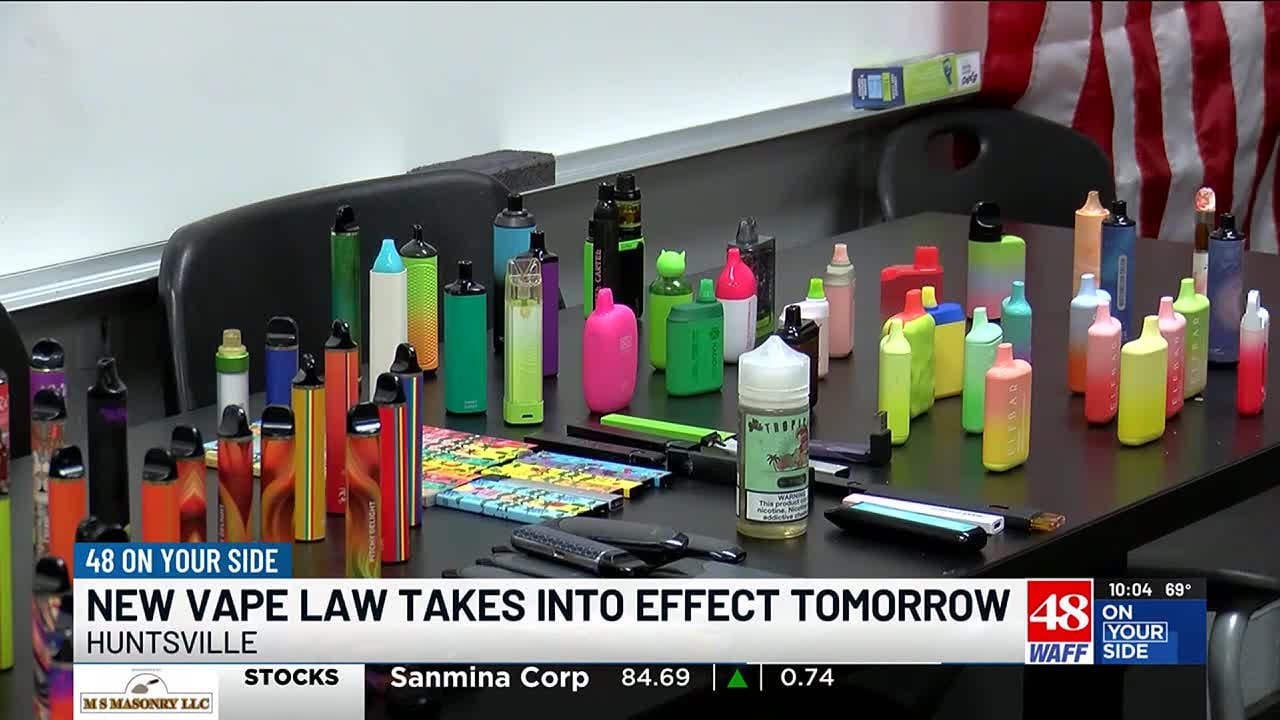
Alabama’s approach links product permissibility to retail channel and permit. Convenience outlets may offer only a narrow set of FDA-authorized tobacco and mint/menthol e-cigarette options. Other flavored lines shift to specialty-shop channels.
Convenience store restrictions
Only 34 FDA-authorized tobacco and mint/menthol products may appear at typical grab-and-go locations.
Flavored product limits
Fruit and candy profiles are removed from convenience shelves. Those flavors remain available, but only through licensed 21+ specialty retailers with specific permits.
Age-gated specialty shops
Specialty shops must enforce 21+ entry, post required signage, and keep inventory aligned with specialty permits. This channel is the legal path for most non-tobacco flavors.
Vending and manufacturing rules
Vending-machine sales of nicotine alternatives face new restrictions to reduce impulse access. The state also requires U.S.-manufactured vape products for legal distribution, which affects supply and stocking decisions.
| Channel | Allowed Profiles | Key Limits | Retailer Action |
|---|---|---|---|
| Convenience stores | Tobacco, mint/menthol (34 FDA items) | No fruit/candy flavors | Adjust inventory; document FDA-authorized SKUs |
| Specialty shops | Full flavor range (21+ entry) | Signage, age-gate, specialty permit | Maintain permit records; control access |
| Vending/install | Severely limited nicotine alternatives | Restricted or banned in many settings | Remove or restrict machines; verify compliance |
Consumer takeaway:If a device or flavor vanishes from a store, it may still be legal but only through compliant specialty channels.Retailersmust match inventory to their permit and document U.S. manufacturing to avoid penalties.
Permits Retailers Need to Sell Vape Products in Alabama
Permit class determines whether a device may be sold at a corner counter or only behind the age-gated door of a specialty shop. Under Act 2025-403 / HB8, lawful sale hinges on matching inventory to the retailer’s permit.
ABC Tobacco Permit — $150/year
The ABC Tobacco Permit costs $150/year. It covers traditional tobacco products and select FDA‑status ENDS or alternatives approved for convenience channels. It does not authorize fruit or candy profiles moved to specialty retail.
ABC Specialty Retailer of ENDS Permit — $1,000/year
The specialty permit is $1,000/year. Holders may carry a broader assortment within federal and state rules. They must enforce 21+ access, post signage, and maintain stricter entry controls.
Operational effect on storefronts
The practical effect is immediate. Convenience-format stores shrink assortments. Specialty outlets expand options but tighten age-gating.
- ID checks at point of purchase
- Controlled merchandising (behind counter or age-gated display)
- Invoice and country-of-origin retention for U.S.-manufactured verification
- Staff training logs and documented compliance procedures
Permits can be suspended or revoked. We recommend retailers keep clear records and consistent checkout controls. For official guidance and permit details, consult the ABC permit guidance.
Consumer Impact: Availability, Pricing, and Out-of-State Purchasing Trends
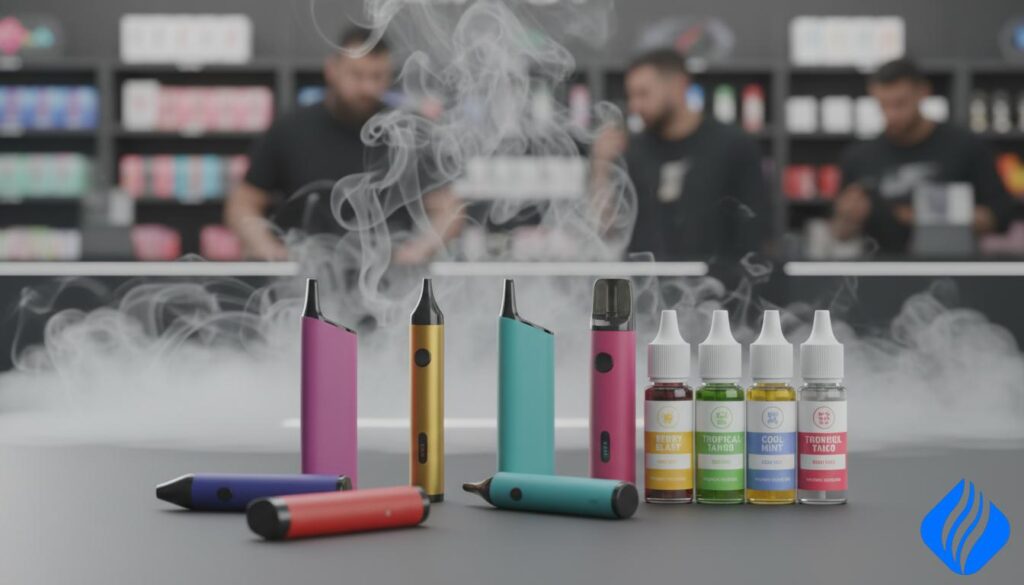
Shoppers should expect fewer flavor choices at typical corner counters. Convenience-format outlets now carry a narrow authorized set. That reduces on-shelf variety and device formats for everyday buyers.
Why selection tightens and what it means
Availability shrinks because convenience stores may stock only limited, FDA‑authorized profiles. Fewer SKUs mean less price competition and simpler ordering for staff.
Stores lose promotional depth. That often raises per-device prices and reduces impulse buys at the register.
Pricing and retailer economics
Industry groups note flavored alternatives can make up 20–30% of convenience profit margins. With that revenue gone or moved, stores will reshape shelving and staffing under the new law.
Compliance costs and smaller assortments tend to push average prices upward. Promotions and multi‑pack discounts may decline as sellers simplify inventories.
Travel, demand shifts, and the Ardmore effect
Some adult consumers change purchase patterns. They may travel farther, buy larger quantities, or switch to specialty shops to maintain product choice and manage household spend.
Cross-border traffic has been reported near Ardmore, Tennessee, with travelers from Birmingham and Huntsville seeking items not sold at Alabama convenience counters. This redirects local sales without removing overall consumer demand.
“Crossing state lines does not alter Alabama retail compliance; age and safety rules still apply.”
Practical takeaway: If you travel, check product authenticity and follow safe charging and storage practices. Reduced convenience availability affects price and routine, but safety and lawful age verification remain essential.
For reporting on retailer reactions and permit changes, see this industry update.
Product Reality Check: Specs, Hands-on Testing, and Comparisons Shoppers Will Still Ask About
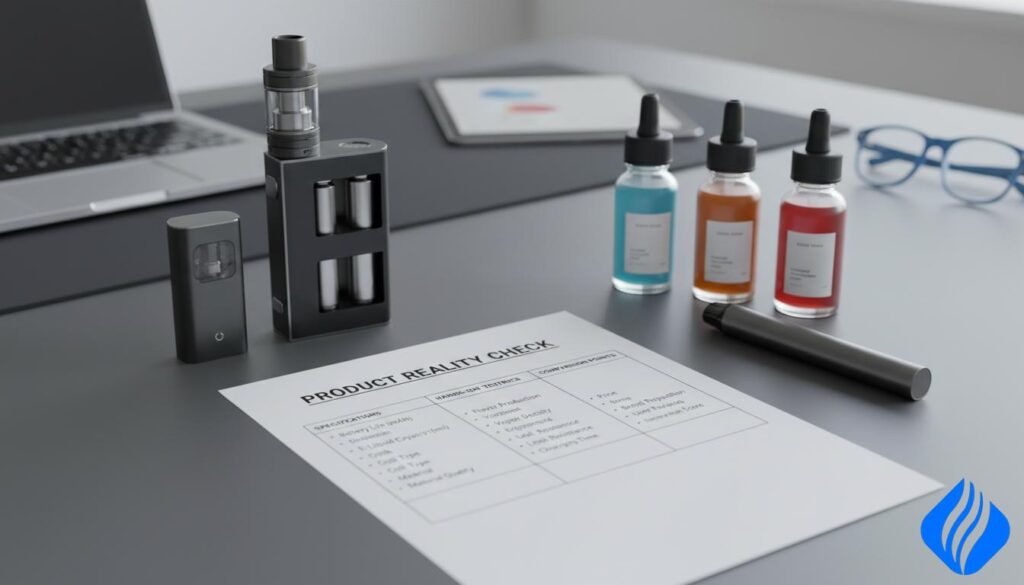
This section gives a compact, technical checklist for shoppers who still compare devices by spec and performance. We note that legality depends on retail channel, permit class, and federal status.
Legal product spec checklist
- Battery: capacity (mAh)
- E-liquid: volume (ml)
- Nicotine: 2% or 5% nic salt
- Coil: mesh or dual mesh
- Charging: USB‑C
- Batch/QR: manufacturer and lot code
Testing & comparison notes
We compare a main disposable pick vs Geek Bar and Lost Mary for puffs-per-dollar and against Raz for flavor stability. Each device spec block we check lists: Battery: ___ mAh; E-liquid: ___ ml; Nicotine: 2%/5%; Coil: Mesh/Dual Mesh; Charging: USB‑C; Claimed puffs: ___.
Hands-on checks: throat hit (smooth/strong), vapor (thin/medium/dense), and flavor at first 500 puffs vs ~5000 puffs. Puffs-per-dollar = claimed puffs ÷ price, then apply a realism correction from our draw-style tests.
Where to browse and quick checks
Compare listings: Disposable Vapes, Hot Sale. Brand shortcuts: RandM, Bang.
- Empty: blinking lights, burnt taste, weak vapor, or visible low e-liquid.
- Recharge safely: use reputable USB‑C adapters, avoid overnight or fast-charging, stop if hot.
- Authenticity: scan the QR code and verify via the brand flow; confirm seller and domain (sokvape.com).
Warning: This product contains nicotine. Nicotine is an addictive chemical. For adults 21+ only.
Conclusion
Our conclusion ties legal shifts to practical shopping steps and safety actions adults should take now.
After June 1, enforcement by the Alabama ABC Board means many products are limited by retail channel. Convenience-format outlets carry a narrow, authorized set while specialty shops operate under tighter age controls and a different permit class.
Keep three practical steps: follow the spec checklist (mAh / ml / nic% / coil / USB‑C), confirm authenticity via QR and lot codes, and verify seller permit status before purchase.
Expect higher prices and travel for certain flavors; cross-border trips do not remove age or safety rules. Warning: This product contains nicotine. Nicotine is an addictive chemical. For adults 21+ only. Keep all devices and e‑liquids away from children and pets.
FAQ
Q: What changed in Alabama vape law after June 1 under Act 2025-403 (HB8)?
Q: Why was this law passed?
Q: Who enforces the new rules and compliance?
Q: What penalties do retailers face for violations?
Q: Which products are restricted at convenience stores under the new rules?
Q: How do flavored product bans work between convenience stores and specialty shops?
Q: What entry and operational rules apply to specialty vape shops?
Q: Are vending machines allowed to sell nicotine products under the updated rules?
Q: How does a “Made-in-USA” requirement affect product legality and supply?
Q: What permits must retailers hold to sell e-cigarette products in Alabama?
FAQ
Q: What changed in Alabama vape law after June 1 under Act 2025-403 (HB8)?
A: The state tightened retail rules and flavor access. The Alabama Alcoholic Beverage Control Board (ABC) now oversees e-cigarette permit categories and enforces new limits on where flavored nicotine products may be sold. The rules restrict certain flavors in convenience outlets, require age-gated specialty shops for broader flavored inventory, and add documentation and labeling expectations for retailers.
Q: Why was this law passed?
A: Lawmakers cited rising youth vaping rates and public health concerns. The statute aims to reduce youth exposure to sweet and fruit flavors and strengthen point-of-sale controls. The public-health rationale centers on youth prevention while preserving harm-reduction options for adults through regulated retail channels.
Q: Who enforces the new rules and compliance?
A: Enforcement falls to the Alabama Alcoholic Beverage Control Board, which inspects retail operations and issues penalties. Local health departments and law enforcement may assist. Retailers must maintain permits, ID-check protocols, and product records to demonstrate compliance during inspections.
Q: What penalties do retailers face for violations?
A: Sanctions include fines, temporary suspension, or revocation of ABC permits. Repeat or egregious violations—especially sales to underage customers—carry higher fines and longer suspensions. Licensees must also correct inventory and signage deficiencies to avoid further action.
Q: Which products are restricted at convenience stores under the new rules?
A: Convenience outlets may stock only a narrow set of options: FDA-authorized tobacco flavors and mint/menthol formulations where applicable. Fruit, candy, and other flavored nicotine salts are limited to licensed specialty vape shops that meet age-gating and inventory standards.
Q: How do flavored product bans work between convenience stores and specialty shops?
A: The law segments the market. Convenience stores may offer basic tobacco and menthol variants. Specialty retailers with the higher-tier permit can carry a wider range of flavors but must operate as 21+ establishments with strict entry controls and signage. This creates a channeling effect for flavored items.
Q: What entry and operational rules apply to specialty vape shops?
A: Specialty shops must restrict entry to adults 21 and over, display required signage, and segregate flavored inventory from general retail areas. They also face tighter recordkeeping, permit fees, and potential on-site age verification audits.
Q: Are vending machines allowed to sell nicotine products under the updated rules?
A: Vending-machine sales face significant limits. The updated rules restrict nicotine alternatives via unattended sales and generally prohibit flavored nicotine products from vending channels unless strict safeguards and verifications are in place, making such uses rare and highly regulated.
Q: How does a “Made-in-USA” requirement affect product legality and supply?
A: Products marketed as U.S.-manufactured may receive preferential treatment under certain compliance pathways. Retailers must verify manufacturing origin through documentation. This requirement can narrow available SKUs, complicate supply chains, and increase reliance on certified domestic suppliers.
Q: What permits must retailers hold to sell e-cigarette products in Alabama?
A: Two primary ABC permits matter: the ABC Tobacco Permit at 0/year for basic tobacco and certain FDA-status ENDS, and the ABC Specialty Retailer of Electronic Nicotine Delivery System Permit at
FAQ
Q: What changed in Alabama vape law after June 1 under Act 2025-403 (HB8)?
A: The state tightened retail rules and flavor access. The Alabama Alcoholic Beverage Control Board (ABC) now oversees e-cigarette permit categories and enforces new limits on where flavored nicotine products may be sold. The rules restrict certain flavors in convenience outlets, require age-gated specialty shops for broader flavored inventory, and add documentation and labeling expectations for retailers.
Q: Why was this law passed?
A: Lawmakers cited rising youth vaping rates and public health concerns. The statute aims to reduce youth exposure to sweet and fruit flavors and strengthen point-of-sale controls. The public-health rationale centers on youth prevention while preserving harm-reduction options for adults through regulated retail channels.
Q: Who enforces the new rules and compliance?
A: Enforcement falls to the Alabama Alcoholic Beverage Control Board, which inspects retail operations and issues penalties. Local health departments and law enforcement may assist. Retailers must maintain permits, ID-check protocols, and product records to demonstrate compliance during inspections.
Q: What penalties do retailers face for violations?
A: Sanctions include fines, temporary suspension, or revocation of ABC permits. Repeat or egregious violations—especially sales to underage customers—carry higher fines and longer suspensions. Licensees must also correct inventory and signage deficiencies to avoid further action.
Q: Which products are restricted at convenience stores under the new rules?
A: Convenience outlets may stock only a narrow set of options: FDA-authorized tobacco flavors and mint/menthol formulations where applicable. Fruit, candy, and other flavored nicotine salts are limited to licensed specialty vape shops that meet age-gating and inventory standards.
Q: How do flavored product bans work between convenience stores and specialty shops?
A: The law segments the market. Convenience stores may offer basic tobacco and menthol variants. Specialty retailers with the higher-tier permit can carry a wider range of flavors but must operate as 21+ establishments with strict entry controls and signage. This creates a channeling effect for flavored items.
Q: What entry and operational rules apply to specialty vape shops?
A: Specialty shops must restrict entry to adults 21 and over, display required signage, and segregate flavored inventory from general retail areas. They also face tighter recordkeeping, permit fees, and potential on-site age verification audits.
Q: Are vending machines allowed to sell nicotine products under the updated rules?
A: Vending-machine sales face significant limits. The updated rules restrict nicotine alternatives via unattended sales and generally prohibit flavored nicotine products from vending channels unless strict safeguards and verifications are in place, making such uses rare and highly regulated.
Q: How does a “Made-in-USA” requirement affect product legality and supply?
A: Products marketed as U.S.-manufactured may receive preferential treatment under certain compliance pathways. Retailers must verify manufacturing origin through documentation. This requirement can narrow available SKUs, complicate supply chains, and increase reliance on certified domestic suppliers.
Q: What permits must retailers hold to sell e-cigarette products in Alabama?
A: Two primary ABC permits matter: the ABC Tobacco Permit at $150/year for basic tobacco and certain FDA-status ENDS, and the ABC Specialty Retailer of Electronic Nicotine Delivery System Permit at $1,000/year for broader flavored inventory and age-gated operations. Each permit carries distinct obligations.
Q: What does the $150 ABC Tobacco Permit cover?
A: The $150 permit covers traditional tobacco products and limited electronic nicotine delivery systems consistent with FDA status and ABC rules. It allows sales at general retail locations but restricts many flavored nicotine salt products and specialty SKUs.
Q: What does the $1,000 specialty ENDS permit require?
A: The specialty ENDS permit mandates a 21+ retail environment, enhanced ID checks, and restricted access to flavored products. Permit holders must keep stricter records and comply with additional signage and inspection protocols to maintain eligibility for wider inventory.
Q: How should stores change inventory and checkout strategy after licensing updates?
A: Retailers should audit SKUs against ABC lists, separate permitted flavored stock behind counters or within specialty areas, train staff on ID verification, and retain sales logs and supplier documentation. Checkout controls like automated age-verification and restricted product displays reduce compliance risk.
Q: How will availability and pricing be affected for consumers?
A: Selection may narrow at convenience stores, pushing flavored purchases to specialty shops or out-of-state options. Reduced competition in certain channels can raise prices. Consumers may see fewer low-cost disposables locally and pay premiums for specialty flavors.
Q: Will cross-border buying increase because of these rules?
A: Yes. Border towns and counties may see increased traffic to neighboring states with looser retail rules. Locations like Ardmore near Tennessee can become purchase points for restricted SKUs, creating a “just across the street” effect for consumers seeking broader flavor selections.
Q: What technical specs should consumers check on legal products?
A: Inspect battery capacity (mAh), e-liquid volume (ml), nicotine strength (commonly 2% or 5% nic salt), coil type (mesh vs dual mesh), and charging connector (USB-C recommended). These specs indicate performance, longevity, and safety compliance.
Q: What hands-on testing insights matter when comparing devices?
A: Evaluate throat hit (smooth vs strong), vapor production, and flavor durability after extended use (for example, performance at 5000 puffs). Also note warm-up behavior, draw style (MTL vs DTL), and coil lifespan under typical conditions.
Q: How do disposables compare on puffs-per-dollar versus brands like Geek Bar and Lost Mary?
A: Cost-per-use depends on listed puff count, nicotine strength, and real-world longevity. Geek Bar and Lost Mary often offer competitive puffs-per-dollar, but real performance varies with draw intensity and device consistency. Compare published specs and hands-on test data before purchase.
Q: How consistent are flavors over time between main picks and alternatives like Raz?
A: Flavor consistency differs by formulation and coil design. Some devices hold flavor well through the first 500 puffs but degrade by 5000 puffs. Mesh coils and quality e-liquid bases tend to preserve flavor longer. Check third-party tests and user reviews for longevity signals.
Q: Where can shoppers browse compliant product options?
A: Look for dedicated retail category pages from reputable suppliers that label FDA-authorized SKUs and show country-of-origin and ingredient disclosure. Internal retailer categories—such as Disposable Vapes and Hot Sale collections—often highlight compliant, in-stock items.
Q: Which brands should shoppers consider for reliable, compliant devices?
A: Established brands with transparency on specs and manufacturing tend to be more consistent. Seek vendors that provide QR-code authenticity, clear nicotine strength labeling, and rechargeable options with USB‑C ports for safety and convenience.
Q: What consumer checks reduce product risk?
A: Verify authenticity via QR codes and manufacturer sites, confirm nicotine strength and country of manufacture, ensure USB‑C charging for safe recharging, know how to identify an empty device, and keep receipts and supplier info. These steps cut counterfeit and safety risks.
,000/year for broader flavored inventory and age-gated operations. Each permit carries distinct obligations.
Q: What does the 0 ABC Tobacco Permit cover?
A: The 0 permit covers traditional tobacco products and limited electronic nicotine delivery systems consistent with FDA status and ABC rules. It allows sales at general retail locations but restricts many flavored nicotine salt products and specialty SKUs.
Q: What does the
FAQ
Q: What changed in Alabama vape law after June 1 under Act 2025-403 (HB8)?
A: The state tightened retail rules and flavor access. The Alabama Alcoholic Beverage Control Board (ABC) now oversees e-cigarette permit categories and enforces new limits on where flavored nicotine products may be sold. The rules restrict certain flavors in convenience outlets, require age-gated specialty shops for broader flavored inventory, and add documentation and labeling expectations for retailers.
Q: Why was this law passed?
A: Lawmakers cited rising youth vaping rates and public health concerns. The statute aims to reduce youth exposure to sweet and fruit flavors and strengthen point-of-sale controls. The public-health rationale centers on youth prevention while preserving harm-reduction options for adults through regulated retail channels.
Q: Who enforces the new rules and compliance?
A: Enforcement falls to the Alabama Alcoholic Beverage Control Board, which inspects retail operations and issues penalties. Local health departments and law enforcement may assist. Retailers must maintain permits, ID-check protocols, and product records to demonstrate compliance during inspections.
Q: What penalties do retailers face for violations?
A: Sanctions include fines, temporary suspension, or revocation of ABC permits. Repeat or egregious violations—especially sales to underage customers—carry higher fines and longer suspensions. Licensees must also correct inventory and signage deficiencies to avoid further action.
Q: Which products are restricted at convenience stores under the new rules?
A: Convenience outlets may stock only a narrow set of options: FDA-authorized tobacco flavors and mint/menthol formulations where applicable. Fruit, candy, and other flavored nicotine salts are limited to licensed specialty vape shops that meet age-gating and inventory standards.
Q: How do flavored product bans work between convenience stores and specialty shops?
A: The law segments the market. Convenience stores may offer basic tobacco and menthol variants. Specialty retailers with the higher-tier permit can carry a wider range of flavors but must operate as 21+ establishments with strict entry controls and signage. This creates a channeling effect for flavored items.
Q: What entry and operational rules apply to specialty vape shops?
A: Specialty shops must restrict entry to adults 21 and over, display required signage, and segregate flavored inventory from general retail areas. They also face tighter recordkeeping, permit fees, and potential on-site age verification audits.
Q: Are vending machines allowed to sell nicotine products under the updated rules?
A: Vending-machine sales face significant limits. The updated rules restrict nicotine alternatives via unattended sales and generally prohibit flavored nicotine products from vending channels unless strict safeguards and verifications are in place, making such uses rare and highly regulated.
Q: How does a “Made-in-USA” requirement affect product legality and supply?
A: Products marketed as U.S.-manufactured may receive preferential treatment under certain compliance pathways. Retailers must verify manufacturing origin through documentation. This requirement can narrow available SKUs, complicate supply chains, and increase reliance on certified domestic suppliers.
Q: What permits must retailers hold to sell e-cigarette products in Alabama?
A: Two primary ABC permits matter: the ABC Tobacco Permit at $150/year for basic tobacco and certain FDA-status ENDS, and the ABC Specialty Retailer of Electronic Nicotine Delivery System Permit at $1,000/year for broader flavored inventory and age-gated operations. Each permit carries distinct obligations.
Q: What does the $150 ABC Tobacco Permit cover?
A: The $150 permit covers traditional tobacco products and limited electronic nicotine delivery systems consistent with FDA status and ABC rules. It allows sales at general retail locations but restricts many flavored nicotine salt products and specialty SKUs.
Q: What does the $1,000 specialty ENDS permit require?
A: The specialty ENDS permit mandates a 21+ retail environment, enhanced ID checks, and restricted access to flavored products. Permit holders must keep stricter records and comply with additional signage and inspection protocols to maintain eligibility for wider inventory.
Q: How should stores change inventory and checkout strategy after licensing updates?
A: Retailers should audit SKUs against ABC lists, separate permitted flavored stock behind counters or within specialty areas, train staff on ID verification, and retain sales logs and supplier documentation. Checkout controls like automated age-verification and restricted product displays reduce compliance risk.
Q: How will availability and pricing be affected for consumers?
A: Selection may narrow at convenience stores, pushing flavored purchases to specialty shops or out-of-state options. Reduced competition in certain channels can raise prices. Consumers may see fewer low-cost disposables locally and pay premiums for specialty flavors.
Q: Will cross-border buying increase because of these rules?
A: Yes. Border towns and counties may see increased traffic to neighboring states with looser retail rules. Locations like Ardmore near Tennessee can become purchase points for restricted SKUs, creating a “just across the street” effect for consumers seeking broader flavor selections.
Q: What technical specs should consumers check on legal products?
A: Inspect battery capacity (mAh), e-liquid volume (ml), nicotine strength (commonly 2% or 5% nic salt), coil type (mesh vs dual mesh), and charging connector (USB-C recommended). These specs indicate performance, longevity, and safety compliance.
Q: What hands-on testing insights matter when comparing devices?
A: Evaluate throat hit (smooth vs strong), vapor production, and flavor durability after extended use (for example, performance at 5000 puffs). Also note warm-up behavior, draw style (MTL vs DTL), and coil lifespan under typical conditions.
Q: How do disposables compare on puffs-per-dollar versus brands like Geek Bar and Lost Mary?
A: Cost-per-use depends on listed puff count, nicotine strength, and real-world longevity. Geek Bar and Lost Mary often offer competitive puffs-per-dollar, but real performance varies with draw intensity and device consistency. Compare published specs and hands-on test data before purchase.
Q: How consistent are flavors over time between main picks and alternatives like Raz?
A: Flavor consistency differs by formulation and coil design. Some devices hold flavor well through the first 500 puffs but degrade by 5000 puffs. Mesh coils and quality e-liquid bases tend to preserve flavor longer. Check third-party tests and user reviews for longevity signals.
Q: Where can shoppers browse compliant product options?
A: Look for dedicated retail category pages from reputable suppliers that label FDA-authorized SKUs and show country-of-origin and ingredient disclosure. Internal retailer categories—such as Disposable Vapes and Hot Sale collections—often highlight compliant, in-stock items.
Q: Which brands should shoppers consider for reliable, compliant devices?
A: Established brands with transparency on specs and manufacturing tend to be more consistent. Seek vendors that provide QR-code authenticity, clear nicotine strength labeling, and rechargeable options with USB‑C ports for safety and convenience.
Q: What consumer checks reduce product risk?
A: Verify authenticity via QR codes and manufacturer sites, confirm nicotine strength and country of manufacture, ensure USB‑C charging for safe recharging, know how to identify an empty device, and keep receipts and supplier info. These steps cut counterfeit and safety risks.
,000 specialty ENDS permit require?
A: The specialty ENDS permit mandates a 21+ retail environment, enhanced ID checks, and restricted access to flavored products. Permit holders must keep stricter records and comply with additional signage and inspection protocols to maintain eligibility for wider inventory.
Q: How should stores change inventory and checkout strategy after licensing updates?
A: Retailers should audit SKUs against ABC lists, separate permitted flavored stock behind counters or within specialty areas, train staff on ID verification, and retain sales logs and supplier documentation. Checkout controls like automated age-verification and restricted product displays reduce compliance risk.
Q: How will availability and pricing be affected for consumers?
A: Selection may narrow at convenience stores, pushing flavored purchases to specialty shops or out-of-state options. Reduced competition in certain channels can raise prices. Consumers may see fewer low-cost disposables locally and pay premiums for specialty flavors.
Q: Will cross-border buying increase because of these rules?
A: Yes. Border towns and counties may see increased traffic to neighboring states with looser retail rules. Locations like Ardmore near Tennessee can become purchase points for restricted SKUs, creating a “just across the street” effect for consumers seeking broader flavor selections.
Q: What technical specs should consumers check on legal products?
A: Inspect battery capacity (mAh), e-liquid volume (ml), nicotine strength (commonly 2% or 5% nic salt), coil type (mesh vs dual mesh), and charging connector (USB-C recommended). These specs indicate performance, longevity, and safety compliance.
Q: What hands-on testing insights matter when comparing devices?
A: Evaluate throat hit (smooth vs strong), vapor production, and flavor durability after extended use (for example, performance at 5000 puffs). Also note warm-up behavior, draw style (MTL vs DTL), and coil lifespan under typical conditions.
Q: How do disposables compare on puffs-per-dollar versus brands like Geek Bar and Lost Mary?
A: Cost-per-use depends on listed puff count, nicotine strength, and real-world longevity. Geek Bar and Lost Mary often offer competitive puffs-per-dollar, but real performance varies with draw intensity and device consistency. Compare published specs and hands-on test data before purchase.
Q: How consistent are flavors over time between main picks and alternatives like Raz?
A: Flavor consistency differs by formulation and coil design. Some devices hold flavor well through the first 500 puffs but degrade by 5000 puffs. Mesh coils and quality e-liquid bases tend to preserve flavor longer. Check third-party tests and user reviews for longevity signals.
Q: Where can shoppers browse compliant product options?
A: Look for dedicated retail category pages from reputable suppliers that label FDA-authorized SKUs and show country-of-origin and ingredient disclosure. Internal retailer categories—such as Disposable Vapes and Hot Sale collections—often highlight compliant, in-stock items.
Q: Which brands should shoppers consider for reliable, compliant devices?
A: Established brands with transparency on specs and manufacturing tend to be more consistent. Seek vendors that provide QR-code authenticity, clear nicotine strength labeling, and rechargeable options with USB‑C ports for safety and convenience.
Q: What consumer checks reduce product risk?
A: Verify authenticity via QR codes and manufacturer sites, confirm nicotine strength and country of manufacture, ensure USB‑C charging for safe recharging, know how to identify an empty device, and keep receipts and supplier info. These steps cut counterfeit and safety risks.
FAQ
Q: What changed in Alabama vape law after June 1 under Act 2025-403 (HB8)?
A: The state tightened retail rules and flavor access. The Alabama Alcoholic Beverage Control Board (ABC) now oversees e-cigarette permit categories and enforces new limits on where flavored nicotine products may be sold. The rules restrict certain flavors in convenience outlets, require age-gated specialty shops for broader flavored inventory, and add documentation and labeling expectations for retailers.
Q: Why was this law passed?
A: Lawmakers cited rising youth vaping rates and public health concerns. The statute aims to reduce youth exposure to sweet and fruit flavors and strengthen point-of-sale controls. The public-health rationale centers on youth prevention while preserving harm-reduction options for adults through regulated retail channels.
Q: Who enforces the new rules and compliance?
A: Enforcement falls to the Alabama Alcoholic Beverage Control Board, which inspects retail operations and issues penalties. Local health departments and law enforcement may assist. Retailers must maintain permits, ID-check protocols, and product records to demonstrate compliance during inspections.
Q: What penalties do retailers face for violations?
A: Sanctions include fines, temporary suspension, or revocation of ABC permits. Repeat or egregious violations—especially sales to underage customers—carry higher fines and longer suspensions. Licensees must also correct inventory and signage deficiencies to avoid further action.
Q: Which products are restricted at convenience stores under the new rules?
A: Convenience outlets may stock only a narrow set of options: FDA-authorized tobacco flavors and mint/menthol formulations where applicable. Fruit, candy, and other flavored nicotine salts are limited to licensed specialty vape shops that meet age-gating and inventory standards.
Q: How do flavored product bans work between convenience stores and specialty shops?
A: The law segments the market. Convenience stores may offer basic tobacco and menthol variants. Specialty retailers with the higher-tier permit can carry a wider range of flavors but must operate as 21+ establishments with strict entry controls and signage. This creates a channeling effect for flavored items.
Q: What entry and operational rules apply to specialty vape shops?
A: Specialty shops must restrict entry to adults 21 and over, display required signage, and segregate flavored inventory from general retail areas. They also face tighter recordkeeping, permit fees, and potential on-site age verification audits.
Q: Are vending machines allowed to sell nicotine products under the updated rules?
A: Vending-machine sales face significant limits. The updated rules restrict nicotine alternatives via unattended sales and generally prohibit flavored nicotine products from vending channels unless strict safeguards and verifications are in place, making such uses rare and highly regulated.
Q: How does a “Made-in-USA” requirement affect product legality and supply?
A: Products marketed as U.S.-manufactured may receive preferential treatment under certain compliance pathways. Retailers must verify manufacturing origin through documentation. This requirement can narrow available SKUs, complicate supply chains, and increase reliance on certified domestic suppliers.
Q: What permits must retailers hold to sell e-cigarette products in Alabama?
A: Two primary ABC permits matter: the ABC Tobacco Permit at 0/year for basic tobacco and certain FDA-status ENDS, and the ABC Specialty Retailer of Electronic Nicotine Delivery System Permit at
FAQ
Q: What changed in Alabama vape law after June 1 under Act 2025-403 (HB8)?
A: The state tightened retail rules and flavor access. The Alabama Alcoholic Beverage Control Board (ABC) now oversees e-cigarette permit categories and enforces new limits on where flavored nicotine products may be sold. The rules restrict certain flavors in convenience outlets, require age-gated specialty shops for broader flavored inventory, and add documentation and labeling expectations for retailers.
Q: Why was this law passed?
A: Lawmakers cited rising youth vaping rates and public health concerns. The statute aims to reduce youth exposure to sweet and fruit flavors and strengthen point-of-sale controls. The public-health rationale centers on youth prevention while preserving harm-reduction options for adults through regulated retail channels.
Q: Who enforces the new rules and compliance?
A: Enforcement falls to the Alabama Alcoholic Beverage Control Board, which inspects retail operations and issues penalties. Local health departments and law enforcement may assist. Retailers must maintain permits, ID-check protocols, and product records to demonstrate compliance during inspections.
Q: What penalties do retailers face for violations?
A: Sanctions include fines, temporary suspension, or revocation of ABC permits. Repeat or egregious violations—especially sales to underage customers—carry higher fines and longer suspensions. Licensees must also correct inventory and signage deficiencies to avoid further action.
Q: Which products are restricted at convenience stores under the new rules?
A: Convenience outlets may stock only a narrow set of options: FDA-authorized tobacco flavors and mint/menthol formulations where applicable. Fruit, candy, and other flavored nicotine salts are limited to licensed specialty vape shops that meet age-gating and inventory standards.
Q: How do flavored product bans work between convenience stores and specialty shops?
A: The law segments the market. Convenience stores may offer basic tobacco and menthol variants. Specialty retailers with the higher-tier permit can carry a wider range of flavors but must operate as 21+ establishments with strict entry controls and signage. This creates a channeling effect for flavored items.
Q: What entry and operational rules apply to specialty vape shops?
A: Specialty shops must restrict entry to adults 21 and over, display required signage, and segregate flavored inventory from general retail areas. They also face tighter recordkeeping, permit fees, and potential on-site age verification audits.
Q: Are vending machines allowed to sell nicotine products under the updated rules?
A: Vending-machine sales face significant limits. The updated rules restrict nicotine alternatives via unattended sales and generally prohibit flavored nicotine products from vending channels unless strict safeguards and verifications are in place, making such uses rare and highly regulated.
Q: How does a “Made-in-USA” requirement affect product legality and supply?
A: Products marketed as U.S.-manufactured may receive preferential treatment under certain compliance pathways. Retailers must verify manufacturing origin through documentation. This requirement can narrow available SKUs, complicate supply chains, and increase reliance on certified domestic suppliers.
Q: What permits must retailers hold to sell e-cigarette products in Alabama?
A: Two primary ABC permits matter: the ABC Tobacco Permit at $150/year for basic tobacco and certain FDA-status ENDS, and the ABC Specialty Retailer of Electronic Nicotine Delivery System Permit at $1,000/year for broader flavored inventory and age-gated operations. Each permit carries distinct obligations.
Q: What does the $150 ABC Tobacco Permit cover?
A: The $150 permit covers traditional tobacco products and limited electronic nicotine delivery systems consistent with FDA status and ABC rules. It allows sales at general retail locations but restricts many flavored nicotine salt products and specialty SKUs.
Q: What does the $1,000 specialty ENDS permit require?
A: The specialty ENDS permit mandates a 21+ retail environment, enhanced ID checks, and restricted access to flavored products. Permit holders must keep stricter records and comply with additional signage and inspection protocols to maintain eligibility for wider inventory.
Q: How should stores change inventory and checkout strategy after licensing updates?
A: Retailers should audit SKUs against ABC lists, separate permitted flavored stock behind counters or within specialty areas, train staff on ID verification, and retain sales logs and supplier documentation. Checkout controls like automated age-verification and restricted product displays reduce compliance risk.
Q: How will availability and pricing be affected for consumers?
A: Selection may narrow at convenience stores, pushing flavored purchases to specialty shops or out-of-state options. Reduced competition in certain channels can raise prices. Consumers may see fewer low-cost disposables locally and pay premiums for specialty flavors.
Q: Will cross-border buying increase because of these rules?
A: Yes. Border towns and counties may see increased traffic to neighboring states with looser retail rules. Locations like Ardmore near Tennessee can become purchase points for restricted SKUs, creating a “just across the street” effect for consumers seeking broader flavor selections.
Q: What technical specs should consumers check on legal products?
A: Inspect battery capacity (mAh), e-liquid volume (ml), nicotine strength (commonly 2% or 5% nic salt), coil type (mesh vs dual mesh), and charging connector (USB-C recommended). These specs indicate performance, longevity, and safety compliance.
Q: What hands-on testing insights matter when comparing devices?
A: Evaluate throat hit (smooth vs strong), vapor production, and flavor durability after extended use (for example, performance at 5000 puffs). Also note warm-up behavior, draw style (MTL vs DTL), and coil lifespan under typical conditions.
Q: How do disposables compare on puffs-per-dollar versus brands like Geek Bar and Lost Mary?
A: Cost-per-use depends on listed puff count, nicotine strength, and real-world longevity. Geek Bar and Lost Mary often offer competitive puffs-per-dollar, but real performance varies with draw intensity and device consistency. Compare published specs and hands-on test data before purchase.
Q: How consistent are flavors over time between main picks and alternatives like Raz?
A: Flavor consistency differs by formulation and coil design. Some devices hold flavor well through the first 500 puffs but degrade by 5000 puffs. Mesh coils and quality e-liquid bases tend to preserve flavor longer. Check third-party tests and user reviews for longevity signals.
Q: Where can shoppers browse compliant product options?
A: Look for dedicated retail category pages from reputable suppliers that label FDA-authorized SKUs and show country-of-origin and ingredient disclosure. Internal retailer categories—such as Disposable Vapes and Hot Sale collections—often highlight compliant, in-stock items.
Q: Which brands should shoppers consider for reliable, compliant devices?
A: Established brands with transparency on specs and manufacturing tend to be more consistent. Seek vendors that provide QR-code authenticity, clear nicotine strength labeling, and rechargeable options with USB‑C ports for safety and convenience.
Q: What consumer checks reduce product risk?
A: Verify authenticity via QR codes and manufacturer sites, confirm nicotine strength and country of manufacture, ensure USB‑C charging for safe recharging, know how to identify an empty device, and keep receipts and supplier info. These steps cut counterfeit and safety risks.
,000/year for broader flavored inventory and age-gated operations. Each permit carries distinct obligations.
Q: What does the 0 ABC Tobacco Permit cover?
A: The 0 permit covers traditional tobacco products and limited electronic nicotine delivery systems consistent with FDA status and ABC rules. It allows sales at general retail locations but restricts many flavored nicotine salt products and specialty SKUs.
Q: What does the
FAQ
Q: What changed in Alabama vape law after June 1 under Act 2025-403 (HB8)?
A: The state tightened retail rules and flavor access. The Alabama Alcoholic Beverage Control Board (ABC) now oversees e-cigarette permit categories and enforces new limits on where flavored nicotine products may be sold. The rules restrict certain flavors in convenience outlets, require age-gated specialty shops for broader flavored inventory, and add documentation and labeling expectations for retailers.
Q: Why was this law passed?
A: Lawmakers cited rising youth vaping rates and public health concerns. The statute aims to reduce youth exposure to sweet and fruit flavors and strengthen point-of-sale controls. The public-health rationale centers on youth prevention while preserving harm-reduction options for adults through regulated retail channels.
Q: Who enforces the new rules and compliance?
A: Enforcement falls to the Alabama Alcoholic Beverage Control Board, which inspects retail operations and issues penalties. Local health departments and law enforcement may assist. Retailers must maintain permits, ID-check protocols, and product records to demonstrate compliance during inspections.
Q: What penalties do retailers face for violations?
A: Sanctions include fines, temporary suspension, or revocation of ABC permits. Repeat or egregious violations—especially sales to underage customers—carry higher fines and longer suspensions. Licensees must also correct inventory and signage deficiencies to avoid further action.
Q: Which products are restricted at convenience stores under the new rules?
A: Convenience outlets may stock only a narrow set of options: FDA-authorized tobacco flavors and mint/menthol formulations where applicable. Fruit, candy, and other flavored nicotine salts are limited to licensed specialty vape shops that meet age-gating and inventory standards.
Q: How do flavored product bans work between convenience stores and specialty shops?
A: The law segments the market. Convenience stores may offer basic tobacco and menthol variants. Specialty retailers with the higher-tier permit can carry a wider range of flavors but must operate as 21+ establishments with strict entry controls and signage. This creates a channeling effect for flavored items.
Q: What entry and operational rules apply to specialty vape shops?
A: Specialty shops must restrict entry to adults 21 and over, display required signage, and segregate flavored inventory from general retail areas. They also face tighter recordkeeping, permit fees, and potential on-site age verification audits.
Q: Are vending machines allowed to sell nicotine products under the updated rules?
A: Vending-machine sales face significant limits. The updated rules restrict nicotine alternatives via unattended sales and generally prohibit flavored nicotine products from vending channels unless strict safeguards and verifications are in place, making such uses rare and highly regulated.
Q: How does a “Made-in-USA” requirement affect product legality and supply?
A: Products marketed as U.S.-manufactured may receive preferential treatment under certain compliance pathways. Retailers must verify manufacturing origin through documentation. This requirement can narrow available SKUs, complicate supply chains, and increase reliance on certified domestic suppliers.
Q: What permits must retailers hold to sell e-cigarette products in Alabama?
A: Two primary ABC permits matter: the ABC Tobacco Permit at $150/year for basic tobacco and certain FDA-status ENDS, and the ABC Specialty Retailer of Electronic Nicotine Delivery System Permit at $1,000/year for broader flavored inventory and age-gated operations. Each permit carries distinct obligations.
Q: What does the $150 ABC Tobacco Permit cover?
A: The $150 permit covers traditional tobacco products and limited electronic nicotine delivery systems consistent with FDA status and ABC rules. It allows sales at general retail locations but restricts many flavored nicotine salt products and specialty SKUs.
Q: What does the $1,000 specialty ENDS permit require?
A: The specialty ENDS permit mandates a 21+ retail environment, enhanced ID checks, and restricted access to flavored products. Permit holders must keep stricter records and comply with additional signage and inspection protocols to maintain eligibility for wider inventory.
Q: How should stores change inventory and checkout strategy after licensing updates?
A: Retailers should audit SKUs against ABC lists, separate permitted flavored stock behind counters or within specialty areas, train staff on ID verification, and retain sales logs and supplier documentation. Checkout controls like automated age-verification and restricted product displays reduce compliance risk.
Q: How will availability and pricing be affected for consumers?
A: Selection may narrow at convenience stores, pushing flavored purchases to specialty shops or out-of-state options. Reduced competition in certain channels can raise prices. Consumers may see fewer low-cost disposables locally and pay premiums for specialty flavors.
Q: Will cross-border buying increase because of these rules?
A: Yes. Border towns and counties may see increased traffic to neighboring states with looser retail rules. Locations like Ardmore near Tennessee can become purchase points for restricted SKUs, creating a “just across the street” effect for consumers seeking broader flavor selections.
Q: What technical specs should consumers check on legal products?
A: Inspect battery capacity (mAh), e-liquid volume (ml), nicotine strength (commonly 2% or 5% nic salt), coil type (mesh vs dual mesh), and charging connector (USB-C recommended). These specs indicate performance, longevity, and safety compliance.
Q: What hands-on testing insights matter when comparing devices?
A: Evaluate throat hit (smooth vs strong), vapor production, and flavor durability after extended use (for example, performance at 5000 puffs). Also note warm-up behavior, draw style (MTL vs DTL), and coil lifespan under typical conditions.
Q: How do disposables compare on puffs-per-dollar versus brands like Geek Bar and Lost Mary?
A: Cost-per-use depends on listed puff count, nicotine strength, and real-world longevity. Geek Bar and Lost Mary often offer competitive puffs-per-dollar, but real performance varies with draw intensity and device consistency. Compare published specs and hands-on test data before purchase.
Q: How consistent are flavors over time between main picks and alternatives like Raz?
A: Flavor consistency differs by formulation and coil design. Some devices hold flavor well through the first 500 puffs but degrade by 5000 puffs. Mesh coils and quality e-liquid bases tend to preserve flavor longer. Check third-party tests and user reviews for longevity signals.
Q: Where can shoppers browse compliant product options?
A: Look for dedicated retail category pages from reputable suppliers that label FDA-authorized SKUs and show country-of-origin and ingredient disclosure. Internal retailer categories—such as Disposable Vapes and Hot Sale collections—often highlight compliant, in-stock items.
Q: Which brands should shoppers consider for reliable, compliant devices?
A: Established brands with transparency on specs and manufacturing tend to be more consistent. Seek vendors that provide QR-code authenticity, clear nicotine strength labeling, and rechargeable options with USB‑C ports for safety and convenience.
Q: What consumer checks reduce product risk?
A: Verify authenticity via QR codes and manufacturer sites, confirm nicotine strength and country of manufacture, ensure USB‑C charging for safe recharging, know how to identify an empty device, and keep receipts and supplier info. These steps cut counterfeit and safety risks.
,000 specialty ENDS permit require?
A: The specialty ENDS permit mandates a 21+ retail environment, enhanced ID checks, and restricted access to flavored products. Permit holders must keep stricter records and comply with additional signage and inspection protocols to maintain eligibility for wider inventory.
Q: How should stores change inventory and checkout strategy after licensing updates?
A: Retailers should audit SKUs against ABC lists, separate permitted flavored stock behind counters or within specialty areas, train staff on ID verification, and retain sales logs and supplier documentation. Checkout controls like automated age-verification and restricted product displays reduce compliance risk.
Q: How will availability and pricing be affected for consumers?
A: Selection may narrow at convenience stores, pushing flavored purchases to specialty shops or out-of-state options. Reduced competition in certain channels can raise prices. Consumers may see fewer low-cost disposables locally and pay premiums for specialty flavors.
Q: Will cross-border buying increase because of these rules?
A: Yes. Border towns and counties may see increased traffic to neighboring states with looser retail rules. Locations like Ardmore near Tennessee can become purchase points for restricted SKUs, creating a “just across the street” effect for consumers seeking broader flavor selections.
Q: What technical specs should consumers check on legal products?
A: Inspect battery capacity (mAh), e-liquid volume (ml), nicotine strength (commonly 2% or 5% nic salt), coil type (mesh vs dual mesh), and charging connector (USB-C recommended). These specs indicate performance, longevity, and safety compliance.
Q: What hands-on testing insights matter when comparing devices?
A: Evaluate throat hit (smooth vs strong), vapor production, and flavor durability after extended use (for example, performance at 5000 puffs). Also note warm-up behavior, draw style (MTL vs DTL), and coil lifespan under typical conditions.
Q: How do disposables compare on puffs-per-dollar versus brands like Geek Bar and Lost Mary?
A: Cost-per-use depends on listed puff count, nicotine strength, and real-world longevity. Geek Bar and Lost Mary often offer competitive puffs-per-dollar, but real performance varies with draw intensity and device consistency. Compare published specs and hands-on test data before purchase.
Q: How consistent are flavors over time between main picks and alternatives like Raz?
A: Flavor consistency differs by formulation and coil design. Some devices hold flavor well through the first 500 puffs but degrade by 5000 puffs. Mesh coils and quality e-liquid bases tend to preserve flavor longer. Check third-party tests and user reviews for longevity signals.
Q: Where can shoppers browse compliant product options?
A: Look for dedicated retail category pages from reputable suppliers that label FDA-authorized SKUs and show country-of-origin and ingredient disclosure. Internal retailer categories—such as Disposable Vapes and Hot Sale collections—often highlight compliant, in-stock items.
Q: Which brands should shoppers consider for reliable, compliant devices?
A: Established brands with transparency on specs and manufacturing tend to be more consistent. Seek vendors that provide QR-code authenticity, clear nicotine strength labeling, and rechargeable options with USB‑C ports for safety and convenience.
Q: What consumer checks reduce product risk?
A: Verify authenticity via QR codes and manufacturer sites, confirm nicotine strength and country of manufacture, ensure USB‑C charging for safe recharging, know how to identify an empty device, and keep receipts and supplier info. These steps cut counterfeit and safety risks.
Q: What does the 0 ABC Tobacco Permit cover?
Q: What does the
FAQ
Q: What changed in Alabama vape law after June 1 under Act 2025-403 (HB8)?
A: The state tightened retail rules and flavor access. The Alabama Alcoholic Beverage Control Board (ABC) now oversees e-cigarette permit categories and enforces new limits on where flavored nicotine products may be sold. The rules restrict certain flavors in convenience outlets, require age-gated specialty shops for broader flavored inventory, and add documentation and labeling expectations for retailers.
Q: Why was this law passed?
A: Lawmakers cited rising youth vaping rates and public health concerns. The statute aims to reduce youth exposure to sweet and fruit flavors and strengthen point-of-sale controls. The public-health rationale centers on youth prevention while preserving harm-reduction options for adults through regulated retail channels.
Q: Who enforces the new rules and compliance?
A: Enforcement falls to the Alabama Alcoholic Beverage Control Board, which inspects retail operations and issues penalties. Local health departments and law enforcement may assist. Retailers must maintain permits, ID-check protocols, and product records to demonstrate compliance during inspections.
Q: What penalties do retailers face for violations?
A: Sanctions include fines, temporary suspension, or revocation of ABC permits. Repeat or egregious violations—especially sales to underage customers—carry higher fines and longer suspensions. Licensees must also correct inventory and signage deficiencies to avoid further action.
Q: Which products are restricted at convenience stores under the new rules?
A: Convenience outlets may stock only a narrow set of options: FDA-authorized tobacco flavors and mint/menthol formulations where applicable. Fruit, candy, and other flavored nicotine salts are limited to licensed specialty vape shops that meet age-gating and inventory standards.
Q: How do flavored product bans work between convenience stores and specialty shops?
A: The law segments the market. Convenience stores may offer basic tobacco and menthol variants. Specialty retailers with the higher-tier permit can carry a wider range of flavors but must operate as 21+ establishments with strict entry controls and signage. This creates a channeling effect for flavored items.
Q: What entry and operational rules apply to specialty vape shops?
A: Specialty shops must restrict entry to adults 21 and over, display required signage, and segregate flavored inventory from general retail areas. They also face tighter recordkeeping, permit fees, and potential on-site age verification audits.
Q: Are vending machines allowed to sell nicotine products under the updated rules?
A: Vending-machine sales face significant limits. The updated rules restrict nicotine alternatives via unattended sales and generally prohibit flavored nicotine products from vending channels unless strict safeguards and verifications are in place, making such uses rare and highly regulated.
Q: How does a “Made-in-USA” requirement affect product legality and supply?
A: Products marketed as U.S.-manufactured may receive preferential treatment under certain compliance pathways. Retailers must verify manufacturing origin through documentation. This requirement can narrow available SKUs, complicate supply chains, and increase reliance on certified domestic suppliers.
Q: What permits must retailers hold to sell e-cigarette products in Alabama?
A: Two primary ABC permits matter: the ABC Tobacco Permit at 0/year for basic tobacco and certain FDA-status ENDS, and the ABC Specialty Retailer of Electronic Nicotine Delivery System Permit at
FAQ
Q: What changed in Alabama vape law after June 1 under Act 2025-403 (HB8)?
A: The state tightened retail rules and flavor access. The Alabama Alcoholic Beverage Control Board (ABC) now oversees e-cigarette permit categories and enforces new limits on where flavored nicotine products may be sold. The rules restrict certain flavors in convenience outlets, require age-gated specialty shops for broader flavored inventory, and add documentation and labeling expectations for retailers.
Q: Why was this law passed?
A: Lawmakers cited rising youth vaping rates and public health concerns. The statute aims to reduce youth exposure to sweet and fruit flavors and strengthen point-of-sale controls. The public-health rationale centers on youth prevention while preserving harm-reduction options for adults through regulated retail channels.
Q: Who enforces the new rules and compliance?
A: Enforcement falls to the Alabama Alcoholic Beverage Control Board, which inspects retail operations and issues penalties. Local health departments and law enforcement may assist. Retailers must maintain permits, ID-check protocols, and product records to demonstrate compliance during inspections.
Q: What penalties do retailers face for violations?
A: Sanctions include fines, temporary suspension, or revocation of ABC permits. Repeat or egregious violations—especially sales to underage customers—carry higher fines and longer suspensions. Licensees must also correct inventory and signage deficiencies to avoid further action.
Q: Which products are restricted at convenience stores under the new rules?
A: Convenience outlets may stock only a narrow set of options: FDA-authorized tobacco flavors and mint/menthol formulations where applicable. Fruit, candy, and other flavored nicotine salts are limited to licensed specialty vape shops that meet age-gating and inventory standards.
Q: How do flavored product bans work between convenience stores and specialty shops?
A: The law segments the market. Convenience stores may offer basic tobacco and menthol variants. Specialty retailers with the higher-tier permit can carry a wider range of flavors but must operate as 21+ establishments with strict entry controls and signage. This creates a channeling effect for flavored items.
Q: What entry and operational rules apply to specialty vape shops?
A: Specialty shops must restrict entry to adults 21 and over, display required signage, and segregate flavored inventory from general retail areas. They also face tighter recordkeeping, permit fees, and potential on-site age verification audits.
Q: Are vending machines allowed to sell nicotine products under the updated rules?
A: Vending-machine sales face significant limits. The updated rules restrict nicotine alternatives via unattended sales and generally prohibit flavored nicotine products from vending channels unless strict safeguards and verifications are in place, making such uses rare and highly regulated.
Q: How does a “Made-in-USA” requirement affect product legality and supply?
A: Products marketed as U.S.-manufactured may receive preferential treatment under certain compliance pathways. Retailers must verify manufacturing origin through documentation. This requirement can narrow available SKUs, complicate supply chains, and increase reliance on certified domestic suppliers.
Q: What permits must retailers hold to sell e-cigarette products in Alabama?
A: Two primary ABC permits matter: the ABC Tobacco Permit at $150/year for basic tobacco and certain FDA-status ENDS, and the ABC Specialty Retailer of Electronic Nicotine Delivery System Permit at $1,000/year for broader flavored inventory and age-gated operations. Each permit carries distinct obligations.
Q: What does the $150 ABC Tobacco Permit cover?
A: The $150 permit covers traditional tobacco products and limited electronic nicotine delivery systems consistent with FDA status and ABC rules. It allows sales at general retail locations but restricts many flavored nicotine salt products and specialty SKUs.
Q: What does the $1,000 specialty ENDS permit require?
A: The specialty ENDS permit mandates a 21+ retail environment, enhanced ID checks, and restricted access to flavored products. Permit holders must keep stricter records and comply with additional signage and inspection protocols to maintain eligibility for wider inventory.
Q: How should stores change inventory and checkout strategy after licensing updates?
A: Retailers should audit SKUs against ABC lists, separate permitted flavored stock behind counters or within specialty areas, train staff on ID verification, and retain sales logs and supplier documentation. Checkout controls like automated age-verification and restricted product displays reduce compliance risk.
Q: How will availability and pricing be affected for consumers?
A: Selection may narrow at convenience stores, pushing flavored purchases to specialty shops or out-of-state options. Reduced competition in certain channels can raise prices. Consumers may see fewer low-cost disposables locally and pay premiums for specialty flavors.
Q: Will cross-border buying increase because of these rules?
A: Yes. Border towns and counties may see increased traffic to neighboring states with looser retail rules. Locations like Ardmore near Tennessee can become purchase points for restricted SKUs, creating a “just across the street” effect for consumers seeking broader flavor selections.
Q: What technical specs should consumers check on legal products?
A: Inspect battery capacity (mAh), e-liquid volume (ml), nicotine strength (commonly 2% or 5% nic salt), coil type (mesh vs dual mesh), and charging connector (USB-C recommended). These specs indicate performance, longevity, and safety compliance.
Q: What hands-on testing insights matter when comparing devices?
A: Evaluate throat hit (smooth vs strong), vapor production, and flavor durability after extended use (for example, performance at 5000 puffs). Also note warm-up behavior, draw style (MTL vs DTL), and coil lifespan under typical conditions.
Q: How do disposables compare on puffs-per-dollar versus brands like Geek Bar and Lost Mary?
A: Cost-per-use depends on listed puff count, nicotine strength, and real-world longevity. Geek Bar and Lost Mary often offer competitive puffs-per-dollar, but real performance varies with draw intensity and device consistency. Compare published specs and hands-on test data before purchase.
Q: How consistent are flavors over time between main picks and alternatives like Raz?
A: Flavor consistency differs by formulation and coil design. Some devices hold flavor well through the first 500 puffs but degrade by 5000 puffs. Mesh coils and quality e-liquid bases tend to preserve flavor longer. Check third-party tests and user reviews for longevity signals.
Q: Where can shoppers browse compliant product options?
A: Look for dedicated retail category pages from reputable suppliers that label FDA-authorized SKUs and show country-of-origin and ingredient disclosure. Internal retailer categories—such as Disposable Vapes and Hot Sale collections—often highlight compliant, in-stock items.
Q: Which brands should shoppers consider for reliable, compliant devices?
A: Established brands with transparency on specs and manufacturing tend to be more consistent. Seek vendors that provide QR-code authenticity, clear nicotine strength labeling, and rechargeable options with USB‑C ports for safety and convenience.
Q: What consumer checks reduce product risk?
A: Verify authenticity via QR codes and manufacturer sites, confirm nicotine strength and country of manufacture, ensure USB‑C charging for safe recharging, know how to identify an empty device, and keep receipts and supplier info. These steps cut counterfeit and safety risks.
,000/year for broader flavored inventory and age-gated operations. Each permit carries distinct obligations.
Q: What does the 0 ABC Tobacco Permit cover?
A: The 0 permit covers traditional tobacco products and limited electronic nicotine delivery systems consistent with FDA status and ABC rules. It allows sales at general retail locations but restricts many flavored nicotine salt products and specialty SKUs.
Q: What does the
FAQ
Q: What changed in Alabama vape law after June 1 under Act 2025-403 (HB8)?
A: The state tightened retail rules and flavor access. The Alabama Alcoholic Beverage Control Board (ABC) now oversees e-cigarette permit categories and enforces new limits on where flavored nicotine products may be sold. The rules restrict certain flavors in convenience outlets, require age-gated specialty shops for broader flavored inventory, and add documentation and labeling expectations for retailers.
Q: Why was this law passed?
A: Lawmakers cited rising youth vaping rates and public health concerns. The statute aims to reduce youth exposure to sweet and fruit flavors and strengthen point-of-sale controls. The public-health rationale centers on youth prevention while preserving harm-reduction options for adults through regulated retail channels.
Q: Who enforces the new rules and compliance?
A: Enforcement falls to the Alabama Alcoholic Beverage Control Board, which inspects retail operations and issues penalties. Local health departments and law enforcement may assist. Retailers must maintain permits, ID-check protocols, and product records to demonstrate compliance during inspections.
Q: What penalties do retailers face for violations?
A: Sanctions include fines, temporary suspension, or revocation of ABC permits. Repeat or egregious violations—especially sales to underage customers—carry higher fines and longer suspensions. Licensees must also correct inventory and signage deficiencies to avoid further action.
Q: Which products are restricted at convenience stores under the new rules?
A: Convenience outlets may stock only a narrow set of options: FDA-authorized tobacco flavors and mint/menthol formulations where applicable. Fruit, candy, and other flavored nicotine salts are limited to licensed specialty vape shops that meet age-gating and inventory standards.
Q: How do flavored product bans work between convenience stores and specialty shops?
A: The law segments the market. Convenience stores may offer basic tobacco and menthol variants. Specialty retailers with the higher-tier permit can carry a wider range of flavors but must operate as 21+ establishments with strict entry controls and signage. This creates a channeling effect for flavored items.
Q: What entry and operational rules apply to specialty vape shops?
A: Specialty shops must restrict entry to adults 21 and over, display required signage, and segregate flavored inventory from general retail areas. They also face tighter recordkeeping, permit fees, and potential on-site age verification audits.
Q: Are vending machines allowed to sell nicotine products under the updated rules?
A: Vending-machine sales face significant limits. The updated rules restrict nicotine alternatives via unattended sales and generally prohibit flavored nicotine products from vending channels unless strict safeguards and verifications are in place, making such uses rare and highly regulated.
Q: How does a “Made-in-USA” requirement affect product legality and supply?
A: Products marketed as U.S.-manufactured may receive preferential treatment under certain compliance pathways. Retailers must verify manufacturing origin through documentation. This requirement can narrow available SKUs, complicate supply chains, and increase reliance on certified domestic suppliers.
Q: What permits must retailers hold to sell e-cigarette products in Alabama?
A: Two primary ABC permits matter: the ABC Tobacco Permit at $150/year for basic tobacco and certain FDA-status ENDS, and the ABC Specialty Retailer of Electronic Nicotine Delivery System Permit at $1,000/year for broader flavored inventory and age-gated operations. Each permit carries distinct obligations.
Q: What does the $150 ABC Tobacco Permit cover?
A: The $150 permit covers traditional tobacco products and limited electronic nicotine delivery systems consistent with FDA status and ABC rules. It allows sales at general retail locations but restricts many flavored nicotine salt products and specialty SKUs.
Q: What does the $1,000 specialty ENDS permit require?
A: The specialty ENDS permit mandates a 21+ retail environment, enhanced ID checks, and restricted access to flavored products. Permit holders must keep stricter records and comply with additional signage and inspection protocols to maintain eligibility for wider inventory.
Q: How should stores change inventory and checkout strategy after licensing updates?
A: Retailers should audit SKUs against ABC lists, separate permitted flavored stock behind counters or within specialty areas, train staff on ID verification, and retain sales logs and supplier documentation. Checkout controls like automated age-verification and restricted product displays reduce compliance risk.
Q: How will availability and pricing be affected for consumers?
A: Selection may narrow at convenience stores, pushing flavored purchases to specialty shops or out-of-state options. Reduced competition in certain channels can raise prices. Consumers may see fewer low-cost disposables locally and pay premiums for specialty flavors.
Q: Will cross-border buying increase because of these rules?
A: Yes. Border towns and counties may see increased traffic to neighboring states with looser retail rules. Locations like Ardmore near Tennessee can become purchase points for restricted SKUs, creating a “just across the street” effect for consumers seeking broader flavor selections.
Q: What technical specs should consumers check on legal products?
A: Inspect battery capacity (mAh), e-liquid volume (ml), nicotine strength (commonly 2% or 5% nic salt), coil type (mesh vs dual mesh), and charging connector (USB-C recommended). These specs indicate performance, longevity, and safety compliance.
Q: What hands-on testing insights matter when comparing devices?
A: Evaluate throat hit (smooth vs strong), vapor production, and flavor durability after extended use (for example, performance at 5000 puffs). Also note warm-up behavior, draw style (MTL vs DTL), and coil lifespan under typical conditions.
Q: How do disposables compare on puffs-per-dollar versus brands like Geek Bar and Lost Mary?
A: Cost-per-use depends on listed puff count, nicotine strength, and real-world longevity. Geek Bar and Lost Mary often offer competitive puffs-per-dollar, but real performance varies with draw intensity and device consistency. Compare published specs and hands-on test data before purchase.
Q: How consistent are flavors over time between main picks and alternatives like Raz?
A: Flavor consistency differs by formulation and coil design. Some devices hold flavor well through the first 500 puffs but degrade by 5000 puffs. Mesh coils and quality e-liquid bases tend to preserve flavor longer. Check third-party tests and user reviews for longevity signals.
Q: Where can shoppers browse compliant product options?
A: Look for dedicated retail category pages from reputable suppliers that label FDA-authorized SKUs and show country-of-origin and ingredient disclosure. Internal retailer categories—such as Disposable Vapes and Hot Sale collections—often highlight compliant, in-stock items.
Q: Which brands should shoppers consider for reliable, compliant devices?
A: Established brands with transparency on specs and manufacturing tend to be more consistent. Seek vendors that provide QR-code authenticity, clear nicotine strength labeling, and rechargeable options with USB‑C ports for safety and convenience.
Q: What consumer checks reduce product risk?
A: Verify authenticity via QR codes and manufacturer sites, confirm nicotine strength and country of manufacture, ensure USB‑C charging for safe recharging, know how to identify an empty device, and keep receipts and supplier info. These steps cut counterfeit and safety risks.
,000 specialty ENDS permit require?
A: The specialty ENDS permit mandates a 21+ retail environment, enhanced ID checks, and restricted access to flavored products. Permit holders must keep stricter records and comply with additional signage and inspection protocols to maintain eligibility for wider inventory.
Q: How should stores change inventory and checkout strategy after licensing updates?
A: Retailers should audit SKUs against ABC lists, separate permitted flavored stock behind counters or within specialty areas, train staff on ID verification, and retain sales logs and supplier documentation. Checkout controls like automated age-verification and restricted product displays reduce compliance risk.
Q: How will availability and pricing be affected for consumers?
A: Selection may narrow at convenience stores, pushing flavored purchases to specialty shops or out-of-state options. Reduced competition in certain channels can raise prices. Consumers may see fewer low-cost disposables locally and pay premiums for specialty flavors.
Q: Will cross-border buying increase because of these rules?
A: Yes. Border towns and counties may see increased traffic to neighboring states with looser retail rules. Locations like Ardmore near Tennessee can become purchase points for restricted SKUs, creating a “just across the street” effect for consumers seeking broader flavor selections.
Q: What technical specs should consumers check on legal products?
A: Inspect battery capacity (mAh), e-liquid volume (ml), nicotine strength (commonly 2% or 5% nic salt), coil type (mesh vs dual mesh), and charging connector (USB-C recommended). These specs indicate performance, longevity, and safety compliance.
Q: What hands-on testing insights matter when comparing devices?
A: Evaluate throat hit (smooth vs strong), vapor production, and flavor durability after extended use (for example, performance at 5000 puffs). Also note warm-up behavior, draw style (MTL vs DTL), and coil lifespan under typical conditions.
Q: How do disposables compare on puffs-per-dollar versus brands like Geek Bar and Lost Mary?
A: Cost-per-use depends on listed puff count, nicotine strength, and real-world longevity. Geek Bar and Lost Mary often offer competitive puffs-per-dollar, but real performance varies with draw intensity and device consistency. Compare published specs and hands-on test data before purchase.
Q: How consistent are flavors over time between main picks and alternatives like Raz?
A: Flavor consistency differs by formulation and coil design. Some devices hold flavor well through the first 500 puffs but degrade by 5000 puffs. Mesh coils and quality e-liquid bases tend to preserve flavor longer. Check third-party tests and user reviews for longevity signals.
Q: Where can shoppers browse compliant product options?
A: Look for dedicated retail category pages from reputable suppliers that label FDA-authorized SKUs and show country-of-origin and ingredient disclosure. Internal retailer categories—such as Disposable Vapes and Hot Sale collections—often highlight compliant, in-stock items.
Q: Which brands should shoppers consider for reliable, compliant devices?
A: Established brands with transparency on specs and manufacturing tend to be more consistent. Seek vendors that provide QR-code authenticity, clear nicotine strength labeling, and rechargeable options with USB‑C ports for safety and convenience.
Q: What consumer checks reduce product risk?
A: Verify authenticity via QR codes and manufacturer sites, confirm nicotine strength and country of manufacture, ensure USB‑C charging for safe recharging, know how to identify an empty device, and keep receipts and supplier info. These steps cut counterfeit and safety risks.
FAQ
Q: What changed in Alabama vape law after June 1 under Act 2025-403 (HB8)?
A: The state tightened retail rules and flavor access. The Alabama Alcoholic Beverage Control Board (ABC) now oversees e-cigarette permit categories and enforces new limits on where flavored nicotine products may be sold. The rules restrict certain flavors in convenience outlets, require age-gated specialty shops for broader flavored inventory, and add documentation and labeling expectations for retailers.
Q: Why was this law passed?
A: Lawmakers cited rising youth vaping rates and public health concerns. The statute aims to reduce youth exposure to sweet and fruit flavors and strengthen point-of-sale controls. The public-health rationale centers on youth prevention while preserving harm-reduction options for adults through regulated retail channels.
Q: Who enforces the new rules and compliance?
A: Enforcement falls to the Alabama Alcoholic Beverage Control Board, which inspects retail operations and issues penalties. Local health departments and law enforcement may assist. Retailers must maintain permits, ID-check protocols, and product records to demonstrate compliance during inspections.
Q: What penalties do retailers face for violations?
A: Sanctions include fines, temporary suspension, or revocation of ABC permits. Repeat or egregious violations—especially sales to underage customers—carry higher fines and longer suspensions. Licensees must also correct inventory and signage deficiencies to avoid further action.
Q: Which products are restricted at convenience stores under the new rules?
A: Convenience outlets may stock only a narrow set of options: FDA-authorized tobacco flavors and mint/menthol formulations where applicable. Fruit, candy, and other flavored nicotine salts are limited to licensed specialty vape shops that meet age-gating and inventory standards.
Q: How do flavored product bans work between convenience stores and specialty shops?
A: The law segments the market. Convenience stores may offer basic tobacco and menthol variants. Specialty retailers with the higher-tier permit can carry a wider range of flavors but must operate as 21+ establishments with strict entry controls and signage. This creates a channeling effect for flavored items.
Q: What entry and operational rules apply to specialty vape shops?
A: Specialty shops must restrict entry to adults 21 and over, display required signage, and segregate flavored inventory from general retail areas. They also face tighter recordkeeping, permit fees, and potential on-site age verification audits.
Q: Are vending machines allowed to sell nicotine products under the updated rules?
A: Vending-machine sales face significant limits. The updated rules restrict nicotine alternatives via unattended sales and generally prohibit flavored nicotine products from vending channels unless strict safeguards and verifications are in place, making such uses rare and highly regulated.
Q: How does a “Made-in-USA” requirement affect product legality and supply?
A: Products marketed as U.S.-manufactured may receive preferential treatment under certain compliance pathways. Retailers must verify manufacturing origin through documentation. This requirement can narrow available SKUs, complicate supply chains, and increase reliance on certified domestic suppliers.
Q: What permits must retailers hold to sell e-cigarette products in Alabama?
A: Two primary ABC permits matter: the ABC Tobacco Permit at 0/year for basic tobacco and certain FDA-status ENDS, and the ABC Specialty Retailer of Electronic Nicotine Delivery System Permit at
FAQ
Q: What changed in Alabama vape law after June 1 under Act 2025-403 (HB8)?
A: The state tightened retail rules and flavor access. The Alabama Alcoholic Beverage Control Board (ABC) now oversees e-cigarette permit categories and enforces new limits on where flavored nicotine products may be sold. The rules restrict certain flavors in convenience outlets, require age-gated specialty shops for broader flavored inventory, and add documentation and labeling expectations for retailers.
Q: Why was this law passed?
A: Lawmakers cited rising youth vaping rates and public health concerns. The statute aims to reduce youth exposure to sweet and fruit flavors and strengthen point-of-sale controls. The public-health rationale centers on youth prevention while preserving harm-reduction options for adults through regulated retail channels.
Q: Who enforces the new rules and compliance?
A: Enforcement falls to the Alabama Alcoholic Beverage Control Board, which inspects retail operations and issues penalties. Local health departments and law enforcement may assist. Retailers must maintain permits, ID-check protocols, and product records to demonstrate compliance during inspections.
Q: What penalties do retailers face for violations?
A: Sanctions include fines, temporary suspension, or revocation of ABC permits. Repeat or egregious violations—especially sales to underage customers—carry higher fines and longer suspensions. Licensees must also correct inventory and signage deficiencies to avoid further action.
Q: Which products are restricted at convenience stores under the new rules?
A: Convenience outlets may stock only a narrow set of options: FDA-authorized tobacco flavors and mint/menthol formulations where applicable. Fruit, candy, and other flavored nicotine salts are limited to licensed specialty vape shops that meet age-gating and inventory standards.
Q: How do flavored product bans work between convenience stores and specialty shops?
A: The law segments the market. Convenience stores may offer basic tobacco and menthol variants. Specialty retailers with the higher-tier permit can carry a wider range of flavors but must operate as 21+ establishments with strict entry controls and signage. This creates a channeling effect for flavored items.
Q: What entry and operational rules apply to specialty vape shops?
A: Specialty shops must restrict entry to adults 21 and over, display required signage, and segregate flavored inventory from general retail areas. They also face tighter recordkeeping, permit fees, and potential on-site age verification audits.
Q: Are vending machines allowed to sell nicotine products under the updated rules?
A: Vending-machine sales face significant limits. The updated rules restrict nicotine alternatives via unattended sales and generally prohibit flavored nicotine products from vending channels unless strict safeguards and verifications are in place, making such uses rare and highly regulated.
Q: How does a “Made-in-USA” requirement affect product legality and supply?
A: Products marketed as U.S.-manufactured may receive preferential treatment under certain compliance pathways. Retailers must verify manufacturing origin through documentation. This requirement can narrow available SKUs, complicate supply chains, and increase reliance on certified domestic suppliers.
Q: What permits must retailers hold to sell e-cigarette products in Alabama?
A: Two primary ABC permits matter: the ABC Tobacco Permit at $150/year for basic tobacco and certain FDA-status ENDS, and the ABC Specialty Retailer of Electronic Nicotine Delivery System Permit at $1,000/year for broader flavored inventory and age-gated operations. Each permit carries distinct obligations.
Q: What does the $150 ABC Tobacco Permit cover?
A: The $150 permit covers traditional tobacco products and limited electronic nicotine delivery systems consistent with FDA status and ABC rules. It allows sales at general retail locations but restricts many flavored nicotine salt products and specialty SKUs.
Q: What does the $1,000 specialty ENDS permit require?
A: The specialty ENDS permit mandates a 21+ retail environment, enhanced ID checks, and restricted access to flavored products. Permit holders must keep stricter records and comply with additional signage and inspection protocols to maintain eligibility for wider inventory.
Q: How should stores change inventory and checkout strategy after licensing updates?
A: Retailers should audit SKUs against ABC lists, separate permitted flavored stock behind counters or within specialty areas, train staff on ID verification, and retain sales logs and supplier documentation. Checkout controls like automated age-verification and restricted product displays reduce compliance risk.
Q: How will availability and pricing be affected for consumers?
A: Selection may narrow at convenience stores, pushing flavored purchases to specialty shops or out-of-state options. Reduced competition in certain channels can raise prices. Consumers may see fewer low-cost disposables locally and pay premiums for specialty flavors.
Q: Will cross-border buying increase because of these rules?
A: Yes. Border towns and counties may see increased traffic to neighboring states with looser retail rules. Locations like Ardmore near Tennessee can become purchase points for restricted SKUs, creating a “just across the street” effect for consumers seeking broader flavor selections.
Q: What technical specs should consumers check on legal products?
A: Inspect battery capacity (mAh), e-liquid volume (ml), nicotine strength (commonly 2% or 5% nic salt), coil type (mesh vs dual mesh), and charging connector (USB-C recommended). These specs indicate performance, longevity, and safety compliance.
Q: What hands-on testing insights matter when comparing devices?
A: Evaluate throat hit (smooth vs strong), vapor production, and flavor durability after extended use (for example, performance at 5000 puffs). Also note warm-up behavior, draw style (MTL vs DTL), and coil lifespan under typical conditions.
Q: How do disposables compare on puffs-per-dollar versus brands like Geek Bar and Lost Mary?
A: Cost-per-use depends on listed puff count, nicotine strength, and real-world longevity. Geek Bar and Lost Mary often offer competitive puffs-per-dollar, but real performance varies with draw intensity and device consistency. Compare published specs and hands-on test data before purchase.
Q: How consistent are flavors over time between main picks and alternatives like Raz?
A: Flavor consistency differs by formulation and coil design. Some devices hold flavor well through the first 500 puffs but degrade by 5000 puffs. Mesh coils and quality e-liquid bases tend to preserve flavor longer. Check third-party tests and user reviews for longevity signals.
Q: Where can shoppers browse compliant product options?
A: Look for dedicated retail category pages from reputable suppliers that label FDA-authorized SKUs and show country-of-origin and ingredient disclosure. Internal retailer categories—such as Disposable Vapes and Hot Sale collections—often highlight compliant, in-stock items.
Q: Which brands should shoppers consider for reliable, compliant devices?
A: Established brands with transparency on specs and manufacturing tend to be more consistent. Seek vendors that provide QR-code authenticity, clear nicotine strength labeling, and rechargeable options with USB‑C ports for safety and convenience.
Q: What consumer checks reduce product risk?
A: Verify authenticity via QR codes and manufacturer sites, confirm nicotine strength and country of manufacture, ensure USB‑C charging for safe recharging, know how to identify an empty device, and keep receipts and supplier info. These steps cut counterfeit and safety risks.
,000/year for broader flavored inventory and age-gated operations. Each permit carries distinct obligations.
Q: What does the 0 ABC Tobacco Permit cover?
A: The 0 permit covers traditional tobacco products and limited electronic nicotine delivery systems consistent with FDA status and ABC rules. It allows sales at general retail locations but restricts many flavored nicotine salt products and specialty SKUs.
Q: What does the
FAQ
Q: What changed in Alabama vape law after June 1 under Act 2025-403 (HB8)?
A: The state tightened retail rules and flavor access. The Alabama Alcoholic Beverage Control Board (ABC) now oversees e-cigarette permit categories and enforces new limits on where flavored nicotine products may be sold. The rules restrict certain flavors in convenience outlets, require age-gated specialty shops for broader flavored inventory, and add documentation and labeling expectations for retailers.
Q: Why was this law passed?
A: Lawmakers cited rising youth vaping rates and public health concerns. The statute aims to reduce youth exposure to sweet and fruit flavors and strengthen point-of-sale controls. The public-health rationale centers on youth prevention while preserving harm-reduction options for adults through regulated retail channels.
Q: Who enforces the new rules and compliance?
A: Enforcement falls to the Alabama Alcoholic Beverage Control Board, which inspects retail operations and issues penalties. Local health departments and law enforcement may assist. Retailers must maintain permits, ID-check protocols, and product records to demonstrate compliance during inspections.
Q: What penalties do retailers face for violations?
A: Sanctions include fines, temporary suspension, or revocation of ABC permits. Repeat or egregious violations—especially sales to underage customers—carry higher fines and longer suspensions. Licensees must also correct inventory and signage deficiencies to avoid further action.
Q: Which products are restricted at convenience stores under the new rules?
A: Convenience outlets may stock only a narrow set of options: FDA-authorized tobacco flavors and mint/menthol formulations where applicable. Fruit, candy, and other flavored nicotine salts are limited to licensed specialty vape shops that meet age-gating and inventory standards.
Q: How do flavored product bans work between convenience stores and specialty shops?
A: The law segments the market. Convenience stores may offer basic tobacco and menthol variants. Specialty retailers with the higher-tier permit can carry a wider range of flavors but must operate as 21+ establishments with strict entry controls and signage. This creates a channeling effect for flavored items.
Q: What entry and operational rules apply to specialty vape shops?
A: Specialty shops must restrict entry to adults 21 and over, display required signage, and segregate flavored inventory from general retail areas. They also face tighter recordkeeping, permit fees, and potential on-site age verification audits.
Q: Are vending machines allowed to sell nicotine products under the updated rules?
A: Vending-machine sales face significant limits. The updated rules restrict nicotine alternatives via unattended sales and generally prohibit flavored nicotine products from vending channels unless strict safeguards and verifications are in place, making such uses rare and highly regulated.
Q: How does a “Made-in-USA” requirement affect product legality and supply?
A: Products marketed as U.S.-manufactured may receive preferential treatment under certain compliance pathways. Retailers must verify manufacturing origin through documentation. This requirement can narrow available SKUs, complicate supply chains, and increase reliance on certified domestic suppliers.
Q: What permits must retailers hold to sell e-cigarette products in Alabama?
A: Two primary ABC permits matter: the ABC Tobacco Permit at $150/year for basic tobacco and certain FDA-status ENDS, and the ABC Specialty Retailer of Electronic Nicotine Delivery System Permit at $1,000/year for broader flavored inventory and age-gated operations. Each permit carries distinct obligations.
Q: What does the $150 ABC Tobacco Permit cover?
A: The $150 permit covers traditional tobacco products and limited electronic nicotine delivery systems consistent with FDA status and ABC rules. It allows sales at general retail locations but restricts many flavored nicotine salt products and specialty SKUs.
Q: What does the $1,000 specialty ENDS permit require?
A: The specialty ENDS permit mandates a 21+ retail environment, enhanced ID checks, and restricted access to flavored products. Permit holders must keep stricter records and comply with additional signage and inspection protocols to maintain eligibility for wider inventory.
Q: How should stores change inventory and checkout strategy after licensing updates?
A: Retailers should audit SKUs against ABC lists, separate permitted flavored stock behind counters or within specialty areas, train staff on ID verification, and retain sales logs and supplier documentation. Checkout controls like automated age-verification and restricted product displays reduce compliance risk.
Q: How will availability and pricing be affected for consumers?
A: Selection may narrow at convenience stores, pushing flavored purchases to specialty shops or out-of-state options. Reduced competition in certain channels can raise prices. Consumers may see fewer low-cost disposables locally and pay premiums for specialty flavors.
Q: Will cross-border buying increase because of these rules?
A: Yes. Border towns and counties may see increased traffic to neighboring states with looser retail rules. Locations like Ardmore near Tennessee can become purchase points for restricted SKUs, creating a “just across the street” effect for consumers seeking broader flavor selections.
Q: What technical specs should consumers check on legal products?
A: Inspect battery capacity (mAh), e-liquid volume (ml), nicotine strength (commonly 2% or 5% nic salt), coil type (mesh vs dual mesh), and charging connector (USB-C recommended). These specs indicate performance, longevity, and safety compliance.
Q: What hands-on testing insights matter when comparing devices?
A: Evaluate throat hit (smooth vs strong), vapor production, and flavor durability after extended use (for example, performance at 5000 puffs). Also note warm-up behavior, draw style (MTL vs DTL), and coil lifespan under typical conditions.
Q: How do disposables compare on puffs-per-dollar versus brands like Geek Bar and Lost Mary?
A: Cost-per-use depends on listed puff count, nicotine strength, and real-world longevity. Geek Bar and Lost Mary often offer competitive puffs-per-dollar, but real performance varies with draw intensity and device consistency. Compare published specs and hands-on test data before purchase.
Q: How consistent are flavors over time between main picks and alternatives like Raz?
A: Flavor consistency differs by formulation and coil design. Some devices hold flavor well through the first 500 puffs but degrade by 5000 puffs. Mesh coils and quality e-liquid bases tend to preserve flavor longer. Check third-party tests and user reviews for longevity signals.
Q: Where can shoppers browse compliant product options?
A: Look for dedicated retail category pages from reputable suppliers that label FDA-authorized SKUs and show country-of-origin and ingredient disclosure. Internal retailer categories—such as Disposable Vapes and Hot Sale collections—often highlight compliant, in-stock items.
Q: Which brands should shoppers consider for reliable, compliant devices?
A: Established brands with transparency on specs and manufacturing tend to be more consistent. Seek vendors that provide QR-code authenticity, clear nicotine strength labeling, and rechargeable options with USB‑C ports for safety and convenience.
Q: What consumer checks reduce product risk?
A: Verify authenticity via QR codes and manufacturer sites, confirm nicotine strength and country of manufacture, ensure USB‑C charging for safe recharging, know how to identify an empty device, and keep receipts and supplier info. These steps cut counterfeit and safety risks.
,000 specialty ENDS permit require?
A: The specialty ENDS permit mandates a 21+ retail environment, enhanced ID checks, and restricted access to flavored products. Permit holders must keep stricter records and comply with additional signage and inspection protocols to maintain eligibility for wider inventory.
Q: How should stores change inventory and checkout strategy after licensing updates?
A: Retailers should audit SKUs against ABC lists, separate permitted flavored stock behind counters or within specialty areas, train staff on ID verification, and retain sales logs and supplier documentation. Checkout controls like automated age-verification and restricted product displays reduce compliance risk.
Q: How will availability and pricing be affected for consumers?
A: Selection may narrow at convenience stores, pushing flavored purchases to specialty shops or out-of-state options. Reduced competition in certain channels can raise prices. Consumers may see fewer low-cost disposables locally and pay premiums for specialty flavors.
Q: Will cross-border buying increase because of these rules?
A: Yes. Border towns and counties may see increased traffic to neighboring states with looser retail rules. Locations like Ardmore near Tennessee can become purchase points for restricted SKUs, creating a “just across the street” effect for consumers seeking broader flavor selections.
Q: What technical specs should consumers check on legal products?
A: Inspect battery capacity (mAh), e-liquid volume (ml), nicotine strength (commonly 2% or 5% nic salt), coil type (mesh vs dual mesh), and charging connector (USB-C recommended). These specs indicate performance, longevity, and safety compliance.
Q: What hands-on testing insights matter when comparing devices?
A: Evaluate throat hit (smooth vs strong), vapor production, and flavor durability after extended use (for example, performance at 5000 puffs). Also note warm-up behavior, draw style (MTL vs DTL), and coil lifespan under typical conditions.
Q: How do disposables compare on puffs-per-dollar versus brands like Geek Bar and Lost Mary?
A: Cost-per-use depends on listed puff count, nicotine strength, and real-world longevity. Geek Bar and Lost Mary often offer competitive puffs-per-dollar, but real performance varies with draw intensity and device consistency. Compare published specs and hands-on test data before purchase.
Q: How consistent are flavors over time between main picks and alternatives like Raz?
A: Flavor consistency differs by formulation and coil design. Some devices hold flavor well through the first 500 puffs but degrade by 5000 puffs. Mesh coils and quality e-liquid bases tend to preserve flavor longer. Check third-party tests and user reviews for longevity signals.
Q: Where can shoppers browse compliant product options?
A: Look for dedicated retail category pages from reputable suppliers that label FDA-authorized SKUs and show country-of-origin and ingredient disclosure. Internal retailer categories—such as Disposable Vapes and Hot Sale collections—often highlight compliant, in-stock items.
Q: Which brands should shoppers consider for reliable, compliant devices?
A: Established brands with transparency on specs and manufacturing tend to be more consistent. Seek vendors that provide QR-code authenticity, clear nicotine strength labeling, and rechargeable options with USB‑C ports for safety and convenience.
Q: What consumer checks reduce product risk?
A: Verify authenticity via QR codes and manufacturer sites, confirm nicotine strength and country of manufacture, ensure USB‑C charging for safe recharging, know how to identify an empty device, and keep receipts and supplier info. These steps cut counterfeit and safety risks.
 English
  German
  Dutch
Dutch  Danish
  Czech
Czech  Italian
  Slovenian
  French
  Hungarian
  Spanish
  Polish