

when to change vape coil is the question we answer first with data and hands-on tests. Dual mesh heads and smart screens have shifted lifespan norms, so we set a clear, practical standard.
We outline what counts as optimal performance: steady flavor, expected throat hit, consistent airflow, and reliable vapor output. Our team tested devices across puffs and measured flavor drop near the 5000-puff benchmark for disposable styles.
Coil life varies by e-liquid, power, and draw habits. Common real-world ranges span about one to four weeks. We focus on symptoms — muted taste, harsh notes after a refill, or darker wick — rather than calendar guesses.
We preview a troubleshooting-first approach and a value analysis comparing puffs per dollar and flavor consistency across brands. For repair tips and quick fixes, see our practical maintenance post coil maintenance guide.
Key Takeaways
- Watch for flavor loss and harshness as primary signals.
- Real-world lifespan often falls between 7–28 days.
- Sweet, high-power use shortens head life.
- Track puffs for personal replacement timing.
- We will cover safety and nicotine warnings later.
What a Vape Coil Does in Your Tank or Pod
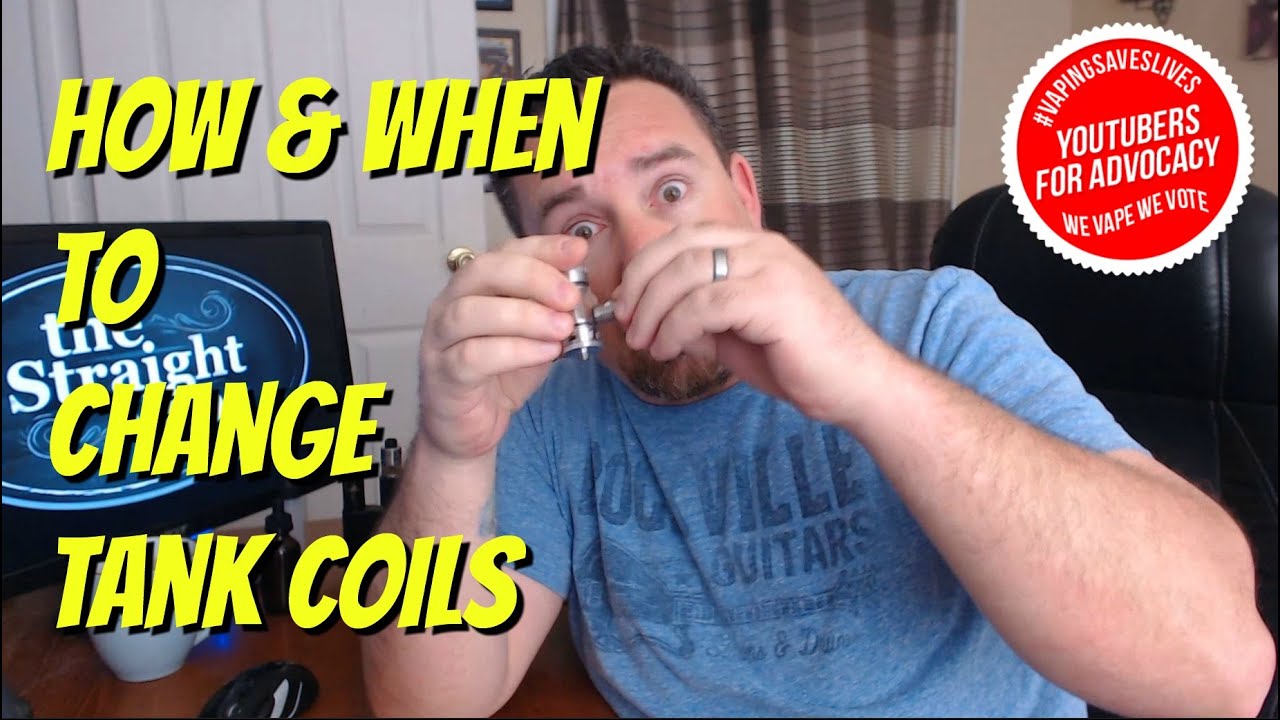
A heated element and an absorbent wick are the heart of any tank or pod system. The metal cylinder holds either wrapped wire or mesh and the surrounding cotton that soaks up e-liquid. When power flows, the element heats and the saturated cotton releases vapor on demand.
How the wick and cotton work
The wick draws liquid from the tank into the fiber. Fast saturation keeps flavor steady. If the cotton dries or darkens, flavor fades and harsh hits appear.
Wire, mesh, and performance
Traditional wire forms a narrow hot spot. Mesh spreads heat across a larger area. That larger surface often yields more even flavor early in the lifespan but still collects residue over time.
Resistance and inhalation style
Resistance in ohms guides power range. Higher-ohm units (~0.7–1.3Ω) suit mouth‑to‑lung (MTL) in small pod setups. Lower-ohm units (~0.15–0.6Ω) run higher power for direct‑to‑lung draws in cloud‑focused tank systems.
| Component | Role | Typical Range | User Expectation |
|---|---|---|---|
| Wire / Mesh | Heat source | Wire: discrete wire; Mesh: expanded surface | Even heating vs focused hot spot |
| Cotton Wick | Liquid reservoir | Saturation dependent | Stable flavor while saturated |
| Resistance (Ω) | Power window | MTL: ~0.7–1.3Ω · DTL: ~0.15–0.6Ω | Tighter draw vs larger vapor |
Compatibility guardrail: using the wrong resistance or too-thick liquid in a kit will reduce lifespan and performance. We use airflow, vapor density, and clean flavor as measurable signals of optimal function.
When to Change Vape Coil: The Clear Signs Your Coil Needs Replacing
Spotting clear performance drops helps us decide if the head needs replacing. If problems persist after quick fixes, a replacement is usually the right step.
- Muted flavour: Swapping flavors or sipping water fails to restore taste—this suggests residue build-up on the wick.
- Burnt taste / dry hits: Scorched cotton or hotspots; stop use and replace rather than push through.
- Thin vapour and weak draw: Clogged fibers reduce vaporization efficiency and warmth.
- Gurgling, flooding, leaks: Check overfill, seating, and airflow first; persistent flooding means degraded wicking.
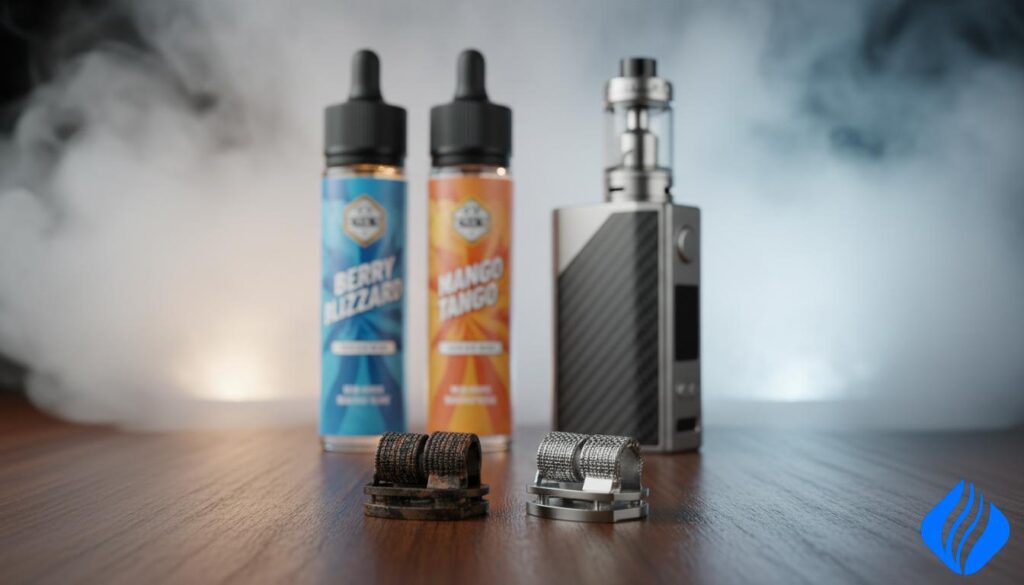
- Visual cues: Dark e-liquid, brown/black cotton, or visible residue confirm the head likely needs replacing.
Troubleshooting before replacement: Check fill level, seating, airflow path, and power settings. Chain use and overfilling can mimic failure.
Hard-stop: a burned taste is a clear signal — replace the head immediately for safety and better flavour.
| Symptom | Likely cause | Quick check |
|---|---|---|
| Muted flavour | Residue on cotton or mesh | Try new flavor or hydrate; inspect wick |
| Burnt taste | Scorched wick / hotspot | Lower power; if still present, replace head |
| Gurgling / leaks | Overfill, loose seating, clogged airflow | Re-seat head, clear airflow, reduce fill |
| Thin vapour | Clogged fibers or reduced wicking | Prime wick; if unchanged, replace head |
Action sequence: troubleshoot fill/airflow/power first. If multiple symptoms remain, then a replacement will restore consistent vapour and flavour while reducing waste and risk.
How Long Vape Coils Usually Last in Real-World Use
Most daily users see meaningful decline in flavor and vapor within a couple of weeks. In practical terms, a common baseline is that a typical heating head will last about 1–2 weeks under normal use.
Broadly, a realistic window runs from 7–28 days. Lower-power, mouth‑to‑lung setups often sit at the long end. High-power, direct‑to‑lung use tends toward the short end.
Why lifespans differ
Heat cycles, puff length, and liquid composition drive wear. Sweet or dessert e-liquid and certain ingredients gunk fibers faster.
Manufacturers may claim coils last longer under lab conditions. Those claims rely on controlled settings and light use. Real user behavior usually matters more.
Practical notes
- Baseline: most find a vape coil last roughly 1–2 weeks.
- If your coils last longer, you likely vape at moderate power with cleaner liquids.
- Plan: keep spares once your personal days-to-failure pattern is known.
Quote: “Performance, not calendar time, should guide replacement decisions.”
What Shortens Coil Life (and How to Make Coils Last Longer)
Sweet liquids and heavy use cut usable life sharply. Sweet/dessert e-liquid carries sugars and flavoring agents that caramelize under heat. That buildup insulates the metal and clogs the cotton, forcing earlier replacement.
Match viscosity with device type. A 50/50 blend suits low‑power MTL kits. High‑VG mixes need higher wattage in tank kits or they will not wick fast enough. Wrong viscosity can burn the wick or cause chronic flooding.
Practical do / don’t guide
- Do prime new heads by wetting exposed cotton, fill the tank or pod, then wait 5‑10 minutes before first use. This prevents dry hits and early scorch.
- Don’t chain puff; long, repeated draws outpace wicking and overheat liquid, which thins and floods the cotton.
- Do stay inside the coil’s rated wattage range. Running lower power back-checks damage without hiding a failing head.
- Do keep airflow clear and store the device upright to reduce leaks that mimic coil failure.
- Do pick higher quality vape juice with stable ingredients—cleaner formulations leave fewer deposits.
Note: Good habits lower replacement frequency and cut costs. Focusing on performance and harm reduction keeps operation safer and more consistent.
Hands-On Testing Insights: Coil Performance Over Time
We monitored identical pod and disposable units under fixed puff patterns and logged changes over time. Our approach paired mechanical puff counts with human notes to map performance across real use.
Throat hit shifts
Early life is usually smooth and predictable. As parts wear, the throat hit can sharpen or feel spiky from uneven heating.
Vapor production trend
Output often holds steady at first. Over time, clogged cotton restricts wicking and vapour thins.
Warmth becomes inconsistent as saturation drops and draw resistance can rise.
Flavor consistency after heavy use
At the ~5000 puffs mark on disposable benchmarks we noted a clear drop in brightness and note separation.
Residue buildup makes flavour dull before a full burnt note appears.
- Method: track flavour strength, draw feel, and output under fixed patterns.
- Why it fails: deposits block liquid flow through the cotton, causing partial vaporization.
- Format note: pods recover with a head swap; sealed disposables require full unit replacement.
Decision cue: if harsh throat hit and muted flavour occur together, it signals real efficiency loss — replace the part or unit.
For practical guidance on replacing heads and maintenance, see our linked maintenance post: when and how guide.
Disposable vs. Refillable: Coil Maintenance vs. “Replace the Whole Device” Value
Choosing between refillable systems and sealed disposables affects maintenance, cost, and downtime.
Refillable tank and pod systems let users replace worn coils. That keeps flavor steady and cuts waste when heavy use or sugary e-liquids speed wear.
Prefilled disposables embed the heating element. Performance decline means replacing the whole device. Troubleshooting options are limited; a steady flavor fade often signals end of life rather than a fixable part.
How wear shows up across formats
- Pods / tank pod: users can check seating, airflow, and wattage before a swap.
- Disposable: taste loss, reduced vapor, gurgling, or draw resistance usually mean unit replacement.
- Timing: battery drop or low liquid can mimic early failure in sealed units.
Value lens: heavy users who often need change coil may find refillables more economical. Casual users preferring simplicity may choose disposables for no maintenance burden.
Tip: compare formats on product pages like Disposable Vapes and Hot Sale when weighing options.
Device Spec Comparison: Puffs per Dollar and Flavor Consistency (Hands-On)
We measured puffs, price, and taste under controlled use as part of our hands-on testing. Our goal is a repeatable view of value and how long flavor stays good.
Main pick spec checklist
- battery capacity (mAh)
- e-liquid volume (ml)
- nicotine strength (2% or 5% nic salt)
- coil type: Mesh vs Dual Mesh
- charging port (USB‑C)
Competitor snapshot
We compare Geek Bar, Lost Mary, and Raz on normalized price per puff and flavor consistency over use. Claims matter less than steady delivery under real draws.
| Spec | Main pick | Geek Bar | Lost Mary | Raz |
|---|---|---|---|---|
| battery capacity (mAh) | High (steady output) | Medium | High | Medium |
| e-liquid volume (ml) | Large (more usable puffs) | Medium | Large | Medium |
| puffs per dollar | Good (balanced price/lasting taste) | High (cheap per puff) | Medium (better late-life taste) | Medium |
| flavor consistency | Stable → gradual flattening | Bright early, faster drop | Steady longer | Moderate fade |
Note: devices with consistent power delivery and efficient mesh builds held flavor longer before late-life flattening.
For side-by-side browsing, check the RandM and Bang collections on our site for spec lists and pricing.
Safety, Charging, and Authenticity Checks
Safety, charging, and authenticity checks keep operation reliable and reduce risk. We cover simple verification steps that save time and prevent hazards for every device, whether pods or a tank system.
How to know if it’s empty?
Look for a steady flavor drop, reduced vapour, tighter draw resistance, and any indicator-light behavior. These signs usually point to depleted e-liquid or end-of-life parts rather than an electrical fault.
If output returns after a charge, the issue was power. If weakness persists, the wick or sealed head is likely spent. Check airflow and fill level before discarding a unit.
How to recharge safely?
Use a reputable low-power adapter and a certified USB‑C cable. Charge on a hard, non-flammable surface and avoid leaving the device unattended for long periods.
Stop charging or using the device if it becomes unusually hot, emits an odor, or shows swelling. Persistent burnt taste, repeated leaking into airflow, or overheating indicates a problem worth retiring rather than fixing.
Is it authentic?
Verify the QR code on packaging and confirm details via the official path at Sokvape before use. Counterfeit units can underperform and pose safety risks.
Keep devices away from children and pets, store out of heat, and never modify charging hardware. For related maintenance like leak checks, see our leak troubleshooting.
Nicotine warning: This product contains nicotine. Nicotine is an addictive chemical.
Conclusion
We close with a simple rule that links symptoms, time, and maintenance into one clear decision.
Replace the heating head when flavor stays muted or turns burnt, vapor thins, gurgling or leaks persist after basic checks, or visual residue appears on the wick. Most users land near 1–2 weeks, with a normal window of 7–28 days depending on sweetness, wattage, and usage.
Protect performance by matching liquid viscosity, avoiding long chain draws, staying inside recommended wattage, and priming a new coil for 5–10 minutes. Refillable systems let you swap a worn part; sealed disposables require full unit replacement.
Action checklist: keep spares for pods/tanks, monitor early warning signs, and stop use at the first burned taste. That approach saves parts, preserves flavor, and keeps operation safer.
 English
  German
  Dutch
Dutch  Danish
  Czech
Czech  Italian
  Slovenian
  French
  Hungarian
  Spanish
  Polish