

Where to dispose of disposable vapes is a pressing question for U.S. adults. We open with a fact: many modern units use lithium cells and nicotine salts, which the AP and EPA now flag as hazardous waste.
We outline a practical, U.S.-focused how‑to guide on safe drop-off options, prep and transport steps that prevent battery shorts and fires, and a clear nicotine warning. Our testing covers device design factors — battery size, tank and coil — and compares main models with Geek Bar and Lost Mary.
We state the goals: prevent fires, stop nicotine leaks, and keep these items out of improper recycling. This section previews FAQs we will answer: how to know when a unit is empty, safe recharge practices, and QR checks for authenticity via sokvape.com.
Key Takeaways
- Hazard reminder: nicotine and lithium need careful handling.
- We show lawful, low‑risk drop‑off and prep methods for U.S. adults (21+).
- Testing reveals design traits that affect end‑of‑life risk and longevity.
- Common mistakes: trash, curbside recycling, and loose batteries in bags.
- We include steps for safe transport and an authenticity check via QR codes.
Why disposable vapes require special disposal in the United States
Many modern single‑use vaping products combine sealed energy cells and residual e‑liquid. That mix creates real hazards during collection and hauling. We examine the technical and regulatory reasons U.S. communities treat them differently.
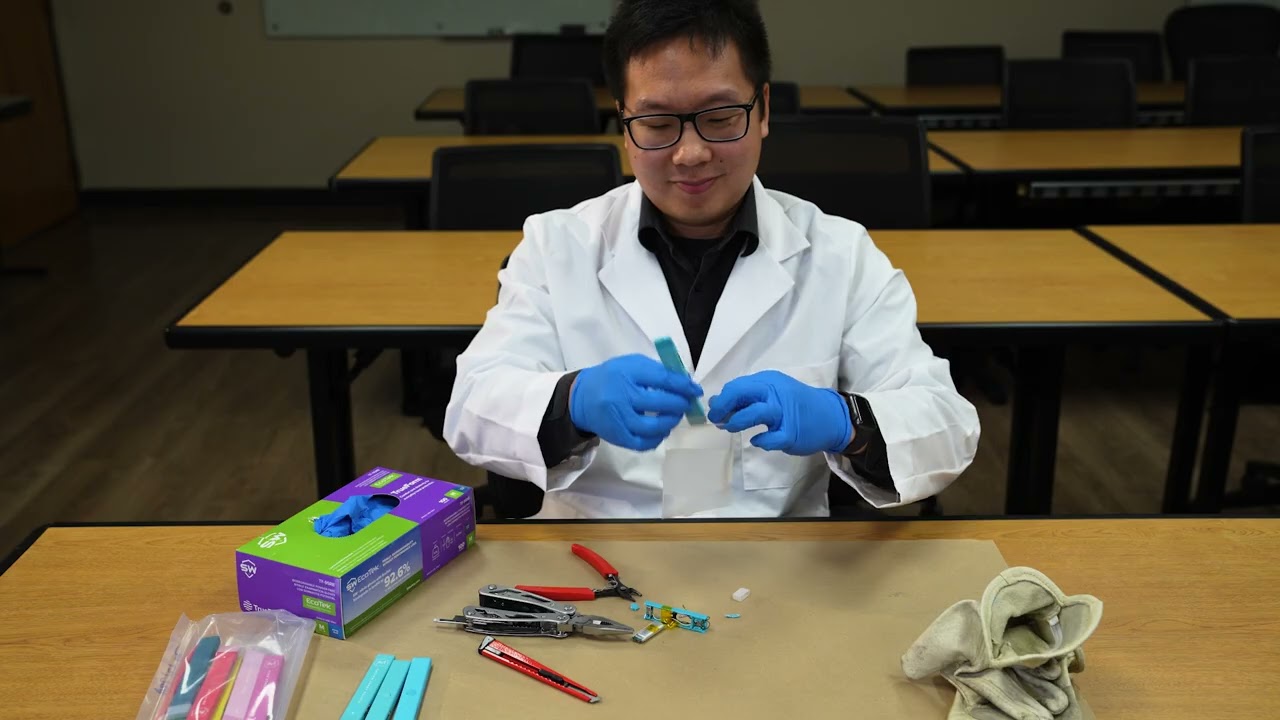
Lithium batteries and nicotine residue raise fire and hazardous‑waste risks
Lithium batteries can suffer internal damage or external shorting. When crushed or compacted, a short can trigger thermal runaway and a rapid fire.
Even units that seem empty can hold nicotine. That residue can leak, contaminate surfaces, and pose poisoning risks for sanitation staff.
What regulators and reporting emphasize
Reporting has flagged metals, soldered cells, and sealed batteries that make practical recycling rare. The AP and federal guidance note many devices are not designed for safe disassembly.
The EPA provides updated consumer guidance and clarifies that household trash rules differ from institutional hazardous‑waste rules. Businesses and schools often fall under stricter controls.
How tossing items in household trash creates real‑world hazards
Trash collection compresses and moves mixed waste. Batteries can short when crushed. Fires have started in trucks and transfer stations after a battery fault.
- Market scale: growth in small‑battery products increases waste volumes across the country.
- Regulatory reality: legal permissibility does not equal low risk.
- Community response: many local programs improvise collection and specialized handling.
For a deeper look at reporting on product makeup and community impacts, see this CBC overview and a practical use guide from industry sources like how to use a disposable vape.
Where to dispose of disposable vapes safely: the best drop-off options
We prioritize proven collection routes that lower fire and contamination risk for used units.
Best options hierarchy: first use verified retailer take-back programs, then household hazardous waste (HHW) facilities or city events, and last, prepared transport to an accepted collection point.
Vape shops and retailer take-back
Ask shops before you hand over devices. Confirm they accept nicotine-containing e-waste, how bins are secured, and their downstream handler.
HHW facilities and city collection events
HHW facilities and municipal programs handle hazardous loads and separate batteries. New York runs resident collection events; Monroe County packed 5,500 devices into steel drums for incineration.
Battery-only vs full-device routes
Battery-only recycling suits only safely removable cells with taped terminals. Most modern batteries are soldered and should be treated as full devices at HHW or take-back points.
Practical transport steps
- Tape contacts and airflow/button areas.
- Keep units cool, dry, and separate from keys or coins.
- Bag any leaked juice and carry items in a rigid container.
| Option | When to use | Key action |
|---|---|---|
| Retail take-back (vape shops/stores) | Verified program available | Confirm bins, drop sealed devices |
| HHW facility / city event | Any sealed or soldered device | Deliver during event; follow staff directions |
| Battery-only drop-off | Removable, non-damaged cells | Tape terminals; use designated bin |
How to prep a disposable vape for disposal without causing a battery fire
A brief prep routine prevents shorts, leaks, and the most common fires. We treat every unit as if it still contains a charged lithium cell until a certified facility processes it. The AP notes that lithium batteries in small e-cigarettes can catch fire if mishandled in the waste stream. Follow these steps to lower that risk.

“How to know if it’s empty?”
Signs a unit is near empty: weak vapor, muted or burnt flavor, a blinking LED, altered airflow, or inconsistent firing. Even then, residual juice and charge can remain. Empty is not equal to safe.
“How to recharge safely?”
For rechargeable models with USB-C, use a reputable low-power adapter and charge on a nonflammable surface. Monitor the device. Stop if it becomes warm. Don’t charge damaged units. Swollen, cracked, wet, or overheating units must not be plugged in.
Prep steps before drop-off
- Power off the device if possible.
- Tape exposed metal contacts or charging pins with non-conductive tape.
- Place each unit in a small sealed bag to contain leaked juice.
- Put bags into a rigid container and keep it cool and away from keys or coins.
- Deliver directly to verified retail take-back, HHW, or other accepted facilities.
“Prevent short circuits and physical damage during storage and transport.”
If you spot damage, move the vape to a nonflammable area, away from heat and sunlight. Contact your local HHW program for next steps. Never toss a unit into a household bin loose; compaction and metal contact can cause a fire.
Hands-on testing insights: device design affects waste, safety, and performance over time
We tested compact sticks and larger high-puff shells across brands and formats. Our goal was practical: link real-world performance with end‑of‑life risk so adults can make informed choices and reduce waste.
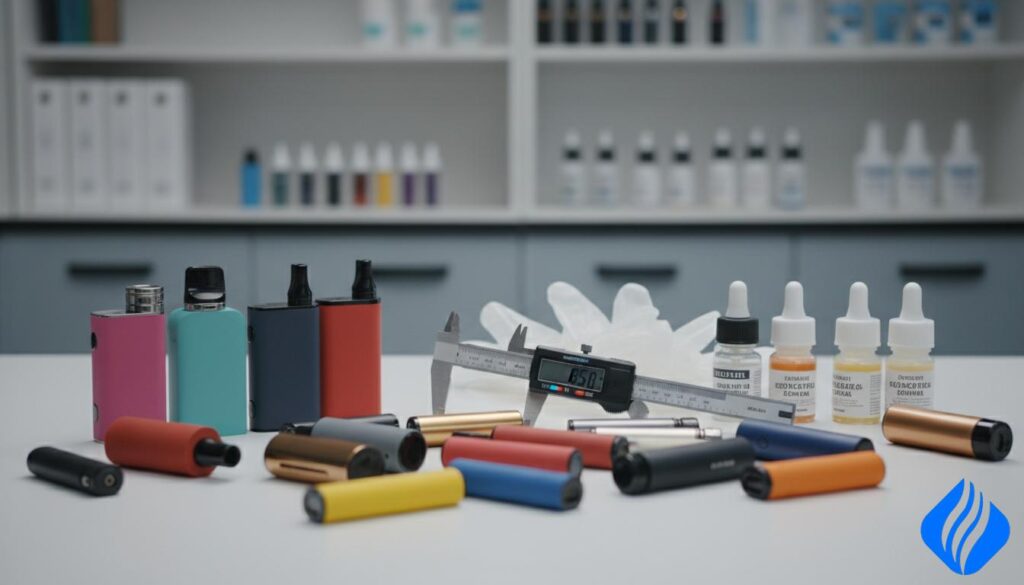
What we observed in use
Throat hit varied by coil and airflow. Units with well-tuned mesh coils felt smoother. Tighter airflow or higher nicotine delivered a sharper, stronger hit.
Vapor output tracked with coil design. Mesh and dual-mesh setups gave steadier clouds and held flavor longer. Larger airflow paths kept production consistent into later puffs.
Flavor after ~5000 puffs and coil fatigue
Across samples sweetness faded first. Cooling agents dropped next. Coil fatigue showed as muted top notes and a dry finish well before full device failure.
Specs that drive performance and end‑of‑life handling
- Battery capacity: ~500–650 mAh (compact) vs ~650–1000+ mAh (high-capacity).
- E-liquid: ~8–12 ml (mid) vs ~15–20+ ml (high).
- Nicotine: 2% or 5% nic salt.
- Coil: Mesh vs Dual Mesh.
- Charging: USB-C on many modern models.
Comparing value and longevity: main product vs Geek Bar and Lost Mary
For fair value math, divide stated puff count by price for a quick puffs per dollar check. In our testing, models with reliable mesh execution delivered better long-term flavor consistency than some high-claim units. Geek Bar and Lost Mary often matched or exceeded puff claims when coil design and battery capacity were aligned.
“Verify printed mAh, ml, nicotine strength, coil type, and USB‑C labeling before purchase.”
Higher-capacity batteries and larger e-liquid tanks raise value but also raise end‑of‑life risk if trashed improperly. For longer-lasting options and value picks, see our product pages: Disposable Vapes, Hot Sale, and brand browsing at RandM and Bang.
Authenticity, compliance, and nicotine warning before you buy or dispose
A fast verification check can reveal counterfeit marks that raise safety and waste hazards. Scan the QR code printed on the box or device and open the verification URL that should resolve to the brand’s verification site. If the route goes through the provided destination, confirm the domain resolves to sokvape.com: https://www.google.com/url?sa=E&source=gmail&q=sokvape.com.
Is it authentic?
Look for matching product name, batch or serial response, and consistent packaging photos. If the verification page fails, returns mismatched details, or the printed link looks altered, treat the item as suspect.
Counterfeit risks and labeling problems
Counterfeit items often lack clear battery ratings and charging guidance for USB‑C models. Misspelled warnings, missing manufacturer contact, and inconsistent labeling are common red flags.
These gaps matter for safety. Unknown cell quality and absent protection circuitry raise the chance of shorting or overheating. Unknown e‑liquid formulas can leak irritants and pose added handling hazards.
Nicotine warning and safety note
Nicotine is addictive. Nicotine can be toxic in high doses. Keep all vapes and e‑liquids away from children and pets. Seek medical help immediately if ingestion or exposure is suspected.
“Compliance and authenticity affect whether you can follow reliable charging and handling steps.”
- Verify: scan QR and use printed verification link; confirm sokvape.com resolves correctly.
- Reject: missing specs, mismatched packaging, or failed verification.
- Protect: treat suspect units as higher‑risk for handling and hand them to verified collection or HHW programs.
Conclusion
Conclusion
We close with a concise, repeatable workflow that lowers fire and contamination risk. Prioritize verified retailer take‑back bins first, then household hazardous waste (HHW) facilities or city collection events. Avoid curbside trash or curbside recycling when possible.
Checklist: identify removable vs non‑removable batteries, tape exposed contacts, seal each unit in a bag, store cool and dry, then deliver to approved facilities. For a step‑by‑step reference, see this step-by-step guide. Consider longer‑lasting options at Disposable Vapes and Hot Sale, or browse brands like RandM and Bang to reduce turnover over time.
Final safety note: If a unit is swollen, hot, leaking heavily, or damaged, isolate it and contact your local HHW program rather than moving it loosely. Nicotine is addictive and toxic; keep all devices away from children and pets and handle them responsibly.
 English
  German
  Dutch
Dutch  Danish
  Czech
Czech  Italian
  Slovenian
  French
  Hungarian
  Spanish
  Polish