

If you need clear answers, this guide helps you pick a device that fits your nicotine needs, budget, and daily routine in the United States.
Vape and e-cigarette are used interchangeably here so you won’t get lost in jargon. The market splits into main device families: disposable, pen-style, pod systems, box mods, cig-a-likes, and pod mods. You’ll get simple pros and cons for each.
You’ll learn how ease of use, upkeep, battery life, draw style (MTL vs DTL), and long-term cost affect choice. Later sections include a specs table, QR authenticity checks, and a Raz vs. Lost Mary comparison plus a clear “Who is this for?” verdict.
Safety first: we’ll show how to verify QR codes, spot counterfeits, and what protections regulated devices offer. This guide is practical for beginners, yet detailed enough if you want precise specs, coil info, and true performance expectations.
Key Takeaways
- You’ll compare main device families to match nicotine delivery and lifestyle.
- Expect clear pros and cons for disposable, pen, pod, box mod, and cig-a-like formats.
- We cover ease of use, maintenance, battery life, draw style, and cost over time.
- Later sections include a specs table, QR checks, and a Raz vs. Lost Mary head-to-head.
- Guidance suits beginners and experienced vapers seeking reliable specs and safety tips.
Featured Snippet: What kind of vapes are there?
The main kinds include disposables, vape pens, pod systems (including pod vapes and pod mods), box mods, and cig-a-likes—each differs by refill method, power, and draw style. All devices heat e-liquid into vapor so you can inhale nicotine or flavor.
You’ll choose based on how much maintenance you want and whether you prefer a mouth-to-lung (MTL) or direct-to-lung (DTL) inhale.
Nicotine delivery varies by device and liquid type; freebase gives a sharper throat hit, while nicotine salts often feel smoother and faster.
- Pod vapes — compact devices using replaceable or refillable pods.
- Pod systems — the broader family that includes closed and refillable pod designs.
- Pod mods — larger, more powerful pod-style devices with advanced controls.
Quick overview of vape device types in the United States
This snapshot shows where common devices sit between plug-and-play simplicity and full customization.
At-a-glance taxonomy:
- Disposable vapes: Ready-to-use, puff-activated, tuned for an MTL draw and higher nicotine options. Low effort, high convenience.
- Vape pens: Rechargeable with a tank and replaceable coil. More control than disposables without full mod complexity.
- Pod vapes and pod systems: Compact daily drivers. Available closed (prefilled) or refillable; often paired with nicotine salts for quick satisfaction.
- Box mods and vape mods: High-power devices with adjustable wattage and sometimes temperature control. Suited to DTL tanks and lower nicotine strengths.
- Cig-a-likes: Cigarette-style devices for familiarity and simplicity. They offer limited performance compared with modern formats.
- Pod mods: The middle ground—more power than small pods, using proprietary pods rather than universal tanks for bigger vapor without a box device.
How to pick: choose disposables for instant use, pens or pod systems for daily reliability, and box mods when you want power and tuning. This guide walks you deeper into each device type next.
Disposable vapes: the easiest, ready-to-use option
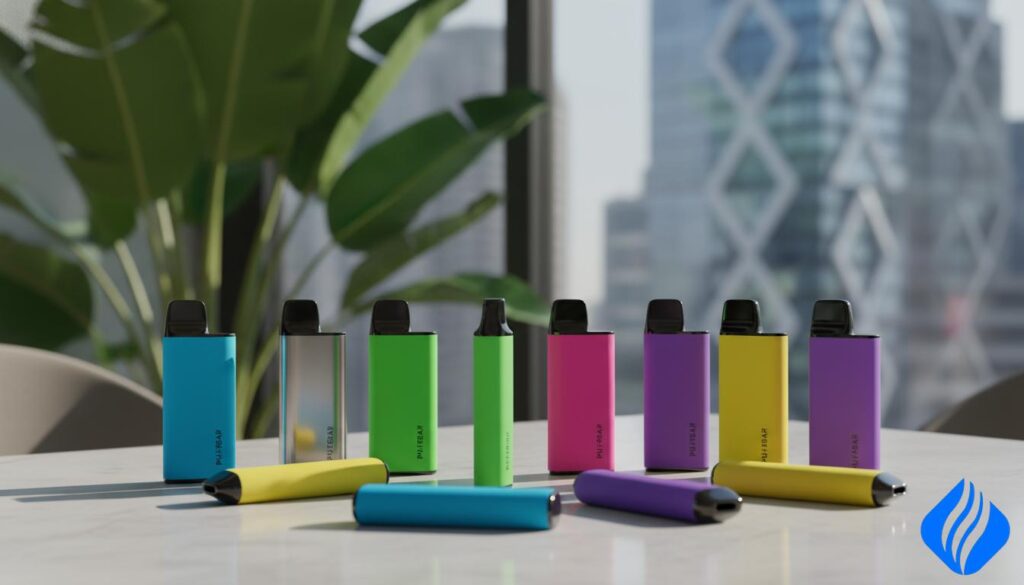
For a no-fuss start, single-use devices come ready to puff right from the package. They merge a prefilled e-liquid reservoir, a built-in coil/atomizer, and an integrated battery. Most are puff-activated—no buttons, no setup.
How they work
Inside you’ll find an atomizer, the e-liquid, and a small battery. Inhale and the device heats the liquid to produce vapor. This simple architecture is why these products are excellent for beginners.
What newcomers like
Users praise convenience and strong nicotine delivery—often nicotine salts tuned for quick satisfaction. Tight airflow and a warmer throat hit mimic cigarettes, so the MTL style feels familiar.
Tradeoffs to know
Disposable vapes create more waste and include lithium cells that need proper disposal. Over time, costs can exceed refillable pod systems.
“Disposable units win on convenience but lose on sustainability and long-term value.”
| Feature | Typical Spec | Beginner Impact |
|---|---|---|
| Prefilled e-liquid | 3–20 ml | Zero refills |
| Battery | 300–1500 mAh | Single-use; variable battery life |
| Draw style | MTL / tight airflow | Familiar cigarette-like hit |
- Buyer note: Choose disposables for travel, flavor trials, or strict easy use. Avoid them if you vape heavily or want lower ongoing costs.
Vape pens: rechargeable tanks that balance simplicity and control
A compact rechargeable device with a replaceable coil and refillable tank is the practical next step for most users.
What a pen includes: a small battery, a tank that holds e-liquid, and a removable coil with a wick. This design gives you a reusable setup without the complexity of full mods.
Typical setup
You get three core parts: the battery, the tank, and the coil. The tank stores e-liquid and feeds the wick. The coil heats and creates vapor.
Maintenance basics
Refill the tank before it runs dry to avoid burned hits. Change coils when flavor fades or you taste char. Sweet liquids shorten coil life, so plan swaps more often.
Daily care and draw style
Rinse the tank occasionally and let parts dry. Tight airflow and small mouthpieces lean toward MTL. Larger airflow and wide mouthpieces favor DTL, so pick a pen that matches your inhale experience.
| Feature | Typical | Beginner impact |
|---|---|---|
| Tank capacity | 2–4 ml | Fewer refills |
| Coil resistance | 0.6–1.8 Ω | MTL to restricted DTL |
| Battery | 800–2000 mAh | Varied battery life |
Why choose a pen: higher upfront cost than disposables, but lower long-run cost if you vape regularly. Pens give better flavor, flexible draw options, and clearer control over your routine.
Pod vapes and pod systems: compact, beginner-friendly daily drivers
Pod systems have become the daily choice for many vapers because they balance portability with reliable performance.
Closed vs. refillable pods
Closed pods arrive prefilled and offer maximum convenience and less mess. They suit users who want easy use and quick swaps.
Refillable pods give you flavor and nicotine flexibility. You get lower waste and better value if you vape regularly.
Nicotine strength and satisfaction
Pods often pair with nicotine salts. That chemistry delivers a smoother throat hit at higher nicotine levels and fast satisfaction per puff. This helps former smokers find a closer match.
Battery, charging, and daily life
Smaller devices mean smaller batteries. Expect a full day for moderate use, but heavy users recharge more often. Choose USB‑C on newer systems for faster, more reliable charging.
Leak resistance and consistent performance
Good pod devices use tight fits, quality seals, and reliable auto-draw sensors. Look for consistent coil life and stable airflow to avoid leaks, dry hits, and uneven flavor.
- Tip: adjustable airflow helps if you want a looser pull instead of default MTL.
Box mods, vape mods, and pod mods: power and customization for experienced vapers
Moving into box-style devices gives you access to higher wattage, finer airflow control, and more setup choices. These tools suit experienced vapers who want to shape warmth, throat hit, and vapor volume.
DTL vs. MTL: choosing airflow and coil resistance for your style
Direct-to-lung (DTL) uses open airflow and low-resistance coils (sub-ohm). Expect big clouds and warmer vapor. DTL pairs with lower nicotine strengths.
Mouth-to-lung (MTL) favors tighter airflow and higher-resistance coils. It mimics cigarette draws and suits higher nicotine. Pick tanks and coils that match the inhale style you prefer.
Wattage and temperature control: what those settings actually change
Wattage controls heat intensity. Higher watts boost vapor volume and flavor but drain battery faster.
Temperature control limits coil hottest points. It prevents dry hits and keeps flavor consistent on compatible coil materials.
Battery size vs. pocketability
Bigger box devices hold larger batteries or multiple cells. That means longer runs between charges and stable power for high-watt setups.
The tradeoff is weight and size. If you value pocket comfort, weigh battery life against daily carry convenience.
Safety basics: regulated protections and why unregulated setups aren’t for beginners
Regulated devices include short-circuit, over-discharge, and overheat cutoffs. These protections reduce user risk and help when you’re learning.
Unregulated mechanical setups lack those safeties and demand deep battery and ohms law knowledge. They are not beginner-friendly.
| Feature | Typical Spec | Beginner Impact | Why it matters |
|---|---|---|---|
| Max wattage | 30–220 W | Higher learning curve | Controls vapor warmth and volume |
| Coil resistance | 0.15–1.5 Ω | DTL vs MTL choice | Determines inhale style and nicotine fit |
| Battery | Single cell to dual 18650 / built-in 3000–5000 mAh | Fewer charges, heavier carry | Supports sustained power for high output |
| Protections | Short, thermal, reverse, low-voltage | Reduces misuse risk | Essential for safe vaping with powerful mods |
Key parts and specs to compare before you buy
Focus on a short checklist of battery, charging, liquid, and coil traits that define real use. These specs tell you how a device will perform day to day and how much upkeep it needs.
Battery (mAh) and charging
Battery capacity (mAh) sets run time. Larger cells last longer but add weight and size.
USB‑C charges faster and is more durable. Micro‑USB still appears on older models and can be less reliable over time.
E-liquid: freebase vs. nicotine salts
Freebase delivers a sharper throat hit at lower nicotine levels and suits higher power, open-air style. Nicotine salts feel smoother and work well in low-power, mouth-to-lung setups.
Coils explained and mesh coil technology
Coils heat a cotton wick to vaporize e-liquid. Resistance affects warmth and vapor.
Mesh coil technology offers more even heating and steadier flavor across the coil lifespan.
Puff count reality check
Advertised puff counts assume light, short draws. Longer pulls, higher power, and airy DTL style burn liquid faster. Treat puff numbers as rough estimates.
- Specs checklist: battery (mAh), charging port, tank or capacity (ml), coil type, airflow/draw style.
Match these specs to your usage and tolerance, not just the biggest numbers on the box.
Spotlight example: modern disposable vape specs, manufacturers, and authenticity
This spotlight translates spec sheets into real sensations: draw tightness, flavor life, and daily runtime.
Technical specs — quick read
| Puff Count | E-liquid Capacity (ml) | Battery (mAh) | Nicotine % | Coil Type |
|---|---|---|---|---|
| Up to 3000 | 10 | 850 | 5% | Mesh coil technology |
| Up to 1500 | 8 | 700 | 5% | Standard mesh |
| Up to 600 | 3 | 350 | 5% | Wrapped coil |
Manufacturers and brands
Design and branding often come from well-known names while manufacturing is based in Shenzhen, China. Raz and Geek Bar come from Geekvape. Foger is by Fogertech. That context helps you trace supply chains and service.
Expert notes
MTL draw: tight-to-medium restriction feels cigarette-like. Flavor usually stays stable from first to last puff on mesh coils. USB‑C charging speeds are noticeably faster when a unit supports recharge.
Authenticity checklist
- Find and scan the QR on the box.
- Follow the brand verification flow; valid codes confirm origin.
- Red flags: broken seals, mismatched packaging, failed scans.
“Buyers should prioritize verified units — counterfeits risk safety and poor flavor.”
Raz vs Lost Mary: quick take
Raz favors cleaner fruit notes and consistent servings for value. Lost Mary leans creamier and cooler. Cost per ml and expected life tip the balance; pick for flavor profile and daily cost.
Verdict
Who this style suits: beginners, former smokers seeking MTL nicotine satisfaction, and flavor chasers who value plug-and-play convenience over refillable flexibility.
Conclusion
strong. Deciding on a device comes down to daily habits, budget, and how closely you want vaping to match smoking.
Quick buyer map: choose disposable vapes for max convenience, pod systems for compact daily use, vape pens for tank control, and mods or pod mods when you want customization and higher output.
Nicotine choice matters: salts suit mouth‑to‑lung draws that help smokers switch. Freebase works better at higher power and open inhales.
Prioritize regulated devices and reputable sellers. Verify QR codes to confirm authenticity and reduce safety risk from counterfeits.
Next steps: decide MTL vs DTL, pick a battery and charging style that fits your routine, and compare specs — not only puff counts — to find the best system and improve your vaping experience.
 English
  German
  Dutch
Dutch  Danish
  Czech
Czech  Italian
  Slovenian
  French
  Hungarian
  Spanish
  Polish