

Fact: modern pods with dual mesh coils and smart airflow reduce visible aerosol, lowering passive exposure risk.
We address the common question can you fail a drug test from secondhand vape up front.
In practice, passive exposure to THC is usually far below levels that trigger positive results in standard workplace screens. Exceptions exist. Very poor ventilation and heavy, continuous exposure within hours may raise the possibility of a measurable signal.
How we frame this: we define secondhand as nicotine aerosol versus THC aerosol. That distinction matters for test outcomes. We preview how urine, blood, saliva, and hair tests detect metabolites and why screening and confirmation differ.
For practical guidance and lab details, see our deeper analysis and methodology at THC vape testing overview.
Key Takeaways
- Passive exposure is rarely enough to produce workplace-level positives under normal conditions.
- Edge cases exist: long exposure in closed spaces can raise small risk.
- Different matrices matter: urine, blood, saliva, and hair have distinct windows and cutoffs.
- Screening vs confirmation: labs use cutoffs and GC-MS confirmation to avoid false alarms.
- We will cover risk factors, timing, and what to do if tested in later sections.
Quick answer for workplace and pre-employment testing in the United States
Below we summarize how standard U.S. workplace screening treats passive aerosol exposure. The short, technical verdict: routine panels rarely report positives from incidental inhalation under normal conditions.
What most standard screening measures
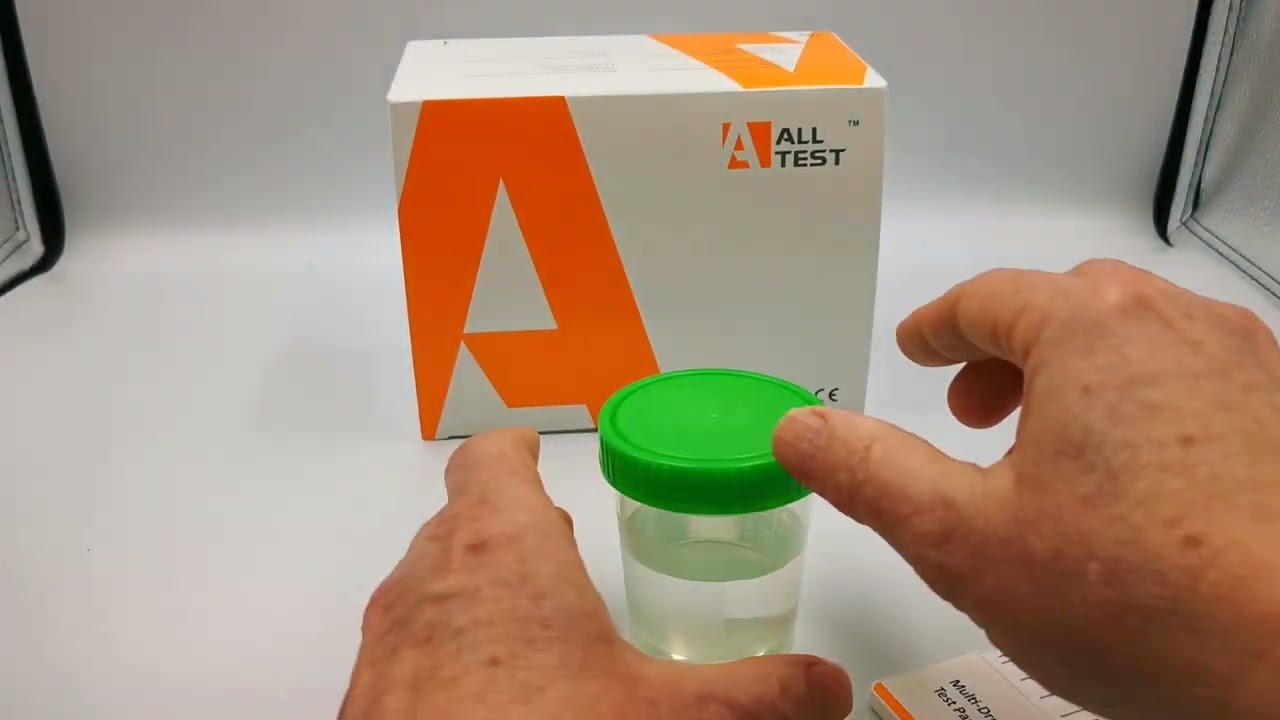
Urine panels target THC metabolites, not impairment. That distinction matters: metabolites reflect processed dose and cumulative levels.
Blood screens measure parent compounds and short windows. Saliva and hair track different windows and accumulation patterns.
Why passive exposure usually stays below thresholds
Labs use screening cutoffs to reduce noise from incidental exposure. Initial immunoassays are followed by GC‑MS confirmation on positives. That workflow lowers the chance incidental contact becomes a reported positive.
Research shows measurable uptake from casual nearby aerosol is minimal. Only prolonged, heavy exposure in a poorly ventilated space raises meaningful risk. Consider specimen type, time since exposure, ventilation, and intensity when assessing odds.
Can you fail a drug test from secondhand vape
THC vs nicotine: what “secondhand” air can contain
Secondhand aerosol may include nicotine e‑liquid, THC distillate, or other compounds. Each changes what laboratories detect.
Nicotine testing targets cotinine. THC testing targets metabolites formed after the body processes THC. That biochemical difference matters for results.
What research shows about non‑smoker uptake and confirmation
Peer‑reviewed work, including Cone et al. (2015), found trace signals in extreme scenarios. Screening immunoassays may flag low signals.
Confirmation testing (GC‑MS) then separates incidental contact from meaningful intake and reduces false positives.
When a “contact high” becomes plausible
A true contact‑level positive is rare. It requires prolonged, close‑range exposure in poorly ventilated space with heavy marijuana smoke or vapor.
How timing affects results within hours
If testing occurs within a few hours of intense exposure, any detectable signal is most likely then. Still, passive exposure is roughly 100× lower than active use in typical studies.
- Practical step: avoid sealed rooms where cannabis is being smoked or vaped before a scheduled screen.
- Note: odor does not equal dose. Smell can be strong while absorbed amount remains minimal.
- Further reading: see guidance on screening and retest options at how to pass a drug screen.
Factors that change your risk of a positive test from passive exposure
Risk shifts dramatically when space, airflow, and duration change. We focus on three vectors that shape outcomes: environment, exposure time, and laboratory sensitivity.
Environment and ventilation
Enclosed spaces concentrate aerosol. A small bathroom or closed vehicle raises airborne levels quickly. A ventilated living room disperses aerosol and lowers uptake.
Duration and intensity
Brief pass-through in a room produces minimal uptake. Extended presence in dense smoke exposure gives the body time to absorb more compounds. Intensity and time multiply risk.
Test sensitivity and cutoffs
Screening assays use higher cutoffs to avoid noise. Confirmation with GC‑MS uses precise thresholds and reduces false positives. This two-step workflow prevents incidental exposure from becoming a reported positive test.
Practical risk matrix
| Setting | Ventilation | Duration | Relative chance of positive test |
|---|---|---|---|
| Open, ventilated room | High | Short (minutes) | Very low |
| Closed car | Low | Moderate (30–120 min) | Low to moderate |
| Small bathroom or sealed space | None | Long (hours) | Moderate to higher |
| Outdoor crowded area | High | Variable | Very low |
Quick checklist
- Ventilation: prioritize open-air or fans.
- Distance: increase space from the source.
- Time: limit duration in dense exposure.
- Timing of testing: earlier sampling after heavy exposure raises detection odds.
Health effects such as irritation are possible at high concentrations. However, routine real-world exposure usually stays below laboratory cutoffs used in U.S. workplace urine drug screening.
Nicotine testing and secondhand exposure: cotinine levels, windows, and false positives
We explain why labs measure cotinine. Cotinine is a stable metabolite of nicotine. It provides clearer levels over time than nicotine itself. That makes cotinine the standard marker for most workplace and insurer testing.
How the assays work
Immunoassays screen urine, saliva, or blood. Positives are often confirmed with more specific methods. Labs prefer cotinine because it remains measurable longer and is more stable in samples.
Detection windows after environmental smoke
Trace cotinine from passive smoke may appear in blood for several days. In urine, detection often lasts up to about four days. Heavy or repeated exposure can extend that window.
Responding to an unexpected result
If a non-smoker receives an unexpected result, request a retest and ask whether confirmation was used. Document dates, locations, and any known smoke or smoking nearby. Consider an alternative specimen if allowed.
Policy impact
Employers and insurers may enforce strict smoke-free policies. That affects consequences even when health risk is low. Know the local policy before escalating a dispute.
- Immediate step: request confirmation testing.
- Record: exposure times and witnesses.
- Mitigation: avoid enclosed spaces with heavy smoke before scheduled tests.
Hands-on testing and product comparisons for exposure concerns
We tested popular pod systems to see which specs change aerosol output and bystander exposure. Device numbers matter because battery, coil, and e‑liquid influence visible clouds and lingering levels.
Main technical specs and why they matter
Check packaging for these verified specs:
| Spec | Why it matters |
|---|---|
| Battery (mAh) | Higher mAh supports longer, stronger draws and more vapor per puff. |
| E‑liquid (ml) | More volume yields more total aerosol; affects exposure amount in a room. |
| Nicotine (2% / 5% nic salt) | Strength changes throat hit and puff count; stronger salts shorten sessions. |
| Coil type (Mesh vs Dual mesh) | Mesh = flavor clarity; Dual mesh = larger surface, fuller clouds. |
| Charging (USB‑C) | Faster charging and heat behavior; stop if device warms abnormally. |
Competitor comparison: puffs per dollar and flavor consistency
We compared our main unit against Geek Bar and Lost Mary using rated puffs and street price. To compute puffs per dollar, divide rated puffs by retail price on the label.
| Brand | Puffs per Dollar (method) | Flavor Consistency (~5000 puffs) |
|---|---|---|
| Main product | Rated puffs ÷ price (verify on package) | Sustained flavor if mesh coil and mid power; may dull near end. |
| Geek Bar | Rated puffs ÷ price | Good early profile; some sweetness loss later. |
| Lost Mary | Rated puffs ÷ price | Strong throat hit early; flavor may turn cottony after heavy use. |
Hands-on notes: throat hit, vapor, and flavor after 5000 puffs
- Throat hit: 5% nic salt gives stronger hit; 2% feels smoother.
- Vapor production: Dual mesh shows higher clouds; mesh favors clarity.
- Flavor over time: Most devices lose some brightness by ~5000 puffs; coil type predicts the effect.
Coil and charging behavior
Mesh coils deliver even heating and clean flavor. Dual mesh increases surface area and cloud volume. USB‑C offers fast recharge; stop charging if temperature rises or the device feels hot.
For lower-output options and shopping, see our Disposable Vapes and Hot Sale collections or browse RandM and Bang brand pages for verified specs.
Mini‑FAQ
- How to know it’s empty: no vapor, rapid flavor loss, or blinking LED.
- Safe recharge: use the supplied cable, do not charge unattended, avoid high heat.
- Verify authenticity: scan the QR code on packaging and confirm at the sokvape site link provided on the code.
Nicotine warning: Nicotine is an addictive chemical. Products with nicotine are for adults 21+ in the United States. Keep out of reach of children and pets. Avoid use during pregnancy or breastfeeding unless directed by a clinician.
Conclusion
Our conclusion focuses on what matters most: exposure type, space, timing, and lab confirmation.
Overall evidence shows that incidental THC aerosol rarely triggers a positive drug test under normal conditions. Extreme, poorly ventilated exposure for hours is the main edge case that may produce a measurable signal. Studies and lab protocols emphasize confirmation steps that reduce false reporting.
Key variables: THC versus nicotine content, enclosed space, duration, and how soon sampling occurs. Smelling cannabis or visible vapor does not automatically mean metabolite levels will cross confirmatory thresholds.
For practical guidance, document unusual events, avoid closed rooms before screening, and request confirmation or retest if results conflict with history. See research on secondhand marijuana smoke risks and tips on how to pass a nicotine test. Follow safe charging and authenticity checks, and avoid exposing others in enclosed environments.
 English
  German
  Dutch
Dutch  Danish
  Czech
Czech  Italian
  Slovenian
  French
  Hungarian
  Spanish
  Polish