

Dual mesh coils and smart screens have pushed device performance forward, but they do not change public rules. We open with the direct answer: can you vape in airport bathroom in the US is almost always “no.” Most terminals treat vaping the same as smoking; restrooms are typically banned and often monitored.
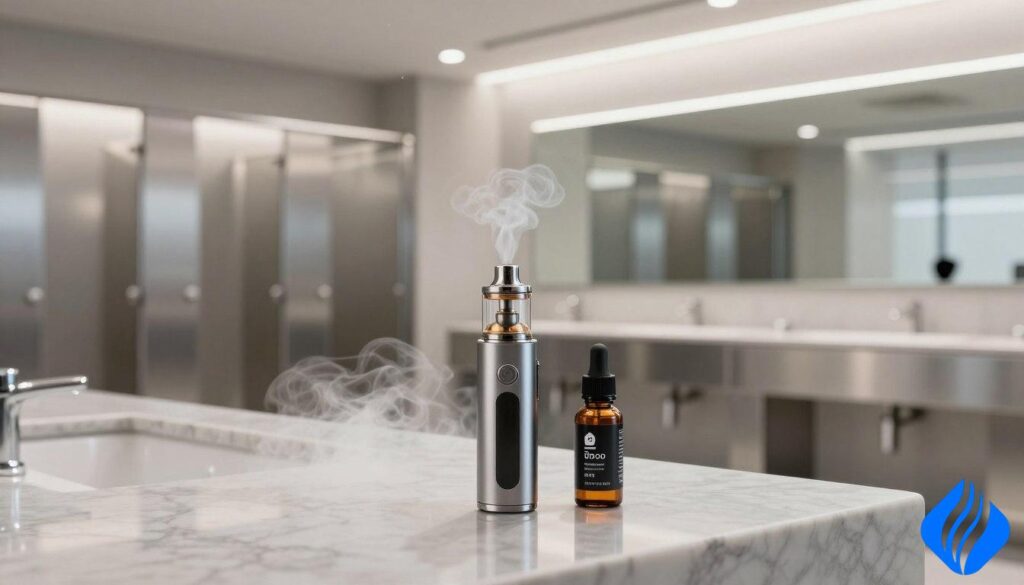
We frame why that matters. A quick puff can trigger screening delays, incident reports, fines, or missed boarding. Our guide is US-focused and safety-first, written for adult users (21+).
We preview what follows: TSA transport rules for carrying devices, local enforcement patterns, detectors, and practical alternatives for cravings. Later sections include device specs (battery mAh, e-liquid ml, nicotine 2%/5%, mesh vs dual-mesh, USB-C), hands-on testing, and product comparisons.
For policy examples and penalty context, review an overview of US airport policies here. We prioritize compliance and harm reduction to keep travel smooth and safe.
Key Takeaways
- Answer: Using devices in restrooms is nearly always prohibited in US terminals.
- Risk: A quick use can lead to fines, delays, or incident reports.
- Scope: This guide is US-focused and for adults 21+ seeking safe travel.
- What’s next: We cover TSA carry rules, enforcement, and travel-friendly alternatives.
- Tech note: Later comparisons include battery mAh, e-liquid ml, and mesh vs dual-mesh tests.
Why this question matters for US travelers right now
We emphasize compliance because terminals combine health policy with tight operational control. Airports operate high volumes of people and systems that respond quickly to unusual aerosol or smoke.
Airports treat vaping like smoking in most indoor spaces
Many facilities treat vaping the same as smoking indoors. Visible aerosol prompts complaints and triggers alarms tied to smoke-detection systems.
High-security environment means faster escalation than other public places
In a secure terminal, alarms and passenger reports escalate faster than at a mall or park. Airport security teams prioritize clear rules to avoid confusion that could affect screening.
Regulations and local authority policies overlap to create predictable enforcement of rules for public areas. That predictability keeps staff focused on safety and passenger flow.
- Vaping allowed is the exception, not the norm.
- Enforcement varies, but responses are often immediate.
- Policies around airports vaping continue tightening; plan for fewer indoor options.
Can you vape in airport bathroom
Airports treat restroom use for aerosol devices as a high-risk violation that prompts quick action. Policy and practice align: using a device in an airport bathroom is almost always prohibited. The empty-stall scenario does not change that rule.
Why the answer is almost always no
Restrooms are fire-safety zones and shelter sensitive equipment. Staff adopt strict rules to avoid false alarms and operational disruption. Many terminals list indoor use as vaping banned or vaping restricted.
Smoke detectors, vapor/particulate sensors, and monitoring
Modern sensors react to aerosol particles. Smoke detectors and particulate units can trigger on a single puff. Alarms or staff reports produce the same response as a real fire.
What “stealth” risks look like operationally
Being caught vaping in a restroom often leads to a complaint, a radio call, and an ID check. Outcomes include fines or removal from secure areas. The risk is operational delay that can cost a flight.
| Trigger | Detection | Typical outcome |
|---|---|---|
| Visible aerosol | Smoke detectors / sensors | Alarm, patrol response |
| Complaints at entrance | Staff monitoring | ID check, warning |
| Repeated violations | Surveillance review | Fines or removal |
US airport rules vs. TSA rules: who controls what
Federal screening rules cover transport safety, while facility policies govern on-site use. We separate what travelers may bring from what they may do inside terminals. That distinction explains many enforcement issues.
TSA focuses on transport, not use
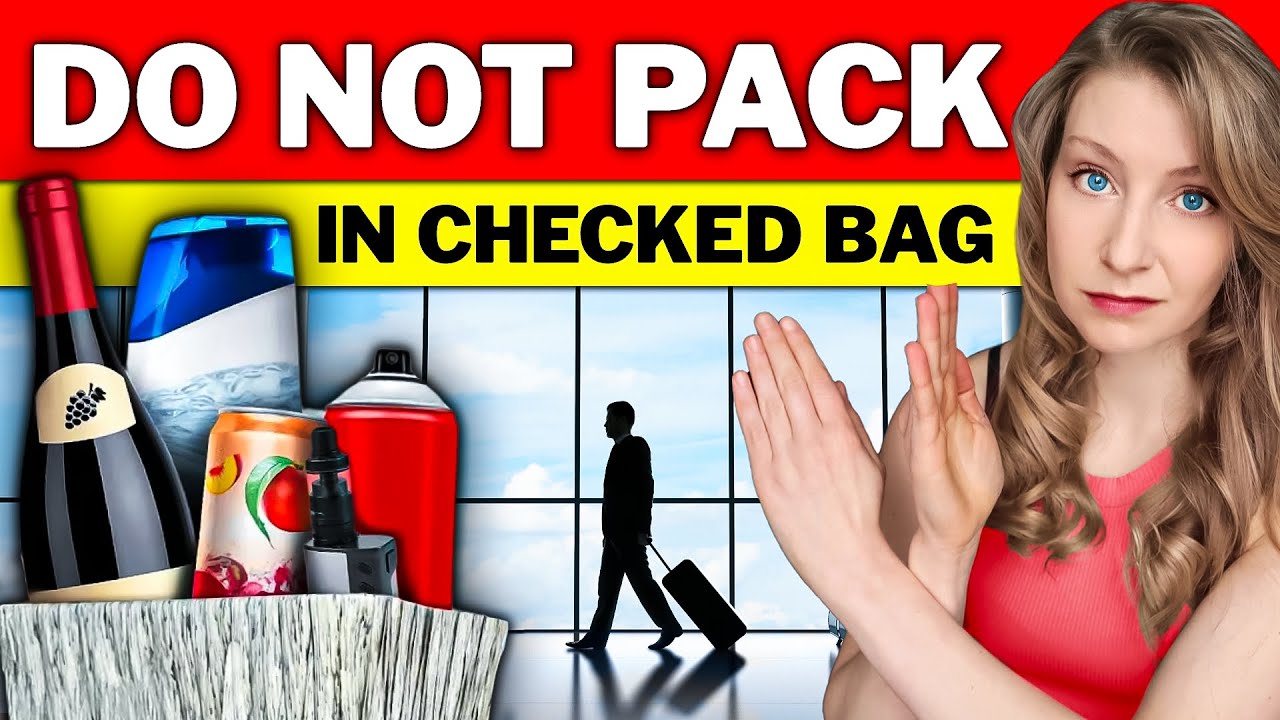
TSA regulates how devices travel through checkpoints. Most devices are allowed in carry-on baggage but not checked luggage for safety reasons. This is about batteries and packing, not about indoor behavior.
Airports and local law set indoor policies
Airports and state or local law decide indoor smoking and aerosol rules. Many terminals fold e-cigarette policies into no-smoking ordinances. That creates clear restrictions for terminal spaces.
Signage and staff are the final word
Treated as enforceable, posted signs and staff instructions resolve disputes. If no marked smoking area exists, assume indoor use is banned. Saying a sign was missed rarely helps during enforcement.
- What to bring: follow TSA transport guidance for batteries and e-liquid.
- What to do: follow airport signage and staff direction.
- Decision rule: when unsure, assume use is prohibited and seek a designated area.
Where vaping is allowed instead: designated smoking areas and lounges
Designated smoking zones are the only compliant option at many US terminals. These zones include outdoor designated areas and a small number of indoor smoking lounges. Even then, rules vary by terminal and many lounges restrict devices.
Outdoor vs. indoor options
Outdoor smoking areas are common before and after screening. Choose the side that avoids re-clearing security if time is tight.
Indoor smoking lounges are rare. When present, they are often labeled for cigarettes only. We advise to always check entrance signage before entering.
Find the right area fast
Use terminal maps, directory kiosks, or staff for the quickest answer. Rely on posted signs rather than assumptions about policy.
Shared-room etiquette
Keep emissions small, avoid exhaling toward doorways, and move away from families or non-smokers. Shared lounges are monitored and reports from others can prompt staff action.
- Tip: Confirm if designated smoking allows device use before lighting or activating any product.
- Tip: Limit time spent in designated smoking areas to reduce complaints and delays.
What happens if you’re caught vaping in a restricted area
Being caught vaping in a restricted terminal zone starts a formal response. Staff treat any aerosol report as a potential safety incident. Procedures focus on quick resolution and minimal disruption.
Typical outcomes
Outcomes follow a clear ladder: verbal warning, written incident report, fines, removal from secure areas, and confiscation of the device.
| Action | Typical range | Operational impact |
|---|---|---|
| Verbal warning | No fee | Minor delay |
| Written incident | Record retained | Possible re-screening |
| Fine | $50–$500 | Processing time, dispute risk |
| Removal/confiscation | Device held or surrendered | Missed boarding, missed connections |
Why restrooms trigger bigger responses
Security systems and detectors make restrooms high-risk areas. An alarm or complaint forces staff to act until the cause is verified.
Enforcement varies
Some airports adopt zero-tolerance rules; others give warnings first. Where strict bans exist, a facility will enforce a ban vaping policy rather than debate intent.
Our focus is protecting passengers and keeping operations smooth. When unsure, seek a designated zone; that is the safest way to avoid escalation.
How to travel with vaping devices through US airport security safely
Security officers focus on batteries and liquids first. Pack thoughtfully to avoid delays, inspection, or confiscation. We prioritize carry-on transport and plain-facing storage to speed screening.
Carry-on vs. checked baggage rules
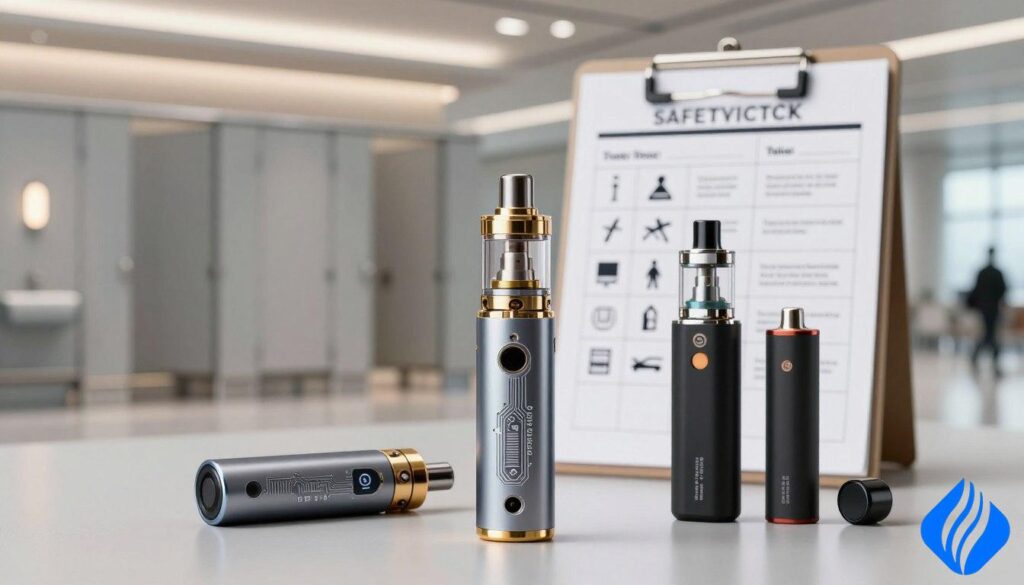
Baseline rule: devices belong in carry-on, not checked luggage. Cargo holds pose higher fire risk for lithium-ion batteries. TSA guidance supports this due to thermal runaway concerns.
E-liquid packing and the 3-1-1 rule
Follow the 3-1-1 liquids limit: containers ≤100 ml (3.4 oz) in a single clear quart bag. Seal caps and place the bag near the top of carry-on for easy access. This reduces spills and speeds officer checks.
Battery safety and device prep
Turn devices off and protect buttons. Store spare cells in dedicated cases. Keep battery contacts from touching metal objects. Damaged or swollen batteries may be confiscated.
What not to do
- Do not place devices in checked luggage.
- Do not charge devices inside terminals or use unattended charging stations.
- Do not carry loose cells without insulation; use protective sleeves.
Why this matters: overheating or leaks trigger a security response that can delay travel. Proper packing protects the device, other bags, and travel timelines.
International airports and layovers: how rules can change mid-trip
International connections expose passengers to a patchwork of policies that vary by country and by terminal. A rule at departure does not guarantee the same rule during a layover.
North America
Indoor bans are common. Most terminals treat aerosol devices like smoking, so expect use only in designated outdoor areas.
EU / UK
Smoke-free frameworks often include vaping. Many terminals apply national smoke laws to devices; assume use is restricted unless signage states otherwise.
Asia
Some jurisdictions enforce strict penalties. Singapore, Hong Kong, and Thailand have severe rules; possession or use can trigger fines or prosecution under local law.
Middle East
Some hubs offer smoking rooms. Major terminals in Dubai and Doha may permit use inside specific areas, but always confirm via signage or staff before entering.
Australia & New Zealand
Zero-tolerance enforcement is typical. Designated smoking areas are rare and penalties for indoor use are strict.
- Checklist: check the international airport website, then verify on-site signage.
- Confirm staff guidance: follow local law and posted areas to avoid fines or delays.
Safer ways to manage nicotine cravings during long waits
When time stretches between flights, practical nicotine options help avoid rule breaches. We recommend discreet, approved replacements that comply with terminal rules and reduce enforcement risk.
Nicotine gum, lozenges, and patches
Nicotine gum and lozenges act fast and are allowed through checkpoints when packed correctly. A patch offers steady relief during long waits and layovers.
Timing tips and planning
Take your last vape before security to avoid temptation later. If a layover is long, plan for outdoor areas or airport lounges that permit use.
Practical steps:
- Identify designated smoking/designated zones on the terminal map and note walking time from your gate.
- Choose products that fit your schedule: gum for short gaps, patches for multi-hour waits.
- Keep emissions low and be considerate of others near boarding areas.
Why this works: This approach reduces the urge to use restrooms or confined spaces and preserves travel reliability. Managing cravings is a simple, compliant way to avoid fines or delays.
Travel-friendly disposable vapes for after you exit the terminal
We recommend disposables only for use after you exit the terminal or inside clearly marked smoking areas. These products are a practical option for adults seeking a compact, low-maintenance choice while traveling. Do not use them where rules ban indoor aerosol use.

Core technical specs to check
- Battery capacity: look for 350–1000 mAh for reliable day use.
- E-liquid volume: 2–10 ml depending on puffs advertised and duration.
- Nicotine: 2% (20 mg/ml) or 5% (50 mg/ml) nic salt options.
- Coil type: mesh or dual-mesh for better surface contact and heat distribution.
- Charging: USB-C on rechargeable disposables for faster top-ups.
Why mesh and dual-mesh matter
Mesh coils heat evenly and produce steadier flavor. Dual-mesh increases surface area for fuller taste and more consistent draw during long sessions. That stability helps on the go, especially when airflow conditions vary outdoors or in designated areas.
Choosing nicotine strength
2% nic salt delivers a smoother throat feel and suits light-to-moderate users. 5% offers a stronger hit and can approximate the sensation of cigarettes for those transitioning. Match strength to your usual habit to reduce craving-driven rule breaches.
Practical notes: prioritize pocket safety, leak resistance, and button-lock features. A small device is still subject to terminal rules; treat portability as convenience, not permission. For policy context, see guidance here. We will follow with hands-on testing and objective comparisons next.
Hands-on testing insights: throat hit, vapor production, and flavor after 5000 puffs
We ran controlled trials to measure throat hit, vapor output, flavor drift, and battery behavior across heavy-use cycles. All observations reflect user-variable outcomes and device batch differences.
Smooth versus strong throat hit
Observed: 2% nicotine salts produce a smoother, less aggressive throat sensation. 5% delivers a sharper, faster impact for many adult users. Individual draw style and coil resistance alter that effect.
Vapor production in practical use
Clouds depend on airflow path, coil surface area, and wicking. Mesh coils held output longer. Dual-mesh boosted saturation and reduced early drop-off when wick supply was ample.
Flavor consistency after 5000 puffs
Sweet notes often flatten. Cooling agents fade first. Fruit profiles can shift toward muted or candied tones. Some formulations retain clarity; others degrade sooner.
Battery & USB‑C charging notes
USB‑C charging was stable across tests. Pass-through performance varied by model. For safety and to follow rules, avoid charging inside terminals or on unknown power sources.
Comparison: puffs per dollar and flavor consistency vs Geek Bar, Lost Mary, and Raz
Our tests focus on how many usable draws buyers actually get per dollar spent. We compare a Sokvape travel SKU against Geek Bar, Lost Mary, and Raz across real use cycles. Marketing puff counts are adjusted for observed flavor loss and battery behavior.
How to compute usable puffs per dollar the practical way
Take the purchase price, then apply a usability factor from testing. Reduce advertised puffs by measured flavor drop-off and by battery cut-off. That gives a realistic puffs-per-dollar figure.
Flavor consistency: mesh vs dual-mesh over time
Mesh coils kept steady flavor longer on light draws. Dual-mesh held saturation under heavy use but depleted faster as liquid fell. Our hands-on data shows dual-mesh tastes fuller early, while mesh stays consistent later.
Value and reliability notes from hands-on testing
We logged draw-sensor false triggers, clogging, and USB-C charge faults. Devices that promise high puffs but fail on charge produce poor long-term value. This testing informs buyers who want predictable performance.
Final answer: smart device choice improves travel readiness but never offsets posted restrictions. Treat planning as a performance boost, not a loophole for banned areas like vape airport restrooms.
How to know if it’s empty, how to recharge safely, and how to check authenticity
Simple indicators and safe charging habits keep devices reliable during travel. We outline quick signals for emptiness, practical USB‑C rules, and how to confirm authenticity before departure.
How to know it’s empty?
Signs: sudden flavor drop that does not recover after a rest. Reduced visible vapor and a tighter draw often follow.
Many devices use blink codes. Repeated flashes or an error light often mark low liquid or cutoff.
How to recharge safely?
Use a reputable USB‑C cable and a charger that matches device specs. Avoid high‑voltage fast chargers unless the model lists support.
Stop and disconnect if the battery gets hot, the shell swells, or there is an unusual smell. Do not charge inside a terminal; damaged cells may be confiscated and cause screening problems.
Is it authentic?
Verify the QR code or serial on the package. Scan and confirm via the manufacturer link: Sokvape. Authentic checks reduce counterfeit risk.
Why it matters: counterfeit devices often use poor cells and faulty circuits. That raises safety hazards and complicates carrying vape gear through security.
| Indicator | What it means | Travel note |
|---|---|---|
| Flavor fade | Low liquid or coil exhaustion | Swap or pack spare; avoid restroom use |
| Reduced vapor | Wicking limit or battery low | Charge with approved cable after exiting terminal |
| Blinking/error light | Device alert or cut‑off | Consult manual; do not force charge |
| Unmatched QR/label | Possible counterfeit | Return or verify before travel |
Where to shop and internal links to useful categories on Sokvape
Start shopping with a plan: shortlist models at home to avoid rushed choices near gates. Shortlist by battery capacity, e-liquid volume, and charging type. This prevents testing or charging in restricted areas and reduces the risk of enforcement issues.
Browse Disposable Vapes for travel-friendly options
Use the Disposable Vapes category to filter by USB‑C, battery mAh, and nicotine strength. Compare specs and user notes before departure.
- Link: Disposable Vapes
Check Hot Sale for better puffs-per-dollar deals
Our Hot Sale page can help evaluate value metrics from prior comparisons. Look for devices that maintained flavor and battery in tests.
- Link: Hot Sale
Explore RandM and Bang brand pages for coil and flavor profiles
Research coil types and flavor lifespans on brand pages. Mesh and dual-mesh behavior differs by maker; these pages show model-level specs.
- RandM: RandM
- Bang: Bang
“Buying a better device is not a way around terminal rules; plan purchases to avoid testing or charging near gates.”
Practical navigation tips:
- Shortlist models at home to test battery and draw before travel.
- Prioritize authentic SKUs and devices with clear manuals and QR checks.
- Avoid making decisions in busy travel areas where charging or testing is inconvenient.
Legal and safety reminders for vaping in airports (US)
This product contains nicotine. Nicotine is an addictive chemical.
Airports set indoor air rules that prioritize public safety and uninterrupted operations. Most US terminals treat vaping like smoking indoors. Restrooms are not exceptions.
Why compliance matters
Following posted rules protects your time and travel plans. Violations can lead to fines of $50–$500, written incident reports, or removal from secure areas. Escalation often involves security protocols.
Simple, enforceable guidance
Do not use aerosol devices indoors. Use only clearly marked designated areas. Follow staff directions immediately to avoid delays and protect other passengers.
| Issue | Typical consequence | Why it matters |
|---|---|---|
| Indoor aerosol use | Warning or fine | Triggers alarms and complaints |
| Restroom emission | Incident report, patrol | High detector sensitivity |
| Repeated violations | Removal / confiscation | Operational disruption, missed boarding |
Conclusion
The safest travel choice is to follow facility rules and use only permitted areas.
Final answer: in most US terminals, restroom use of aerosol devices is prohibited due to detectors and fast enforcement. That risk outweighs any short relief.
Plan ahead. Manage cravings with gum, lozenges, or patches. Locate designated areas early and use them only as allowed.
Always check posted signs and ask staff when policy is unclear. TSA rules on transport differ from facility rules on use; follow both.
Refer back to our packing guidance for batteries and liquids, and to testing/comparison sections for device reliability once outside the terminal.
 English
  German
  Dutch
Dutch  Danish
  Czech
Czech  Italian
  Slovenian
  French
  Hungarian
  Spanish
  Polish