

Direct answer: Bubbling or gurgling usually means excess oil in the airway, condensation buildup, or incomplete vaporization. Most clogs are fixable with gentle airflow clearing and brief, low heat checks while following safety steps we outline below.
We know bubbling, no pull, or oil in the mouthpiece kills the session and raises safety worries. We’ll walk you through safe, step-by-step fixes without risky shortcuts and preview the safety and legal notes up front.
The core why: thick distillate can behave like honey, condense in cool conditions, and migrate into the airway over time. Temperature swings and storage habits worsen this, and coil or battery issues can mimic true clogs.
What we cover next: clear definitions of bubbling vs. gurgling vs. a true clog, a symptom-to-fix table, battery and coil checks, and prevention tips like upright storage and gentle draw technique.
Key Takeaways
- Excess oil in the airway often causes bubbling and gurgling.
- Gentle airflow clearing and low heat checks fix most problems.
- We will not recommend open flame; battery safety is critical.
- Coil health, battery power, and airflow design can mimic clogs.
- Prevention: upright storage, steady temps, and quick wipe downs.
Direct Answer: What Bubbling Usually Means in a THC Vape
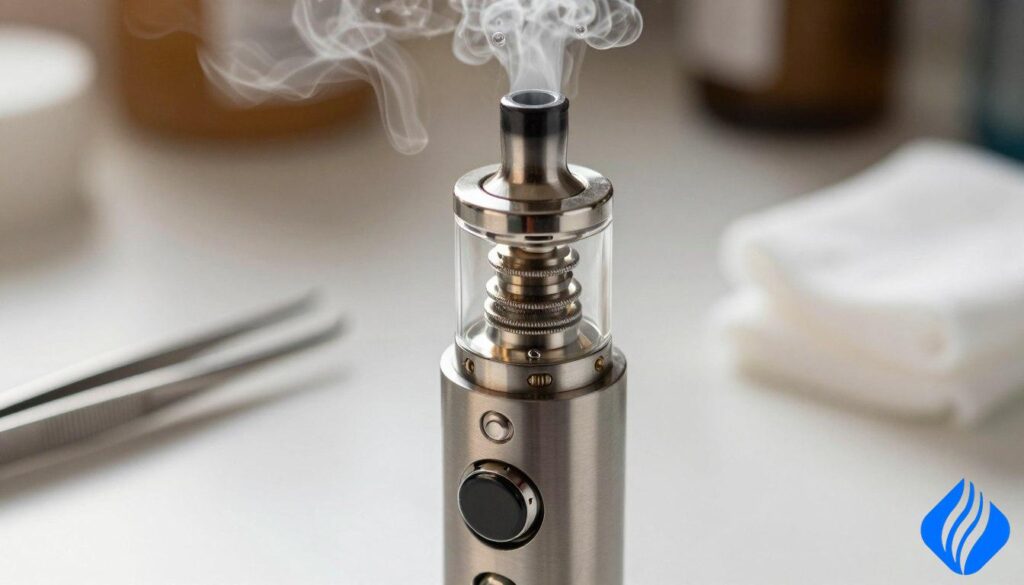
Bubbling in your cart usually signals air moving through pooled oil rather than terminal hardware failure. In most cases, bubbling or gurgling means excess liquid has migrated into the airflow path. That pooled oil makes air travel through the liquid, which creates noise and spitback but not always a ruined device.
Quick rule-outs: condensation vs. a true airflow blockage
Condensation often gives light crackles and visible bubbles while airflow stays mostly normal. You’ll still get vapor, though hits may feel muted for a bit.
A true blockage shows as a tight draw, little vapor, and possible oil spitback into the mouthpiece. That usually means hardened oil or debris is restricting air holes.
- Self-check: take one gentle, unpowered pull (do not fire) and feel the air. If it flows, treat this as condensation management.
- If airflow is restricted, treat it as a blockage and use non-invasive clearing steps next.
- Note: draw-activation devices can worsen flooding when users take repeated hard hits, pulling liquid into the chimney.
Muted hits commonly come from restricted airflow plus incomplete vaporization. We’ll cover safety first, then simple clearing methods, then warming and cleaning if needed. For a concise troubleshooting guide, see our recommended steps at fix a clogged cart.
Safety Warning: Battery Handling and Heat Use Before You Troubleshoot
Safety comes first: treat the power cell like any other lithium-ion battery and handle it with care. We prioritize safety over quick fixes. Follow these rules before applying any heat or pressure to your device.
Lithium-ion battery basics for pens and disposables
Treat every battery as fragile. Avoid punctures, crushing, and exposure to uncontrolled heat.
Baseline rule: never force or bend components near the battery. If a battery looks swollen or is hot to the touch, stop and set the unit aside.
Do not
- No open flame, no torch, and no direct lighter heating of hardware.
- No microwaves and no drilling or puncturing of the cell.
- Do not let water reach charging ports or seams.
Why open flame is risky and safe low-level heating
Open flame can overheat the cell, damage seals, and push oil into the airflow path. That raises leak and fire risk.
Use controlled, low-level heating only. Short intervals, keep the device upright, and move heat around. A preheat function, a hair dryer on low, or a warm-water bag can warm viscous oil safely.
When using warm water, seal the device in an airtight bag. Never allow water intrusion near ports or seams.
“Heat is a tool for viscosity management, not brute force.”
Stop immediately if…
- You taste burning or char — that may mean overheated residue.
- You see visible leaking oil or swelling.
- The device becomes very hot, hisses, or the battery compartment heats rapidly.
Expectation: we will troubleshoot airflow first and use gentle heating only when needed. If any stop-now triggers appear, discontinue use and seek a safe replacement.
Common Causes of Bubbling, Gurgling, and Clogs in THC Carts
Airflow and oil behavior, not always hardware failure, usually start bubbling problems. We’ll outline the mechanics so you can match symptoms to likely causes.
Distillate condensation and chamber flooding
When a cart sits unused, condensed vapor and pooled oil can collect in the chimney and airway. That condensation creates bubbles and spitback during draws.
Chamber flooding happens when excess oil soaks the wick area. The coil can’t vaporize efficiently, which causes gurgling and thin vapor.
Viscosity and temperature swings
Thick oil behaves like honey at low temperature and moves slowly. High temperatures — for example inside a hot car — thin oil and can push leaks into the airflow. Cooling then re-thickens the oil and forms a clog.
Storage, power, and worn parts
Laying a pen or cart on its side lets oil pool into mouthpieces and air holes. Low battery power yields incomplete vaporization and sticky residue buildup over time.
Damaged coils or worn components and old seals can mimic a blockage by reducing vapor output even when airflow exists.
“Diagnosing the cause helps us pick the safest, most effective fix.”
- Next: we match these causes to symptoms and safe first steps.
Symptoms vs. Solutions: Diagnose the Problem Before You Unclog
Start diagnosing by noting which symptoms you feel on the draw; that tells us where to focus first. We avoid poking blindly because wrong moves can push debris deeper or cause more flooding.
Common symptom cluster and what it means
Pay attention: restricted airflow, muted flavor, reduced potency, gurgling, spitback, and activation issues point to distinct faults.
Restricted feels like a very tight pull versus normal cart resistance. If you must suck hard, treat it as a blockage. If air flows but little vapor appears, suspect battery or coil problems.
Diagnostic table plan
| symptom | likely cause | best first fix |
|---|---|---|
| tight draw / no air | hardened oil or debris in mouthpiece / air holes | unpowered mouth-only pulls, then gentle warm-up |
| gurgling / bubbling | flooding / condensation | blow-out + gentle draws, keep upright |
| airflow OK but no vapor | battery contact, low power, coil failure | charge battery, check contacts, adjust voltage |
| oil in mouthpiece | pooling from horizontal storage | flip cart upside down briefly, wipe mouthpiece, gentle preheat |
Next: once symptoms point to residue at openings, we use safe basic supplies and non-invasive steps. That keeps the device intact and reduces repeat clogs.
Tools and Supplies You’ll Need to Unclog a THC Vape
Start with a compact set of household items that let us clear surface residue without risking the device. Keep everything clean and dry. Work over a paper towel and stay gentle near openings.
Minimal, safe toolkit
- Paper clip, safety pin, toothpick: gentle surface clearing at the mouthpiece opening only. Do not probe deep.
- Cotton swab (cotton): wipe around air ports and the mouthpiece rim. Use dry swabs first, then slightly dampen one if needed.
- Paper towels: catch excess oil and protect the battery area during cleaning.
- Isopropyl alcohol (isopropyl): small amount on a swab for sticky residue around seals and connections.
Why isopropyl alcohol works and safety limits
Isopropyl alcohol dissolves sticky residue and evaporates fast. That makes it effective for surface cleaning near air holes and connection points without long wet time.
Boundaries: never soak electronics. Do not drip alcohol into the central air path or battery ports. Apply liquid only to a cotton swab, then clean surfaces.
“Keep a paper towel under the mouthpiece area to stop oil from reaching the battery during cleaning.”
After each step, check airflow with an unpowered mouth-only pull. If flow is still restricted, repeat gentle cleaning before trying other fixes. For a more detailed guide, see our detailed guide.
how to unclog a thc vape Without Disassembling Anything
Start with non-invasive airflow fixes; these simple moves often restore normal hits quickly. We try airflow correction first. That avoids heat or alcohol and keeps the device intact.
Mouth-only pulls: clear minor clogs without firing
- Keep the cart upright and steady.
- Take 2–3 short, firm mouth-only pulls. Do not press the button or activate the pen.
- Pause 10–15 seconds. Repeat if air moves more freely.
- If flow improves, try one gentle powered hit at low voltage.
SOKVAPE pro-tip: blow then draw
- Place a paper towel at the mouthpiece rim.
- Blow gently into the mouthpiece to push pooled oil away from the chimney.
- Follow with soft draws to normalize airflow.
Blow-and-pull using bottom airholes
- Do not activate the device. Locate the bottom intake near the charging port.
- Blow briefly into those holes, then pull from the mouthpiece.
- Repeat once and wipe any oil that appears.
Tapping and flipping
Tap the cart lightly against your palm to free air bubbles that block oil feed to the heating element.
Flip the cart upside down briefly to move excess oil away from the mouthpiece, then return upright before use.
Avoid forceful sucking or overpressure—this can worsen flooding and cause spitback.
Warm-It-Up Methods That Melt Thick Oil and Restore Airflow
Gentle, controlled warmth often frees thick oil that blocks draws without risking the device. Use heat only when viscosity or cold temperature is the likely cause.
Preheat setting for draw-activation and button devices
- Ensure the battery has charge and the pen or cart is upright.
- Activate the preheat setting for one cycle.
- Wait 30–60 seconds upright, then take one gentle draw.
- Repeat once if needed; stop if the unit feels hot.
Hair dryer technique and upright orientation
- Hold the device upright (mouthpiece up).
- Point a hair dryer on low in short passes at the chamber for about 30 seconds.
- Rest 30 seconds, then re-test draws for improved vapor and airflow.
- If heat raises the temperature too high, stop and cool down.
Warm-water bag method without water intrusion
- Seal the cart or disposable in an airtight zipper bag.
- Submerge the bag in warm water—never hot—and keep ports above the surface when possible.
- Dry the exterior fully before use and test with soft draws.
Low-level heating thins oil so the coil vaporizes cleanly rather than forcing bubbles through pooled liquid.
Deep Cleaning: Clearing Mouthpiece and Airflow Residue With Isopropyl Alcohol
We position deep cleaning as the next escalation after non-invasive clearing and gentle warming. This step removes sticky residue and condensed oil film that narrow air passages and cause bubbling.
Step-by-step swab plan
- Power off the device and detach the cart or pen if possible.
- Lightly dampen a cotton swab with isopropyl alcohol. Do not let it drip.
- Wipe the mouthpiece interior edges, then swab air holes and vents.
- Clean connection points and threads with a fresh cotton swab.
- Finish by wiping all cleaned areas with a dry cotton or paper towel.
Dry time and re-test
Allow parts to air dry for several minutes. If you used more alcohol than planned, wait longer before powering on.
First, take an unpowered pull to confirm air flow. Then try 1–2 gentle powered draws at a conservative setting.
When clogs keep returning
Frequent buildup usually means heavy use, thick oil, pocket lint, or low power. This is a cadence issue, not always bad oil.
We recommend quick mouthpiece wipes regularly and deeper cleaning roughly every 20 drags or at charging intervals. Adjust based on your device and products.
| Issue | What we remove | Suggested interval |
|---|---|---|
| Light residue | Surface oil film | After 20 drags or weekly |
| Moderate buildup | Clogged air holes, sticky rim | Every few charging cycles |
| Frequent returns | Lint, thick oil, low power effects | Inspect weekly and adjust use |
Coil, Hardware, and Performance Checks After a Clog Clears
Once airflow is restored, confirm the coil and power delivery actually produce full vapor. Air that moves but weak hits usually mean power or coil issues, not an airway problem.
Coil priming basics
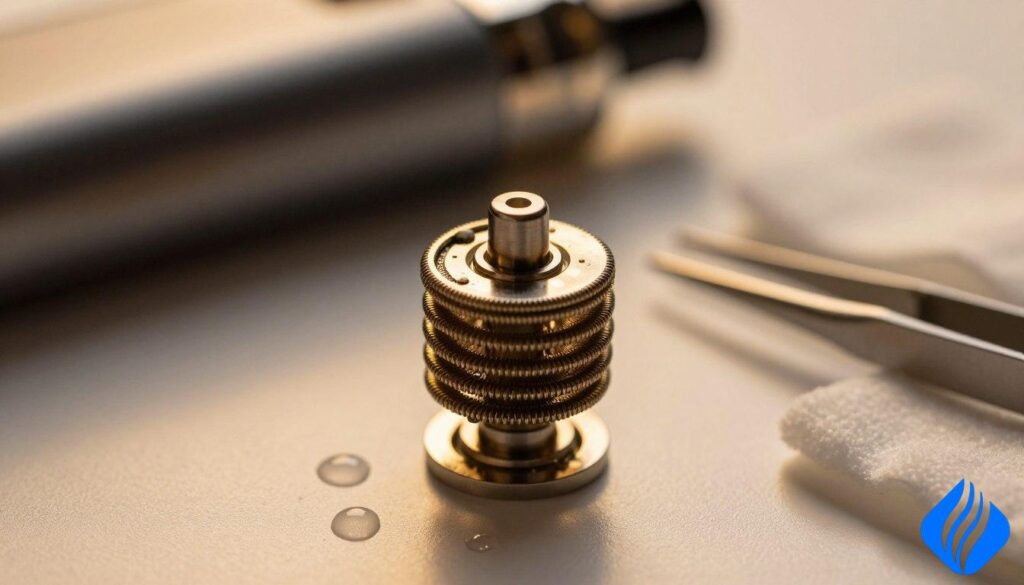
Coil Priming for refillable carts means saturating the wick before first use. Add a few drops of oil, let it sit 5–10 minutes, then start at a low setting. Proper priming reduces dry spots and uneven heating that cause bubbling and residue.
Mesh coils vs. standard coils
Mesh Coils heat more evenly than wrapped wire. That lowers hot spots that burn oil into sticky buildup. But airflow design matters. Some carts use tight channels that still promote gurgle despite better heating.
Voltage and heat guidance
Start low and raise settings in small steps. High heat can bake oil into residue and ruin flavor. Conservative heating preserves coil life and prevents repeat clogs.
Battery contact checks
- Wipe contacts clean and reseat the cart or pen.
- Look for blink codes or inconsistent activation—these mimic clogs.
- Low battery often yields thin vapor even with good airflow.
“Clean airflow + correct power + a healthy coil prevents most repeat issues.”
Preventing Future Clogs and Bubbling in Everyday Use
Small daily habits cut buildup and keep hits consistent. Prevention is mostly about limiting flooding and condensation through draw, storage, and routine care.
Draw technique
Take slower, gentler pulls and pause between hits. Give the coil time to rebalance temperature and the chamber time to settle. This limits oil moving into the airway and reduces spitback.
Storage and temperature
Store the pen upright with the mouthpiece facing up. Avoid pockets where lint can enter and avoid extreme temperatures that thin or thicken oil.
Maintenance cadence
Wipe the mouthpiece after each session. Check airflow with an unpowered pull weekly. Regular light cleaning prevents residue turning into hard buildup.
Oil and product choices
Thick oil is normal for many products and clogs more easily. The PG/VG ratio note: nicotine e-liquids use it, but the viscosity principle still applies—thicker liquids move slower and clog sooner.
| Focus | Action | Benefit |
|---|---|---|
| Draws | Gentle, slow pulls; wait between hits | Less flooding; steadier hits |
| Storage | Upright, lint-free, stable temperatures | Reduced pooling and residue |
| Maintenance | Quick mouthpiece wipes; airflow checks | Stops buildup before it hardens |
| Products | Match oil viscosity with device quality | Fewer repeat clogs and better lifespan |
Pro tip:buy quality cartridges and pens that match your oil viscosity. Good pairing cuts bubbling and repeated maintenance.
Legal Disclaimer: Traveling With THC Vapes in the United States
Legal disclaimer: we provide compliance-oriented safety information, not legal advice. Laws and airline rules change by state and carrier. Verify rules before travel.
TSA/FAA compliance basics and packing steps
- Pack Lithium-ion batteries in carry-on. Airlines and the TSA prefer cells in the cabin, not checked luggage.
- Protect spare batteries in a case to prevent shorting of terminals. Lithium-ion battery safety matters for all carriers.
- Keep devices powered off and secured against accidental activation during screening and flight.
- Separate loose cartridges and carts and store upright when possible to reduce leaks from pressure and temperature shifts.
Carry-on vs. checked bag rules
| Item | Carry-on | Checked bag |
|---|---|---|
| Battery (installed) | Allowed; protect terminals | Often restricted; check airline |
| Spare batteries | Allowed in cases; carry-on only | Prohibited or discouraged |
| Device / pen | Allowed powered off; keep contacts clean | May be allowed but risk of damage or seizure |
| Cartridges / products | Subject to TSA and state rules | Subject to TSA and state rules |
PACT Act awareness and local-law reminder
PACT Act awareness: shipping and mailing rules for vape-related products can be restricted. State laws and carrier policies differ sharply for cannabis products and components.
2026 local-law reminder: always verify destination and layover regulations before travel. Enforcement and definitions can vary by jurisdiction and over time.
SOKVAPE pro-tip: bring a dedicated battery case and a small wipe for mouthpiece residue so your bag and contacts stay clean.
Final safety note: travel adds pressure changes, temperature swings, and jostling. Store devices upright, protect batteries and parts, and consult airline rules for the latest guidance. Use this guide as a planning resource at the time of travel, not legal counsel.
Conclusion
Small fixes often restore normal hits without disassembly or risky shortcuts. Most bubbling stems from pooled oil, temperature shifts, or incomplete vaporization that upset airflow.
Follow the safe escalation path: diagnose → unpowered clearing → low-level warmth → alcohol swab cleaning → performance checks (battery, coil, contacts). Stop and set the unit aside if you taste burning, see leaks, or feel overheating.
Prevent repeats with upright storage, gentle draws, quick mouthpiece wipes, and steady temperatures. Replace the cart or pen when burnt taste, persistent leaks, or repeated overheating continue.
If you still fight repeat clogs, consider hardware that matches your oil viscosity—learn more at t.
FAQ
Q: Why is my vape bubbling?
A: Pooled oil or condensation in the airway usually causes bubbling and gurgle.
Q: What is the safest first step?
A: Try unpowered mouth-only pulls and gentle blows while keeping the unit upright.
Q: When should I use heat?
A: Apply low-level, controlled warmth only after airflow checks, and stop if the device gets hot.
Q: Can alcohol clean the mouthpiece?
A: Yes—use a lightly dampened cotton swab and avoid dripping into the central air path or battery area.
Q: How do I know it’s a hardware issue?
A: If performance stays poor after cleaning and checks, replace the cart, pen, or battery.
 English
  German
  Dutch
Dutch  Danish
  Czech
Czech  Italian
  Slovenian
  French
  Hungarian
  Spanish
  Polish