

We open with a clear standard of proof. This piece separates verified, lab-confirmed reports from viral social posts, rumor-driven school alerts, and sensational headlines.
Our aim is evidence-first reporting. We do not publish forensic toxicology on individual units. Instead, we share public health signals, law enforcement reporting, and our hands-on device checks for throat hit, vapor output, and flavor stability.
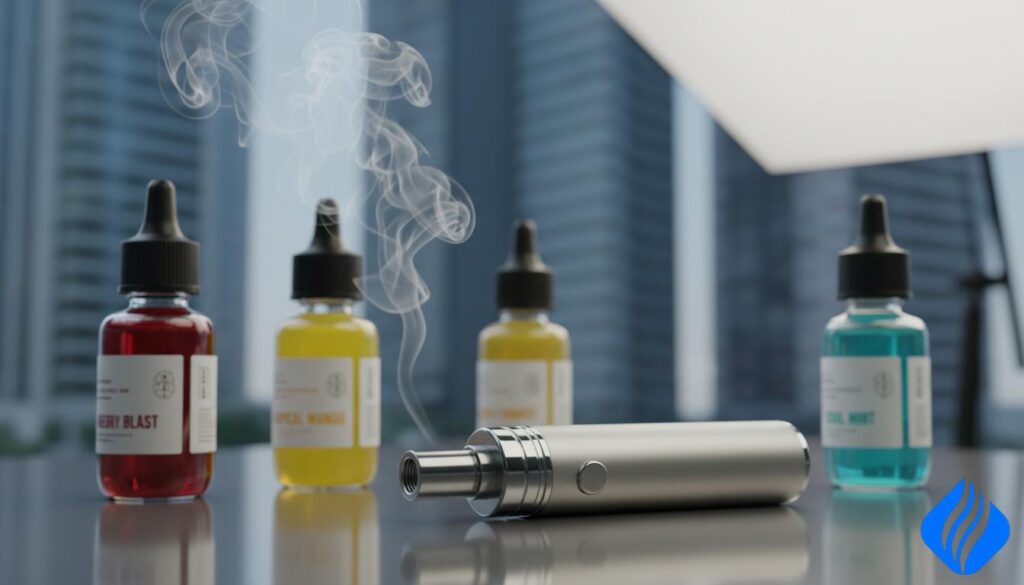
We explain why concern grew across the United States and why fear spreads when a potent opioid meets everyday nicotine disposables. We also define scope: mainstream nicotine devices versus THC cartridges and improvised drug-use methods often mislabeled as vaping.
Later sections will list technical specs (mAh, ml, nic salt %, mesh coils, USB‑C), compare brands, link to sokvape.com categories, and offer a practical FAQ and an explicit nicotine warning.
Finally, we preview actionable steps readers can use today: buy from reputable channels, verify authenticity, spot tampering, and respond if opioid exposure is suspected.
Key Takeaways
- We use a transparent standard to separate lab-verified cases from rumors.
- Peer-reviewed evidence is scarce; news corrections have happened.
- Scope excludes most THC and improvised devices unless verified by labs.
- We combine public sources with hands-on performance notes, not forensic claims.
- Practical advice: buy reputable products, verify codes, and know emergency steps.
What we know right now about fentanyl, vapes, and the U.S. drug supply
Recent spikes in alarming headlines drove us to map verified signals across public health, law enforcement, and lab reports. We separate confirmed lab work from early alerts and social posts that amplify fear.
Why the question is trending: Overdose anxiety is rising because counterfeit products circulate, social media spreads warnings fast, and news cycles reward dramatic claims before toxicology completes.
Clarifying the term people use
“Laced” conversations often collapse three different items: regulated nicotine disposables, THC cartridges, and illicit cartridges that imitate either category. Those categories carry very different supply chains and risk profiles.
What agencies report
The DEA’s 2024 assessment highlights counterfeit pills and adulterated street drugs as the main opioid threat. Public health teams and experts repeatedly note that mixing opioids into other drugs is the dominant pathway for deaths over recent years.
How to think about relative risk
- Mainstream nicotine supply chains show higher traceability and enforcement visibility.
- Informal or illicit channels pose greater contamination risk and lower quality control.
- Addiction dynamics and opioid-naïve users face disproportionate danger if exposed.
We stay factual: document what labs confirm, name what remains hypothetical, and note where early death reports shift after testing. For more on source verification, see our guide on can vapes be laced.
Has fentanyl been found in vapes: verified evidence vs viral claims
Lab confirmation is the hard currency; many headlines trade on early, unverified claims. We track peer-reviewed work and official public health releases. Overall, research is limited and incidents are scattered.
What reporting shows
News stories often cite “suspected” contamination before toxicology completes. That gap creates confusion between suspected cases and confirmed results.
Why corrections matter
Follow-up lab tests sometimes reverse initial statements. One high-profile update reclassified a reported contamination as a THC cartridge only.
Public health case study
Connecticut reported 39 suspected overdoses. After review, investigators linked most to prior opioid use and confirmed only one mixed case. Investigators noted likely cross-contamination from shared packaging surfaces.
Cross-contamination and signs
Cross-contamination can occur via shared handling, residue on packaging, or storage surfaces. A single confirmed instance does not prove a widespread, deliberate laced fentanyl supply.
Signs consistent with opioid effects include slow breathing, very small pupils, and unresponsiveness. Symptoms cannot identify a specific substance; call emergency services and use naloxone if available.
| Evidence Type | Typical Source | Common Outcome |
|---|---|---|
| Peer-reviewed study | Academic labs | Rare, limited datasets |
| News report | Police or school alerts | Often updated after lab testing |
| Public health probe | State DPH | Cluster narrowed after review |
How fentanyl would (and wouldn’t) behave in a vape device
We start with a simple fact: heat and chemistry decide whether a compound turns into an inhalable aerosol or breaks down.
Vaporization vs destruction: Some molecules vaporize at lower temperatures and stay intact. Others decompose and form different chemicals when heated too high. That distinction explains why simple yes/no claims are incomplete.
Heat and device limits
Most consumer pens run near 350–450°F. That range suits e‑liquid nicotine salts and flavor oils. It may not reliably produce an aerosol from certain opioid forms or salts. Experts note that form, purity, and the exact temperature curve all matter.
Real-world inhalation routes
Harm‑reduction sources report that heating on foil or a glass pipe is the common route for vaporizing opioids in illicit use. Those methods reach different temperatures than sealed disposable systems.
Safety note: If someone shows slow breathing, pinpoint pupils, or unresponsiveness after vaping, seek emergency care and naloxone if available. Do not assume a device’s temperature rules out opioid exposure.
For deeper technical context, see this peer-reviewed review on thermal behavior and inhalation risk.
Who is most at risk and where incidents are being reported
Incidents cluster where access, peer pressure, and concealability meet: schools and social gatherings. We focus on concrete patterns rather than alarmist claims.
Why teens and opioid-naïve users face disproportionate danger
Teens often lack opioid tolerance. Experimentation and peer influence raise immediate exposure risk. Legal retail limits push underage purchases toward informal channels.
That combination increases the chance that an individual will encounter a contaminated or adulterated product. Rapid medical decline can follow, so time matters.
Where reports cluster: school settings and the “easy-to-conceal” factor
Modern disposable designs are small and discreet. That promotes use on school grounds and delays detection. Multiple media reports show many cases occurred in classrooms or cafeterias.
Why surveillance is difficult: underreporting, protected minors, and media distortion
Minors’ privacy rules limit public data. Local media gaps and inconsistent toxicology create blurred signals for public health teams. Underreporting can hide true scope while sensational headlines distort it.
Practical, nonjudgmental guidance: adults should prioritize prevention, encourage treatment and recovery pathways, and focus caution on illicit-channel products rather than assuming every device poses equal risk.
What hands-on testing can and can’t tell you about “safe” vaping
Practical device checks reveal performance patterns; they do not replace lab analysis. We focus on draw activation, airflow feel, throat hit, vapor output, and coil behavior over extended use. We did not perform chemical toxicology on e-liquids.
What we measured versus what labs would show
Our checks reveal user-facing details. They help spot device failure and atypical sensations. They do not identify specific compounds or confirm contamination.
“Field observations flag risk quickly, but only lab work proves content.”
Throat hit, vapor, and flavor over time
Throat hit ranged from smooth MTL to strong draw in DTL-style units. Harshness often followed coil wear or high nicotine salts, not chemical proof.
After roughly 5,000 puffs many devices showed muted top notes, sweetener buildup, or slight burnt off-notes. Those shifts affect user experience and may prompt disposal.
Red flags and emergency action
- Unusual taste or harsh aerosol
- Leaking or sudden hits of dizziness or sedation
- Effects that do not match a person’s normal nicotine response
If opioid exposure or a suspected overdose occurs, call 911 immediately and give naloxone if available. Time matters more than debating device contents.
| Check | Hands-on shows | Lab confirms |
|---|---|---|
| Draw consistency | Activation reliability, airflow | Not applicable |
| Vapor output | Volume varies with coil and airflow | Requires chemical analysis |
| Flavor change | Sweetener buildup, muted notes | May correlate with residue type |
Disposable vape specs and value check: puffs per dollar and flavor consistency
We present a practical spec checklist so adults can compare disposable devices on real metrics. Below is a compact template you can apply across models to judge performance, reliability, and safety signals.
Main product technical profile
- Battery capacity (mAh)
- E-liquid volume (ml)
- Nicotine strength (2% or 5% nic salt)
- Coil type (Mesh vs Dual Mesh)
- Charging port (USB‑C)
Puffs-per-dollar framework and competitor check
Normalize the claim by dividing stated puffs by retail price. Then factor in flavor drop‑off and device reliability. Price alone is a poor proxy for safety or authenticity. Prioritize reputable sources and authentication checks.
| Model | Stated puffs | Puffs per $ (normalized) | Flavor consistency |
|---|---|---|---|
| Geek Bar | 2,000 | ~200 puffs/$ | Good early; mesh warms evenly, moderate burnout |
| Lost Mary | 3,000 | ~250 puffs/$ | Strong stability with dual mesh; retains top notes longer |
| Raz | 1,800 | ~180 puffs/$ | Variable; single mesh may show sweetness loss late |
Flavor, coils, and charging notes
Mesh and Dual Mesh affect heat spread. Dual mesh tends to keep flavor stable at high puff counts. Single mesh can heat hot spots and accelerate sweetener burnout.
Charging and reliability: USB‑C is preferred. Check for solid port mating and any claimed pass‑through. Repeated long cycles can reduce real capacity.
Shop safely: browse Disposable Vapes and Hot Sale for authenticated listings. For brand browsing, see RandM and Bang. We stress that trusted sources matter as much as specs.
Tip: Use the spec block above to compare real-world performance rather than relying on marketing puff claims.
Buying and using vapes more safely: authenticity checks, safe recharging, and “empty” indicators
We prioritize practical harm reduction. Learn clear signs that a disposable is spent, how to recharge safely, and one fast way to verify authenticity before purchase.
How to know it’s empty
Signs a device is spent: the draw becomes airy or inconsistent. LED lights may blink or change color. Flavor drops off sharply and vapor output weakens.
If performance stays poor even after charging, stop use. Treat sudden sedation or very slow breathing as a medical emergency—not a device fault.
How to recharge safely
USB‑C best practices: use undamaged cables, avoid hot environments, don’t charge on soft or flammable surfaces, and avoid overnight charging to reduce battery stress.
Is it authentic?
Check a product’s QR or verification code through sokvape.com. Some links route via redirects but should resolve to that official domain. If a seller cannot produce verifiable packaging, avoid the purchase.
“Source matters: informal channels raise the chance of tampering, mislabeling, and counterfeit products.”
Why source matters and stop-use-now red flags
Investigations often point to informal sources for contaminated or tampered products rather than regulated retail. That elevates overall risk.
- Stop-use-now signs: unusual chemical taste, sudden harshness, leaking, heavy sedation, or very slow breathing.
- If you see these effects, call 911 and give naloxone if available.
Quick FAQ
- How do I know it’s empty? Airy draw, blinking LED, sharp flavor loss, and weak vapor output.
- How to recharge safely? Use USB‑C cables in good condition, avoid heat, and don’t charge unattended overnight.
- Is it authentic? Verify packaging QR codes via sokvape.com; avoid sellers who can’t verify.
Conclusion
This conclusion focuses on what the data support and what actions matter right now for user safety.
Overall evidence does not show broad contamination of mainstream vapes. A few scattered reports and some confirmed incidents tied to illicit THC products mean caution is reasonable. DEA and public health teams still point to counterfeit pills and adulterated street drugs as primary opioid drivers.
We recommend buying from verified sellers, checking QR codes, and weighing value by puffs-per-dollar, flavor consistency, and build quality (Geek Bar, Lost Mary, Raz are useful comparators). Our hands-on testing evaluates performance; it cannot detect specific substances.
If someone shows slow breathing, pinpoint pupils, or unresponsiveness after vaping, call 911 and give naloxone if available. Nicotine warning: This article discusses nicotine products for adults 21+; nicotine is addictive and people who do not use nicotine should not start.
 English
  German
  Dutch
Dutch  Danish
  Czech
Czech  Italian
  Slovenian
  French
  Hungarian
  Spanish
  Polish